REVIEW · HANOI
Hanoi- 2 Days Sapa moutain trekking with Local Guide and Homestay
Book on Viator →Operated by Vietnam Wonder Travel · Bookable on Viator
Your day starts at 6 a.m.
This 2-day Hanoi to Sapa trekking trip is interesting because you trade a long bus ride for crisp mountain air, stepped rice fields, and real village rhythm. You’ll walk with a local English-speaking guide, stay 1 night in a Ta Van homestay, and spend both days on paths that link Sapa’s communities, including Lao Chai and Giang Ta Chai.
I love two parts most: the homestay night in Ta Van (simple, lived-in, and right where the trekking energy slows down), and the guided village-to-village walking that keeps you moving at a human pace. You also get a small-group setup with a maximum of 10 travelers, which makes the day feel more like a shared walk than a production.
One thing to consider: the schedule is tight and mostly outdoors, so if you hate early mornings or you’re not a steady walker, you’ll want to be honest with yourself before signing up.
In This Review
- Key things I’d circle before you go
- A 6 a.m. start that sets up your Sapa days
- The coach from Hanoi to Sapa: comfortable, but plan your timing
- Lao Chai to Ta Van on Day 1: village-to-valley walking with real stops
- Stop: Lao Chai (about 1 hour)
- Stop: Ta Van village + homestay check-in (day-long feel)
- Day 2 in Ta Van: breakfast first, then the trek
- Giang Ta Chai: bamboo paths, rice fields, and one big suspension bridge moment
- Lunch back in Sapa and the long ride home
- What’s included (and why it’s actually good value)
- Guides and care: the names that keep showing up
- Price and logistics: what you’re really paying for
- Who this Sapa trek is best for
- Should you book this 2-day Sapa trekking with Ta Van homestay?
- FAQ
- How long is the Hanoi to Sapa trekking trip?
- What is included in the price?
- What time does pickup happen in Hanoi?
- Where is the meeting point in Hanoi?
- Where do we go during the trekking?
- Is the group small?
- Is a local guide included?
- What happens if the weather is poor?
Key things I’d circle before you go
- Small group size (max 10), so you’re not stuck behind a crowd.
- Local English-speaking guide, which makes the villages and paths easier to follow.
- Ta Van homestay for 1 night, included meals too, so you’re not constantly spending on logistics.
- Lao Chai + Ta Van trekking, with a route that starts the valley experience near Muong Hoa.
- Giang Ta Chai on Day 2, including bamboo forest paths and a suspension bridge crossing.
- Round-trip air-conditioned coach from the Old Quarter area, plus bottled water on the bus.
A 6 a.m. start that sets up your Sapa days
The trip starts in Hanoi with pickup in the Old Quarter window, around 6:00–6:30 a.m., and the coach pulls out around 6:45. It feels early, sure. But it also means you’re not trying to force a full trekking day after an arrival that happens late. You’ll have time to get to Sapa, eat, and still begin walking in daylight.
Expect a couple of short breaks on the way up. They’re there for restrooms and leg-stretching—exactly what you want on a long mountain transfer. If you get easily car-sick, plan ahead like you would for any windy ride.
This tour also uses a meet point at 204 Đ. Trần Khánh Dư, Tràng Tiền, Hoàn Kiếm, Hà Nội. It’s close enough to regular public transport that you’re not locked into a single way of getting there.
You can also read our reviews of more guided tours in Hanoi

The coach from Hanoi to Sapa: comfortable, but plan your timing
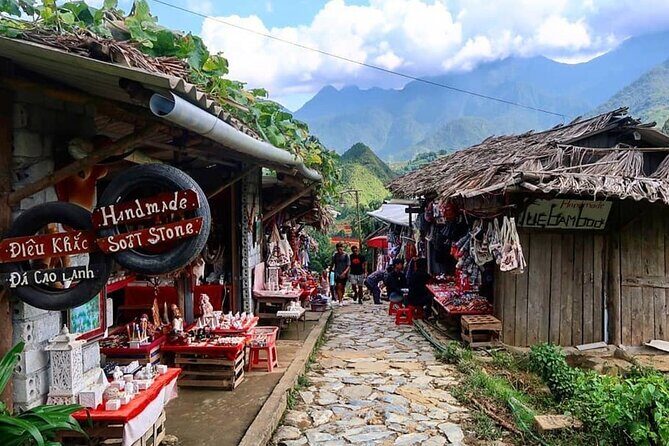
The ride is by air-conditioned coach, round-trip, with bottled water provided on the bus for both directions. That’s a small detail, but it matters on a day that starts before sunrise.
The big timing beat: you’ll arrive Sapa around 12:30–13:00. From there you head straight to lunch at a hotel in Sapa. Practically, this is why the day works. You don’t have to scramble for food after hours on the bus, and you don’t start trekking on an empty stomach.
What I’d watch: this is a 2-day plan, and Day 2 ends with a return to Hanoi that lands around 22:00. So yes, the travel day is long both ways. If you want a more relaxed pace, this won’t feel like a slow weekend getaway.
Lao Chai to Ta Van on Day 1: village-to-valley walking with real stops
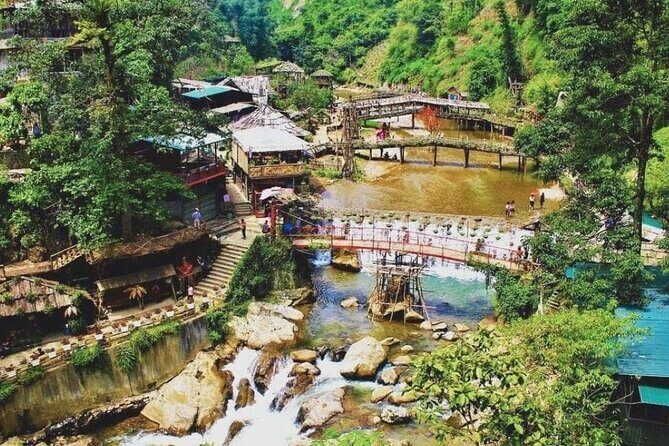
Day 1 is where the trip turns from transport into walking. After lunch, trekking begins around 14:00 toward Lao Chai and onward to Ta Van village.
Stop: Lao Chai (about 1 hour)
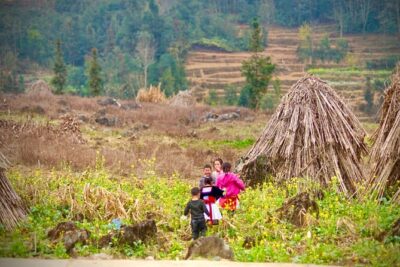
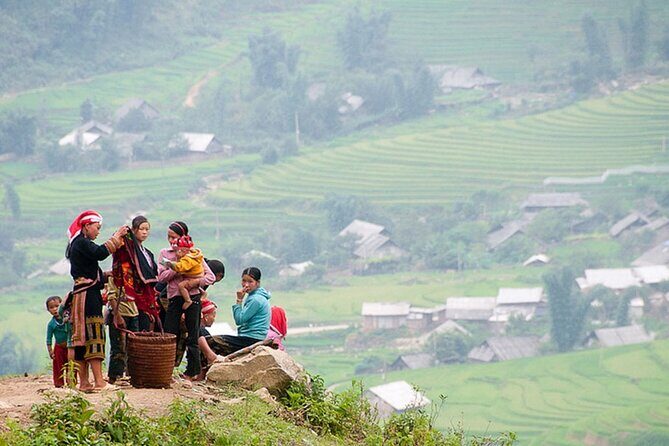
Lao Chai is around 6 km from the center of Sapa, and the area is associated with the Black H’mong community. You’ll see the village setting as the walk starts moving into a valley area called Muong Hoa.
Why this stop is valuable: it gives you a first “ground truth” moment. Instead of only seeing Sapa from the edges, you’re stepping into the daily geography of the region—homes, fields, and the way paths connect people.
Stop: Ta Van village + homestay check-in (day-long feel)
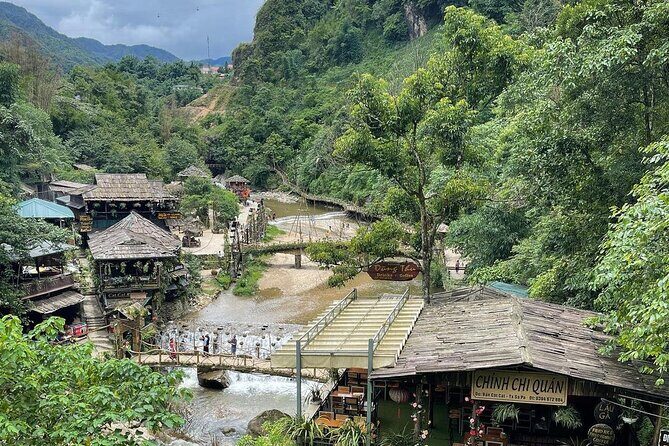
After Lao Chai, you continue on to Ta Van village and check in at your homestay. The description emphasizes the quiet feel of Ta Van, with simple houses and a rustic setting. In real terms, this is where you stop being a sightseeing passenger and start being part of the local rhythm.
Even if you’re not staying for long, you’ll feel the difference between city Sapa energy and valley Ta Van calm. This is also when you can ask your guide questions in an unhurried way: how the trekking route works, what you’re seeing, and how everyday life ties into the seasons.
Possible downside of Day 1: the route starts after a long bus ride and lunch. So even though the walks aren’t described as extreme, you’re still stacking effort on an already-long day.
You can also read our reviews of more hiking tours in Hanoi





Day 2 in Ta Van: breakfast first, then the trek
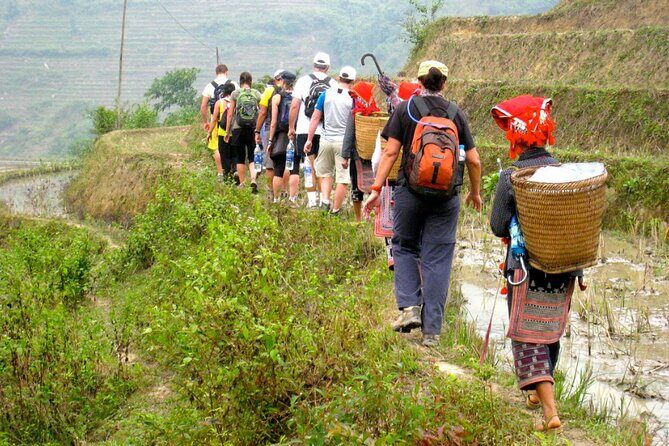
Your second day starts with breakfast at the homestay around 7:00 a.m. Then trekking begins roughly 8:30–9:00 a.m. That sequencing is smart. You get fuel before the next set of paths, and you’re not rushing out immediately after waking up.
This day is about connecting Ta Van to the next village stop, Giang Ta Chai.
If you like early starts, you’ll probably enjoy how Day 2 feels more active and outdoors-focused. If you hate mornings, you’ll still make it—just treat it like a hiking schedule, not a sleep-in vacation.
Giang Ta Chai: bamboo paths, rice fields, and one big suspension bridge moment
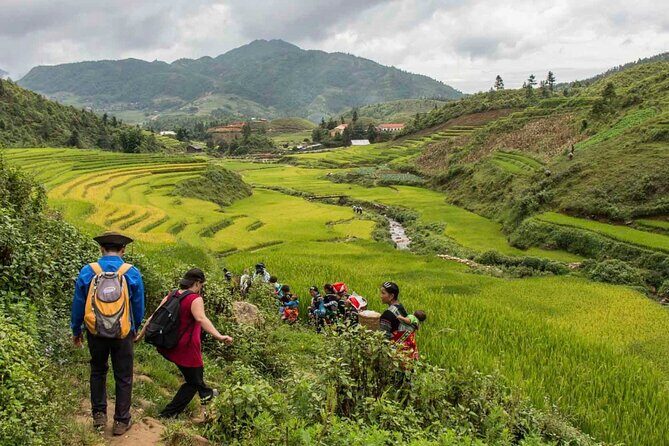
Day 2’s walking highlights Giang Ta Chai village, with the trek lasting about 4 hours after you start toward it. The route is described as passing through bamboo forest and rice fields, plus a crossing on a suspension bridge.
This part matters because it’s not only about reaching a destination. It’s about the variety of terrain. Bamboo forest segments give you shade and a cooler pace. Rice field areas feel open, wide, and photo-friendly. And that suspension bridge is one of those moments that breaks up the long “walk forward” feeling—your brain gets a new task: balance, look around, and enjoy the river crossing.
One practical note: suspension bridges can be a little bouncy. If you’re afraid of heights or uneven surfaces, keep that in mind when you step onto it.
Lunch back in Sapa and the long ride home
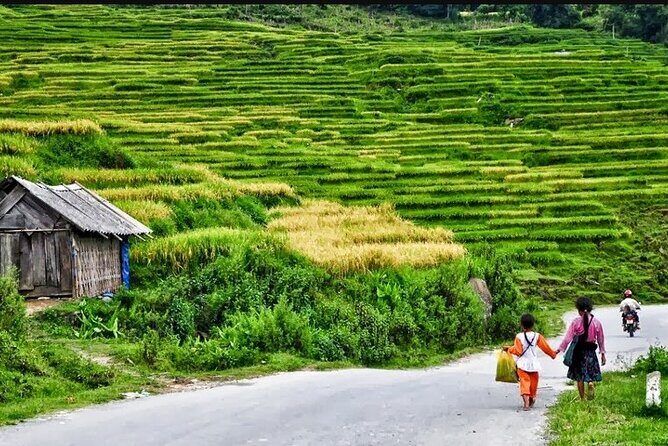
After trekking, you come back to Sapa town around 13:00 for lunch at your hotel. That’s a nice reset. You’re not trying to eat on the trail or hunt for food after changing shoes and drying off.
Then you start the return to Hanoi at 15:00, arriving back around 22:00. This means the day is built for trekking first, recovery later. So if you like going out at night, plan to keep your evening plans light.
What’s included (and why it’s actually good value)
For $89 per person for 2 days, the included pieces are what make it feel like a fair deal:
- 1-night accommodation at a Ta Van homestay
- Local English-speaking guide
- Round-trip transport by air-conditioned coach
- Meals included: 2 lunches, 1 dinner, 1 breakfast
- 2 bottled waters on the bus for the two directions
- All fees and handling charges
A homestay night + guide + meals + round-trip transport is a lot to bundle. Without this kind of package, you’d usually spend time and money piecing everything together—especially in a place where trekking logistics matter.
Also, the group cap of 10 travelers is a quality-of-experience detail. Larger groups can mean longer waiting times, more crowd energy, and less time to ask questions. Here, you’re more likely to move as a unit without getting swallowed by noise.
What’s not included is straightforward: drinks, gratuities, and anything not listed. For drinks, bring a realistic budget so you’re not stuck buying only water. For gratuities, follow your own comfort level—your guide’s help is the one part you can most easily reflect on.
Guides and care: the names that keep showing up
Two names come up in the broader experience with this operator: Ms Sua and Kathy. In the feedback, Ms Sua is described as very nice as a tour guide, and Kathy is praised for being organized and helpful with coordination across multiple trips.
The practical takeaway for you: this isn’t just a ticket and a map. You’re dealing with people who take questions seriously—especially if your plans include transfers or multiple day tours. That kind of support reduces stress when you’re bouncing between Hanoi and the north mountain region.
Price and logistics: what you’re really paying for
Let’s be honest about what costs add up to in Sapa trekking:
- Getting there and back from Hanoi takes time and comfort.
- A local guide is the difference between wandering and understanding.
- Homestay basics and meals are part of how these treks work.
At $89, you’re paying for that full bundle rather than managing it yourself. If you’d otherwise have to book transport, a guide, and a homestay separately, the price starts looking more sensible.
The only “cost” to you is effort: the early morning, the long travel day ends, and trekking on two consecutive days. If you want scenery but don’t want physical time outdoors, you might look for a shorter or less structured option.
Who this Sapa trek is best for
You’ll likely love this tour if you:
- want guided village walking rather than self-navigation
- like a small group setting
- enjoy simple homestay stays and chatting with hosts (or at least the vibe of being there)
- want a mix of rice fields, village stops, and at least one standout moment like the suspension bridge
You might want to reconsider if you:
- dislike early starts (pickup is 6:00–6:30 a.m.)
- get worn down by long travel days (back in Hanoi around 22:00)
- have limited mobility or don’t feel confident on uneven footpaths
This works best for active travelers who still want comfort: air-conditioned transport, included meals, and a guide who keeps the days understandable.
Should you book this 2-day Sapa trekking with Ta Van homestay?
If your goal is a real taste of northern Vietnam—village life, guided trekking, and a homestay night—this is an easy yes. The tour is built around getting you to the right places with less hassle: coach from Hanoi, Lao Chai and Ta Van on Day 1, Giang Ta Chai on Day 2, and meals that keep you fueled.
My decision rule for you: book it if you can handle the early wake-up and you’re okay with a full day outdoors. Skip it if you want a slow, luxury-style escape.
One more thing: the experience depends on good weather. If weather isn’t cooperative, you’ll be offered a different date or a full refund. In mountain areas, that’s not a small detail—it’s the difference between a clear trek and a muddy slog.
FAQ
How long is the Hanoi to Sapa trekking trip?
It runs for 2 days (about 2 days / 1 night).
What is included in the price?
The price includes 1-night homestay in Ta Van, local English-speaking guide, round-trip air-conditioned coach from Hanoi, and meals: 2 lunches, 1 dinner, and 1 breakfast. Bottled water is also provided on the bus.
What time does pickup happen in Hanoi?
Pickup is around 6:00–6:30 a.m. in the Old Quarter area, and the bus departs around 6:45 a.m.
Where is the meeting point in Hanoi?
The meeting point is 204 Đ. Trần Khánh Dư, Tràng Tiền, Hoàn Kiếm, Hà Nội, Vietnam.
Where do we go during the trekking?
You’ll trek from Sapa toward Lao Chai and Ta Van on Day 1, then trek from Ta Van toward Giang Ta Chai on Day 2 (including a suspension bridge crossing), before returning to Sapa for lunch.
Is the group small?
Yes. The tour has a maximum of 10 travelers.
Is a local guide included?
Yes. You get a local English-speaking guide.
What happens if the weather is poor?
This experience requires good weather. If it’s canceled due to poor weather, you’ll be offered a different date or a full refund.