REVIEW · HANOI
Highlights of Hanoi Full-Day City Tour
Book on Viator →Operated by GADT Travel · Bookable on Viator
A full day, neatly packed. This Hanoi tour strings together real landmarks, from ancient pagodas to major national sites, with a local guide helping you connect the dots between religion, politics, and everyday Vietnamese life. I especially like the hassle-free Old Quarter pickup and drop-off and that lunch plus entrance fees are built into the price, so you’re not constantly weighing petty add-ons.
My one caution: even with an English-speaking guide listed, you can get blended into larger language group dynamics. If you want very tight English-only guiding the whole day, you should ask how grouping works for your departure.
In This Review
- Key things to know before you go
- Price and Logistics: What $34.62 Actually Covers
- Morning Start: Old Quarter Pickup to Tran Quoc Pagoda by West Lake
- Ho Chi Minh Mausoleum Complex: National Symbol Meets Dress Rules
- Vietnam Museum of Ethnology: The Break in the Middle of the Day
- Temple of Literature & National University: Hanoi’s Early Learning Powerhouse
- Hoa Lo Prison: History With Hard Edges
- Lunch, Timing, and Comfort: How to Make an 8-Hour Day Feel Short
- Small-Group Feel vs. Grouping Reality (Read This Before You Book)
- Who This Tour Fits Best
- Should You Book This Hanoi Full-Day City Tour?
- FAQ
- Is lunch included on this Hanoi full-day tour?
- What does the tour price include?
- Do I need to pay entrance fees myself?
- What is the schedule like, and how long is the tour?
- Is the Ho Chi Minh Mausoleum always open on this tour?
- What should I wear for the Mausoleum and pagoda stops?
Key things to know before you go
- Small-group size (max 12) keeps the day calmer than typical big-bus tours
- Old Quarter pickup/drop-off saves time and stress at the start and end
- Entrance fees and Vietnamese lunch included makes the $34.62 feel more like a fair deal
- A mix of contrasts: lakeside ancient pagoda, modern museums, and Hoa Lo Prison history
- The day involves walking and rules: wear comfortable shoes and avoid shorts for pagodas and the Mausoleum area
Price and Logistics: What $34.62 Actually Covers
At about $34.62 per person for an 8-hour day, the standout value isn’t just the itinerary. It’s what’s bundled: air-conditioned bus transport, bottled water, a guide, Vietnamese lunch, and entrance fees for the main stops. In Hanoi, that matters, because “free” attractions still cost you time, and paid sites add up fast.
You’ll typically get picked up right in the Old Quarter (or at the Hanoi Opera House area if that’s how your meeting works). The tour is designed as a straight loop that brings you back to where you started, which is a big deal when you’re trying to maximize sightseeing without doing mental math on taxis.
One more practical bit: the tour uses a mobile ticket, and you’ll get confirmation at booking. If you’re staying outside the Old Quarter, there may be an additional transfer fee, so check that early.
You can also read our reviews of more tours and experiences in Hanoi.



Morning Start: Old Quarter Pickup to Tran Quoc Pagoda by West Lake
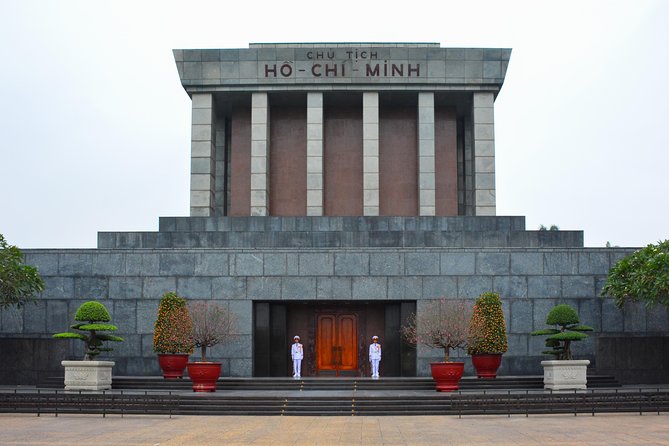
You begin in the 8:00 a.m. window, with pickup either from the Old Quarter or around the Hanoi Opera House area. That early start helps because the day’s highlights are spread across a lot of ground—and you want the calm morning light for photos when possible.
The first cultural stop is Tran Quoc Pagoda, described as the oldest pagoda in Hanoi, dating back to the 6th century. It’s also conveniently positioned near West Lake, so you’re not walking out of a concrete maze and into a random spot—you’re arriving at a site that feels anchored in the city’s geography.
What I like about starting here: it sets a mood. Before you get to political and historical heavyweights, you get a gentle reality check that Vietnam’s spiritual traditions are part of the city’s daily rhythm, not just museum stuff.
What to watch for: even with shorter stops, this is still a sightseeing day. Bring a hat and sunscreen—this tour explicitly nudges you that way—and wear shoes that won’t punish your feet by mid-afternoon.
Ho Chi Minh Mausoleum Complex: National Symbol Meets Dress Rules
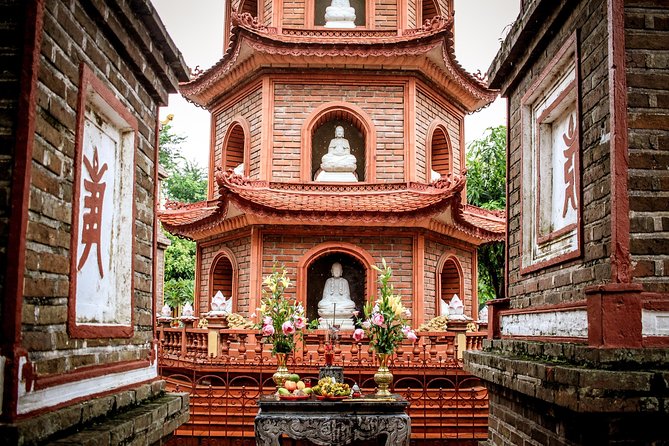
Next comes the Ho Chi Minh Mausoleum Complex, including the mausoleum and the stilt house, tied to where Ho Chi Minh lived and worked in his final years. Even if you’ve read about him before, seeing this complex in person is different. The whole area is about symbolism: the scale, the layout, and how carefully the site is managed.
A key planning reality: the Mausoleum area can be restricted. The info provided for this tour notes it is closed on Mondays and Fridays, when you can only visit outside. There’s also a specific maintenance period called out (from 10 June 2024 to 13 August 2024) when you would similarly only visit outside. So if your dates land on closure days, don’t build your day around expecting an inside visit every time.
The tour also has strict dress guidance: don’t wear shorts when visiting the Mausoleum and pagoda areas. This is one of those annoying but totally normal rules in Vietnam. It saves you from last-minute outfit stress at the door.
Vietnam Museum of Ethnology: The Break in the Middle of the Day
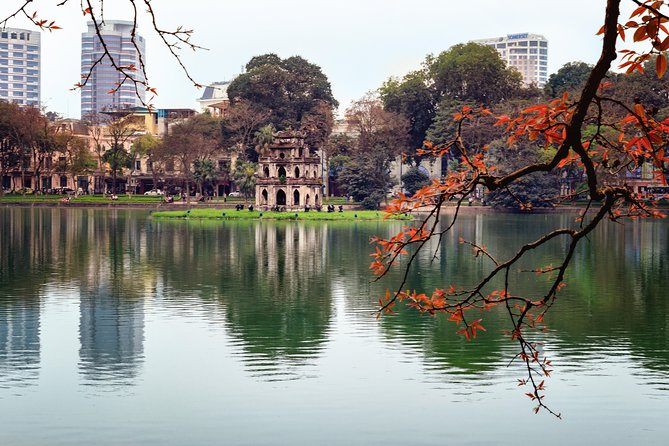
After you’ve tackled the biggest national-site headliners, you shift to something that feels more human and less ceremonial: the Vietnam Museum of Ethnology. The tour describes it as one of the most recent museums in Hanoi and also among the largest, with both indoor and outdoor exhibition areas.
Why this stop works on a full-day itinerary: it’s a change of pace. Instead of another single “must-see monument,” you get a broader look at how different ethnic groups in Vietnam live and express culture. The indoor and outdoor setup also gives you choices—if one gallery is too crowded, you can move to another section.
If you’re the kind of traveler who likes context over checklists, this is a strong use of time. It helps you understand the country behind the headlines before you jump into the next two historically charged stops.
Temple of Literature & National University: Hanoi’s Early Learning Powerhouse
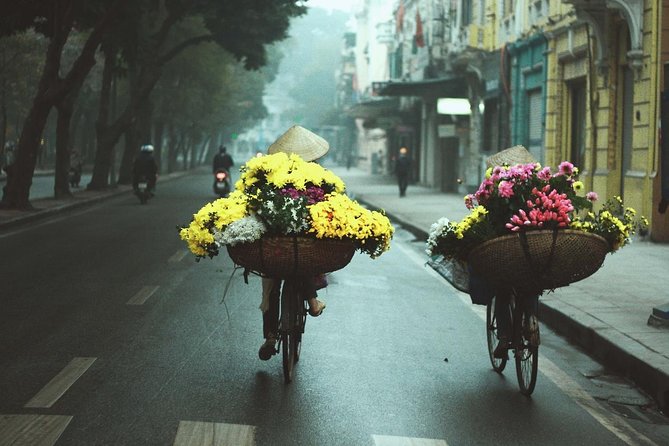
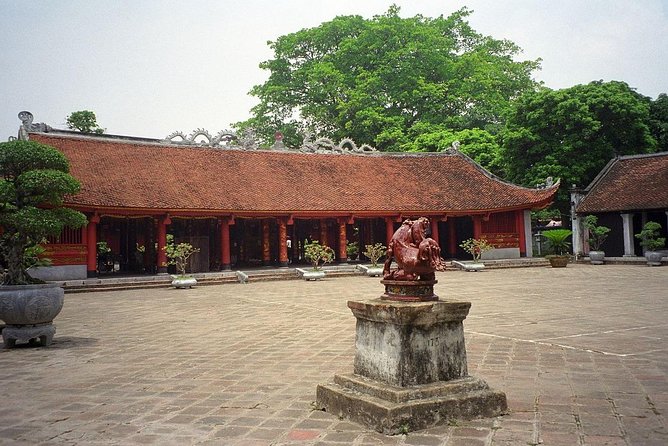
Then it’s lunch at a local restaurant, followed by Temple of Literature (Quoc Tu Giam), the first university in Vietnam as described on the tour. This is the kind of place where you can take your time without feeling guilty. The visit connects education, scholarship, and state culture—values that show up repeatedly in Vietnam’s historical story.
The tour highlights specific elements you’ll likely see, including the Literature Lake, the Khue Van Pavilion, and the stele house. Even if you don’t know the details beforehand, these features make sense once you’re there: the layout feels designed for learning and contemplation rather than quick tourism photos.
One practical note: this is another walking-heavy segment, and you’ll probably want to move at a comfortable pace. Wear those comfy shoes again. If you planned to stroll and then spend hours sitting somewhere later, you’ll understand why by mid-day.



Hoa Lo Prison: History With Hard Edges
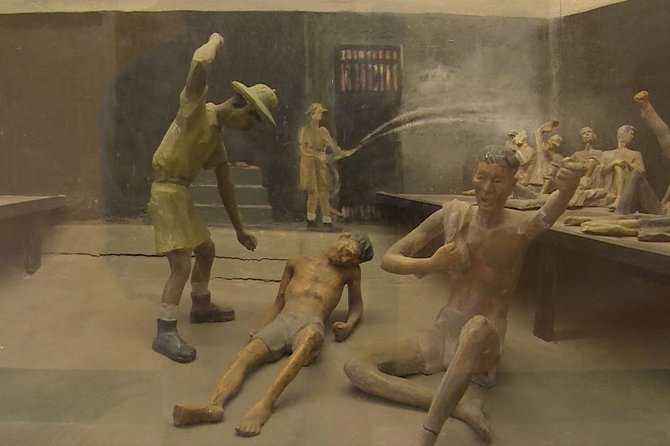
Finally, the day ends at Hoa Lo Prison, built in 1896 by the French colonial government to detain political prisoners. The tour notes its reputation as a place described as a terrible hell in the 20th century. That wording sets expectations: this is not a light stop.
This is also one of the best examples of why a guided tour can matter. You’re not just looking at buildings. You’re getting the story in a sequence—colonial control, political detention, and how the prison fits into Vietnam’s modern history.
What to expect emotionally: if you’re sensitive to human history, this stop can hit harder than you expect, even when you come prepared. I’d treat it like a museum visit, not like a quick photo stop. Give it your attention, and it will make more sense than skimming.
Lunch, Timing, and Comfort: How to Make an 8-Hour Day Feel Short
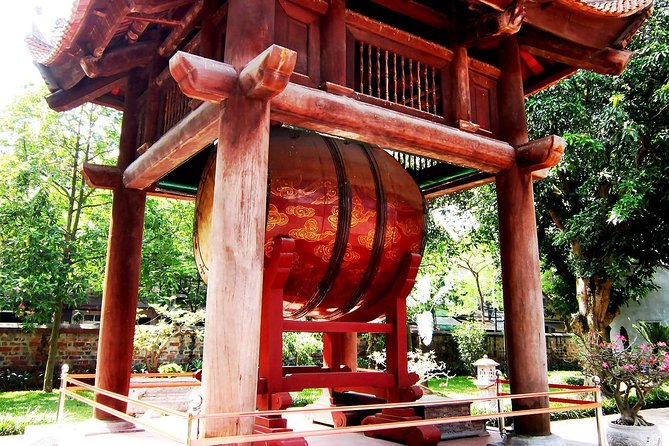
This tour is designed as a full-day circuit, so timing is the hidden feature. With included Vietnamese lunch and bottled water, you avoid the usual trap: getting hangry while you’re stuck navigating between sites.
The route also tends to front-load the major national complex and then work outward to the museum and heritage sites. That flow matters. It reduces backtracking and helps keep your brain from melting from constant change.
Still, manage your comfort:
- Wear comfortable walking shoes (you’ll be on your feet through multiple stops)
- Follow the no shorts guidance for the Mausoleum and pagoda areas
- Bring a hat and sunscreen, especially in hotter months (the tour explicitly suggests it)
- If you’re thinking about adding a Cyclo ride or a Water Puppet show, note that the tour’s drop-off at your hotel is not included for those extras
If you’re traveling in Vietnam and you’re deciding where to fit performance or street rides, this is one of those planning moments where you’ll want to decide your priorities before the day begins.
Small-Group Feel vs. Grouping Reality (Read This Before You Book)
The tour is marketed as small-group with a maximum of 12 travelers, which is exactly what you want for a full-day schedule. Smaller groups mean fewer long debates at each entrance and more room for your guide to answer questions without sounding like a radio host.
The one downside I can’t ignore from the feedback provided: some people report language expectations didn’t always match the reality of being placed into a larger Vietnamese-speaking group. That doesn’t mean the tour is bad—it means you should treat the English-guiding promise as something to confirm for your specific date.
Here’s what I’d do: message or ask ahead what the guiding setup typically looks like when your group language profile is different. If you’re comfortable with some translation or you learn well by visuals, you may be totally fine. If you need crisp English the entire time, get clarity early.
Who This Tour Fits Best
This Hanoi full-day tour is a good match if you want:
- A structured day that hits major sites without you planning bus routes
- Entrance fees and lunch included, so you don’t keep checking your budget mid-trip
- A guide to answer questions about culture and history as you move between places
It’s also a solid choice for first-time visitors to Hanoi who want a big overview of what the city values—religious heritage (Tran Quoc), political history (Ho Chi Minh Mausoleum complex), cultural identity (Museum of Ethnology), traditional scholarship (Temple of Literature), and colonial-era detention history (Hoa Lo Prison).
It may be less ideal if:
- You have very strict language requirements and you need English-only time with no blending
- You dislike history sites related to political imprisonment—Hoa Lo can feel heavy
Should You Book This Hanoi Full-Day City Tour?
If you want a high-value way to see a lot of Hanoi in one day—while keeping things simple—this tour is worth serious consideration. The combination of Old Quarter pickup, AC transport, lunch, and entrance fees is the kind of pricing structure that helps you stay calm and enjoy the day instead of hustling for logistics.
My final advice: book it if you want a guided overview with stops that balance religion, national identity, education, and history. If language consistency matters a lot to you, confirm how English guiding is handled for your departure date. With a 4.7 rating and 91% recommended, the odds are good you’ll feel you got your money’s worth—especially if you’re pairing it with lighter evening plans in Hanoi afterward.
FAQ
Is lunch included on this Hanoi full-day tour?
Yes. The tour includes a Vietnamese lunch during the day.
What does the tour price include?
It includes hotel pick-up and drop-off in the Old Quarter, transport by air-conditioned bus, an English-speaking tour guide, bottled water, Vietnamese lunch, and entrance fees.
Do I need to pay entrance fees myself?
No. Entrance fees are included.
What is the schedule like, and how long is the tour?
The tour runs for about 8 hours and starts around 8:00 a.m.
Is the Ho Chi Minh Mausoleum always open on this tour?
Not always. It is closed on Mondays and Fridays, and the tour notes you can visit outside on those days.
What should I wear for the Mausoleum and pagoda stops?
Wear comfortable clothes and walking shoes. The tour specifically says do not wear shorts for visits to the Mausoleum and pagoda areas.