REVIEW · HANOI
From Hanoi: Trek and Stay: 3-Day Sapa Highlands Adventure
Book on GetYourGuide →Operated by Mountain Light Homestay · Bookable on GetYourGuide
Sapa hits fast. This 3-day trek-and-stay program in the Dong Bac area mixes village visits, rice-field walks, and real time in mountain communities rather than just looking from a bus window. You’ll start with an easy entry via Cat Cat and Sin Chai, then build into longer walks toward Ta Van.
Two things I really like: the English-speaking local guides (many are from the nearby villages, and they explain daily life clearly), and the chance to sleep in a homestay in Ta Van instead of staying only in town. One thing to keep in mind: this is a group trek, so you’ll move on a set schedule and spend some time in busy, touristed spots—especially around Cat Cat.
In This Review
- Key highlights to expect (and why they matter)
- Sapa in three days: what this Dong Bac trek really feels like
- Day 1: Hanoi to Sapa, then Cat Cat and Sin Chai
- Day 2: Y Linh Ho to Lao Chai, then Ta Van homestay night
- Day 3: Giang Ta Chai (Red Dao) and Supan, then the ride back to Hanoi
- Price and value: what $98 really covers (and what can change)
- Transportation reality check: the sleeper bus experience
- Guides make the trip: English, local insight, and real personality
- What to pack and how to plan for cool, muddy trails
- Accommodation reality: Sapa hotel vs Ta Van homestay expectations
- Who should book this trip (and who might not love it)
- Should you book this Hanoi to Sapa trek and stay?
- FAQ
- What is the starting point in Hanoi?
- Where does the tour take place?
- How long is the experience?
- What’s included in the price?
- Are the guides English-speaking?
- What kind of room will I have in Sapa town and in the homestay?
- What should solo travelers expect?
- Is there a holiday surcharge?
- Can I cancel for a refund?
- What’s the best way to handle cold or muddy conditions?
Key highlights to expect (and why they matter)
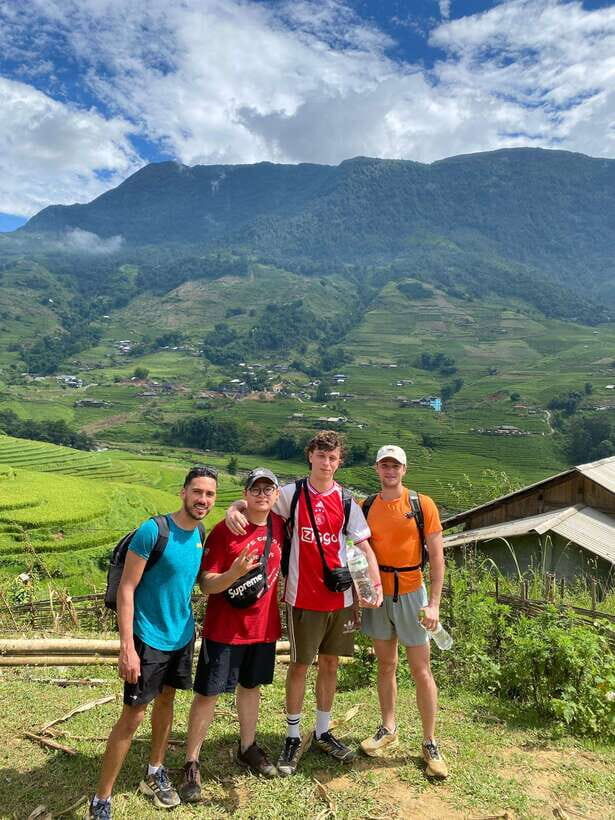
- Local guides with clear English who can explain what you’re seeing as you walk.
- Cat Cat Village plus Sin Chai for an early taste of Sapa’s community life.
- Ta Van homestay night in a dorm-style setting with hearty, shared-meal energy.
- Rice fields and forest paths on Day 2 and Day 3, with options for harder routes.
- Practical pacing: enough time to explore villages without sprinting all day.
- Sleeping bus in both directions so you trade time in transit for more time in the highlands.
Sapa in three days: what this Dong Bac trek really feels like

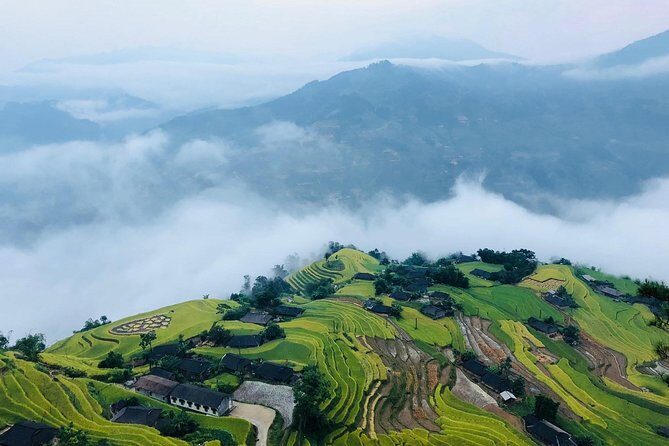
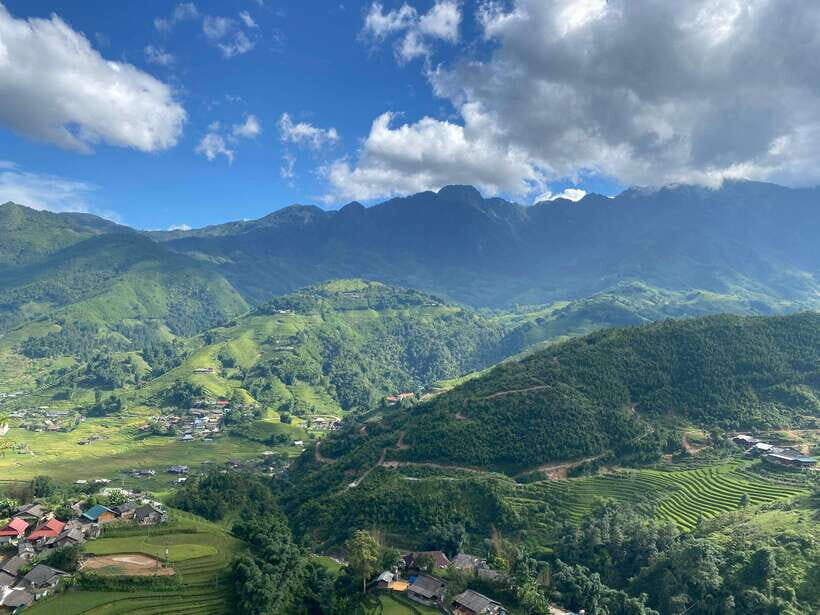
This is one of those trips where the schedule looks simple, but the experience adds up. You get a mix of walking (including stretches through farmland and forest), cultural stops in multiple villages, and at least one night where you’re not insulated from local life. The payoff is seeing how everyday routines connect to the terrain—paths, fields, and hillside houses all shape the way people live.
The walking distance per day is reasonable on paper, but conditions in Sapa can change fast. Mud is common in cooler months, and your pace depends on how often you stop for photos and how the group is spread out. If you want a “show me the views” trip with culture baked in, this hits that sweet spot.
The “value” part is that you’re not just paying for transport and beds. You’re paying for a guided flow through several villages, entrance tickets to the included sights, and two full meals days built around the homestay and lunch breaks.
You can also read our reviews of more hiking tours in Hanoi



Day 1: Hanoi to Sapa, then Cat Cat and Sin Chai

Day 1 starts early. You’re picked up in Hanoi Old Quarter, then head to Sapa via the Noi Bai–Lao Cai highway. You’ll have a break around Lao Cai City and arrive in Sapa in time for lunch in town—so you’re not spending your first hours stressed about timing.
After lunch, you head toward Cat Cat Village. Here you get a structured taste of local life, plus a visit to a waterfall area and the historic Hydraulic Power Station. That combination matters because it gives context for why villages developed where they did. You’ll also see the famous costuming and daily scenes that Cat Cat is known for.
Then it’s on to Sin Chai Village, with time to explore and get oriented to the region. You’ll head back to Sapa town for dinner, with free time afterward. This free time is useful for getting warm, grabbing supplies, or just resting your legs before the real trekking starts the next morning.
One practical note: Cat Cat can feel more “touristy” than the smaller villages you visit later. If you’re sensitive to shop stops, keep your expectations clear and focus on the scenery, the falls, and the village atmosphere rather than expecting a quiet, off-the-grid feel.
Day 2: Y Linh Ho to Lao Chai, then Ta Van homestay night
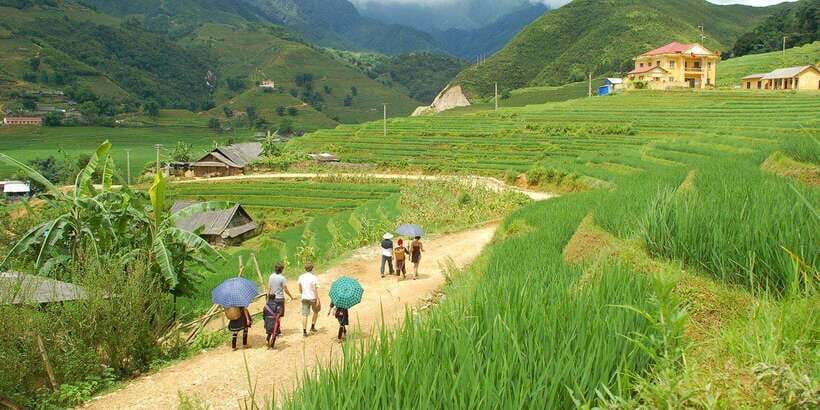
Day 2 is where the trip shifts gears from sightseeing to hiking. You start with breakfast, then begin a trek that moves from Y Linh Ho village toward Lao Chai. The route is described around 6 km to Y Linh Ho and about 3 km onward to Lao Chai, with lunch served later.
This is the day you’ll feel the altitude and the terrain most. The best moments are often the in-between ones: the paths that cut through farmland, the views as you crest small rises, and the way the guide points out everyday details you’d otherwise miss. Some groups are taken on higher, more scenic routes (think rice-field paths and forest segments), while other routes can be more direct. Either way, your guide will shape the experience around the group’s pace.
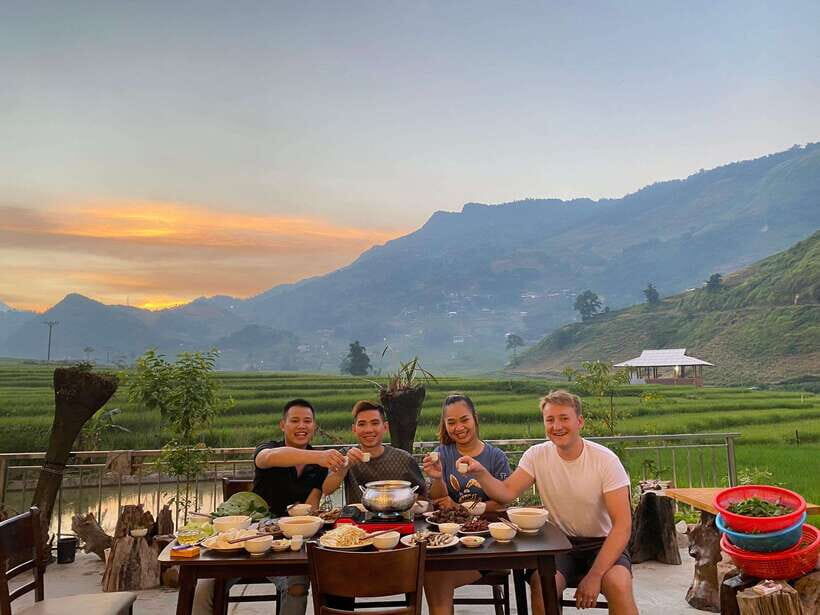
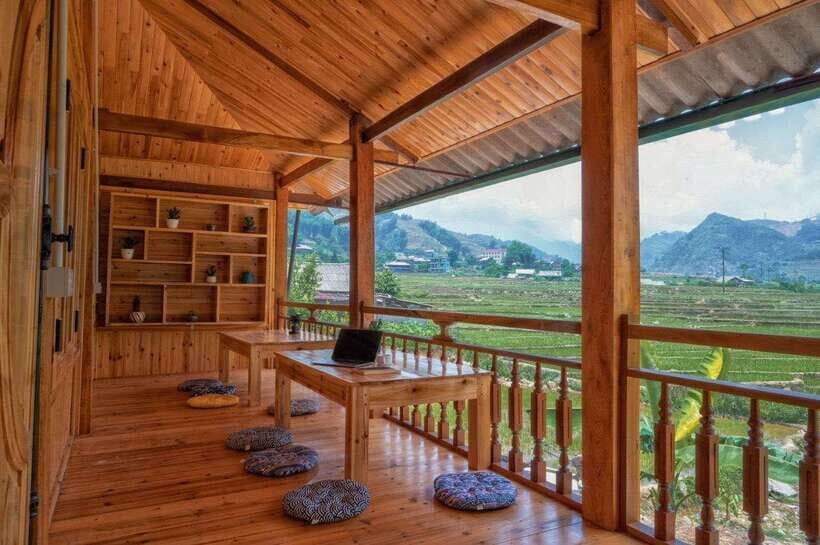
Lunch is at Ta Van village, and then you check in to the homestay. This stay is dorm-style rather than a hotel room setup, and the vibe is more backpacker-real than luxury. Still, the homestay experience gets big praise because it feels welcoming and gives you that real “you’re staying with people, not just renting a bed” feeling. Expect simple comfort and meals that are filling and straightforward.
In the afternoon, you’ll visit local villages again before returning to the homestay for dinner and another night in Ta Van. Dinner with a group in a homestay setting can be noisy in a fun way—less like a restaurant meal and more like sharing energy after a day on your feet.
Day 3: Giang Ta Chai (Red Dao) and Supan, then the ride back to Hanoi
Your final morning starts at the homestay with breakfast, then you head out early for village visits. You’ll go to Giang Ta Chai Village and Supan Village, then trek to Giang Ta Chai—around an 8 km walk depending on how the route is planned and paced.
This day stands out because you get another layer of cultural context while still doing real walking. One specific detail you should care about: Giang Ta Chai is connected with Red Dao community life, so the guide can focus on how traditions connect to the landscape and daily routines you’re observing. You’ll likely spend time watching and learning, not just passing through.
After the morning hike, lunch and rest take you to the afternoon pickup window in Sapa. You’ll then board a car back to Sapa, catch the bus back to Hanoi, and arrive in the evening. The timing is built so you end with a sleep-on-the-way experience rather than spending the whole day in transit.
If you’re the kind of traveler who needs a “buffer” day, note that Day 3 is still a hiking day. The benefit is that you don’t waste your time back in town before heading home.
Price and value: what $98 really covers (and what can change)
At around $98 per person for 3 days, the big value comes from the bundle: sleeping bus Hanoi–Sapa–Hanoi, an English-speaking guide for the Sapa portion, 1 night in a 3-star Sapa hotel (shared, typically two people per room), 1 night in a Ta Van homestay dorm, and meals. You also get entrance tickets included as per the schedule.
That matters because many Sapa trips charge extra for the guide, tickets, or the homestay experience. Here, the cost is packaged. The tradeoff is that the first hotel is described as basic/functional by some people, so don’t book expecting a spa-style stay.
Two pricing considerations that can affect your final cost:
- A holiday surcharge of 40% applies during key periods (especially Tet), including 29 April to 1 May.
- If you travel solo, there can be a single supplement of 400,000 VND unless the operator can pair you with another solo traveler for room sharing.
If your travel dates fall outside holiday peaks and you’re okay with simple accommodations, the $98 price looks like a fair deal for a guided, multi-village trek with homestay.
You can also read our reviews of more tours and experiences in Hanoi



Transportation reality check: the sleeper bus experience
The trip uses a sleeping bus with modern facilities for the Hanoi–Sapa–Hanoi route. On paper, that’s a smart way to save daytime hours.
In practice, comfort can vary. Some people felt the bus was surprisingly cramped or narrow on parts of the route, and a few described it as crowded—especially on the outbound direction. On the other side, others described the sleeper bus as cosy and comfortable enough that they barely noticed the journey. That tells me you should be flexible.
If you’re tall or very sensitive to cramped seating, consider packing for comfort: a scarf or thin blanket for temperature swings, plus snacks and water for when hunger strikes before meals. Also, expect early pickups. Your first day starts with a morning departure, and the whole schedule assumes you’re ready to roll.
Guides make the trip: English, local insight, and real personality

This is one of those tours where the guide is not a bonus. It’s the product.
The standout theme is guides with strong English and real local context. Names that came up often include Pang, Ku, Cheng, Khu Ly, Thao thi sò, Sao, Phin, Zinh, Cha, and Peng. What people liked wasn’t just the language. It was the way guides explained what you were seeing—how daily life works, what the village offers, and how to read the terrain as you walk through it.
Some guides are from nearby villages and can bring an intimate feel to the walk. One example described a guide living in Lao Chai, with the trek passing near her house. You might get moments like that, where the route feels personal rather than scripted.
The best guides also manage the group. They keep things relaxed, answer questions patiently, and guide you along the route that matches the group’s comfort. If you care about understanding the culture instead of just collecting photos, you’ll appreciate the extra effort guides put into explanation.
What to pack and how to plan for cool, muddy trails
Sapa can be cold and misty, even outside the hottest months. If you’re traveling in winter-like conditions, bring layers you can adjust, plus a hat. One solo traveler pointed out that warm clothing shops are common locally and inexpensive, but it’s easier if you arrive prepared.
Footwear matters. Some people specifically recommended rain boots because the trekking area can be muddy. If you don’t have boots, at least bring shoes with good grip and expect your feet to get wet.
A few “small” items make a big difference on Day 2 and Day 3:
- A light daypack for water and snacks
- A windproof layer
- A small towel or wet wipes for post-walk cleanup
- A phone battery pack for photos (your trekking stops will tempt you to shoot nonstop)
If you’re prone to blisters, treat your feet before you start. It’s the easiest way to keep the hike enjoyable.
Accommodation reality: Sapa hotel vs Ta Van homestay expectations
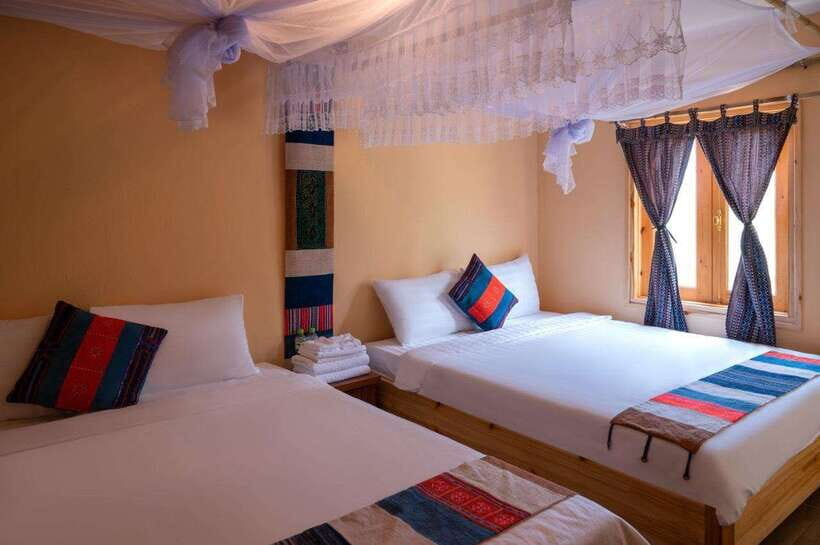
You’ll sleep one night in a shared room in a 3-star hotel in Sapa town. The rooms are described as clean and functional, but don’t expect fancy features. Some people noted minor issues like maintenance-type problems, and a couple said the hotel may not have strong heating.
Then you switch to the Ta Van homestay dorm setup. This is more rustic. Think simple bedding, shared spaces, and a mountain-community feel. People praise the homestay for being welcoming and for the overall experience—especially the views and the vibe of eating together.
Also, homestay food is usually decent and filling, but a few people mentioned it can feel repetitive meal-to-meal. That’s normal for a tour schedule. If you have strong dietary restrictions, you should check with the operator in advance, since the provided info only says meals are included—not that they can customize heavily.
Who should book this trip (and who might not love it)
This works best for you if:
- You want a short, guided trek that includes multiple village stops in one package
- You like meeting communities and listening as you walk
- You’re okay with simple accommodations in exchange for a genuine homestay night
- You’re traveling as a couple, group of friends, or solo traveler who’s fine mixing with others
You might want to skip or rethink if:
- You hate group schedules and prefer total freedom
- You expect a quiet, off-the-grid route without tourist areas (Cat Cat can be busy)
- You want a hotel comfort level for both nights
- You’re very sensitive to cramped transport
It’s not a “hardcore trek” itinerary, but it does take effort. If you’re the type who enjoys walking for the views and the stories, this is a strong match.
Should you book this Hanoi to Sapa trek and stay?
I’d book it if your goal is a guided taste of Sapa that doesn’t stop at one viewpoint. The combination of English-speaking local guides, village walking on two mornings, and a real Ta Van homestay night gives you the kind of trip that feels grounded, not staged.
I’d hesitate if you need maximum comfort and quiet. Between group movement, a basic first hotel, and a homestay dorm setup, you’re trading some comfort for authentic access. You also want to plan for cool weather and mud risk.
If you go in with the right mindset—good shoes, layers, and curiosity—you’ll likely come away feeling you understood more than just the scenery.
FAQ
What is the starting point in Hanoi?
Pickup is included from hotels in the Hanoi Old Quarter. If your hotel isn’t in the Old Quarter, you’ll need to go to the office at 54 Hang Tre, Hoan Kiem, Hanoi.
Where does the tour take place?
The tour is in the Dong Bac area of Vietnam, around Sapa highlands and nearby villages.
How long is the experience?
It’s 3 days.
What’s included in the price?
The package includes a sleeping bus ticket Hanoi–Sapa–Hanoi, an English-speaking guide during the Sapa portion, 1 night in a 3-star hotel in Sapa town (shared room, two people per room), 1 night in a Ta Van homestay (dorm room), meals (3 lunches, 2 dinners, 2 breakfasts), and entrance tickets as per the itinerary.
Are the guides English-speaking?
Yes. The guide during the Sapa portion speaks English.
What kind of room will I have in Sapa town and in the homestay?
In Sapa town, you have a shared room in a 3-star hotel (shared, typically 2 people per room). In Ta Van, it’s a homestay dorm-room style setup.
What should solo travelers expect?
A single supplement of 400,000 VND applies to solo travelers. If the operator finds another solo traveler, they may offer room-sharing to waive the supplement if you agree.
Is there a holiday surcharge?
Yes. A public holiday surcharge of 40% of the total tour price applies, especially during Tet, including 29 April to 1 May.
Can I cancel for a refund?
Yes. Free cancellation is available up to 24 hours in advance for a full refund.
What’s the best way to handle cold or muddy conditions?
The trek involves walking through areas that can get muddy, so plan for proper footwear and bring warm layers for cool weather.