REVIEW · HANOI
Vietnamese Vegetarian Cooking Class in Hanoi
Book on Viator →Operated by Apron Up Cooking Class · Bookable on Viator
A good cooking class starts before you touch a knife. This one begins at a local market, so you see what seasonal herbs and vegetables actually look like in Hanoi. Then you move into the kitchen with a private guide, which keeps the pace friendly and the teaching focused.
I really like that it’s built around a true vegetarian Vietnamese menu, not side dishes and compromises. And I love that the class wraps with a 5-course meal you cook yourself, guided by instructors such as Coco, who gets called out for being warm, informative, and low-pressure.
One thing to consider: if you’re very strict about kitchen hygiene or separation, ask how the kitchen handles meat preparation. One unhappy review specifically raised hygiene concerns and mentioned meat being cooked by other participants.
In This Review
- Key highlights at a glance
- Market-to-kitchen: how this Hanoi class actually flows
- What you’ll cook: the vegetarian dishes and the skills behind them
- Your 5-course meal: rice wine, rice vodka, and eating what you made
- Timing and meeting point: choosing the right session in Hanoi
- Price and value: what $60 buys you (and why it can be worth it)
- Hygiene and diet fit: the question you should ask before you go
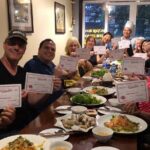
- Take-home extras: cookbook, certificate, and what you’ll remember
- Who should book this Vietnamese vegetarian class in Hanoi?
- Should you book this class? My honest take
- FAQ
- Is this a private tour or activity?
- How long is the Vietnamese vegetarian cooking class?
- Where do I meet for the class?
- What times are the daily classes offered?
- Is hotel pickup and drop-off included?
- What dishes will I make?
- What meals and drinks are included?
- Do I get anything to take home?
- What is the cancellation policy?
Key highlights at a glance
- Market shopping first so you understand the ingredients before the cooking starts
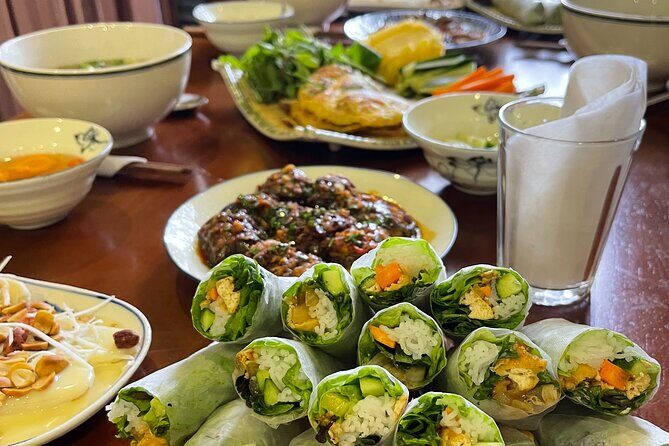
- 5 traditional vegetarian dishes with hands-on instruction
- A full 5-course meal paired with rice wine and rice vodka
- Private guide format with small-group attention
- Take-home extras including a cookbook and a certificate
Market-to-kitchen: how this Hanoi class actually flows
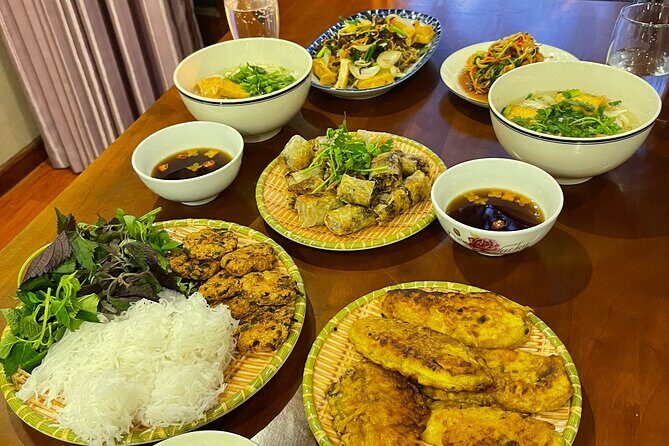
This experience is set in the heart of Hanoi, with the meeting point at 8 P. Gia Ngư, Hàng Bạc, Hoàn Kiếm. The timing options matter because this is meant to fit into your day, not steal it. Classes run at 9:00 am, 11:30, 4:00 pm, and 6:30 pm, and the session runs about 3 hours 15 minutes.
What I like about the setup is the sequence. You start by shopping with your guide for seasonal ingredients. That does two practical things for you. First, you’ll know what to look for later if you try Vietnamese cooking at home. Second, when you’re chopping and stir-frying, the ingredients stop being mysterious. They become familiar.
Then you head back to the kitchen and cook your way through the menu. It’s hands-on, not a watch-only show. You’re also not left hanging after class—this isn’t just a snack and a pat on the back. You eat together as part of the experience, which makes it feel like a real meal with a story behind it.
If you’re staying in the Old Quarter area, you’ll probably find the meeting point easy to reach. The activity is also noted as near public transportation, which helps if you don’t want to rely on taxi rides.
You can also read our reviews of more cooking classes in Hanoi
What you’ll cook: the vegetarian dishes and the skills behind them
The centerpiece here is making five Vietnamese vegan and vegetarian dishes. The goal isn’t just to taste Vietnamese food—it’s to learn the techniques behind it.
You can expect classic, recognizable dishes tailored for a meat-free menu. The most specifically mentioned items include:
- Vegan Pho (so you’ll learn how a vegetarian pho flavor profile is built)
- Vegan Banh Xeo (a savory Vietnamese pancake with filling and folding technique)
- Stuffed aubergine (eggplant prepared as a hearty, satisfying dish)
From a value standpoint, that dish mix is smart. Pho and banh xeo teach you how Vietnamese food balances broth and herbs, plus how textures are layered. Stuffed aubergine helps you learn cooking that’s not just “sauté and serve”—it forces you to handle stuffing, seasoning, and proper cooking so it doesn’t come out watery or under-seasoned.
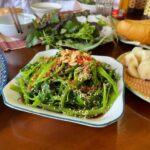
Also, because the class is vegetarian-focused, you’ll likely be working with the kinds of ingredients that make Vietnamese vegetarian food feel complete rather than like a workaround. Expect herbs, fresh aromatics, and seasonings that are central to the cuisine, not optional extras.
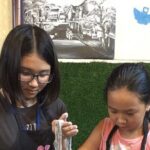
A helpful detail: you’ll do all of this with a private guide. In cooking classes, that matters because you can ask questions right when something feels off—cut size, sauce balance, folding, or cooking time.
Your 5-course meal: rice wine, rice vodka, and eating what you made
This class doesn’t treat the meal as an afterthought. You end up with a 5-course breakfast, lunch, or dinner option depending on the session you pick. The experience includes plenty of food beyond the main dishes, with snacks, coffee and/or tea, and the core meal components.
The drinks component is part of the fun. You’ll have rice wine with the meal, and you’ll also enjoy Vietnamese rice vodka during the experience. That pairing matters if you’re curious about how Vietnamese meals work socially—food and drink are part of the same rhythm, not separated into a strict “cook first, eat later” timeline.
One more practical benefit: since you cook the dishes, you’ll know what you like. If you find one recipe clicks—pho flavors, banh xeo crisp edges, or the comfort of stuffed eggplant—you’ll have a clearer idea of what to recreate at home.
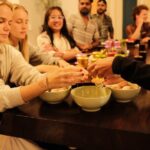
You also get to sit down and eat together with your group at the end, which helps the class feel like a shared experience rather than a rushed kitchen lesson. For many people, that’s where the “I got value out of this” feeling lands.
Timing and meeting point: choosing the right session in Hanoi
Because the class can start at multiple times, you can plan it around how you travel. Each session is about 3 hours 15 minutes, and it runs from the meeting point back to the same meeting point.
If you like mornings, the 9:00 am slot works well as a start anchor. It can also be a good choice if you’re walking around the Old Quarter afterward and want a food-focused activity early. The 11:30 am slot can function like a late morning meal plus cooking lesson.
If your day is already packed with museums or lakeside strolls, the 4:00 pm slot is often a sweet spot. You’ll still have energy for evening plans, and you won’t feel like you lost your entire afternoon to the kitchen.
The 6:30 pm slot suits travelers who prefer an evening meal experience. You’ll cook, then eat in a more relaxed way, which tends to match Hanoi’s evening pace.
Practical tip: because there’s no hotel pickup and drop-off, plan to arrive at 8 P. Gia Ngư, Hàng Bạc, Hoàn Kiếm under your own steam. The class is near public transportation, so you might find it easier to hop off a nearby route than to coordinate a specific pickup.
Price and value: what $60 buys you (and why it can be worth it)
At $60 per person, this isn’t a bargain-bin class. But it also isn’t a short tasting tour. For the money, you’re getting:
- Market shopping with a local guide
- Cooking 5 vegetarian dishes hands-on
- A 5-course meal (breakfast, lunch, or dinner depending on the session)
- Rice wine and rice vodka
- A cookbook and certificate
- Coffee/tea plus snacks during the experience
That combination is where the value comes from. In many cooking classes, you pay mostly for the meal or mostly for the cooking. Here, you’re paying for both, plus the ingredient education at the market.
One small sign that this is a popular format: it’s typically booked about 12 days in advance on average. That doesn’t mean you can’t find space last minute, but it does suggest the good times fill.
If you’re the type who loves structured food learning—shopping, technique, and then sitting down to eat—you’ll likely feel the cost is fair. If you’re only looking for a quick meal and zero cooking, you might find this more effort than you want.
You can also read our reviews of more tours and experiences in Hanoi


Hygiene and diet fit: the question you should ask before you go
I’m glad you have eyes open on this. A vegetarian cooking class should feel like a safe, comfortable fit for your values and your stomach.
There’s one major concern from a low-rating review: it flagged hygiene issues and mentioned that the group being handled included participants cooking meat. That doesn’t automatically mean your class will be like that, but it is a legitimate question worth asking.
Before booking, message the provider and ask two simple things:
- How is hygiene handled and how are surfaces kept clean during class?
- If you’re in a vegetarian-focused group, is there meat cooked at the same time, or are ingredients prepared separately?
This is also where being vegetarian-precise matters. Even when a class is vegan/vegetarian themed, kitchens can be shared spaces. If you’re sensitive to cross-contamination or you just want reassurance, don’t wait until day-of to ask.
Balance check: the overwhelming rating is very high, and the experience is clearly fun and well-run for many people. But one caution is enough to justify sending a quick message so you feel confident before you commit your time and money.
Take-home extras: cookbook, certificate, and what you’ll remember
This is the kind of class that tries to make you better, not just fed. You’ll leave with a cookbook and a certificate, which is a nice confidence boost if you’re someone who wants a souvenir that’s actually useful.
What’s useful about a cookbook here is that it can help you recreate what you cooked. Since you’re shopping for ingredients first and cooking Vietnamese favorites second, the recipes are likely tied to what you saw at the market. That makes it easier to find ingredients later in Vietnam or at home, depending on what’s available where you live.
Also, when a guide is singled out like Coco is, it usually comes down to communication. People notice when explanations are clear and when the atmosphere is supportive. In a hands-on class, that makes a big difference between feeling stressed over a pan and feeling proud of what you made.
Who should book this Vietnamese vegetarian class in Hanoi?
This experience is a great fit if you want more than a food tasting. It’s ideal for:
- People who like learning by doing
- Vegetarians and vegans who want real Vietnamese dishes, not just salad-adjacent versions
- Anyone traveling with mixed skill levels, since one review specifically called out that it works for novices and more experienced cooks
- Travelers who enjoy market visits and want to understand seasonal ingredients
It might be a tougher fit if:
- You’re extremely picky about kitchen hygiene separation and need strong assurances about meat handling
- You only want a brief food sample without cooking
- You’re not interested in drinking components like rice wine/rice vodka (they are part of the experience included)
The private format can also be a plus. Being private means your group participates together rather than getting mixed into a larger crowd. It usually keeps the experience more comfortable, especially in a kitchen setting.
Should you book this class? My honest take
Yes—if you want a hands-on, ingredient-forward way to learn vegetarian Vietnamese cooking, this is a strong pick for Hanoi. The market start, five-dish cooking, and full 5-course meal with drinks create a complete package, not a short performance.
But book with one smart step: ask about hygiene and whether meat is cooked nearby at the same time. That single question can protect your comfort level and help you enjoy the class without worrying in the background.
If you’re looking for authentic, practical food learning in a short window, this fits. With a private guide, a meal you helped make, and take-home materials, you leave with skills you can actually use again.
FAQ
Is this a private tour or activity?
Yes. It’s described as a private tour/activity, meaning only your group participates.
How long is the Vietnamese vegetarian cooking class?
The duration is about 3 hours 15 minutes.
Where do I meet for the class?
The meeting point is 8 P. Gia Ngư, Hàng Bạc, Hoàn Kiếm, Hà Nội, Vietnam. The activity ends back at the same meeting point.
What times are the daily classes offered?
Daily classes start at 9:00 am, 11:30 am, 4:00 pm, and 6:30 pm.
Is hotel pickup and drop-off included?
No. Hotel pickup and drop-off is not included.
What dishes will I make?
You’ll make five traditional Vietnamese vegan and vegetarian dishes, including vegan Pho, vegan Banh Xeo, and stuffed aubergine (plus additional vegetarian dishes not named in the summary).
What meals and drinks are included?
The experience includes breakfast or lunch or dinner (depending on your session), plus snacks, coffee and/or tea, and alcoholic beverages including rice wine and rice vodka.
Do I get anything to take home?
Yes. You receive a cookbook and a certificate.
What is the cancellation policy?
You can cancel for a full refund up to 24 hours in advance. Free cancellation is available, and cut-off times are based on local experience time.