REVIEW · HANOI
Sapa – Bac Ha Trek Tour – Night Train & Bus & Homestay overnight
Book on Viator →Operated by Go Asia Travel · Bookable on Viator
A night train through northern Vietnam sets the mood fast. This Sapa to Bac Ha trek is a hassle-light way to walk Sapa Valley with a local English-speaking guide, then finish with a private day around Bac Ha. I especially like how it strings together village-to-village trekking (Cat Cat, Lao Chai, Ta Van, Giang Ta Chai) without you having to arrange beds or meals. I also like the focus on real ethnic-minority life, not just viewpoints, with stops tied to everyday routines and community spaces. One thing to think about: the walks can be long, and the operator flags a 9 km stretch as too risky for older travelers, especially if rain hits.
The rest of the logistics are handled in a sensible way. You start at a set meeting point in Hanoi, take an overnight train from Hanoi toward Sapa, and then get picked up to reach Sapa in the early morning. From there, your trek days move from terraced rice and stream valleys to a homestay night, ending at Bac Ha’s Sunday market. That small-group size (up to 15) also matters because you’re not just herded along.
In This Review
- Key Things I’d Plan Around
- From Hanoi to Sapa: The Overnight Train Setup That Saves You Time
- Cat Cat and Lao Chai: Village Trekking With Water Sounds and Terraces
- Ta Van Homestay Overnight: Where Your Comfort Level Gets to Be Real
- Day Two Village Hops: Bamboo Forests and Rice Terraces Around Giang Ta Chai
- Bac Ha Sunday Market and Hoang A Tuong’s Castle: The Day That Changes the Vibe
- Price and Value: What $54.20 Usually Covers (and What It Doesn’t)
- Small Group Size: Why Up to 15 People Feels More Personal
- What to Pack for Sapa Walking Days (Cold, Fog, and Slippery Surprise)
- Who Should Book This Sapa to Bac Ha Trek, and Who Should Skip It
- Final Verdict: Should You Book?
- FAQ
- Is the tour price truly per person, and what’s included?
- How does the overnight part work from Hanoi to Sapa?
- Where do you stay during the trek night?
- What food is covered during the 3 days?
- What’s the big must-know about Bac Ha market day?
- What should I pack for Sapa weather?
- Can I cancel for a full refund?
Key Things I’d Plan Around
- Overnight train transfer: Hanoi to Sapa is built in so you gain a full day for walking.
- Ta Van homestay reality check: shared room or single mattress, plus a public bathroom.
- Sunday timing for Bac Ha market: Bac Ha market happens on Sunday morning only.
- Private Bac Ha time: Bac Ha is done with a private car and guide, not a crowded scramble.
- Cold-weather and fog prep: Sapa can be chilly with winter fog, so pack warm layers.
From Hanoi to Sapa: The Overnight Train Setup That Saves You Time

This tour’s biggest practical win is how it starts at night. You meet at 160 Đ. Trần Quang Khải in Hanoi, then head to the station for an overnight train (one of SP1/SP2/SP3) departing at 21:30. The payoff comes in the morning: around 5:00, a driver picks you up at Lao Cai Station and transfers you about 40 km to Sapa.
Why I like this: it’s the difference between arriving in Sapa feeling wrecked, or arriving early enough to do something meaningful. You’re not wasting your daylight on travel. You also get that slow-travel vibe that northern Vietnam does well—train windows, cooler air, then suddenly terraced hills.
One note to keep your expectations realistic: Sapa weather is unpredictable. Even if your schedule is tight, you can still get fog or rain depending on the season, so your plan should be “walk, adapt, and stay warm,” not “everything will be perfect.”
You can also read our reviews of more evening experiences in Hanoi



Cat Cat and Lao Chai: Village Trekking With Water Sounds and Terraces
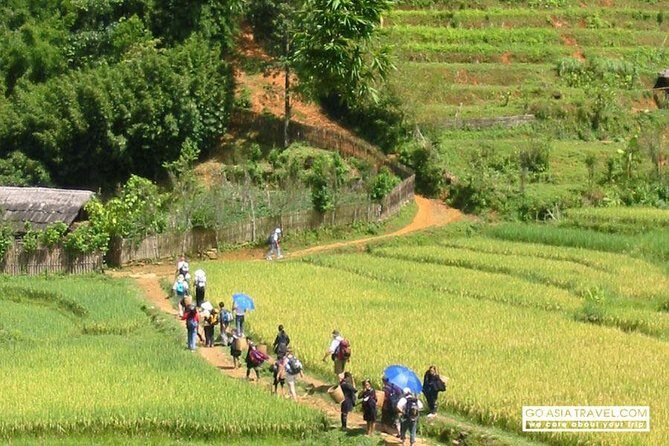
Once you arrive, the rhythm changes to trekking. After breakfast at your hotel, you pack a light bag and set out for a short trek to Cat Cat village with a local H’Mong guide. The walk is about 3 hours, and it’s designed as a first taste of the Muong Hoa area.
Cat Cat is worth your time for a few reasons. First, it’s home to the Black H’Mong, which keeps the focus on community life rather than just scenery. Second, the area includes water features—there’s mention of a waterfall and the Muong Hoa stream—so you get that constant background sound and the feeling of being inside the valley. And yes, there’s also a historical stop: you can see a hydroelectric power installation from French-era times, plus local schools in the area.
Then comes the Lao Chai section. You trek through or along Lao Chai village, again associated with Black H’Mong people. You’ll be walking through the Muong Hoa valley area, with the stream and the foot-of-mountain setting shaping the route. Expect terraces to appear as the walking continues—this is the kind of Sapa day where the views change every turn, even when clouds roll in.
The one drawback here is also the most honest one: you’re doing real walking. The tour isn’t “easy stroll only.” If you’re not used to uneven paths, take it slow early, because legs feel it later.
Ta Van Homestay Overnight: Where Your Comfort Level Gets to Be Real
Night one isn’t a hotel. You’ll sleep in Ta Van at a homestay, which is described as very basic and simple compared to standard lodging. You’ll stay in a shared room or on a single mattress, and you’ll use a public bathroom.
That sounds rough on paper, but it’s exactly why homestays can be valuable. This is where the trek stops feeling like a checklist and starts feeling like daily life. You’re in the valley with a local family setting the rhythm, and it’s the part of the trip where cultural learning tends to happen naturally—through conversation, routines, and small moments (even when language is a bit of a puzzle).
Practically, you’ll want to plan for cold. The operator is clear: bring warm clothes, scarves, and hats/caps. Sapa can be cold from around September through March, and altitude can also mean fog in those colder months. If you’re the kind of traveler who runs cold at night, pack like it’s going to be colder than you want.
If you travel with food needs, there’s a small mercy: a vegetarian option is available if you tell them at booking.
Day Two Village Hops: Bamboo Forests and Rice Terraces Around Giang Ta Chai
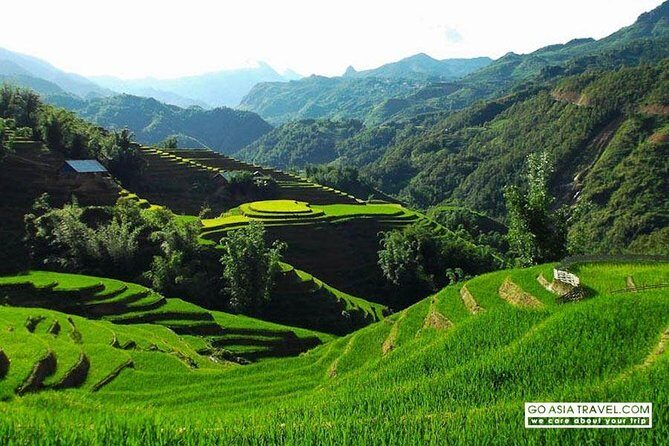
After the first homestay night, day two keeps you walking, but in a way that feels more like connecting communities than ticking sites. One key stop is Giang Ta Chai village, home to Red Zdao, Zday, and Black H’Mong living together. The point here isn’t just who lives where. It’s that you get to see how these groups share space and landscape in close proximity.
The walk at Giang Ta Chai is about 2 hours, and the descriptions emphasize bamboo forest and rice terraces, plus views over the Muong Hoa valley. This kind of timing matters: you’re not just seeing villages from the road, you’re moving through the area long enough to feel the slope, the paths, and the way the valley opens up.
Day two also includes staying with your host at the homestay again. That’s important for two reasons. One, it reduces the pressure to manage transport mid-trek. Two, it gives you time to settle in with the family instead of arriving, eating, and rushing off again.
Bac Ha Sunday Market and Hoang A Tuong’s Castle: The Day That Changes the Vibe

By day three, the trip shifts from trekking trails to a market-and-culture day in Bac Ha. The big timing detail: Bac Ha market only happens on Sunday morning. If you’re booking for another day of the week, you’ll want to confirm what your operator does instead, because this market visit is a core part of the experience.
The market itself is described as a place where locals exchange goods in an older, traditional style and also in more modern ways. You’ll see trading patterns centered on practical items—pigs, hens, souvenirs—along with other everyday products. It’s one of those places where you can watch real commerce happen without anyone needing to perform for you.
After that, you visit Hoang A Tuong’s castle, described as the home of the king of the H’Mong people in the past. The tour frames it as the most luxurious residence for his family and a place associated with rule over H’Mong communities. It’s a short stop (about 30 minutes), but it gives you a historical anchor that contrasts with the homestay and market days.
Then you get a quieter walk nearby to Pho village, close to the market. The idea here is relaxation and daily life: peaceful roads, less hustle, and a gentler way to end the trip.
You can also read our reviews of more hiking tours in Hanoi





Price and Value: What $54.20 Usually Covers (and What It Doesn’t)
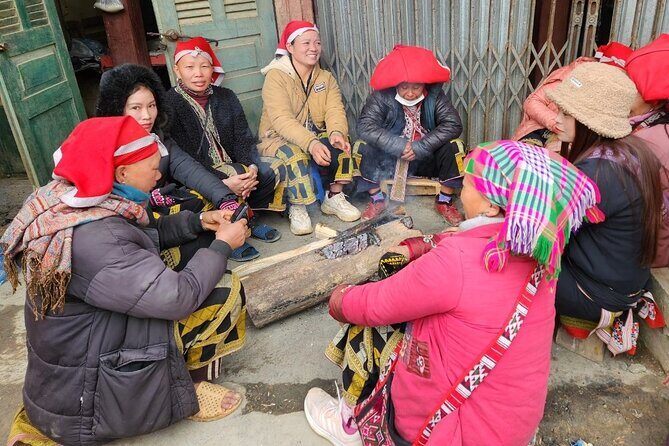
At $54.20 per person, this tour price can feel like a bargain for a multi-day trek plus overnight transfers. The reason it can work is that the “included” list is packed with the stuff that usually costs you money and time: an overnight train, transfers between Hanoi, Lao Cai, and Sapa (bus/limousine depending on your option), a local English-speaking guide, homestay lodging in Ta Van, and multiple meals.
Included meals are meaningful here. You get breakfasts (3) and lunches (3), plus dinner. Entrance fees in Ta Van and for Hoang A Tuong’s palace/castle are included too. There’s also a listed government tax of 8%, which reduces the risk of surprise add-ons.
What’s not included is also clear: drinks, travel insurance, personal expense, and single supplement. So if you drink a lot of bottled water, snack constantly, or need a single room, budget those extras. Also, keep a little cushion for health needs since the operator recommends bringing medicine with you.
My rule for value trips: if the tour handles transport, food, and lodging, you should spend your brain power on the actual day—walking well, staying warm, and asking questions. This one gives you that chance.
Small Group Size: Why Up to 15 People Feels More Personal
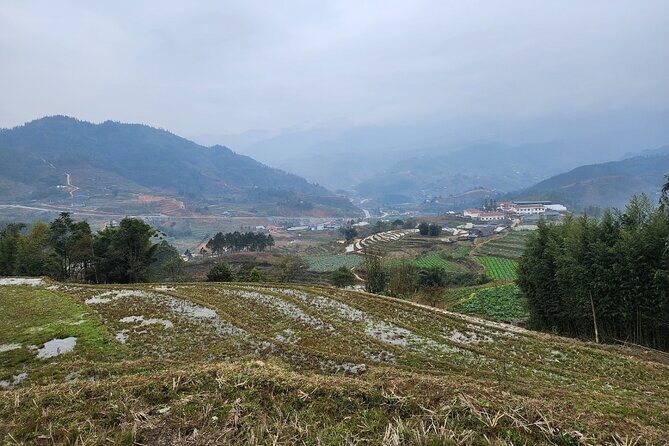
The tour limits the group to up to 15 travelers. That’s not “tiny,” but it’s also not the kind of massive group where you lose your guide in a crowd. With a trekking route, smaller groups tend to move better on uneven paths and adapt faster when weather changes.
You also get an English-speaking guide in Sapa, and the operator notes guides can change depending on the route. In practice, that means you should ask your guide what to expect for your exact walking conditions and what to prioritize that day—views, village time, or faster pacing.
The Bac Ha segment is even more private: it’s a private car and guide for the Bac Ha day. That’s a big quality difference from doing everything in a shared group vehicle.
What to Pack for Sapa Walking Days (Cold, Fog, and Slippery Surprise)
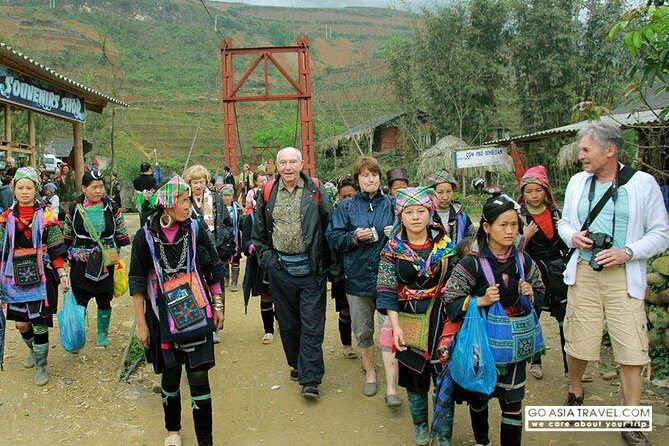
Sapa can fool you. The operator calls out unpredictable weather and cold in many months, plus fog during December through March due to altitude. So pack for the conditions you don’t control.
Here’s what the tour data explicitly recommends you bring:
- Warm clothes plus a scarf and hat/cap
- Trekking shoes (not just sneakers)
- Sun glasses and sun cream
- Insect repellent
- Cash in Vietnamese Dong, since banking in Sapa can be unreliable
- Credit-card-free backup: the operator notes US dollars, euros, and Australian dollars are accepted in Sapa
Also bring some basics for your body: the operator suggests bringing medicine even though chemist shops exist.
One more practical thought: if it’s rainy, your pack and shoes matter more than your attitude. Walk carefully, keep dry where you can, and accept that wet weather can make trails more challenging.
Who Should Book This Sapa to Bac Ha Trek, and Who Should Skip It
This tour suits you if you want a walk-focused Sapa experience with cultural stops and you’d rather avoid the headache of arranging transport and lodging. The daily rhythm is active but organized, and meals are mostly taken care of, so you can spend energy on the terrain and village interactions.
It may not suit you if:
- You’re older and not confident on long distances. The operator flags the 9 km trek as challenging and risky in rain.
- You have mobility concerns or require accessibility support. The operator says handicapped people and children under 6 should not attend.
- You expect hotel-standard comfort. Homestays are basic with public bathrooms.
In other words, this is a good fit for travelers with moderate physical fitness who can handle cold weather and uneven paths.
Final Verdict: Should You Book?
I’d book this if you want an efficient, guided Sapa Valley trek that includes your transfers, most meals, a real homestay night, and a strong finish at Bac Ha market on Sunday. The best part is how well the moving pieces fit together: you wake up in Sapa early enough to start walking, and you end with a market day rather than another “just another view” photo stop.
I’d hesitate if you’re very sensitive to cold, you don’t handle walking well, or you need hotel-level comfort. Homestays are part of the deal here, and the operator is upfront about simple facilities.
FAQ
Is the tour price truly per person, and what’s included?
The price is listed as $54.20 per person. Included items are transfers between Hanoi and Sapa (train and/or limousine bus depending on options), an English-speaking local guide in Sapa, homestay in Ta Van, a private Bac Ha car and guide, entrance fees in Ta Van and Hoang A Tuong’s palace, plus 3 breakfasts, 3 lunches, and dinner.
How does the overnight part work from Hanoi to Sapa?
You meet in Hanoi and take an overnight train (SP1/SP2/SP3) departing at 21:30. In the morning, a driver picks you up at Lao Cai Station around 5:00 and transfers you about 40 km to Sapa.
Where do you stay during the trek night?
You stay overnight at a homestay in Ta Van. The accommodation is described as basic, with either a shared room or single mattress, and you use a public bathroom.
What food is covered during the 3 days?
The tour includes 3 breakfasts, 3 lunches, and 1 dinner. Drinks are not included.
What’s the big must-know about Bac Ha market day?
Bac Ha market happens only on Sunday morning. The tour includes the Bac Ha market visit as part of day three.
What should I pack for Sapa weather?
Bring warm clothes, scarves, hats/caps, trekking shoes, sun glasses, sun cream, and insect repellent. Sapa weather can be unpredictable, and fog is possible in colder months (December through March).
Can I cancel for a full refund?
Yes, free cancellation is available. You can cancel up to 24 hours in advance for a full refund. If you cancel less than 24 hours before the start time, the amount paid is not refunded.




More Evening Experiences in Hanoi



More Tours in Hanoi
- Ninh Binh Full-Day Tour from Hanoi to Hoa Lu, Tam Coc & Mua Cave Via Boat & Bike
★ 5.0 · 4,384 reviews