REVIEW · HANOI
Sapa 3 Days 2 Nights Trekking Tour From Hanoi (2 Nights in Hotel)
Book on Viator →Operated by Vietnam Travel Top · Bookable on Viator
Sapa’s mountain air kicks in quickly. This 3-day, 2-night guided trek is built around Black Hmong village visits and a Muong Hoa river walk, so you get both scenery and local culture without burning all day on logistics. I like the Hanoi–Sapa transfers with pickup and drop-off, plus the comfort breaks that make the long drive feel manageable.
I also really like that most of your trip is handled for you: 2 hotel nights at The View Sapa (or similar) and a full set of included meals (2 breakfasts, 3 lunches, 2 dinners). It keeps you focused on the actual walking and village time, not hunting for food between rides.
One thing to consider: this area is weather-sensitive. If you’re going in winter months, expect cold and possible fog, and you should also be ready for the fact that day-to-day pacing can feel a bit intense with early starts and multiple transitions.
In This Review
- Key things that make this Sapa trek work
- What you’re really buying for $149
- From Hanoi to Sapa: pickup, sleeper-bus pacing, and comfort breaks
- Hotel base at The View Sapa: a comfortable reset between hikes
- Cat Cat village: Black Hmong culture near the valley of Fansipan
- Day 2: Muong Hoa river trek, rice terraces, and Ta Van village life
- The morning of Day 3: free time in Sapa or a Fansipan cable-car option
- Guides and group size: where the experience really depends
- What to pack (because Sapa weather loves surprises)
- How to handle luggage without stress
- Price and value: when it’s a good match and when it isn’t
- Should you book this Sapa 3 days / 2 nights trek?
- FAQ
- Where is the meeting point in Hanoi?
- How many nights and days are included?
- What hotel is included?
- Are meals included?
- Is there a guide and is English included?
- What should I bring for trekking and the weather?
Key things that make this Sapa trek work
- Cat Cat village: a Black Hmong stop near the valley base of Fansipan Peak, with a local guide to explain daily life
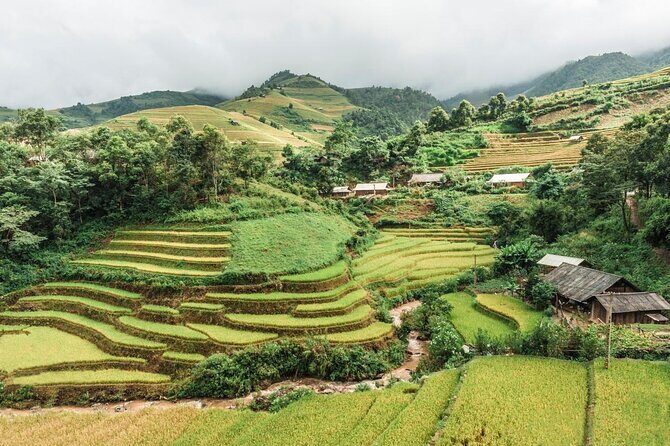
- Muong Hoa river walking day: rice-terrace trekking time that links Lao Chai and Ta Van villages
- Included meals and 2-night hotel: you’re not paying extra for every meal or scrambling for lodging
- English-speaking local guide in Sapa: names you might meet include Cat, Chang, Xi, Khu, Zi, and Vu, depending on the group
- Max 20 travelers: small enough for a real group feel, not a huge crowd experience
What you’re really buying for $149
At around $149 per person, you’re paying for more than a hike. You’re getting the core pieces that can make or break a Sapa trip: round-trip Hanoi–Sapa transport, a hotel room for 2 nights, a guided day in the villages, and most of the meals. When you add that up, the value comes from time saved and fewer decisions on the ground.
That said, it’s not a private, slow-moving tour. The schedule is structured with early starts, specific stop times, and trekking segments like Cat Cat (about 3 hours) and the main Day 2 walk (about 4 hours). If you want total flexibility, you’ll likely feel the edges; if you want a clear plan, it’s a good deal.
You can also read our reviews of more hiking tours in Hanoi



From Hanoi to Sapa: pickup, sleeper-bus pacing, and comfort breaks
Your day starts early with pickup from the Hanoi Old Quarter area—meeting point is 30 P. Lý Thái Tổ. Then you transfer to a larger bus and depart for Sapa. Along the way, there are comfort breaks, including one near Lao Cai city.
A big practical win here is that the long-haul part is handled as part of the package. You don’t need to coordinate bus companies, drivers, or timing. The transport is described as a modern air-conditioned bus with comfortable seats, and water is included for both directions.
One more real-world note: some people find sleeper-style seating cramped if you’re very tall. If that’s you, pack a neck pillow if you have one, and plan for a slightly awkward sleep. Also, remember you’ll be trekking the next day—so keep your first-day essentials reachable (light layer, water, and phone/charger).
Hotel base at The View Sapa: a comfortable reset between hikes
After you arrive in Sapa (you’ll typically reach around 13:00), you’re picked up from the bus station and taken to your hotel. You get a welcome drink and a quick briefing, which helps you get your bearings fast.
Your stay is 2 nights at The View Sapa Hotel (or similar) on a twin-sharing basis. That matters because Sapa weather can change quickly, and you’ll appreciate having a reliable base to shower, change, and dry out before the next trek segment. In the itinerary flow, Day 2 includes a return to Ta Van for showering and lunch timing, then back to Sapa for an afternoon on your own.
Included breakfasts and dinners are part of the deal. It’s not just convenience—food timing can affect how you feel while walking. With meals scheduled around trek days, you’re less likely to end up skipping lunch or grabbing something random when your energy is low.
Cat Cat village: Black Hmong culture near the valley of Fansipan
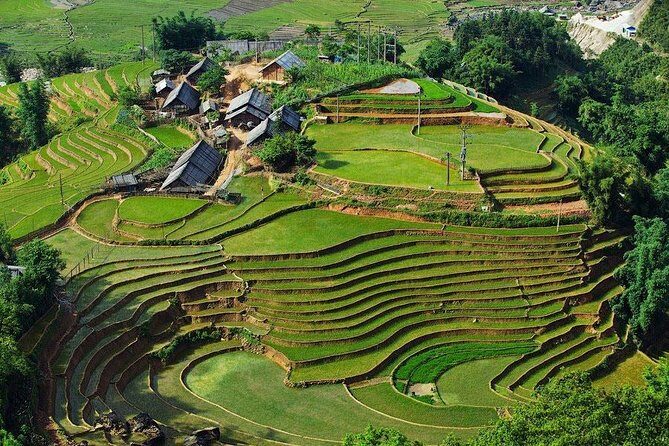
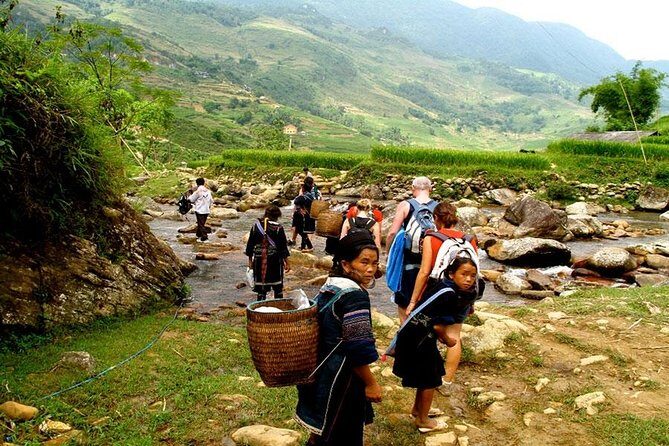
Day 1 shifts from riding to walking with a short drive to the gate of Cat Cat village. This stop is home to the Black Hmong community and sits near the bottom of a deep valley at the foot of Fansipan Peak.
Expect a guided experience that lasts about 3 hours. The value here is context: you’re not just taking photos. Your local guide in Sapa is there to explain what you’re seeing and help you connect the dots between terrain, village life, and traditional dress.
The only drawback is that Cat Cat is close to popular routes. That means it can feel more visitor-friendly than some deeper village areas. If your goal is pure “get lost” rural life, you may find Cat Cat a bit more structured. If your goal is a first taste of Sapa culture plus an easy on-ramp to trekking, it hits the right note.
Day 2: Muong Hoa river trek, rice terraces, and Ta Van village life
Day 2 starts with breakfast at your hotel between 08:00 and 08:30. You check out, pack light for trekking, and your larger luggage stays stored at the hotel. This is a smart setup, because trekking days feel easier when you’re not carrying heavy bags.
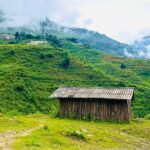
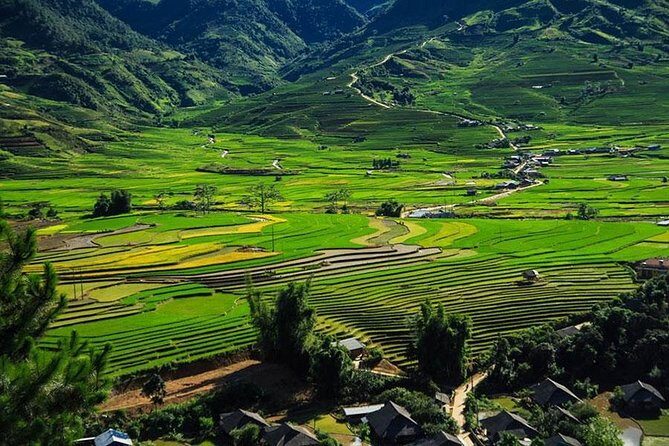
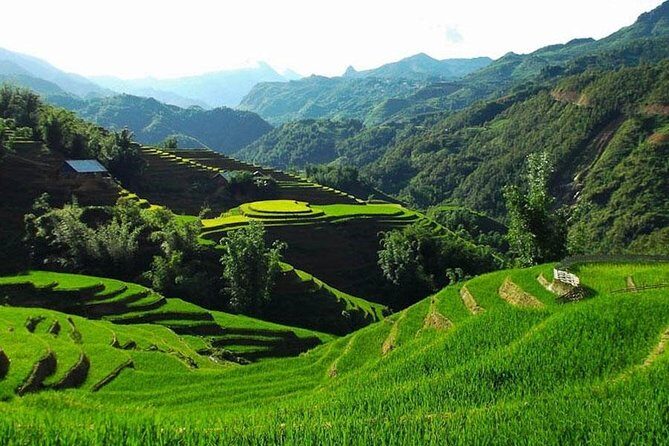
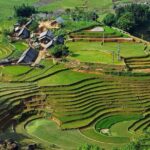
Then comes the main walking segment. You’ll trek through rice terraces and along the Muong Hoa Stream, heading toward Lao Chai (another Black Hmong village) before continuing on to Ta Van village. This part is scheduled for about 4 hours.
Here’s what makes this day special for real travelers: you get a walking route that physically connects viewpoints. You’re moving along water and terraces, with mountain backdrops and village settings in view as the path changes. It’s also paced as a group trek, so you’re not stuck guessing how long sections should take.
When you reach Ta Van, there’s time to shower and prepare for lunch. The plan is lunch around 12:30 to 13:30, then a bus picks you up from Ta Van to return to Sapa town. After that, you get free time in Sapa to explore at your own pace—perfect for a warm drink, a slow meal, or just soaking in the mountain-town vibe without a guide corralling you.
You can also read our reviews of more tours and experiences in Hanoi



The morning of Day 3: free time in Sapa or a Fansipan cable-car option
Day 3 is built around a relaxed start compared to the previous morning. Breakfast is scheduled roughly between 06:00 and 08:00. After that, you have free time until check-out.
You can use that window in two ways:
- Explore Sapa town on your own
- Or head for Fansipan Peak via cable car (the height is listed as 3,143m)
This flexibility is a nice touch because not everyone wants to chase views at sunrise. If you’re cold or your legs feel it from Day 2, town time can be the better choice.
After breakfast, you check out and clear any bills, then you’ll have lunch and begin the return drive to Hanoi with two rest stops. You’re set up to arrive in Hanoi around 21:30, and you’ll be dropped back near the meeting point in the Old Quarter area.
Guides and group size: where the experience really depends
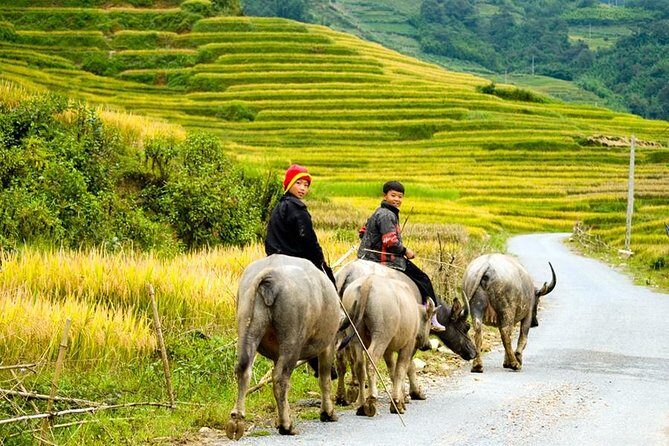
This tour includes an English-speaking local guide in Sapa, and the group is capped at 20 travelers. That size is important. It keeps the trek more human-scaled and makes questions easier to answer as you walk.
In the kind of groups that run this route, guides can make the difference between a checklist tour and a “I get what I’m looking at” experience. You might meet guides such as Cat or Chang, and some groups have praised guides for being friendly, energetic, and quick to help when questions come up. Another thing that comes through is that guides tend to be strong walkers—so the pace is usually matched to people who can handle hills and uneven paths.
Still, keep your expectations realistic: this is a guided trek with set times. If you need a slow, private pace with constant stops, this won’t feel like that.
What to pack (because Sapa weather loves surprises)
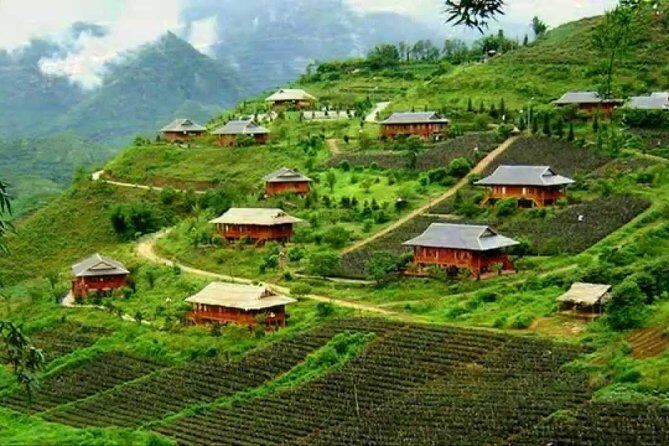
Sapa is known for shifting conditions, and this itinerary explicitly flags cold and fog possibilities. Even when the sun is out, you can get a chill fast at higher elevations.
Pack warm layers and rain/weather readiness:
- Warm clothes, scarf, hat, or cap
- Trekking shoes (important for comfort and footing)
- Sunglasses and sun cream
- Insect repellent
If you’re traveling in months where fog is common (the tour notes fog risk during December to February), bring sunglasses or something to cut glare when visibility improves. And plan for the cold—there’s no swap-out time built into the schedule.
One more practical tip: take cash in Vietnam Dong. The tour notes that banking can be unreliable in Sapa, so you’ll want easy access for small purchases.
How to handle luggage without stress
The plan is designed around light trekking. You’ll check out on Day 2 and keep big luggage at the hotel store. The tour also mentions you can bring luggage and leave it on the bus, and that there may be a car to transfer luggage to the village during trekking time.
This matters because trekking days become miserable when you’re dragging heavy bags or carrying things you don’t need. If you like staying organized, do a quick prep before you leave Hanoi: pack trekking clothes together, and keep your warm layer and small essentials where you can grab them fast.
Price and value: when it’s a good match and when it isn’t
This price point can be a great fit if you want an organized Sapa sampler: village culture, a real trek, hotel nights, and meals included. It’s also a good option when you don’t want to spend your trip piecing together transportation and food timing yourself.
It may be less ideal if:
- You’re very picky about logistics and communication
- You need a slow pace
- You expect hidden, off-the-beaten-path routes every hour of every day
A balanced way to approach this: treat it as a guided structure with a couple of “choose your own” windows (like Day 3 morning and the afternoon in Sapa after Ta Van). If that sounds good, you’ll likely be happy.
Should you book this Sapa 3 days / 2 nights trek?
I’d book it if you want a straightforward plan that covers the essentials: Cat Cat, Ta Van, and trekking along Muong Hoa, plus the comfort of having transport and meals lined up. The included hotel nights at The View Sapa (or similar) and the reasonable group size are real perks when weather and altitude can change how you feel each day.
Skip it or go in extra careful if you know you’re sensitive to crammed transport seating, or if you can’t handle a schedule that runs on set times. To reduce the chance of confusion, make sure your operator has your correct phone/email for pickup coordination, and keep your pickup details close on departure day.
If you’re flexible, prepared with warm layers, and okay with a guided flow, this is a solid way to get your first serious Sapa trek in without turning your vacation into a project.
FAQ
Where is the meeting point in Hanoi?
The start and end meeting point is at 30 P. Lý Thái Tổ, Hoàn Kiếm, Hà Nội (near the Hanoi Old Quarter). You’ll also be dropped back there when the trip ends.
How many nights and days are included?
It’s a 3-day tour with 2 nights in Sapa.
What hotel is included?
You get 2 nights at The View Sapa Hotel or a similar hotel, on a twin-sharing basis.
Are meals included?
Yes. Meals included are 2 breakfasts, 3 lunches, and 2 dinners. Beverages aren’t included.
Is there a guide and is English included?
You’ll have an English-speaking local guide in Sapa.
What should I bring for trekking and the weather?
Bring warm clothing such as a scarf and hat, plus trekking shoes. The tour also recommends sunglasses, sun cream, insect repellent, and medicine. Cash in Vietnam Dong is useful since banking in Sapa can be unreliable.


More Hiking & Trekking Tours in Hanoi

More Tours in Hanoi
- Ninh Binh Full-Day Tour from Hanoi to Hoa Lu, Tam Coc & Mua Cave Via Boat & Bike
★ 5.0 · 4,384 reviews