Cold air is the best alarm clock in Sapa. This 2 days 1 night Hanoi to Sapa tour is built for people who want big mountain scenery without giving up half their vacation to logistics. You ride in an air-conditioned bus with comfort breaks, then spend your time with a local English-speaking guide in the villages and on the trek.
What I like most is that your core costs are handled for you: hotel + meals are included, and you start moving through Sapa with a plan instead of figuring things out on your own. I also love how the route mixes culture stops (like Cat Cat) with the walking day that actually brings you into the rice-terrace scenery. One consideration: the hotel experience is the weak link—The View Sapa Hotel (or similar) can be totally fine, but some people report noise and room issues, so pack for cold and sleep-light expectations.
In This Review
- Key things to know before you go
- Why This 2 Days 1 Night Sapa Trip Works From Hanoi
- Hanoi Pickup and the Long-But-Real Bus Ride
- Arriving in Sapa: Ethnic Costumes, Welcome Drink, and Hotel Night
- Cat Cat Village: A Short Drive Into Black H’mong Life
- Day 2 Trek Through Terraces: Y Linh Ho to Ta Van Rhythm
- Ta Van Village and the Lunch-Then-Reset Break
- Hotel, Meals, and Real Budget Value
- What to Pack for Cold, Foggy Sapa Trekking
- Guide Quality and How to Get More Out of the Walk
- Who Should Book This Sapa Tour (and Who Should Consider More Time)
- Should You Book This Tour?
- FAQ
- What’s included in the price?
- Where does the Hanoi pickup happen?
- How long is the trip?
- What kind of hotel will I stay in?
- Do I need to bring trekking footwear?
- Can I keep my big luggage somewhere during the trek?
- Is cash needed?
- What if the weather is poor?
Key things to know before you go
- English-speaking local guidance for the village parts, with multiple guides praised by name (Pam, Zizi, Chang, and Sù show up in feedback).
- Hotel night in Sapa with twin sharing, plus meals to keep the budget stable.
- Cat Cat Village + Black H’mong culture for a quick cultural hit on Day 1.
- Day 2 rice terraces trekking starting from the Y Linh Ho area and moving toward Ta Van.
- Weather can change your day fast: Sapa is often cold, and fog is possible in winter months.
- Small-group feel (max 30) compared to huge bus tours, which helps during stops and briefings.
Why This 2 Days 1 Night Sapa Trip Works From Hanoi
This tour is designed for a simple goal: get from Hanoi to the Sapa highlands, do two meaningful days, and still sleep in a real hotel bed instead of spending your trip in transit all night. If you’re tight on time, this is one of the more practical ways to experience Sapa’s village life and terrace views.
The timing is also the “right kind of intense.” Day 1 is arrival-focused and includes a culture stop, so you’re not immediately exhausted before you see anything. Day 2 is where the tour earns its place on your Vietnam itinerary—less showroom time, more walking through rural scenery.
You’re also not alone in this. It’s a group tour with a local guide in Sapa and pickup help from the Hanoi Old Quarter area. That matters because Sapa can feel chaotic if you show up with no plan and no local context. With a guide, you get direction and interpretation instead of just photos.
Hanoi Pickup and the Long-But-Real Bus Ride
Pickup runs from the Hanoi Old Quarter between 6:00 and 6:20, then you head to Sapa Town on a modern air-conditioned coach. You’ll also have comfort breaks (including one around Lao Cai), which is important because the journey isn’t short and you’ll be moving on the same day.
Here’s the honest trade-off: the bus ride is part of the experience, but it’s still a bus ride. One theme in feedback is that comfort can depend on your seat/vehicle type—some people felt the sleeper/long-distance style was less comfortable, and taller folks noted leg room limits on the van used in parts of the route. If you’re sensitive to cramped seating, choose your seat carefully when you board and wear layers so you can manage temperature.
On the bright side, you’re not stuck staring at a blank wall. You’ll get views during the drive, and the whole pacing is set up so you’re not doing the heavy trekking until Day 2. In other words, the ride helps you reach the mountains without stealing your energy for hiking.
Arriving in Sapa: Ethnic Costumes, Welcome Drink, and Hotel Night
You reach Sapa Town around early afternoon, and the first thing you’ll notice is how the area is woven into local identity. People wearing traditional outfits—H’mong, Dzao, Tay groups—move through town streets, and it gives you context fast. Even if you’re not buying anything, it’s a vivid first impression.
From the bus station, the guide and driver transfer you to your hotel. You’ll get a welcome drink and a briefing for what comes next. That’s not just small talk; it’s the moment you learn how the day’s walking works, where you’ll store luggage, and what to expect with weather.
Your hotel is listed as The View Sapa Hotel or similar, using twin sharing. Dinner is included, and breakfast is included for the next morning. Still, keep expectations realistic: some reviews praise the cleanliness and good food, while others complain about noise and room conditions. If you’re a light sleeper, consider bringing earplugs. At minimum, sleep quality is something to plan for, not assume.
Cat Cat Village: A Short Drive Into Black H’mong Life
Day 1’s centerpiece outside town is Cat Cat village, reached after a short drive. You’ll learn with a local guide, and this stop focuses on the Black H’mong community near the foot of Fansipan.
Cat Cat is a good choice for a first afternoon because it’s long enough to feel like you’ve stepped into village life, but short enough that you’re not carrying heavy fatigue yet. The tour window listed is about 3 hours, which typically means enough time to walk, observe daily life, and ask questions without it turning into a full-day grind.
A balanced note: some people feel Day 1 can be more tourist-forward than they wanted—lots of stopping for photos and short segments of walking. That doesn’t make it bad. It just means it works best as a culture and orientation stop. If you want more pure trekking, you’ll be happier once Day 2 starts.
Day 2 Trek Through Terraces: Y Linh Ho to Ta Van Rhythm
This is the day you booked the tour for. After breakfast at the hotel, you check out and pack a light bag for trekking. Big luggage is stored at the hotel, so you’re not lugging things on the trail—this is one of the small details that makes the hike feel doable.
The trek begins with a short drive to Y Linh Ho, then you hike through rice terraces and along Muong H… (the route continues from there). Even if weather changes the exact feel of the path, the core idea stays the same: you’re walking through a patchwork mountain farming landscape where the terraces do the storytelling.
What you should know going in: Sapa weather can turn fast. If it’s cold, foggy, rainy, or muddy, you’ll feel it under your feet. Reviews mention a rainy, muddy hiking session, and people were glad they had proper trekking footwear. So don’t treat this like a casual stroll—bring trekking shoes and expect slippery sections if conditions are wet.
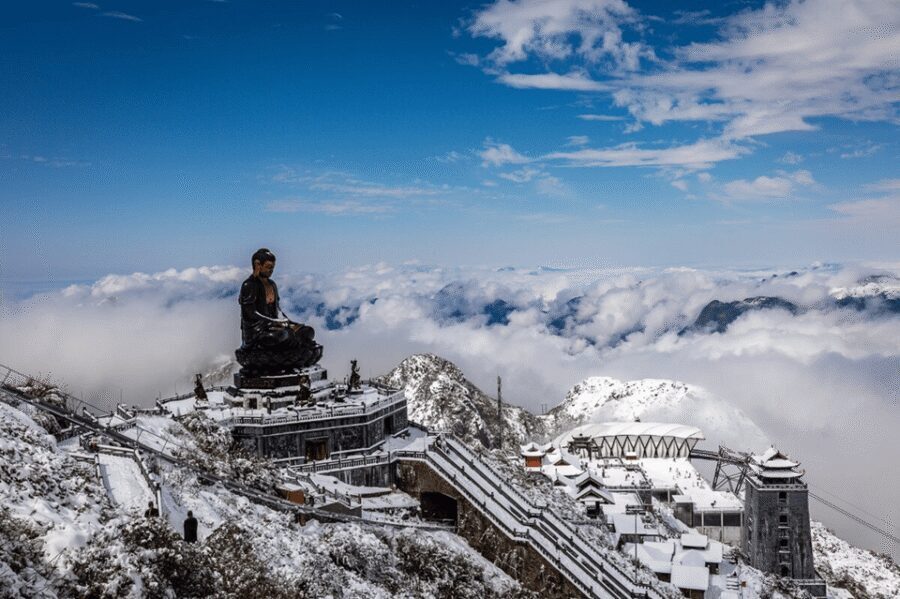
Also, fog is common in winter months (especially December through February in the info you’re given). Fog doesn’t cancel the experience. It changes it. Views can soften into layers, and the path becomes the main focus. If you hate uncertainty, this part might feel challenging. If you like adventure that isn’t always Instagram-perfect, fog can be part of the magic.
Ta Van Village and the Lunch-Then-Reset Break
Your walking day connects toward Ta Van Village, and the schedule is set so you can finish the trek and then move back toward town without feeling stranded. You’ll have a bus pickup around 11:30 at the Ta Van Bridge area, then return to Sapa.
Lunch is included back at the hotel, scheduled in the 12:30–13:30 window. After that, you get free time. There’s a note about being able to shower using the public bathroom in the hotel if you want, which is useful if the hike leaves you with that classic cold-and-sweaty mix.
This “reset” block is practical. Two-day Sapa tours can feel like you’re constantly moving. This time gives you a chance to warm up, grab a drink you like (not included), and decide how much you want to explore town before the group reconvenes.
Hotel, Meals, and Real Budget Value
Let’s talk money, because this tour is priced at $89 per person and you can only call it good value if it protects you from hidden costs. The tour includes dinner, breakfast, and two lunches (one on each day, based on the inclusions listed). Bottled water is provided—2 bottles per person for the bus legs—which helps on a long day when you’re not hunting for small purchases.
Entrance fees are also included. That matters because these village and attraction stops can add up if you try to DIY them. You’re paying for guidance, transport between points, and access.
Your biggest “not included” risk isn’t the core services—it’s extras. The tour lists beverages and personal expenses as not included, plus travel insurance. In Sapa, you might also want cash on hand for small purchases because banking can be unreliable. The info you’re given specifically says to bring cash in Vietnam Dong, and it notes US Dollar and Euro are accepted in Sapa too.
Food quality seems to vary. Some feedback says the hotel food is really good. Others are less kind and complain about breakfast options. Either way, you should treat meals as budget-friendly and filling, not like a food tour.
What to Pack for Cold, Foggy Sapa Trekking
Sapa weather is the plot twist. You’re told it can be unpredictable and often cold in fall through winter months, and fog is possible in December through March. That means your “I’ll just bring a hoodie” plan might fail.
Here’s what I’d pack from the information you’re given:
- Warm clothes, plus a scarf, hat, and cap
- Trekking shoes with grip
- Sun glasses and sun cream (yes, even when it’s cold)
- Insect repellent
- A small medicine kit (chemists exist, but you don’t want to hunt when you’re feeling rough)
One more practical tip: money. Bring cash in Dong. If your bank or payment method doesn’t work, you’ll want options. Sapa is also an area where small purchases are tempting—snacks, warm drinks, or simple comfort items—so it helps to be ready.
Finally, manage expectations about night. Some reviews describe noise issues tied to kitchen activity and staff kids playing around the property. You can’t control the hotel, but you can prepare with earplugs and a willingness to keep your expectations grounded.
Guide Quality and How to Get More Out of the Walk
This tour leans on a local guide in Sapa, and the quality shows up in feedback. Names like Pam, Zizi, Chang, and Sù are praised for friendliness and helpful explanations. When your guide can explain what you’re seeing—village life, terrace farming, daily routines—you’ll understand Sapa faster and you’ll feel less like you’re just being transported between photo stops.
A group tour also means you should work with the schedule. Wear layers you can adjust quickly. When weather changes, your best move is to keep walking and ask your guide what to expect next. They’ll usually have the context for which path is more comfortable and what the conditions mean.
If you’re the kind of person who hates being rushed, focus on Day 2’s trek. People who preferred the hiking day tended to be happier with that part of the itinerary than with the earlier Cat Cat segment. In practice, the tour is balanced for “active but time-limited,” not for perfectionists chasing the least-touristy experience possible.
Who Should Book This Sapa Tour (and Who Should Consider More Time)
Book this if you want:
- A fast Sapa introduction from Hanoi
- A guide-led experience that reduces getting lost
- A mix of culture and trekking without planning every detail yourself
- A budget-friendly package where hotel and meals are included
You might want a longer trip or a different style if:
- You need guaranteed hotel quiet or consistent room conditions (some reports are negative)
- You’re extremely sensitive to long bus travel or cramped seating
- You only care about pure trekking and want to skip the more touristy-feeling first-day stops
Sapa is an easy place to fall in love with slowly. This tour gives you a taste. If that taste makes you hungry for more, you’ll probably want extra days later to explore beyond the two-day loop.
Should You Book This Tour?
I think you should book it if you’re realistic about winter weather, like guided walking, and want the value of hotel + meals + entrance fees bundled into a single price. The best parts—the rice terraces trek feel and the village guidance—are exactly what make Sapa memorable.
But read your own preferences honestly. If you’re a light sleeper, pack earplugs and don’t expect luxury. If you hate uncertainty, remember Sapa fog and cold are part of the package. If you go in with solid footwear, warm layers, and a flexible attitude, this is a strong way to see Sapa without spending your whole holiday commuting.
FAQ
What’s included in the price?
The tour includes dinner, breakfast, lunch (2), bottled water on the bus legs, a hotel night in Sapa (The View Sapa Hotel or similar on a twin sharing basis), air-conditioned transportation from Hanoi to Sapa and return, an English-speaking local guide in Sapa, modern buses/vehicles, and all entrance fees.
Where does the Hanoi pickup happen?
Pickup is offered from the Hanoi Old Quarter between 6:00 and 6:20.
How long is the trip?
It’s a 2-day experience with an overnight in Sapa.
What kind of hotel will I stay in?
You’ll stay at The View Sapa Hotel or similar, on a twin sharing basis. The info also says the hotel room is standard with 2–3 people per room.
Do I need to bring trekking footwear?
Yes. You’re trekking on Day 2 through rice terraces and village areas, and the weather can be muddy and slippery. Trekking shoes are specifically recommended.
Can I keep my big luggage somewhere during the trek?
Yes. The tour notes that your big luggage can be kept at the hotel, and there is also mention of luggage transfer support to the village during trekking time.
Is cash needed?
The tour info advises bringing cash in Vietnam Dong because banking in Sapa can sometimes not function well. It also notes US dollars and euros are accepted in Sapa.
What if the weather is poor?
This experience requires good weather. If it’s canceled due to poor weather, you’ll be offered a different date or a full refund.