REVIEW · HANOI
Sapa: 3-Day, 3-Night Trek and Hotel with Overnight Train
Book on GetYourGuide →Operated by Crossing Vietnam Tour · Bookable on GetYourGuide
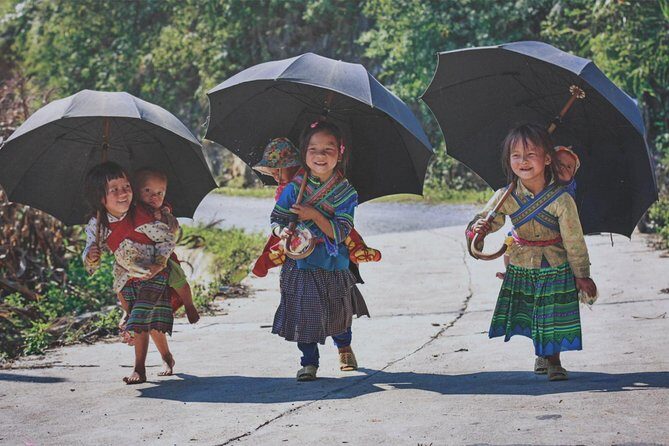
Sapa feels like a storybook when you arrive by night train. This 3-day trek-and-stay route takes you through the Muong Hoa Valley and down to village life with Hmong, Zay, and Red Zao communities. I especially like the mix of big active walking days and calmer village time at a Ta Van homestay.
One thing to keep in mind is that the overnight train can be a bit of a mixed bag. If you’re a light sleeper, expect some noise and bumps, and the train toilet setup can feel awkward.
In This Review
- Key highlights worth caring about
- Overnight train to Sapa: the payoff (and the reality)
- Day 1: settling into Sapa, then down to Sin Chai (Black H’mong)
- Day 2: Muong Hoa Valley trekking, Y Linh Ho to Lao Chai, then Ta Van (Dzay Zay)
- Day 3: Red Zao and H’mong villages, waterfall and bamboo, then back to Hanoi
- The part you should prepare for: the “always selling” moments
- Handicraft center stop: why it’s more than a souvenir stop
- What the daily logistics get right (and what can trip you up)
- Price and value: what $212 buys you in real terms
- Who this Sapa trek is best for
- Should you book this Sapa trek with overnight train?
- FAQ
- Where does the tour start in Hanoi?
- How does the overnight train from Hanoi work?
- What’s included for lodging?
- Are meals included, and is there anything not included?
- What should I bring for the trek?
- Is the trek suitable for kids or older travelers?
- Will locals try to sell items during the trek?
Key highlights worth caring about
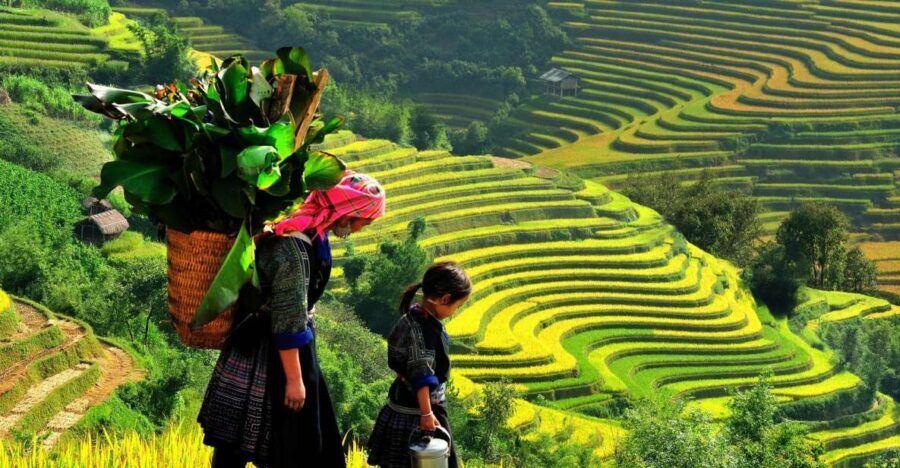
- Muong Hoa Valley trekking: classic down-valley routes with village stops and photo-friendly breaks.
- Ta Van homestay night: you get time in a real community, not just a quick visit.
- Ethnic-minority village variety: Hmong, Zay, and Red Zao areas across multiple villages.
- Women’s handicraft center stop: you’ll see skills shared and practiced in a local setting.
- Well-paced logistics: train to Lao Cai, minibus to Sapa, then a car back to Hanoi.
- A real guide-led experience: you’re not wandering alone through the sale-and-spotting moments.
Overnight train to Sapa: the payoff (and the reality)

The trip starts in Hanoi with an overnight train to Lao Cai. You’ll board at 10 PM, then reach your morning stop the next day. This is a smart way to save time: you travel while you sleep, so you don’t lose a whole day to transport.
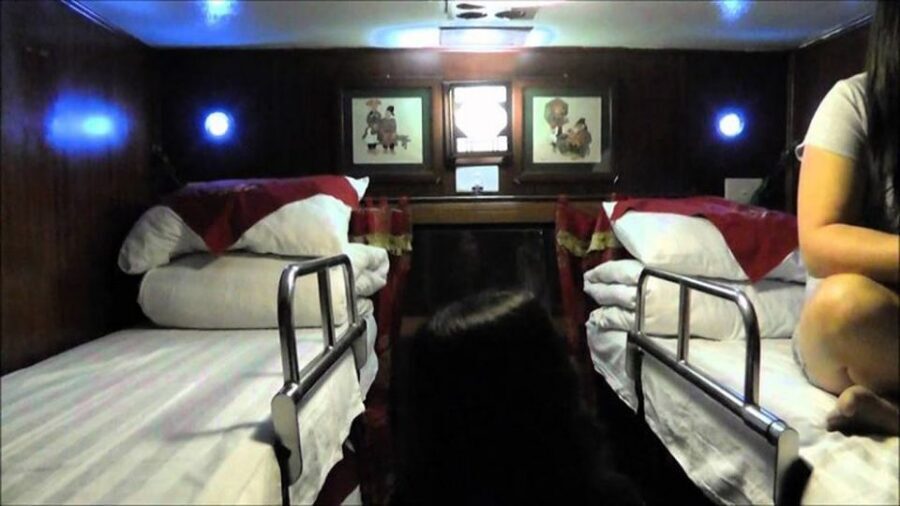
In the train, you’ll sleep in a shared 4-bed air-conditioned cabin. Some people find it restful; soft berths help. Still, plan like you might wake up a little. One of the more common practical complaints is that the ride can be noisy and bumpy, and using the toilet isn’t exactly comfortable.
If you’re considering this for comfort only, temper expectations. If you’re considering it for value and a smoother schedule, it’s a good deal. You’ll get to spend your daylight hours on the trekking and village time instead of sitting on a bus.
You can also read our reviews of more evening experiences in Hanoi



Day 1: settling into Sapa, then down to Sin Chai (Black H’mong)
After you arrive in Lao Cai, you transfer to Sapa by shared minibus. Then the morning flow is all about getting organized fast: your luggage is handled, and you start with breakfast at your hotel in Sapa.
Check-in is listed for 2 PM, which matters if you’re arriving early. The trip still moves, but if you want to drop in sooner, you may need to add an early check-in option. In practice, you’re trying to balance a morning arrival with the fact that the first real trek begins right after you’ve settled.
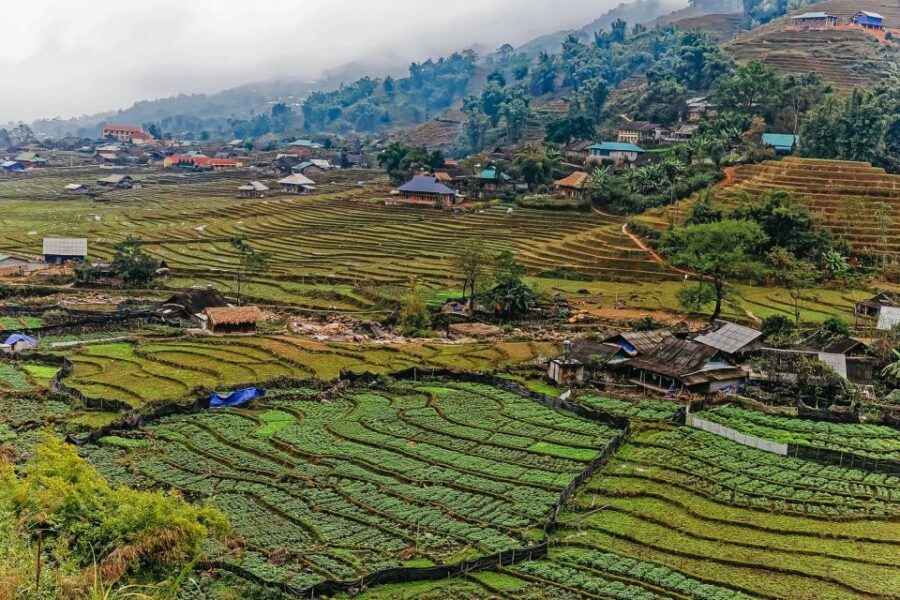
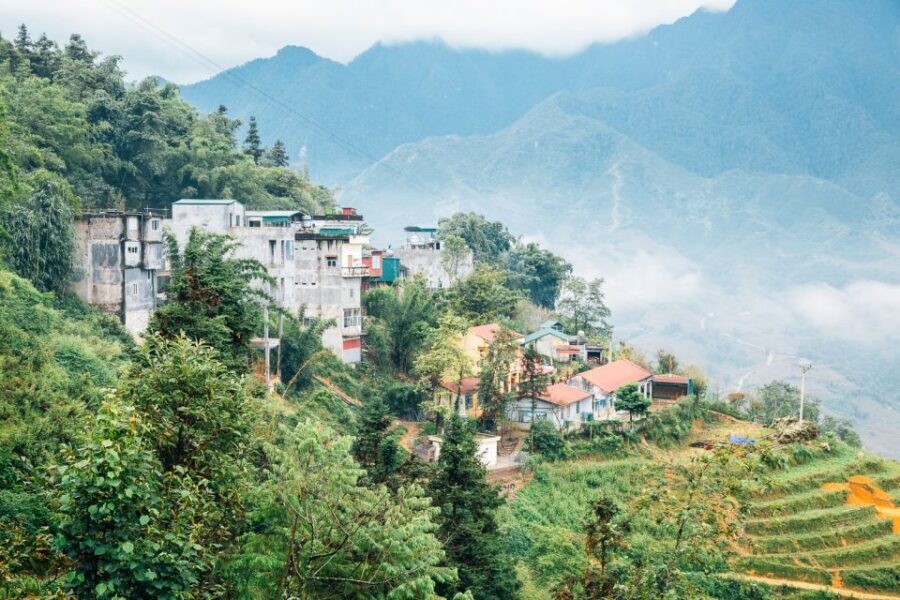
Once you’re fueled, you trek to Sin Chai Village, where the Black H’mong live. This village is more than 2 km from the Sapa center, and the feel is simple and rustic. The walking here is a gentle on-ramp: it helps you get used to the altitude and the rhythm of village paths without turning Day 1 into a grind.
After the walk, you return for lunch and then you’re given free time. That free block is genuinely useful. You can rest, explore around Sapa center, or just take it easy and save your energy for the longer second day.
At dinner time around 6 PM, you’ll eat with the group and then head out again for the night option. One specific local-touch moment: roasted corn and baked eggs beside a charcoal fire shows up as part of the evening vibe. It’s a cozy way to end a travel day before you sleep in a 3-star hotel in Sapa center.
Day 2: Muong Hoa Valley trekking, Y Linh Ho to Lao Chai, then Ta Van (Dzay Zay)
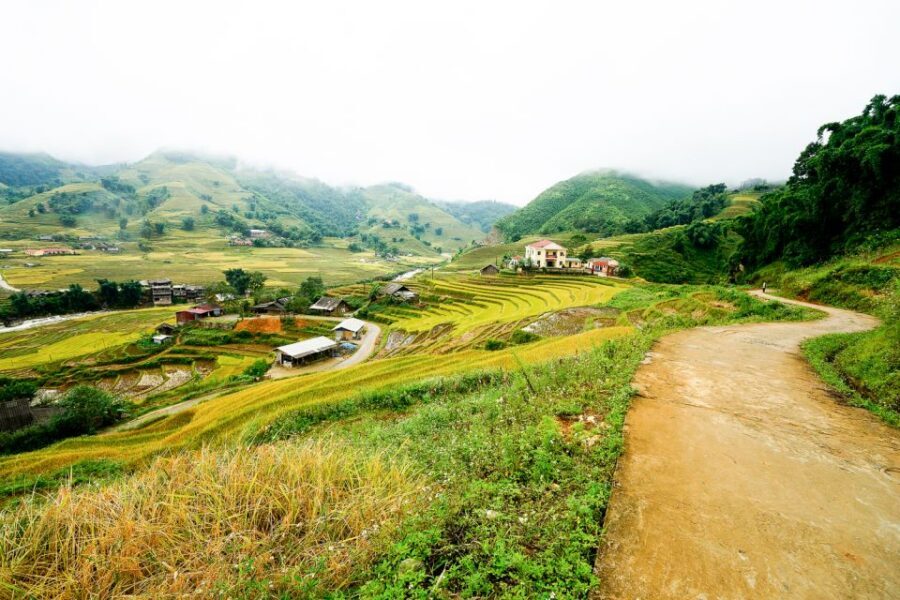
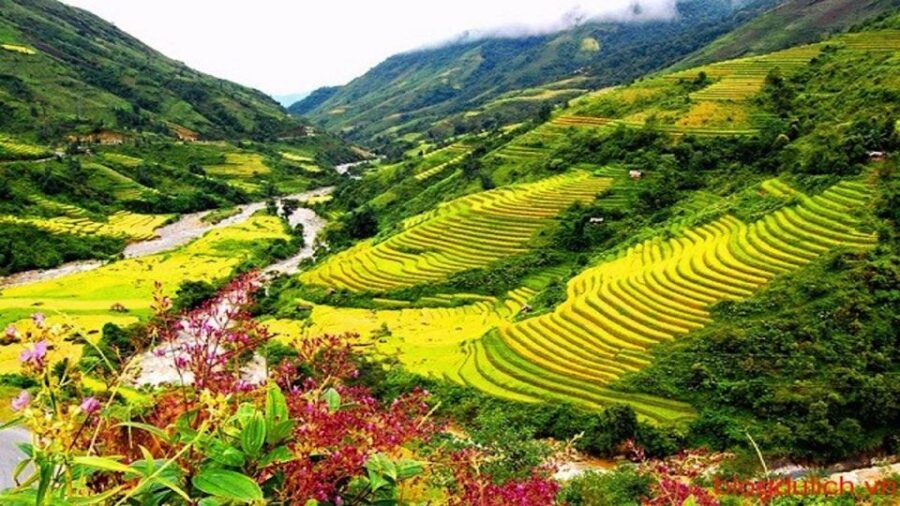
Day 2 is where the trek becomes the main event. After breakfast, you start walking along the side of the Muong Hoa Valley. This is the down-valley route that gives you the best sense of how Sapa’s communities spread across terraced and hillside areas.
First stop is Y Linh Ho Village, home to the Black H’mong. Then you continue down to Lao Chai Village. These aren’t just photo stops. The idea is that you see daily life where people farm, craft, and live with the valley’s seasonal reality.
Lunch happens during the trek, then you walk through terraced rice fields toward Ta Van Village. This part can be gorgeous for photos, but it’s also where you’ll feel the walking more. Wear shoes you can trust on uneven ground, because the path won’t be forgiving just because you’re on vacation.
Ta Van is your overnight homestay, and this is the key reason many people choose this exact style of tour. Instead of another hotel night, you get time with a Zay community. You’ll get a different kind of hospitality here—more lived-in, less staged.
I like this structure because it prevents the whole trip from feeling like a checklist. Trek in the morning, village life in the afternoon, and then a slower evening at the homestay. You’ll come back feeling like you learned something you can’t get from a quick bus window.
Day 3: Red Zao and H’mong villages, waterfall and bamboo, then back to Hanoi
The third day starts with breakfast at Ta Van, then more trekking to visit two villages linked with Red Zao and the H’mong. You’ll also include a waterfall and a rattan bridge stop, plus views through a bamboo forest stretch.
Timing matters here. The plan is to finish the trekking, then head to the main road by car. Around 2 PM you’ll pack up, and you’ll take a limousine back to Hanoi.
You’ll drop off in Hanoi around 8–9 PM. That end-of-trip timing is helpful if you’re lining up a next day plan in the capital. It also means you should travel light during the trek days—less luggage wrestling on a tight schedule.
The part you should prepare for: the “always selling” moments
This tour includes a clear heads-up: local ethnic people may walk with you to ask for money or sell items at high prices. The advice is straightforward—ignore them and stick with your guide.
Here’s how I’d handle it in a way that stays respectful and also protects your trip: when someone offers something, keep moving and don’t negotiate on the trail. If you want to buy something, do it intentionally at the moments your guide builds into the route (like the handicraft center). That keeps the day from becoming uncomfortable.
You’ll also see kids and women at stops. This isn’t just a tourism script; it’s a real economic pressure for many families. If you buy nothing, it still helps to be polite and short. If you do buy, keep it simple and fair.
You can also read our reviews of more hiking tours in Hanoi





Handicraft center stop: why it’s more than a souvenir stop
One of the highlights is a visit to a local handicraft center where women gather to exchange skills. That matters because it shifts the encounter from buying to watching process.
Even if you’re not buying anything, you can learn how textiles and craft traditions fit into day-to-day life. It’s also usually more comfortable than stopping in a crowded spot where multiple people approach at once. The goal here is education plus interaction, not just sales pressure.
If you like photos, go with your camera ready but don’t push. Ask your guide what’s okay before snapping lots of close-ups. It keeps things smooth for you and respectful for them.
What the daily logistics get right (and what can trip you up)
This trip is built around minimizing wasted time. Pickup and drop-off from Hanoi Old Quarter are included, and after Lao Cai you go straight to Sapa with a shared minibus. On the return, you’re picked up and returned to Hanoi by limousine, which saves you from hunting transport late in the day.
Meals are also handled: you’ll have breakfast, lunch, and dinner as indicated across the days. Drinks aren’t included, so plan on buying water and any sodas or tea you want. It’s a small detail, but it affects your budget more than you’d think when you’re hiking.
The trek distance is described as 9 km and isn’t recommended for older guests or children. So you should treat this as a serious walking plan, not a gentle stroll. Weather in Sapa can be unpredictable, and the higher altitude can add breathlessness even when the trail isn’t steep.
Also, fog is possible in winter months (December to March). If you’re going during those months, pack for cold and low visibility. A simple rule: if you wouldn’t hike in the same conditions at home, don’t assume Sapa will be kinder.
Price and value: what $212 buys you in real terms
At $212 per person, the value comes from the bundle. You’re not paying separately for: an overnight train with a sleeping berth, Lao Cai-to-Sapa transfers, a 3-star hotel night in Sapa center, a homestay night in Ta Van, a local English-speaking guide, plus the meals listed each day.
When a tour includes sleeping, meals, and guided trekking, it typically costs more than you expect. Here, the cost makes sense because the operator is solving the hard parts: train timing, transfers, lodging, and route planning.
Where it can feel less good is if you expect drinks included or a fully private, slow-and-comfy pace. Drinks are personal expense. And if you’re very sensitive to train movement, that overnight piece might not feel like a highlight.
Still, as a value play for active travel, it’s strong—especially if you want the ethnic-village experience without having to coordinate transport and lodging yourself.
Who this Sapa trek is best for
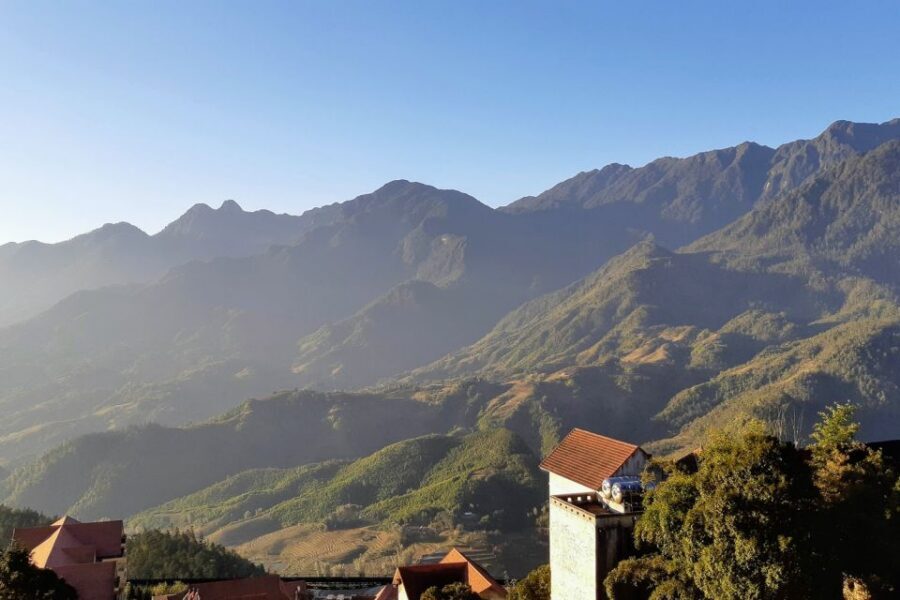
This works well if you want a guided, structured trek through the Muong Hoa Valley and you’re okay with a real homestay night. You’ll likely enjoy it if you like learning about ethnic minority groups through visits to Black H’mong, Zay, and Red Zao villages, with time to see how daily life actually works.
It’s less ideal if you need step-free access or if mobility is limited. The tour is noted as not suitable for wheelchair users and people with mobility impairments. It’s also a tough pick for older guests or children due to the trekking distance.
If you’re traveling solo, you can still do it, but there may be a single supplement for the two hotel nights (the exact amount updates at booking). If you’re okay with that, solo can be rewarding because you get full attention from your guide.
Should you book this Sapa trek with overnight train?

If you want value, structure, and a real village night without planning chaos, I’d book it. The strongest selling points are the mix of Muong Hoa Valley trekking and the Ta Van homestay, plus the fact that transport and meals are handled for you.
If you’re chasing maximum comfort, be cautious. The overnight train can be noisy and bumpy, and the third day ends with an evening return to Hanoi. Add that to cool, changeable weather, and you’ll enjoy it most if you’re the kind of traveler who packs warm layers and shrugs at minor inconveniences.
Bottom line: book this if you’re excited about walking, learning, and experiencing Sapa beyond the town center.
FAQ
Where does the tour start in Hanoi?
You meet at Hanoi Railway Station for the train, and the tour also includes hotel pickup and drop-off from Hanoi Old Quarter. If your hotel is outside the Old Quarter, you’ll need to choose the meeting point option.
How does the overnight train from Hanoi work?
You board the overnight train from Hanoi to Lao Cai at 10 PM. You’ll spend the night on the train and reach Lao Cai the next morning.
What’s included for lodging?
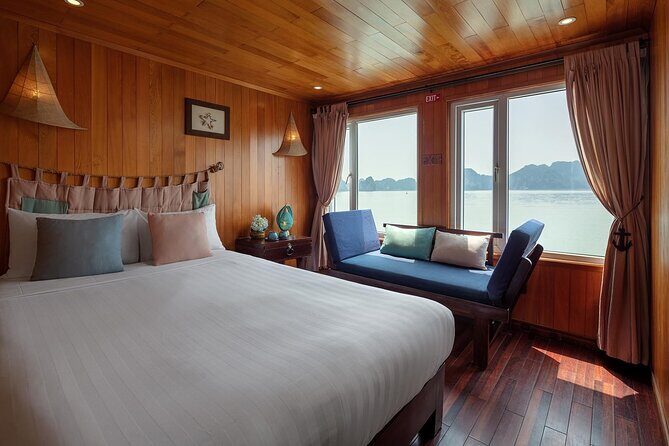
You get one night on the train (shared 4-bed air-conditioned cabin), one night at a homestay in Ta Van Village, and one night in a 3-star hotel in Sapa center.
Are meals included, and is there anything not included?
Meals included are the breakfast, lunch, and dinner listed in the itinerary. Drinks are not included, and personal expenses are not included.
What should I bring for the trek?
Bring comfortable shoes and warm clothing. The guidance also includes packing items like a scarf and hat or cap, sunglasses, sun cream, insect repellent, and medicine in case of illness.
Is the trek suitable for kids or older travelers?
The trek is described as 9 km and is not recommended for older guests or children.
Will locals try to sell items during the trek?
The trip notes that local ethnic people may try to accompany you to ask for money or sell items at high prices. The advice is to ignore them and stick to your guide.