REVIEW · HANOI
Mini Hanoi Coffee Workshop: Pick Any Signature Coffee You Like
Book on Viator →Operated by Hanoi Coffee Workshop: Make Taste 5 Signature Brews+History Story by Su Quan Roastery · Bookable on Viator
Coffee in Hanoi comes with real stories.
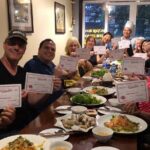
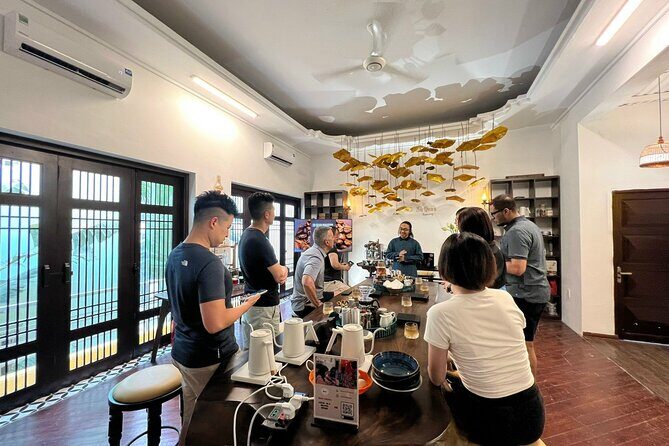
This workshop turns Vietnamese coffee from a menu order into a hands-on lesson. You’ll sit in an Indochine-style villa tucked down a secret alley, then follow a cultural storyteller who keeps things flowing in fully English while you learn how Hanoi coffee actually gets made. I like that you don’t just watch; you build and taste egg coffee technique and other iconic styles at a relaxed pace.
Two things I especially appreciate are the clear guidance (so you’re not stuck guessing what to do) and the way the class connects brewing choices to flavor. One possible drawback: the setting is quiet and tucked away, so you may want to give yourself extra time to find Su Quan Roastery and enter through the right alley-side entrance.
In This Review
- Key things to know before you go
- Su Quan Roastery and the secret-alley villa setup
- Vietnamese coffee history, told in plain language and tied to flavor
- Choose your signature brew and craft it with traditional tools
- Egg coffee, coconut coffee, salt coffee, and cocktail-style experiments
- Tea, snack, and the air-conditioned comfort that makes tasting easier
- The Da Lat education support behind your coffee lesson
- Value check: is $15 worth it for 90 minutes of coffee craft?
- Who should book this Hanoi coffee workshop (and who might skip)
- Quick tips to make it smoother the day you go
- FAQ
- FAQ
- How long is the Mini Hanoi Coffee Workshop?
- How much does it cost?
- Where does the workshop start?
- Is the workshop taught in English?
- What is included in the price?
- What coffee styles can I make and taste?
- Can I choose what I drink?
- Is there a mobile ticket?
- What group size should I expect?
- What is the cancellation policy?
- Should you book this Hanoi coffee workshop?
Key things to know before you go
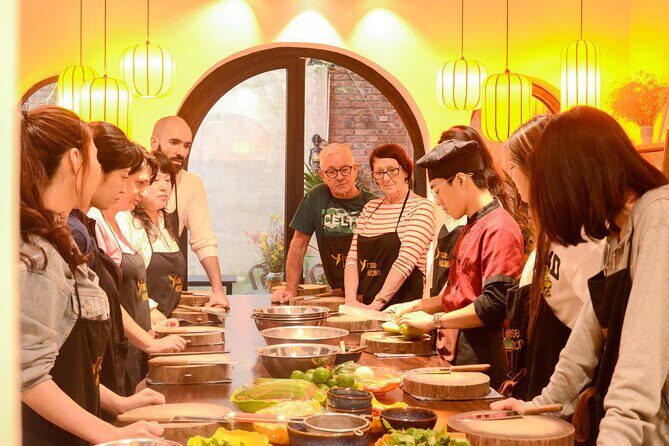
- Pick your signature coffee style: egg, coconut, salt, and even coffee cocktail options, typically 2–4 brews to make and taste.
- History tied to what’s in your cup: French colonial cafés, wartime creativity, growing regions, roasting, and coffee rituals.
- Hands-on brewing tools, not a demo: you’ll use traditional methods and equipment to craft your own drinks.
- Comfort is built in: fully air-conditioned room plus a herbal tea welcome and a light snack.
- Community impact you can feel good about: Su Quan runs a Da Lat coffee farm and supports education for farmers’ children.
- English-led, with names like Simon or Piey showing up as hosts: clear communication is a big part of the experience’s appeal.
Su Quan Roastery and the secret-alley villa setup
The experience starts at Su Quan Roastery in Ba Đình, Hanoi, at 75/173 Đ. Hoàng Hoa Thám. The vibe is not like a loud coffee shop or a showroom. It’s an Indochine-style villa in a quiet spot, tucked down a secret alley, which makes it feel calmer and more local than the typical street-corner classroom.
Practically, this setup helps you focus. When you’re learning brewing methods and tasting multiple styles, you want a room where the noise doesn’t steal your attention, and where you can actually see what your tools are doing. The workshop is held in a fully air-conditioned room, so even on warm Hanoi days, your comfort is handled.
One thing to plan for: tucked-away addresses can be a tiny test, especially if you’re walking without a simple street landmark. Build in a few extra minutes the first time you go, and keep an eye on the alley approach so you don’t end up looping around the block. That’s a small inconvenience for most people, and it’s usually outweighed by the peaceful setting once you’re inside.
You can also read our reviews of more tours and experiences in Hanoi



Vietnamese coffee history, told in plain language and tied to flavor
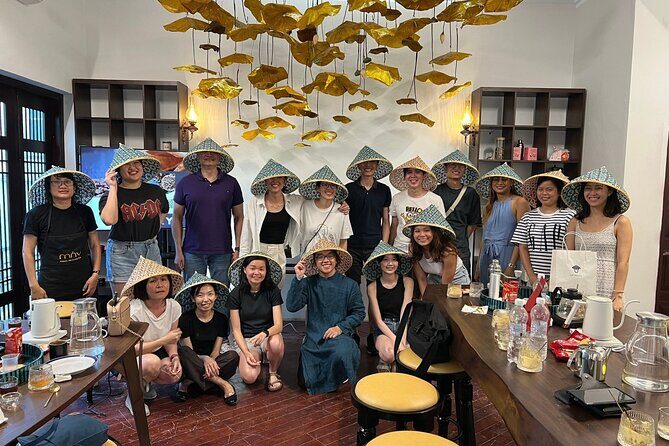
A big part of why this class works is that it doesn’t treat coffee history like trivia. You’ll connect stories to decisions—what gets roasted, how it’s brewed, and why Vietnamese coffee developed its own personality.
You’ll hear how Vietnamese coffee culture evolved from French colonial café life to wartime creativity, and how that creativity helped Vietnam grow into the world’s second-largest coffee producer. Then the session moves into the parts you can taste: growing regions, traditional roasting practices, and the rituals that shape how coffee is enjoyed across generations.
Why this matters: Vietnamese coffee is not one single flavor. It’s a collection of styles. Once you understand the background, you taste with more intention. You start noticing things like sweetness balance, texture, and how brewing style changes the cup. You also stop seeing coffee as just hot or cold and start thinking about it as craft—something you can reproduce.
And the class keeps a steady rhythm: welcome tea, snack, then story and brewing, then tasting and recipe takeaways. It’s paced for travelers who have limited time but still want more than a quick sip at a café.
Choose your signature brew and craft it with traditional tools
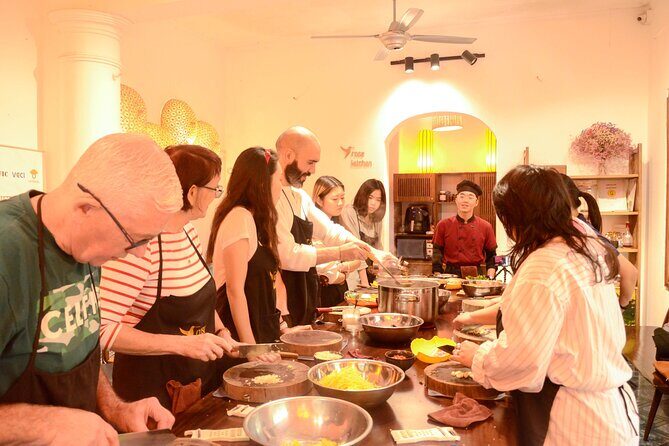
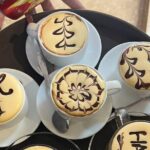
The workshop is built around making coffee yourself. Depending on comfort level, you’ll handcraft and taste 2–4 iconic Hanoi-style coffees. The signature options listed are egg coffee, coconut coffee, salt coffee, or even a coffee cocktail.
You’re not just choosing what you want to drink—you’re choosing what you want to learn. Each style has its own method cues, and the workshop uses authentic tools and time-honored techniques so you get the real feel of how these drinks are done in Vietnam.
You’ll also get to adjust your approach. If you’re comfortable moving through steps, you can usually tackle more than one style. If you’re newer, you’ll still be able to participate and taste the results. That flexibility is a quiet strength for a short workshop. It means you’re not forced into an all-or-nothing experience.
Here’s what I think you’ll enjoy most: you’re guided enough to feel confident, but not so micromanaged that it becomes robotic. You’ll learn how the tools work, then you’ll apply that to your own cup. Then you’ll taste. That feedback loop is where learning sticks.
Egg coffee, coconut coffee, salt coffee, and cocktail-style experiments
The star names are here, and the session gives you a reason to care about each one.
Egg coffee
This is the one most people ask about, and it’s often a favorite. You’ll learn the technique behind that creamy top and how it changes the whole cup. The goal is a balanced texture and flavor contrast, not just a fancy look.
Coconut coffee
Coconut adds a different kind of sweetness and aroma. If you like drinks that feel smoother and slightly perfumed, coconut coffee is a great choice. It’s also a good way to see how Vietnamese coffee traditions adapt with local ingredients.
Salt coffee
Salt coffee sounds weird until you understand the idea: salt can sharpen and round out flavors. In the cup, it can make the coffee taste more defined and less flat, especially if the sweetness level is balanced well.
Coffee cocktails and liqueur-style tastings
One review experience specifically mentioned a cocktail at the end and also tasting some liqueurs. That fits the way the workshop connects coffee culture to social drinking styles. If you want your final taste to be more playful than straight café coffee, this is the lane.
A helpful way to choose: pick one style you already know (egg or coconut are popular anchors), plus one that sounds interesting but unfamiliar. That combo usually gives you the best range of flavors in a short 1.5-hour window.
Tea, snack, and the air-conditioned comfort that makes tasting easier
This is not a workshop where you arrive hungry and sprint through coffee making. You get a calming herbal tea welcome plus a traditional Vietnamese snack during the session. That small food break matters because it keeps the tasting sequence enjoyable instead of rushed.
The air-conditioned room also changes your experience more than you’d think. When you’re brewing, waiting for layers to come together, and tasting multiple drinks, comfort makes you more patient and more able to notice differences. You’ll also feel less drained if you’re combining this workshop with other Hanoi plans.
Also, you’re leaving with recipes and stories, not just a memory of flavors. That means you can recreate the style at home—at least in spirit—so your taste isn’t the only souvenir.
You can also read our reviews of more tours and experiences in Hanoi


The Da Lat education support behind your coffee lesson
This workshop has a community angle that isn’t just marketing copy. Su Quan operates its own coffee farm in Da Lat, and a portion of each workshop helps support education for farmers’ children.
Why this matters for value: your money isn’t only paying for a class room and ingredients. It’s also tied to the growers and their families. You’re learning how coffee gets made from the perspective of a company that’s connected to producing it, not just selling it.
If you care about responsible tourism and prefer experiences where you can see the link between your activity and real-world impact, this part of the story is worth paying attention to. It also makes the coffee history feel more grounded. When your takeaway includes where the beans come from and who benefits, the tasting becomes more meaningful.
Value check: is $15 worth it for 90 minutes of coffee craft?
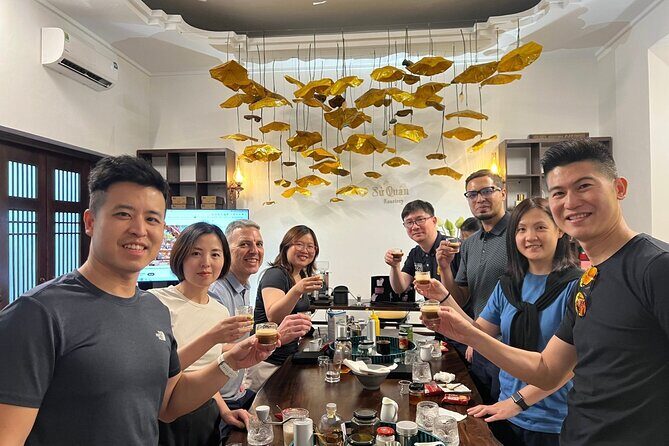
At $15 per person for about 1 hour 30 minutes, this workshop is priced like a solid mid-budget food experience, not a premium industry class. The main question is what you get for the money, and the answer is: you get hands-on brewing, multiple tastings, English instruction, plus a welcome tea and snack.
Let’s break down the value pieces:
- You’re not just sampling: you craft and taste your own brews, which is why it feels like more than a quick stop.
- You’re learning a set of iconic styles: egg, coconut, salt, and cocktail options give you variety fast.
- You get takeaways: recipes and stories help you remember and recreate.
- The room and pacing are comfortable: air-conditioning and a calm villa setting make it easier to enjoy.
- There’s an impact component: education support for farmers’ children adds moral value to the math.
If you’re the kind of traveler who likes a short, focused activity instead of an all-day tour, this hits that sweet spot. It’s also a great choice if you want a coffee-related experience without spending extra money on café hopping.
Who should book this Hanoi coffee workshop (and who might skip)
I’d book this if you fit any of these:
- You want a coffee-focused activity with real technique, not just a tasting flight.
- You like cultural storytelling that stays practical—history that explains flavor choices.
- You’re short on time but still want something you can take home (recipes, methods, a clearer mental map of styles).
- You prefer English-led guidance so you’re not guessing what’s happening at your table.
- You enjoy food or drink workshops in small, calm settings.
I’d think twice if:
- You only want a quick drink and don’t care about learning the process.
- You’re the type who doesn’t like multi-step tasks (though the class is built to accommodate comfort level).
- You strongly dislike locations that require a bit of finding; the secret-alley villa can be worth it, but you need patience to reach it.
Quick tips to make it smoother the day you go
- Wear or bring something comfortable. You’ll be standing or seated at a table using tools, not just sipping.
- Choose your brew mix early in your mind: one you recognize plus one you’re curious about.
- If you’re pairing it with other Hanoi stops, build a buffer so finding the tucked-away meeting spot doesn’t turn into stress.
- Go ready to taste differences. The workshop works best when you slow down for each cup.
FAQ
FAQ
How long is the Mini Hanoi Coffee Workshop?
It runs for about 1 hour 30 minutes.
How much does it cost?
The price is $15.00 per person.
Where does the workshop start?
It starts at Su Quan Roastery, 75/173 Đ. Hoàng Hoa Thám, Ngọc Hồ, Ba Đình, Hà Nội 100000, Vietnam. It ends back at the same meeting point.
Is the workshop taught in English?
Yes. The experience is fully in English and led by a cultural storyteller.
What is included in the price?
You get an air-conditioned room, welcome herbal tea, a light local Vietnamese snack, hands-on brewing with traditional tools, and the chance to craft and enjoy your own coffee creations. You also leave with recipes and stories.
What coffee styles can I make and taste?
You can typically handcraft and taste 2–4 iconic Hanoi-style coffees, such as Egg Coffee, Coconut Coffee, Salt Coffee, or a Coffee Cocktail, depending on your comfort level.
Can I choose what I drink?
Yes. The workshop is described as Pick Any Signature Coffee You Like, and you’ll make and taste signature Hanoi coffee styles.
Is there a mobile ticket?
Yes, it uses a mobile ticket.
What group size should I expect?
The experience has a maximum of 100 travelers.
What is the cancellation policy?
You can cancel for free up to 24 hours in advance for a full refund. If you cancel less than 24 hours before the start time, you won’t get a refund.
Should you book this Hanoi coffee workshop?
If you want a short, hands-on way to understand Vietnamese coffee beyond what you’ll get from ordering a drink, yes, book it. For $15, you’re paying for real brewing practice, multiple Hanoi-style tastings (often including egg and coconut), and English storytelling in a comfortable air-conditioned setting.
The only real reason to skip is if you want zero learning and just want a quick caffeine hit. Otherwise, this is one of the better ways to spend 90 minutes in Hanoi—because you’ll leave with technique, not just a memory.