REVIEW · HANOI
Hanoi Tea Workshop: Specialty Fresh Lotus Tea from West Lake
Book on Viator →Operated by Hanoi Coffee Workshop: Make Taste 5 Signature Brews+History Story by Su Quan Roastery · Bookable on Viator
Lotus scent, served hot in Hanoi.
This West Lake lotus tea workshop focuses on Trà Sen Hồ Tây, with fresh lotus fragrance naturally worked into green tea the old-school way. I like that you get real hands-on brewing practice (not just sipping in the dark), and I also like the clear cultural angle, including how this tradition was once reserved for royalty and scholars. One consideration: since fresh lotus depends on harvest time, the exact seasonal ingredients can shift, and that can slightly change what you taste.
You’ll spend about 2 hours at Su Quan Roastery, starting with a welcome herbal drink and Vietnamese snacks before the lotus tea tasting and guided workshop. You also get cultural storytelling and Q&A, plus a certificate if you request it and a PDF guide for Vietnamese lotus tea brewing. If you care about learning from friendly, patient instructors, this roastery’s team style has been praised in past classes there, with names like Simone, Tiung, Piet, and Phuong Anh showing up for their clear explanations and calm pacing.
In This Review
- Key points you should know before you go
- Why West Lake lotus tea feels different from regular scented tea
- Su Quan Roastery: where the workshop starts and how the flow works
- Tasting fresh lotus tea: what you should pay attention to
- The lotus craft lesson: what 1,000 flowers per kilo really means
- Brewing practice: the skill that helps the tea make sense at home
- Culture, Q&A, and the farm support angle
- Price and value: is $23 a fair deal?
- Who should book this lotus tea workshop (and who might skip it)
- Practical tips so your visit goes smoothly
- Should you book Hanoi’s Fresh Lotus Tea from West Lake?
- FAQ
- How long is the Hanoi Tea Workshop?
- How much does the experience cost?
- What is included in the workshop?
- Is the fresh lotus tea always the same?
- Where do I meet for the workshop?
- Can I cancel for a full refund?
Key points you should know before you go

- You’re tasting Trà Sen Hồ Tây, Hanoi’s signature lotus-tea tradition tied to West Lake.
- The craft is labor-intensive: it takes over 1,000 fresh lotus flowers to make just 1 kilogram of tea.
- It’s not only tasting: you’ll do a guided workshop and get brewing practice.
- Seasonal lotus can vary, so don’t expect the exact same floral profile year-round.
- You’ll leave with take-home help, including a PDF brewing guide and a certificate on request.
- Part of the experience supports children’s education at the farm behind the ingredients.
Why West Lake lotus tea feels different from regular scented tea
Lotus tea is one of those flavors that sounds romantic, then turns out to be practical once you see how it’s made. The workshop centers on Trà Sen Hồ Tây from West Lake, where lotus fragrance is naturally infused into green tea using a slow, careful method. That matters, because the goal here is scent that feels woven in, not sprayed on.
I also like the way the workshop frames lotus tea as a living tradition. You’re not being pushed toward buying a souvenir tin on the way out. Instead, you get the background on why this tea was historically associated with higher society, then you taste it with that context in mind. Even if you’re new to Vietnamese tea, the experience gives you a sense of what makes the real thing worth the effort.
One more point: the lotus element is seasonal. If the harvest is lighter, you may notice a difference in freshness or intensity. It’s not a gimmick; it’s just how living plants work.
You can also read our reviews of more tours and experiences in Hanoi



Su Quan Roastery: where the workshop starts and how the flow works
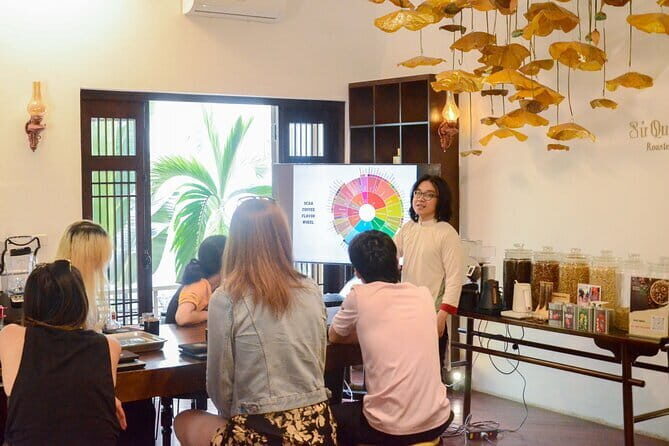
The class meets at Su Quan Roastery, address 75/173 Đ. Hoàng Hoa Thám, Ngọc Hồ, Ba Đình, Hà Nội. It’s the kind of meeting spot that makes sense in Hanoi because it’s near public transportation, and the start-to-finish format returns you back to the meeting point.
Plan for about 2 hours total. The flow is simple and paced:
- You begin with a welcome herbal drink and traditional Vietnamese snacks.
- Then you move into the fresh lotus tea tasting and the guided workshop.
- After the tasting, you do tea brewing practice with support and Q&A time.
- If you want documentation, there’s a certificate available on request.
This structure is useful if you’re the type who gets restless in long, lecture-heavy tours. You get food, tastings, then skills—so you don’t just listen, you also do.
Tasting fresh lotus tea: what you should pay attention to
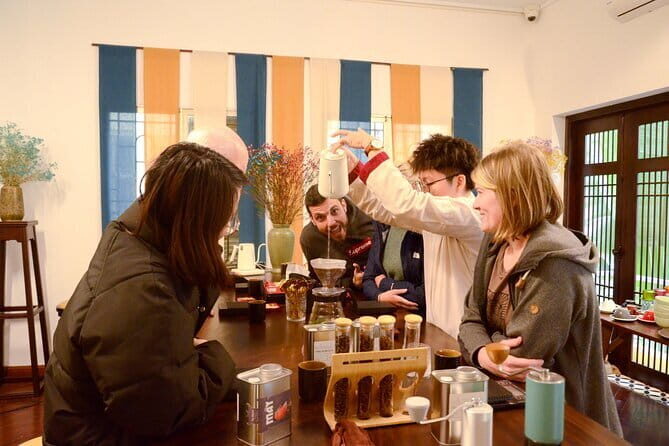
The workshop includes both a fresh lotus tea tasting and a premium West Lake lotus tea tasting, plus a guided walkthrough of what you’re tasting. That two-stage approach helps you learn faster, because you can compare how the floral notes show up after infusion and during brewing.
Here’s what I recommend you focus on while tasting:
- Aroma first: lotus tea often lives or dies by the smell you notice before the first sip.
- Green tea base: you’re not just drinking a flower. The tea underneath gives structure, and it should not disappear under the lotus.
- How the scent changes with brewing: your brewing practice later gives you a reason to pay attention now. Small changes in technique can shift the balance.
You’ll also get cultural storytelling during the session, which helps you interpret what you’re tasting instead of treating it like a random flavor assignment. It’s the difference between drinking something and understanding why people cared enough to develop a craft for it.
The lotus craft lesson: what 1,000 flowers per kilo really means
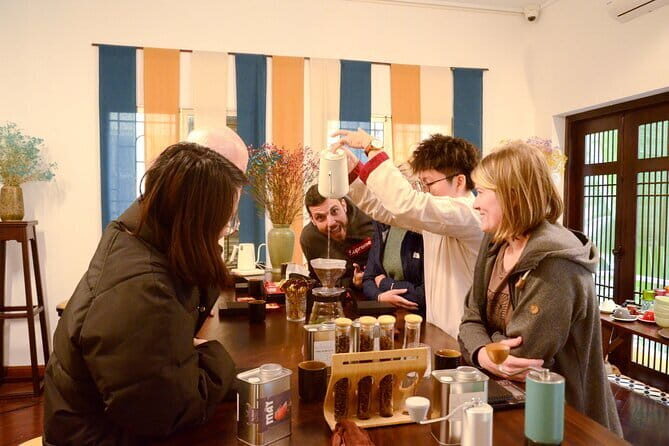
One of the workshop’s big facts is also the best shortcut to understanding the value: it takes over 1,000 fresh lotus flowers to make just 1 kilogram of tea. That scale is hard to picture until someone gives you the context of how labor-intensive lotus processing is.
What you’re learning in the guided workshop is the idea of natural fragrance infusion into green tea. In plain terms: the process relies on patience, careful timing, and respect for nature. The point is to preserve lotus character without turning it into an industrial scent product.
This is where the workshop earns its keep for tea lovers and non-tea lovers alike. Even if you don’t care about chemistry, you can taste the outcome of that effort. And if you do care, you’ll probably enjoy how the session explains the logic behind the method—why a delicate fragrance needs a gentle approach.
Brewing practice: the skill that helps the tea make sense at home
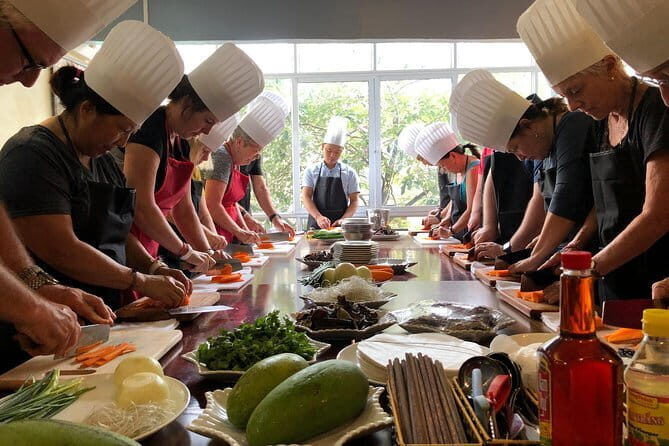
A lot of tasting experiences end right when the cup gets interesting. This one keeps going. You get tea brewing practice, plus a PDF file for Vietnamese Lotus Tea brewing so you’re not trying to remember the steps on your last night in Hanoi.
I like that this part is included because it changes what you get out of the tour:
- It turns a one-time flavor into a repeatable experience.
- It helps you understand how lotus aroma behaves in real brewing, not just in a sample cup.
- It gives you a way to judge any tea you buy later by technique, not just packaging.
If you plan to bring tea home, this is the difference between a souvenir and something you can actually use. Brewing instructions matter, especially for fragrant teas where the balance between aroma and base tea can shift fast.
If you’re worried you’ll forget everything, don’t. You’ll have the PDF guide, and you can ask questions during Q&A.






Culture, Q&A, and the farm support angle
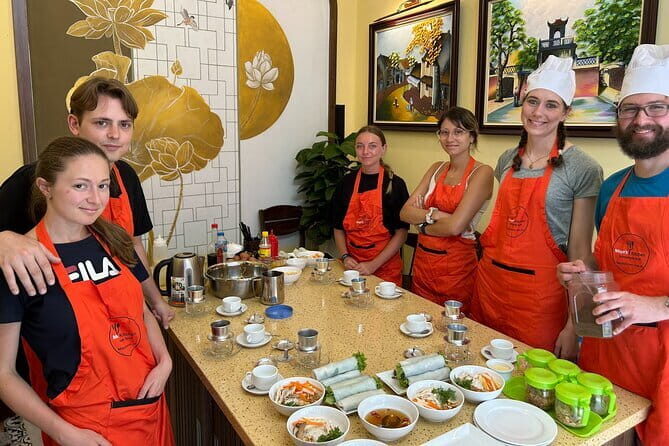
This workshop includes cultural storytelling & Q&A, which keeps the session from feeling like a product demo. Since lotus tea was historically associated with royalty and scholars, the stories help you understand why the craft developed the way it did and why it remained tied to Hanoi and West Lake.
There’s also a meaningful purpose baked into the experience: a portion supports children’s education at the farm. That’s not something you should ignore when you’re deciding whether this fits your budget. You’re paying for a skill-and-culture experience, and you’re also helping fund education connected to the ingredient supply chain behind the tea.
Price and value: is $23 a fair deal?
At $23 per person for about 2 hours, the value depends on what you want out of Hanoi. If you just want one tasty drink, you’ll probably find cheaper ways to drink tea across town. But if you want the story, the tasting, and the brewing skill, this pricing makes more sense.
Here’s why the total package feels reasonable:
- You get welcome herbal drink + Vietnamese snacks.
- You get fresh lotus tea tasting and premium lotus tea tasting.
- You get guided workshop plus brewing practice.
- You get take-home support with a PDF and optional certificate.
And there’s the group size: maximum 20 travelers. Smaller groups tend to mean you can actually ask questions and not just watch from the back row like it’s a theater production.
Who should book this lotus tea workshop (and who might skip it)
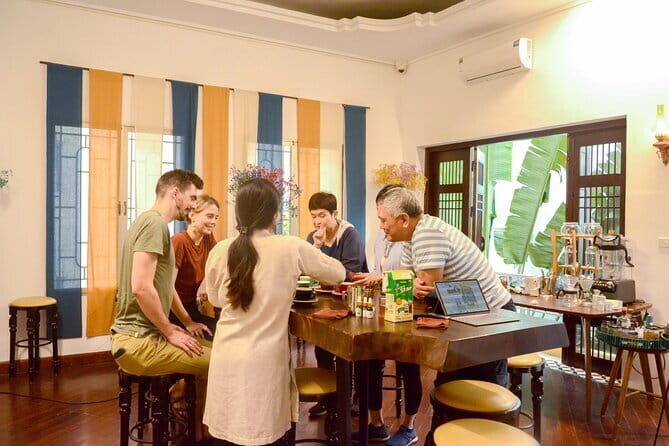
This experience is a great match if:
- You want a Hanoi activity that’s calm and sensory, not just another photo stop.
- You enjoy hands-on learning, especially tasting with context.
- You like crafts with a strong connection to place, like West Lake’s Trà Sen Hồ Tây.
You might skip it if:
- You only want high-energy street food walking tours.
- You’re not interested in brewing or learning how fragrant teas are made.
- You’re traveling at a time when lotus harvest is unpredictable and you strongly want a specific floral profile.
Even then, the workshop still offers cultural storytelling and practical brewing guidance, which can be useful even if you don’t buy tea afterward.
Practical tips so your visit goes smoothly
A few small things can make the experience more comfortable:
- Bring a phone or charger, because you’ll want to capture the steps you’re practicing and refer back later alongside the PDF.
- Expect a 2-hour session, so plan it when you’re not rushing to another reservation.
- If you have luggage, there’s a luggage keeper for up to 3 days—handy if you’re doing a multi-day Hanoi base and don’t want bags hanging around.
The meeting point is Su Quan Roastery in Ba Đình. If you’re relying on local transport, aim to arrive a bit early so you’re not stressed before the first sip.
Should you book Hanoi’s Fresh Lotus Tea from West Lake?
I’d book it if you want a short, well-structured Hanoi experience that mixes culture with a real skill you can repeat. The combination of fresh lotus tastings, the labor-heavy story behind 1,000 flowers per kilo, and the included brewing practice makes it more than a quick tasting stop.
Skip it only if you’re looking for something purely party-like or fast-paced. This one rewards patience. If you enjoy quiet craft experiences where the details actually matter, this is a good use of your time in Hanoi.
FAQ
How long is the Hanoi Tea Workshop?
It lasts about 2 hours.
How much does the experience cost?
The price is $23.00 per person.
What is included in the workshop?
You’ll get a welcome herbal drink, traditional Vietnamese snacks, fresh lotus tea tasting, a guided lotus tea workshop, premium West Lake lotus tea tasting, tea brewing practice, cultural storytelling and Q&A, and a certificate if you request one. You also receive a PDF for Vietnamese lotus tea brewing and luggage keeper service for up to 3 days.
Is the fresh lotus tea always the same?
Fresh lotus depends on harvest time, so seasonal elements may vary.
Where do I meet for the workshop?
You’ll meet at Su Quan Roastery, 75/173 Đ. Hoàng Hoa Thám, Ngọc Hồ, Ba Đình, Hà Nội.
Can I cancel for a full refund?
Yes, free cancellation is available. You can cancel up to 24 hours in advance for a full refund.