REVIEW · HANOI
Hanoi – Sapa 3 Days – 2 Nights Trekking with With the locals
Book on Viator →Operated by Travel New Land · Bookable on Viator
Hitting Sapa usually means a bus and a photo stop. This trip is different: it’s built around trekking with local H’Mông guides, plus village visits that actually explain daily life. I like that the pace is flexible for a small group, and I also like the all-in-one inclusions (transport, entrance fees, most meals, and insurance) so you can focus on the trail instead of paperwork.
The trade-off is simple: this is real hiking. Expect lots of ups and downs, some slippery sections, and the kind of “wear the right shoes” advice that sounds obvious until you’re halfway down a wet path.
In This Review
- Key things I’d pay attention to
- Why This Sapa Trek Feels More Local Than Typical Tours
- Price and What You Really Get for $130
- Day 1: Hanoi to Sapa, Cat Cat Village, and Settling In
- Day 2: Y Linh Ho, Lao Chai (Black H’Mông & Red Dao), and Ta Van
- Day 3: Giang Ta Chai, Su Pan Lunch, and Back to Hanoi
- Muong Hoa Valley and Fansipan: Where the Icons Fit In
- Homestay, Cooking Class, and the H’Mông Guide Advantage
- Trekking Reality Check: Shoes, Rain, and Pace
- Hotel Note: Double-Check Your Sapa Hotel Choice
- Who This Trek Suits Best (And Who It Doesn’t)
- Should You Book This Sapa Trek?
- FAQ
- How long is the Hanoi to Sapa trekking tour?
- What’s included in the tour price?
- What’s the group size limit?
- Do you get picked up in Hanoi?
- Where do you visit during the trek?
- Is there a homestay night?
- Is there a cooking class?
- What meals are included?
- How much time do you have in Sapa town?
- Where does the tour end?
Key things I’d pay attention to
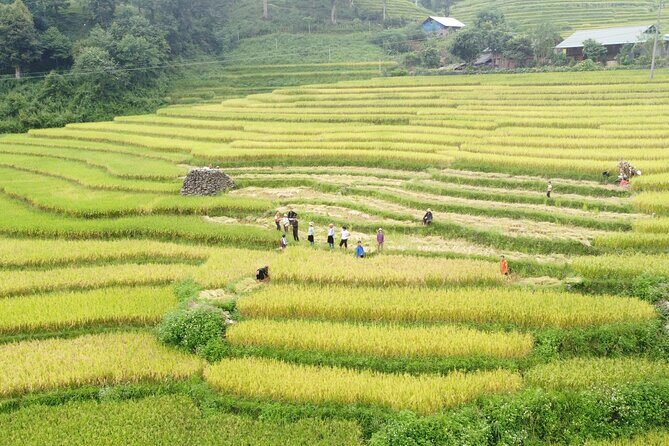
- Small group size (up to 10 travelers) for questions, timing, and pacing
- All-in inclusions: bus transfers, entrance fees, meals, and travel insurance
- Village-to-village trekking with local H’Mông guidance and culture context
- A homestay night plus a cooking class (you’ll do more than watch)
- Comfort reset each day: you return to a 3-star hotel after trekking
Why This Sapa Trek Feels More Local Than Typical Tours
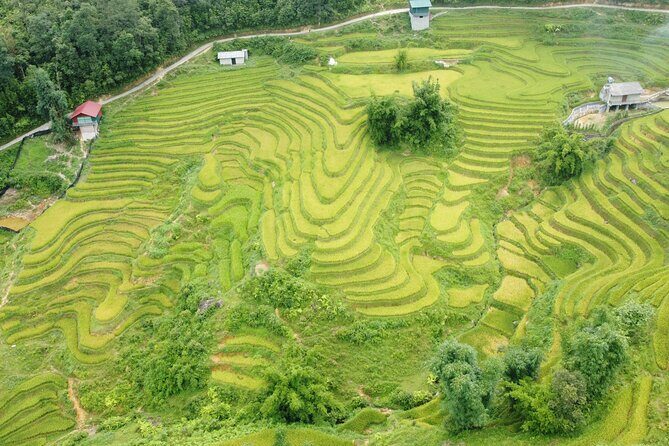
Sapa has a lot of “tourist rhythm.” You get dropped off, you walk ten minutes, you move on. Here, the structure is meant to slow you down. You spend time moving between villages like Cat Cat, Y Linh Ho, Lao Chai, Ta Van, Giang Ta Chai, and Su Pan—places where people live the same routines every week. The guide isn’t just pointing and counting; they’re there to explain customs, traditions, and everyday stories you’d miss if you showed up alone.
I also like the way this works logistically. You don’t have to plan meals, transport, or ticketing. The package is designed so you’re trekking in the morning, eating when it makes sense, and getting back to sleep in proper lodging at night. That’s what makes a 3-day, 2-night trip actually feel doable.
The final “local” touch is the group size. With a maximum of 10 travelers, it’s easier to adjust routes on the fly—shorter stretches if you’re tired, extra stops if you’re curious. That flexibility matters more in the mountains than it does in the city.
You can also read our reviews of more hiking tours in Hanoi



Price and What You Really Get for $130
At $130 per person (3 days, 2 nights), the value is less about the bus ride and more about what’s bundled. The tour includes:
- Round-trip VIP cabin bus between Hanoi and Sapa
- 1 night at a 3-star hotel (Sapa town)
- 1 night in a homestay (private room)
- Local English guide in Sapa
- Entrance fees, listed as free where applicable
- Meals: 2 breakfasts, 3 lunches, and 2 dinners
- Travel insurance
- A cooking class
- Pickups/transport around Sapa during the program
What’s not included is also important: drinks during meals. That sounds minor, but on trek days, you may want more water and occasional soft drinks than you planned. So I’d budget a little extra for drinks, plus any personal snacks.
One more value note: the “no hidden charges” promise is meaningful here because trekking tours often add up with tickets, food stops, and transfer costs. If you want a smooth trip where you know what you’re paying before you go, this package style fits that.
Day 1: Hanoi to Sapa, Cat Cat Village, and Settling In
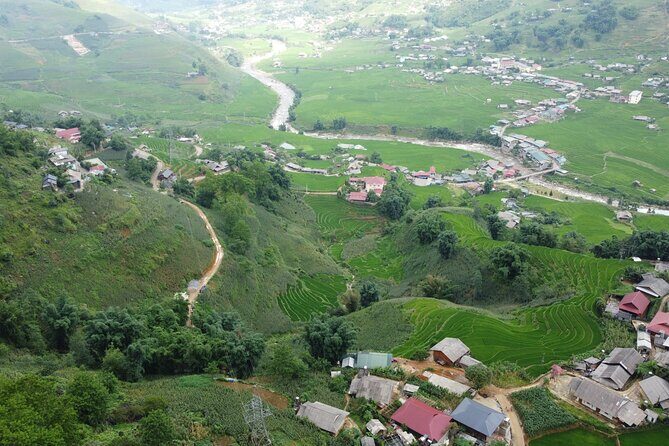
Your day starts early—around 06:00 to 06:30. A small transfer bus brings you from your Hanoi hotel area to the main departure point, then you board a bigger bus for the highway run to Sapa (about 5 hours). The departure timing matters because it gives you enough daylight to arrive, eat, and still see something that evening.
By the afternoon you reach Sapa town around 13:00–13:30. You transfer to your 3-star hotel, get lunch at the hotel restaurant, and check in. This is a smart move: after a long ride, you don’t want to chase transportation or find your own meal plan.
Then comes Cat Cat village. You’ll walk to visit the village for about 2.5–3 hours. This stop focuses on H’Mông customs and everyday habits, not just scenery. It’s also a gentler way to “start” Sapa—good for getting your legs used to uneven terrain without jumping straight into the toughest ridge climbs.
A practical note: even on Day 1, the walking can involve rough ground. Bring shoes that won’t punish you later. The trip may feel relaxed at first, but by Day 2 the mountain makes the rules.
Day 2: Y Linh Ho, Lao Chai (Black H’Mông & Red Dao), and Ta Van
Breakfast is at the hotel, then you check out and leave heavier luggage behind. You hike with a smaller bag—this is one of those details that seems small until you’re holding a heavy pack on a slope. The routine is: keep it light, take only what you’ll need during the walk.
Morning stop: Y Linh Ho (about 07:00–08:00 breakfast, then trekking). This area sets the tone for the day—views, stair-like terrain, and long enough walking segments that you’ll really feel the rhythm.
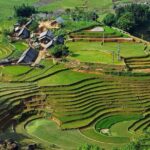
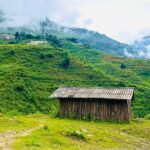
Next is Lao Chai, around 10:30, roughly 6 km from Sapa town. This village is home to Black H’Mông and Red Dao communities, and the tour route highlights their place between the Hoàng Liên Sơn mountain range and Hàm Rồng mountain. Even if you don’t know the geology terms, you’ll feel the geography: wide valleys, steep sides, and the way paths connect homes along the slope.
Lunch timing lines up with movement. You’ll go onward toward Ta Van village around 12:00. Ta Van is described as sitting in the middle of the Hoàng Liên Sơn range, and that makes sense once you’re walking there: the mountains frame your route like walls, and you start seeing how the villages are shaped by what the terrain allows.
This is the day where the “with locals” part becomes the whole point. The guide is guiding your feet, yes. But also your eyes—how to look at textiles, how daily life works, what certain customs exist for, and what people think about the world outside the valley.
What to watch for: the trail is not just “pretty walking.” Expect continual changing ground conditions. Some parts can be slick, and the ups and downs add up.
Day 3: Giang Ta Chai, Su Pan Lunch, and Back to Hanoi
On Day 3, you start with breakfast at your homestay, then do the morning check-out rhythm. Your next hiking block begins around 09:30 with village visits including Giang Ta Chai.
After that, you move toward Su Pan for lunch around 12:30. The lunch is at a local restaurant, giving you a break from homestay meals and a chance to eat in a more familiar setting before the transport back.
Then you’re on the road again. The bus takes you back to Sapa town, and you get around one hour to walk around before heading out. That’s enough time to reset mentally, grab a small last snack, and do a quick look around without turning the trip into a rushed shopping stop.
You then continue to Hanoi, arriving roughly 10:00–10:30pm. The bus drops you at the bus station, and your tour ends back at the meeting area—so you’ll arrange the last bit back to your hotel on your own.
If you’re planning your Hanoi day the next morning, keep it light. A mountain trek plus a long night bus ride is a lot, even when it’s fun.
You can also read our reviews of more tours and experiences in Hanoi



Muong Hoa Valley and Fansipan: Where the Icons Fit In
Sapa’s famous spots can be a trap: they’re popular because they’re dramatic, but you can end up with a route that barely touches local life. This package aims to combine the icons—like Muong Hoa Valley and the Fansipan area—with smaller village trails and quieter paths.
You shouldn’t treat that as a guarantee that you’ll spend the entire day at one famous viewpoint. The plan is more about balance: you’ll spend real time walking through villages, then still cover the broader Sapa region that people travel for. If you’re hoping for classic “standing in one place and taking photos” tourism, this won’t match that style. If you want the region’s highlights through movement, it will.
Homestay, Cooking Class, and the H’Mông Guide Advantage
Two nights in Sapa is the sweet spot for a trek like this. One night in a 3-star hotel keeps the logistics sane at the start. Then the homestay night adds something different: you get a closer look at the pace of village life and what “sleeping there” actually means.
The package also includes a cooking class. Even without the exact recipe details being spelled out, the point is clear: you’re not just eating food somewhere. You learn how it’s prepared, and you’ll usually pick up context from the people teaching it.
The “with locals” part doesn’t mean you’re left alone with a language barrier. You travel with a local English guide in Sapa, plus H’Mông guides on the trekking side of the itinerary. That matters because village visits work best when you understand what you’re seeing. You’ll likely hear explanations tied to daily work, traditions, and how communities live across the seasons.
One practical consideration: homestays often mean simple setups compared to hotels. The tour lists a private room, which helps a lot. Still, keep expectations grounded: you’re there for the experience, not the luxury checklist.
Trekking Reality Check: Shoes, Rain, and Pace
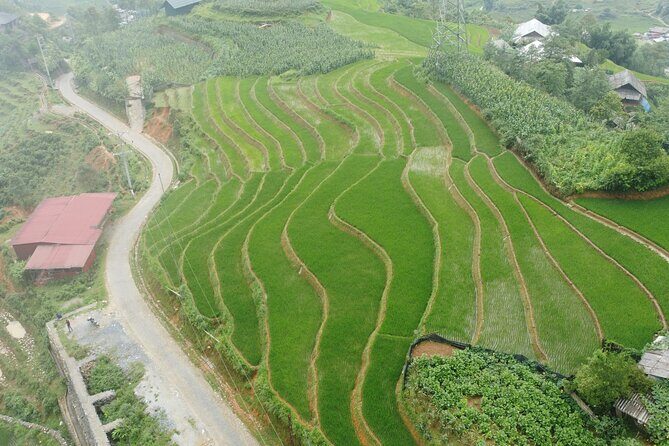
This trip comes with a clear warning label written in the way the itinerary is built: there are many climbs and descents, and some sections can be slippery. That’s not “maybe.” In Sapa, wet paths are common, and mountain trails can feel steeper than they look from a distance.
I’d treat your gear like the main attraction:
- Wear proper trekking shoes with grip
- Bring layers (mornings can feel cooler than midday)
- Keep your bag light on trek days
- Pack a small rain layer if weather turns
The trip also notes that you can adjust the trekking pace and even add or remove stops according to fitness level and interests. That’s helpful, but don’t plan to “power through” without good footwear. If you go in expecting a gentle walk, you’ll end up negotiating with the mountain instead of enjoying it.
Also, sunrise-to-late-morning walks mean you’ll want a bit of energy discipline. Eat when food is offered, and don’t skip water because you feel fine. The climbs can catch you at hour three.
Hotel Note: Double-Check Your Sapa Hotel Choice
Here’s the one caution I’d take seriously. There’s at least one strong negative note about the Delta Sapa hotel. The tour includes 1 night at a 3-star hotel, but it doesn’t guarantee the exact property in the details you have.
So my advice is simple: when you get your hotel assignment, confirm it early and ask what kind of room you’ll get. If Delta Sapa is the one listed, I’d press for alternatives or at least double-check what “3-star” means in practice for your specific dates.
This isn’t about expecting perfection. It’s about making sure the sleep part of the plan doesn’t undercut the trek.
Who This Trek Suits Best (And Who It Doesn’t)
This itinerary fits best if you:
- Want village trekking with local guides, not only sightseeing
- Like a structured plan where meals and transport are handled
- Are comfortable walking in uneven terrain and can handle stairs-like climbs
- Prefer a small group for questions and flexible pacing
It’s less ideal if you:
- Want a totally relaxed, flat hiking experience
- Have very limited mobility or difficulty with steep descents
- Are sensitive to slippery surfaces and don’t have good traction shoes
If you’re the kind of traveler who likes learning through conversation—why people live where they live, how traditions show up in everyday life—this tour style is a strong match.
Should You Book This Sapa Trek?
If you want Sapa through local villages, with a guide who explains what you’re seeing, this is a strong booking choice. The included meals, travel insurance, and tight small-group size make it easier to plan and easier to enjoy the day-to-day rhythm. The cooking class and homestay night are also meaningful extras, not fluff.
But don’t ignore the hiking reality. Go in prepared for slopes, stairs, and slippery ground, and you’ll get far more from the experience. Also, pay attention to the specific hotel assignment—especially if your package places you at Delta Sapa.
FAQ
How long is the Hanoi to Sapa trekking tour?
It runs for about 3 days and includes 2 nights (one in a 3-star hotel and one homestay).
What’s included in the tour price?
The tour includes VIP cabin bus transfers, hotel and homestay stays, local English guidance in Sapa, entrance fees, meals (2 breakfasts, 3 lunches, 2 dinners), and travel insurance.
What’s the group size limit?
The tour lists a maximum of 10 travelers.
Do you get picked up in Hanoi?
Yes. There is a small transfer bus from your Hanoi hotel area to the meeting point, then you depart by big bus.
Where do you visit during the trek?
The program includes Cat Cat village and trekking stops at Y Linh Ho, Lao Chai, Ta Van, Giang Ta Chai, and Su Pan.
Is there a homestay night?
Yes. You’ll have one night in a homestay with a private room.
Is there a cooking class?
Yes. Cooking classes are included in the package.
What meals are included?
You get 2 breakfasts, 3 lunches, and 2 dinners. Drinks during meals are not included.
How much time do you have in Sapa town?
You have about 1 hour to walk around Sapa town on Day 3 before returning toward Hanoi.
Where does the tour end?
The tour ends back near the meeting point area in Hanoi after arriving late at night, and you return to your hotel on your own.