REVIEW · HANOI
Hanoi Cooking Class in a Haven of Tranquility – Thom culinary
Book on Viator →Operated by Thơm Culinary · Bookable on Viator
Hanoi gets loud fast. This cooking class gives you a calmer path into Vietnamese food. It pairs a cyclo ride and market visits with a serene herb-and-fruit garden at Thơm Culinary, then turns that learning into hands-on cooking and an unhurried meal.
Two things I really like: the way you learn ingredients before you cook, and the fact that you’re cooking in a small group with a dedicated guide. One thing to consider: you’ll spend part of the day on city streets and in markets, so if you’re sensitive to crowds or traffic noise, plan for that.
In This Review
- Key things about Thơm Culinary’s class
- Thơm Culinary: calm gardens, real Vietnamese plant power
- From cyclo to Dong Xuan: seeing ingredients in their home setting
- What to watch for at market time
- Old City Gate: a quick historic anchor for food culture
- The garden reset at Thom Culinary: harvest, stories, and why herbs matter
- Bonus details that make the setting feel alive
- Hands-on cooking: four dishes, real technique, and plating that matters
- If you’re worried you won’t know what you’re doing
- The feast: herbal drinks, rice wine, desserts, and how to eat Vietnamese-style
- A practical note on rice wine
- Price and value: what $64.31 buys you in Hanoi
- Timing, comfort, and who this fits best
- Who will like this most
- Who might want to think twice
- How to get the most from your class
- Should you book Thơm Culinary’s Hanoi cooking class?
- FAQ
- How long is the Hanoi cooking class?
- What does the class cost?
- Is hotel pickup included?
- Does the experience include market visits?
- How many people are in the group?
- Is a mobile ticket provided?
- What food and drinks are included?
- Is free cancellation available?
Key things about Thơm Culinary’s class
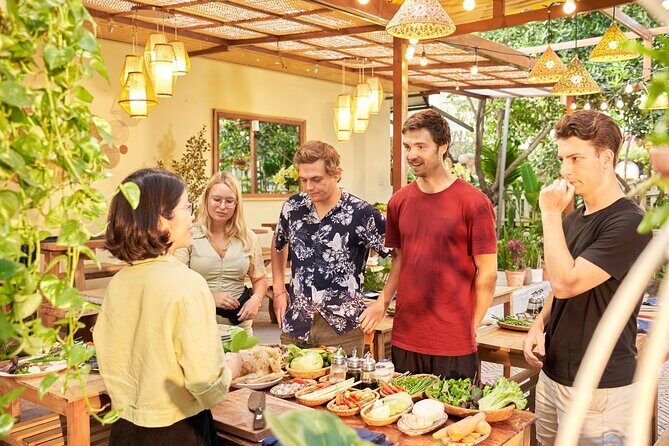
- Market-first learning so you understand herbs, spices, and produce before the first chop.
- Garden harvest of herbs and fruit, then using them right away in your dishes.
- Small group experience with a maximum of 8 people.
- Hands-on cooking for four authentic dishes, plus homemade desserts and sweet treats.
- Included drinks like bottomless herbal drinks and homemade rice wine.
Thơm Culinary: calm gardens, real Vietnamese plant power
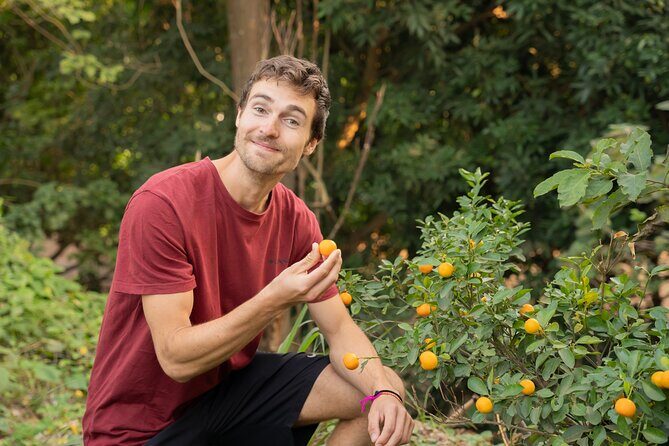
If Hanoi is your “big city” stop, this experience gives you a controlled contrast. You’ll start out in the market world, then shift to a quieter place with a garden house feel. The best part is that the garden isn’t just scenery. It’s part of the lesson.
Thơm Culinary focuses on Vietnamese cooking philosophy in a very practical way: flavors in Vietnam often come from balancing contrasts—fresh vs. cooked, fragrant vs. savory, light vs. rich. And a big key is the herb side of the equation. You’re taught why certain plants matter and how they change a dish, not just that they exist.
You’ll also notice how the hosts shape the tone. In the reviews, guides like Trang and Mango come up as warm, story-driven, and organized. You can expect a similar approach: short explanations, then you put it to work at your cutting board.
You can also read our reviews of more cooking classes in Hanoi
From cyclo to Dong Xuan: seeing ingredients in their home setting
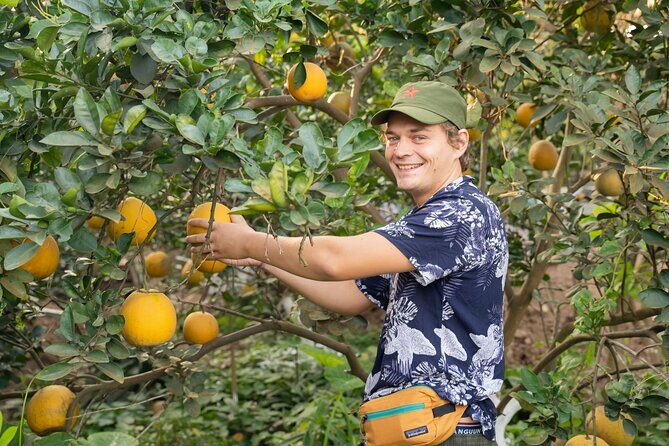
The day starts with a cyclo ride that immediately changes your pace. You get from the hotel pickup to the market zone without navigating everything yourself. Once you’re at the market, it’s not a checklist tour. It’s an ingredient orientation.
Dong Xuan is the hub you’ll hear about in Hanoi, and here it’s used for a purpose: you’re looking for the parts of Vietnamese cooking you’ll actually use later. You’ll find street food delights and local trading, plus a guided look at produce and pantry-style items you might not know by name.
Then the tour continues through market areas tied to Hanoi’s food supply, including mentions of Cầu Đông and Thanh Hà markets. That matters because Vietnamese cooking is not built on one “special ingredient.” It’s built on access—what’s fresh, what’s available, and what’s traditional in the neighborhood system.
What to watch for at market time
Markets can mean strong smells, quick movement, and lots of visual noise. If that’s not your thing, go with a simple strategy:
- Keep your questions short and focused (What is it used for? What does it taste like?).
- Don’t try to sample everything. You’re being guided toward the most useful examples for your cooking later.
Old City Gate: a quick historic anchor for food culture
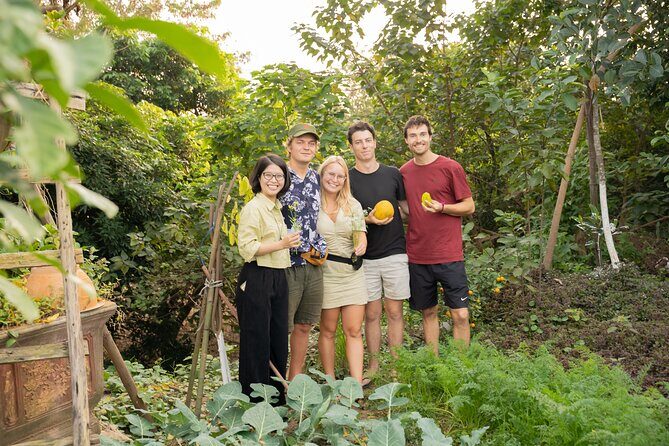
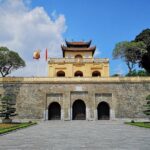
Between the market stops, you’ll pass through the Old City Gate area. This part is brief, but it helps you connect what you’re seeing with the wider city rhythm. Hanoi’s food culture doesn’t live in a museum. It lives at thresholds—near gates, streets, and daily routes.
Think of this as a “context moment” rather than a long sightseeing detour. You’ll understand better why certain foods and ingredient choices show up where they do: because people move, trade, and eat in the same zones over and over.
If you prefer purely functional touring (only what directly helps your meal), you’ll still appreciate this stop because it reinforces the idea that cooking is local history—just in edible form.
The garden reset at Thom Culinary: harvest, stories, and why herbs matter
After the market energy, you’ll head to Thom Culinary’s space: a small oasis away from Hanoi’s constant honking and street chaos. This is where the “haven of tranquility” idea becomes real. The garden setup turns the cooking class into something more memorable than a classroom.
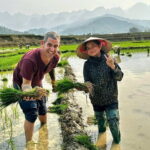
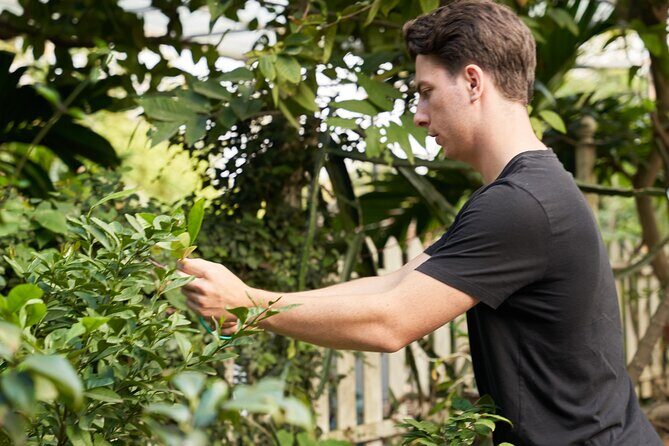
You’ll harvest fresh herbs and explore the herbs and fruit that grow there. This is one of the most praised elements, and it’s easy to see why. When you pick the ingredient yourself, the lesson sticks. You stop thinking in terms of “mysterious green stuff” and start thinking in terms of specific flavor functions—freshness, aroma, and balance.
You’ll also get explanations about:
- The significance of herbs and spices in Vietnamese cooking
- How to balance contrasting tastes and textures
- How “simplicity” can still feel complex when ingredients are treated properly
In other words, you’re learning technique as well as ingredients. It’s not just what to use. It’s how to use it so each component can show its character.
You can also read our reviews of more tours and experiences in Hanoi

Bonus details that make the setting feel alive
The experience also includes visits to a family worship hall and a fish pond on the property. Those stops aren’t meant to turn the day into a sightseeing marathon. They help you understand that the space has daily life layered into it—something a lot of cooking classes skip.
Hands-on cooking: four dishes, real technique, and plating that matters
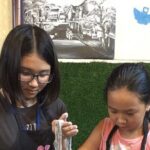
Now you get to the part you actually paid for: cooking. You’ll work through chopping, sautéing, seasoning, and plating while your host guides you. The format is built to help you succeed, even if Vietnamese cuisine is new to you.
The class includes 4 hands-on cooked authentic dishes with guidance. That’s the big value point for me: you’re not watching and waiting. You’re doing the work that builds confidence. By the time you sit down to eat, you’ll understand why certain flavors come together the way they do.
Here’s what makes the approach feel authentic:
- Market learning connects to kitchen choices.
- Herb harvesting isn’t a gimmick—it affects flavor decisions during cooking.
- You’re taught eating etiquette and the stories behind dishes, so it’s not only about taste.
And the group size helps. With a maximum of 8 travelers, you’re more likely to get individual attention when you’re adjusting seasoning or asking about ingredient names.
If you’re worried you won’t know what you’re doing
You’re in good shape. The day is structured so ingredients come first, technique comes second. Even if you can’t pronounce every herb, you can learn by function—what it smells like, what it tastes like, and how it behaves in cooking.
The feast: herbal drinks, rice wine, desserts, and how to eat Vietnamese-style
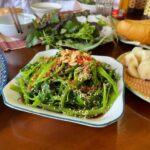
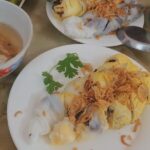
This is where the class turns into a full meal, not a snack. You’ll enjoy the dishes you made, plus additional treats designed to show more sides of Vietnamese flavor.
Included with the meal are:
- Homemade desserts and a unique homemade dessert plus a traditional sweet treat
- Bottomless herbal drinks
- Homemade rice wine
- Exotic fruit
You’ll also get tips on eating etiquette and dish stories. That last part sounds abstract, but it’s practical. Etiquette affects how you order, share, and time your bites. Dish stories give you a way to remember flavors later, instead of tasting once and moving on.
A practical note on rice wine
Rice wine is included as part of the experience, which is great if you enjoy local drinks. If you don’t, you can still enjoy the herbal drinks and the meal—just plan to pace yourself. This class is meant to be social, but it’s also a cooking session with heat and chopping beforehand.
Price and value: what $64.31 buys you in Hanoi
At $64.31 per person, this class sits in the “reasonable splurge” category—especially in a city where street food is cheap. Here’s the value logic I’d use to judge it:
You’re paying for:
- A guided cyclo and round-trip transportation
- Market visits with street food tasting
- Harvesting fresh herbs and fruit
- Cooking four authentic dishes hands-on
- A full included meal with desserts, fruit, herbal drinks, and rice wine
When you add it up, the cost isn’t just for recipes. It’s for time, instruction, transportation, ingredients, and a host-led experience designed to take you from raw produce to finished plates.
Also, the small group size (up to 8) is a quiet advantage. Larger classes can mean less attention while cooking. Here, you’re more likely to get help and feedback when you’re seasoning or adjusting texture.
Timing, comfort, and who this fits best
The experience runs about 4 hours 30 minutes. That’s long enough to cover markets, cooking, and a proper sit-down meal—without eating your whole day.
It’s also set up with practical extras:
- Pickup is offered
- Round trip transportation is included
- Mobile ticket is used
- It’s near public transportation, which can matter if your pickup timing doesn’t match your plans
Who will like this most
You’ll likely enjoy it if you want:
- A structured way to learn Vietnamese ingredients
- Hands-on cooking with guided feedback
- A calmer setting to contrast Hanoi’s street energy
- A meal that feels like part of the lesson, not an afterthought
Who might want to think twice
If you strongly dislike market environments or you’re very noise-sensitive, the market portion may feel intense. The garden portion helps, but it can’t fully remove the street context.
How to get the most from your class
Here are a few ways to make the day click faster:
- Ask about ingredient jobs, not just names: what it’s for, when to add it, and what taste it brings.
- Take photos of herbs and finished dishes, then try to match flavors later when you’re eating in Hanoi.
- Go in curious, not demanding. Vietnamese cooking often makes sense once you understand balance rather than looking for one “dominant flavor.”
And if you see a host named Trang or Mango leading the session, you’re in good company. Reviews highlight clear teaching, warmth, and a strong focus on Vietnamese ingredient culture rather than just recipes.
Should you book Thơm Culinary’s Hanoi cooking class?
Yes, if you want an authentic Hanoi food experience that’s more than a cooking demo. This class has the rare combo of market learning, herb harvest, hands-on cooking, and a satisfying meal that includes drinks and desserts.
Book it especially if:
- You like practical lessons you can carry into your own cooking.
- You enjoy markets but want guidance and context.
- You want a smaller-group experience with real attention.
Skip it (or choose another option) if you want only strict indoor cooking and zero street exposure. The markets are part of the point here.
If you’re trying to understand Vietnamese flavors in a single day, this is a strong bet. You’ll leave with food you made, plus a clearer mental map of how Vietnamese dishes get their balance.
FAQ
How long is the Hanoi cooking class?
It runs for about 4 hours 30 minutes.
What does the class cost?
The price is $64.31 per person.
Is hotel pickup included?
Yes, pickup is offered, and round trip transportation is included.
Does the experience include market visits?
Yes. You’ll visit Dong Xuan market and also stop near the Old City Gate, with additional market areas included in the experience.
How many people are in the group?
The class has a maximum of 8 travelers.
Is a mobile ticket provided?
Yes, you’ll receive a mobile ticket.
What food and drinks are included?
You’ll cook and enjoy 4 dishes, plus you’ll have homemade dessert and a traditional sweet treat, bottomless herbal drinks, homemade rice wine, and exotic fruit.
Is free cancellation available?
Yes. Free cancellation is available up to 24 hours in advance for a full refund.