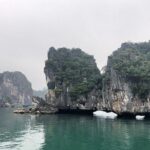
REVIEW · CAT BA
A half day deep water soloing in Lan Ha Bay – Cat Ba.
Book on Viator →Operated by Cat Ba Ventures · Bookable on Viator
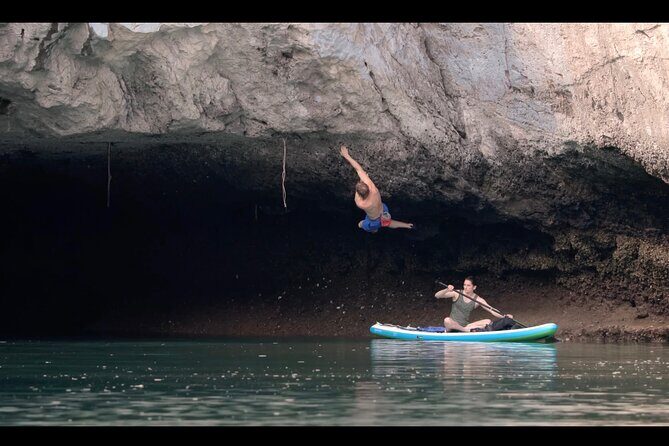
Tides run the show here. In Lan Ha Bay near Cat Ba, you climb limestone rock directly above water, then use the right jumping and landing technique to finish. I love the coaching from an English-speaking local guide (often people like Ninh or Viet), who helps you reach the routes and explains what to look for.
I also like the mix of activities across the tide cycle. You get a boat cruise around key spots, then you move into climbing at the best water level, with optional kayaking after.
One thing to consider: your start time shifts between 8am and 1pm, and the plan depends on tide and good weather. That flexibility is part of the deal with this style of climbing.
In This Review
- Key things I’d plan around
- Lan Ha Bay Deep Water Soloing: What You’re Actually Doing
- Hòn Tay Kéo at High Tide: Technique First, Then Progression
- Three Brothers: Where Route Choice Gets Serious
- Cruise, Floating Fishing Village, and Optional Kayaking at Low Tide
- Price and Value: Why $70 Makes Sense for a Half Day
- Guides, Safety Mindset, and What to Bring
- Who This Tour Fits Best (and Who Might Hesitate)
- Should You Book Cat Ba Ventures for This Half-Day DWS?
- FAQ
- How long is the deep water soloing tour in Lan Ha Bay?
- What time does the tour start?
- Where do you climb first?
- What climbing grades are available?
- Is kayaking included?
- What’s included in the price?
- Is the tour private?
Key things I’d plan around
- Tide-led timing: high tide shapes the climbing, low tide opens better water for cruising and kayaking
- Two climbing zones: Hòn Tay Kéo first, then Three Brothers for more route choice
- Grades from 5a up to around 7c: enough variety to challenge without feeling lost
- Technique coaching before you jump: jumping and landing tips at the first site
- English support and real route-finding help: guides point the way to the holds and the next line
- Climbing shoes and 1.5 liters of water included: the logistics are simple for a half day
Lan Ha Bay Deep Water Soloing: What You’re Actually Doing
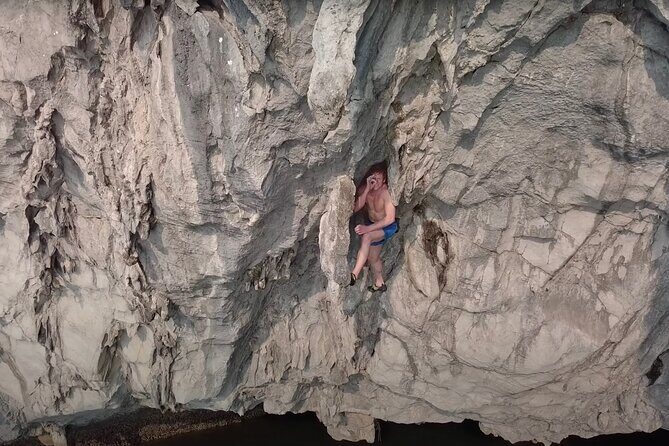
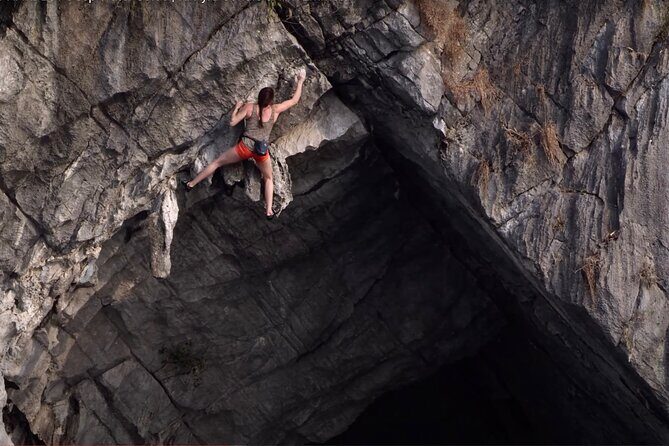
This is a half-day deep water soloing (DWS) outing in Lan Ha Bay, run from Cat Ba. The core idea is simple: you climb rock on limestone cliffs above water, and your landing is in the bay rather than on a crash pad. That means technique matters more than raw power. The guide’s job isn’t just to lead you to rock. It’s to get you thinking about height, body position, and how to touch down safely.
I like that the tour is designed around the bay’s rhythm. You don’t just pick a cliff and hope the conditions work. The plan uses tide levels to decide when you climb, when you cruise, and when kayaking makes sense. That keeps the experience feeling active instead of rushed.
Also, this is a private format, so you won’t be stuck sharing your climbing time with a long line of strangers. Your group gets focused attention, and the guide can adapt to your level and comfort.
You can also read our reviews of more tours and experiences in Cat Ba.

Hòn Tay Kéo at High Tide: Technique First, Then Progression
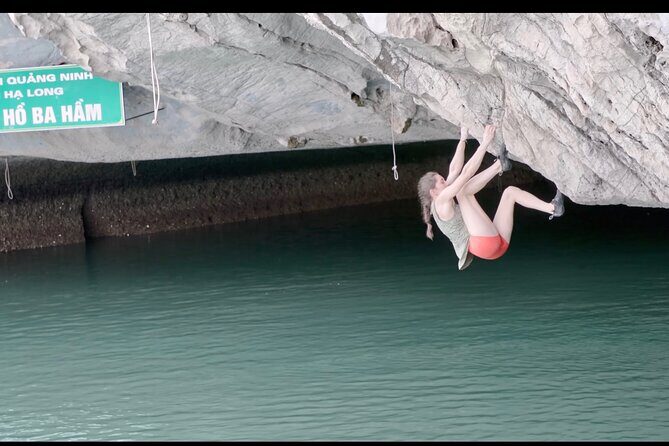
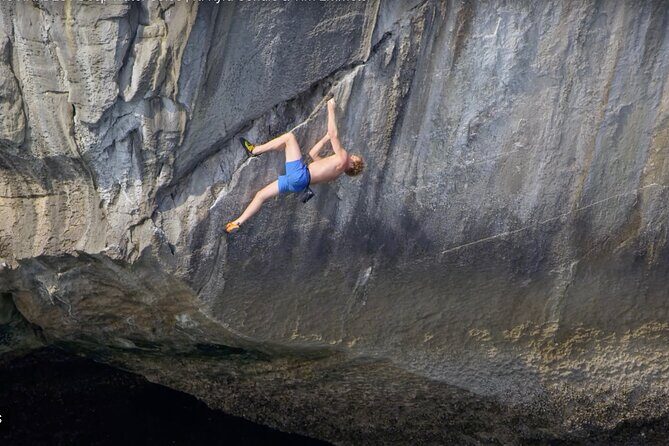
Your climb typically starts at the first location called Hòn Tay Kéo. The guide will give a short, practical briefing on jumping and landing technique right where you’ll apply it. This is one of the most valuable parts of the day. Even if you’ve climbed before, DWS has its own rules because the water is your safety net.
Here’s the flow you can expect:
- You warm up on easier routes first to learn the height and get your rhythm
- The guide explains the tide schedule and helps you understand which route grades match what you can handle
- After you move comfortably, you step up to more advanced lines
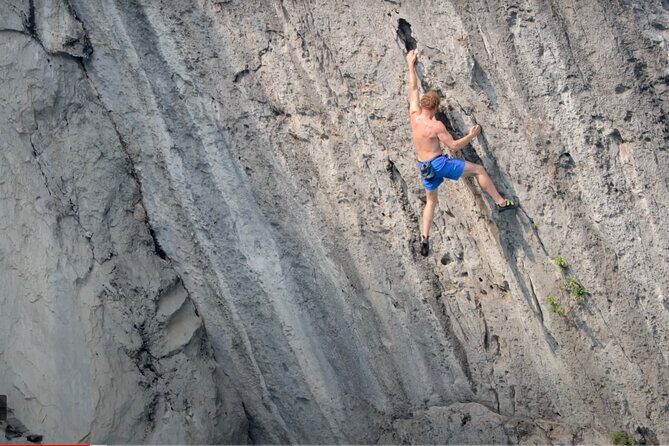
The route grading range listed for these areas is wide, roughly 5a up to 7c depending on the site and the specific route you choose. That matters because it keeps the day from being all-or-nothing. If you’re new to outdoor DWS, you can get real practice without immediately going way out of your comfort zone. If you’re more experienced, you still have room to push.
One thing I picked up from past participants’ experiences is how hands-on some guides get. Guides have been praised for giving very clear route direction—sometimes even using a visual pointer (one guide used a laser to indicate the next hold). That kind of coaching can cut down time spent guessing and helps you stay calm when you’re up high.
Three Brothers: Where Route Choice Gets Serious
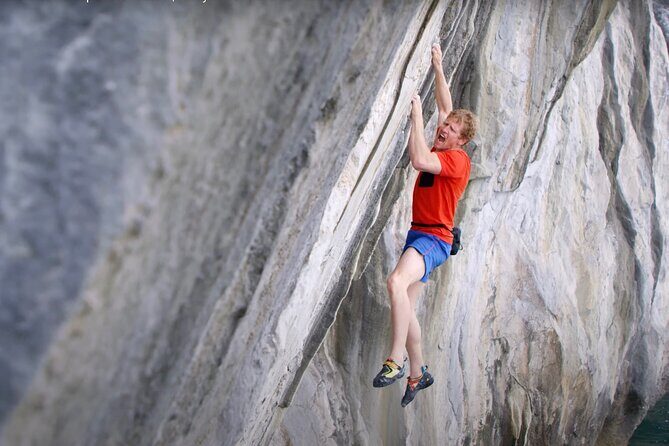
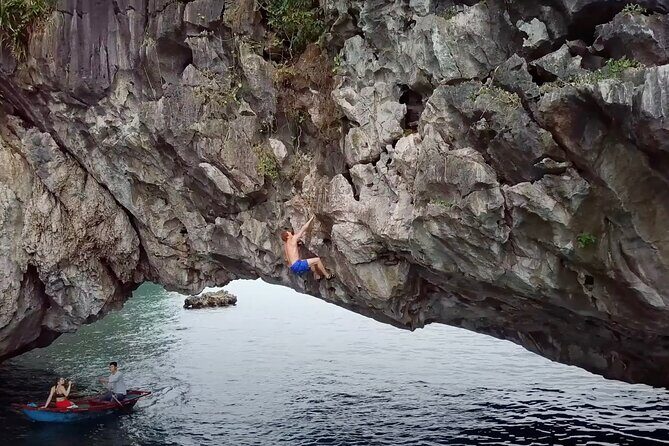
After Hòn Tay Kéo, the tour moves to a tougher climbing area called Three Brothers. This is the spot where you usually get more line variety. The day plans mention over 15 routes here, with grades again spanning roughly 5a to 7c.
The practical benefit of Three Brothers is options. If you’re having a good day, you can keep trying harder routes. If you’re cautious, you can repeat a safer grade and focus on clean movement and controlled jumping. Because this is private, your guide can adjust the sequence based on how you’re doing, not just on a fixed route checklist.
Also, the environment here is part of why people love DWS in Lan Ha Bay. The rock sits right above open water, and the whole finish depends on how well you handle the commitment of leaving the wall. That makes coaching and confidence building especially important at this stage.
If you’re coming with a mixed level group, this kind of grading range is exactly why DWS here works better than a one-grade-only activity. You can find something that challenges you without forcing everyone into the same level.
Cruise, Floating Fishing Village, and Optional Kayaking at Low Tide
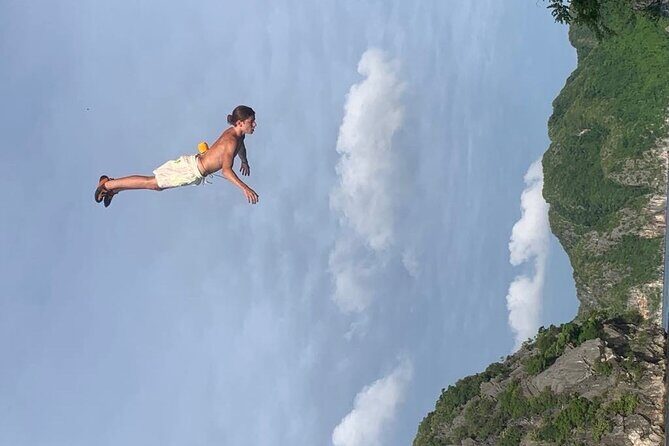
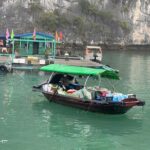
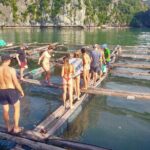
Between climbing sessions, you’re not stuck on land. The tour includes a boat cruise around Lan Ha Bay and stops in scenic areas, including a floating fishing village. That matters because DWS days can feel mentally heavy. A bit of moving scenery helps reset your energy without losing the sense of place.
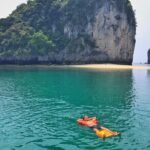
The kayaking part depends on timing. The tour structure uses tide, and after climbing, if there’s free time you may go kayaking around the limestone islands. Another option mentioned is swimming or resting in the bay if you want a break after the climbs.
This is also where the tide planning pays off. When the tide is low, kayaking routes can feel more convenient and scenic, with calmer access to smaller water passages around the islands. You get a chance to see the bay from the water level rather than only from the cliff edge.
If you like your “active” travel days to include more than just one sport, this blend is a strong reason to pick this itinerary over a climbing-only day.
Price and Value: Why $70 Makes Sense for a Half Day
At $70 per person for about four hours, this isn’t priced like a casual sightseeing cruise. You’re paying for guide expertise, route coaching, and the boat-and-tide logistics needed to reach and climb safely in the right conditions.
What’s included is also useful:
- Bottled water (1.5 liters)
- Climbing shoes
Climbing shoes matter because DWS often involves awkward edges and precise footholds. If you show up without the right footwear, you’ll spend your energy fighting your shoes instead of learning the movement.
What’s not included:
- breakfast
- coffee or tea
- alcoholic beverages
So if you need caffeine or something to eat before you start, plan it around the 8am or 1pm departure. The meeting point is in Cat Ba town (223 Một Tháng Tư, TT. Cát Bà), and the activity ends back there, so you don’t need to think about complicated transfers at the end of the climb.
The private format also improves value. You’re less likely to feel rushed between stops, and your guide can spend more time with your group rather than managing a larger crowd.



Guides, Safety Mindset, and What to Bring
An English-speaking local guide runs the experience. In real terms, that means you’re not just getting directions. You’re getting help choosing routes, finding them quickly, and understanding what to do at the edge. That’s especially important here because DWS decisions are immediate: one wrong expectation about landing or timing can be stressful.
Based on how guides have been described in past experiences, some go beyond basic instruction. People have highlighted guide behaviors like:
- taking lots of photos and videos
- helping with route selection in a way that matches your ability
- using very direct visual cues for holds
- offering quick comfort support when arms get tired (one guide was even praised for a forearm massage)
While you shouldn’t count on every extra comfort detail, the overall theme is consistent: you’ll get a guide who cares about making the climbing feel doable.
What to bring (practical but not over-invented):
- swim-ready clothing or gear you’re comfortable getting wet
- a towel and dry shirt for the ride back
- a small day bag for phones and valuables
- basic sun protection (this bay has a lot of open sky)
- your own water bottle if you prefer, though the tour supplies 1.5 liters
Moderate physical fitness is recommended. That doesn’t mean you need to be a pro climber. It does mean you should be able to climb, move on rock, and handle repeated short efforts without feeling crushed by fatigue.
Who This Tour Fits Best (and Who Might Hesitate)
This works best for:
- climbers with some technique who want a new setting (DWS in open water is a different skill test)
- travelers who like active days but still want a cruise and optional kayaking
- groups where you want different grade options, not one fixed route level
It might be less ideal if:
- you hate changing plans on short notice (tide level and weather affect start and flow)
- you’re looking for a laid-back, zero-impact day (this includes climbing and commitments from height)
If you’re new to outdoor climbing, focus on the early warm-up stage. The tour is built to start easier first and step up as your confidence and control improve.
Should You Book Cat Ba Ventures for This Half-Day DWS?
I’d book it if your goal is one memorable half day in Lan Ha Bay that mixes climbing, boat scenery, and water time. The tide-based approach is more than a detail—it’s the reason the day can feel smooth instead of chaotic. And the inclusion of climbing shoes plus the careful coaching described for guides like Ninh or Viet is a solid foundation for a first DWS experience.
I’d pause only if you know you can’t handle timing shifts or if bad weather would ruin your schedule. This activity needs good conditions, and the day is tide-dependent.
If you want a Cat Ba plan that feels authentic, active, and very “here’s your route, go do it,” this is a strong choice.
FAQ
How long is the deep water soloing tour in Lan Ha Bay?
It runs for about 4 hours.
What time does the tour start?
It starts either at 8am or at 1pm, depending on the tide level.
Where do you climb first?
The first climbing area is called Hòn Tay Kéo.
What climbing grades are available?
Routes are listed from about 5a up to 7c, depending on the location and route choice.
Is kayaking included?
Kayaking is available after climbing if there is free time, especially around low-tide conditions.
What’s included in the price?
Bottled water (1.5 liters) and climbing shoes are included.
Is the tour private?
Yes, it’s private and only your group participates.