REVIEW · HANOI
Hanoi Coffee Class with Egg, Coconut, Salt, and Dripping Coffee
Book on Viator →Operated by Hanoi Backstreet Tours - REAL · Bookable on Viator
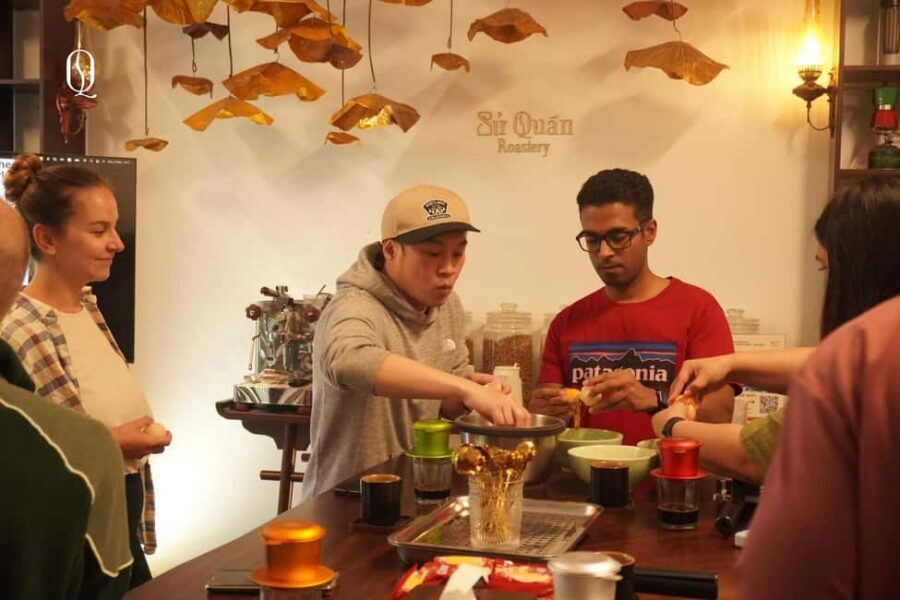
That first drip hits different. This Hanoi coffee class turns a caffeine habit into a hands-on lesson, with you making dripping coffee, plus the famous variations like egg coffee, salt coffee, and coconut coffee. It takes place in a character-filled cafe in the Old Quarter area, so the setting feels like part of the experience, not a waiting room.
Two things I really like: you make multiple drinks from scratch in just about 2 hours, and you get the cultural context alongside the technique (so you understand what you’re tasting and why it matters in Hanoi). One thing to consider: if you’re not comfortable with strong black coffee or egg-based drinks, the egg coffee may be a stretch, since it is one of the core specialties.
In This Review
- Key Highlights You’ll Care About
- Hidden Gem Cafe Hanoi: Your Small-Group Coffee Workshop Base
- What You Learn: Dripping Coffee Plus Egg, Salt, and Coconut Variations
- The drinks you’ll be making
- From Condensed Milk to Drip Technique: How the Drinks Actually Work
- Egg Coffee, Salt Coffee, Coconut Coffee: Flavor Notes and Who Will Like Them
- Egg coffee
- Salt coffee
- Coconut coffee
- The Hanoi Coffee Culture Portion: More Than Just a Sip
- Price and Logistics: Why $25 Feels Fair for Hanoi
- Who This Class Suits Best (and Who Might Skip It)
- What to Bring and How to Prepare
- Should You Book This Hanoi Coffee Class?
- FAQ
- How long is the Hanoi coffee class?
- What types of coffee will I learn to make?
- Where does the class start?
- How many people are in the class?
- Is the ticket mobile?
- Can I get a full refund if I cancel?
Key Highlights You’ll Care About
- Small group size (max 8) keeps the lesson hands-on rather than a demo from the back row.
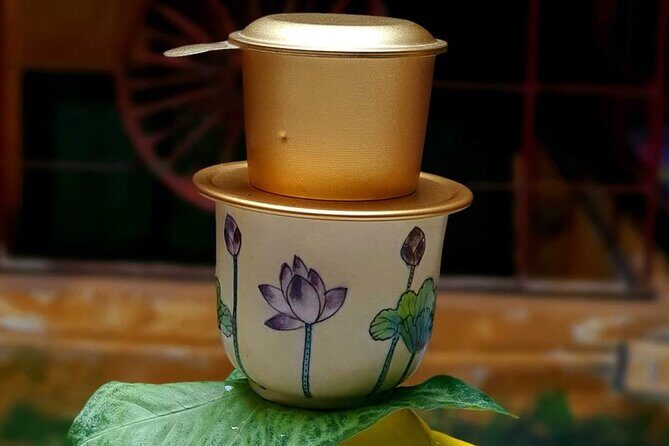
- Five drinks in one session: dripping black coffee, condensed-milk style coffee, plus egg, coconut, and salt coffee.
- An eco-minded cafe setting where furniture and decor are repurposed, adding a feel-good layer to your morning or afternoon.
- Technique + culture so you’re not just copying steps, you’re learning why Hanoi coffee developed its own flavors.
- Staff interaction matters; guests consistently call out the host and the friendly vibe during the class.
Hidden Gem Cafe Hanoi: Your Small-Group Coffee Workshop Base
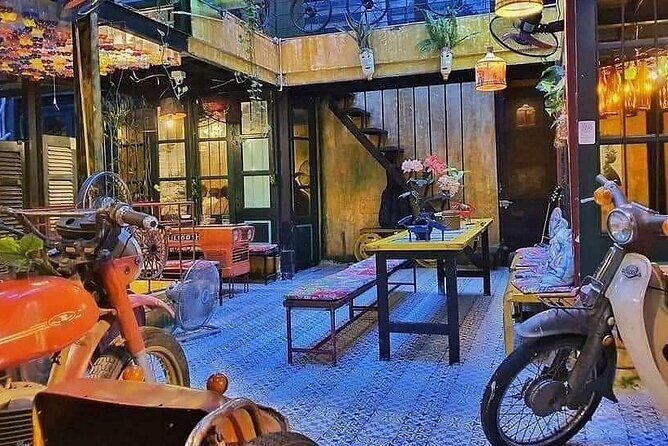
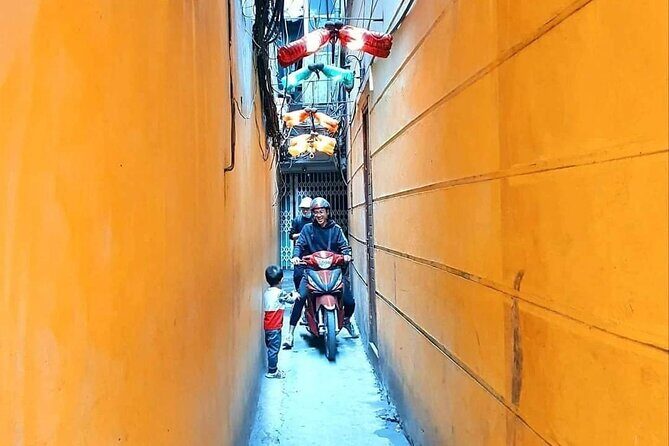
This class meets at Hidden Gem Cafe Hanoi, on 1 Hàng Mắm, in the Old Quarter area. The location is right where you want to be if you’re already walking around Hanoi’s older streets, and the tour notes that it’s near public transportation, which helps if your day is already packed.
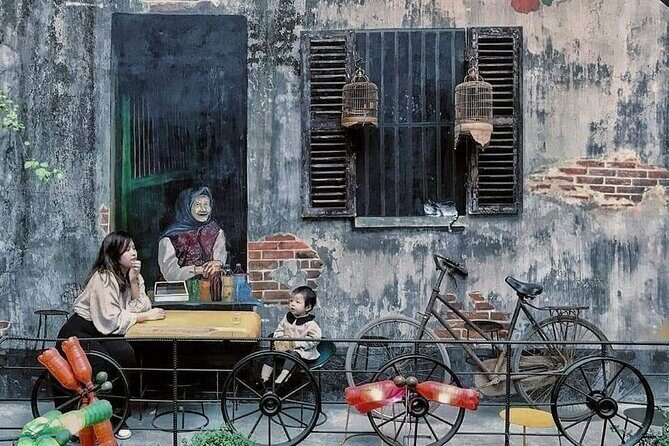
The venue itself is part of why this experience feels different. It’s described as eco-friendly and focused on recycling, with furniture and decorations creatively repurposed. In practical terms, that means you’re stepping into a space that feels curated by real people with real principles—more interesting than a plain classroom, and easier to relax in while you learn.
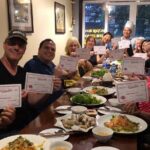
Because the group is capped at 8 travelers, you’re not just standing there watching. You can ask questions, get coached while you pour and prepare, and actually taste the drinks you create rather than rushing through them.
You can also read our reviews of more tours and experiences in Hanoi



What You Learn: Dripping Coffee Plus Egg, Salt, and Coconut Variations
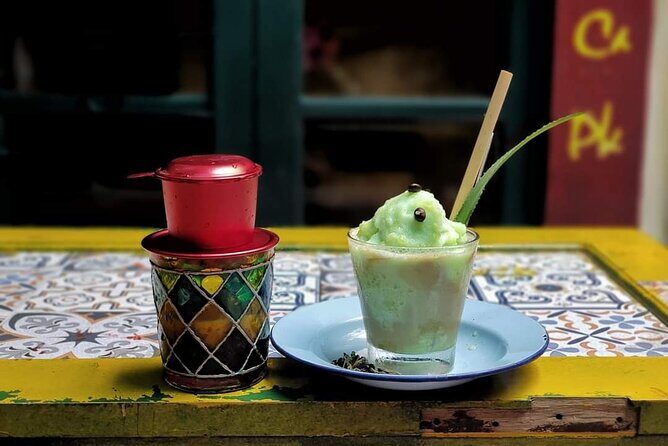
The core of the workshop is simple to describe, but fun to experience: you learn the art of making Vietnamese-style coffee, including dripping coffee and three Hanoi specialties—egg coffee, coconut coffee, and salt coffee.
You’ll also cover at least one condensed-milk approach, plus the classic dripping black coffee method. The goal is that by the end of the session, you understand the workflow well enough to reproduce the main ideas later, even if you tweak the details.
From the reviews, the most praised part is how much you get to make. People consistently mention making five different coffees from scratch, not just sampling. That matters because the technique is the real value here: when you control the steps, you start noticing what changes the flavor and texture.
The drinks you’ll be making
- Dripping black coffee (the foundational style)
- Coffee with condensed milk (a Hanoi favorite for sweetness and body)
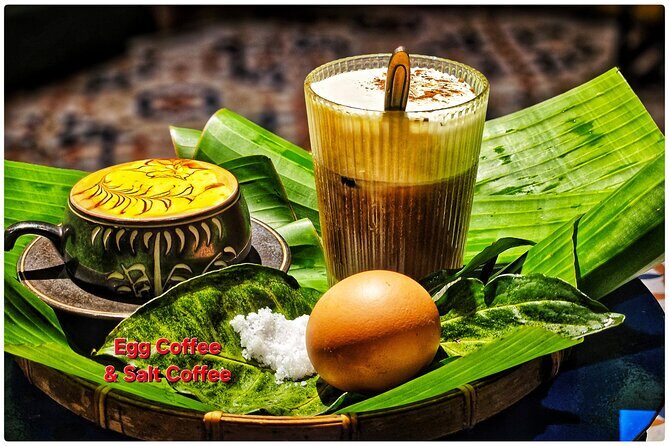
- Egg coffee
- Coconut coffee
- Salt coffee
If you love coffee experiments—without going full mad scientist—this is your kind of class. And if you’re mainly curious, don’t worry. The structure is built around guiding you through each specialty.
From Condensed Milk to Drip Technique: How the Drinks Actually Work
Vietnamese coffee has a reputation for being strong, sweet, and bold, and you’ll feel that instantly once you’re making it. What’s great about this class format is that you start with the method (dripping) and then branch out into the variations.
Even if you’re not a chemistry person, you’ll learn what to pay attention to:
- The dripping process: how the pace affects strength and flavor.
- Milk and sweetness choices: how condensed milk shifts the drink’s texture and taste.
- Specialty ingredient logic: why egg, salt, and coconut show up in Hanoi’s coffee culture.
In many coffee classes, you leave with recipes but no understanding. Here, the class explicitly includes insights into the coffee culture and history, so you can connect the technique to the why. That makes the drinks more memorable, because you’re not only tasting flavors—you’re tasting a local habit that developed for reasons tied to everyday life.
Egg Coffee, Salt Coffee, Coconut Coffee: Flavor Notes and Who Will Like Them
Let’s talk about the three specialties people tend to remember.
You can also read our reviews of more tours and experiences in Hanoi



Egg coffee
Egg coffee is one of Hanoi’s signature drinks, and it’s also the one most likely to surprise first-timers. Expect it to be a creamy, distinctive drink that leans into a custard-like vibe. If you like desserts that are not overly fruity—think creamy and smooth—you’ll probably enjoy it. If egg-forward flavors are a hard no, give yourself permission to treat it as a try-and-learn moment, not a must-love.
Salt coffee
Salt coffee can sound odd until you taste it. The idea is that a small amount of salt can make sweetness and coffee flavors feel more balanced and more rounded. If you like salted caramel or savory-sweet snacks, you’ll likely click with this style.
Coconut coffee
Coconut coffee is where you get an aromatic twist. It’s a great option if you want something that still tastes like coffee, but with a warmer, more tropical note. If you’re traveling in humid weather and want a drink that feels lighter than straight black coffee, this is often the one people gravitate toward.
A practical note: the class runs around 2 hours, so you’ll move through the drinks fairly steadily. That’s good for energy and variety, but it means you won’t linger for slow sips like you would at a café table all afternoon. Pace yourself if you’re sensitive to caffeine.
The Hanoi Coffee Culture Portion: More Than Just a Sip
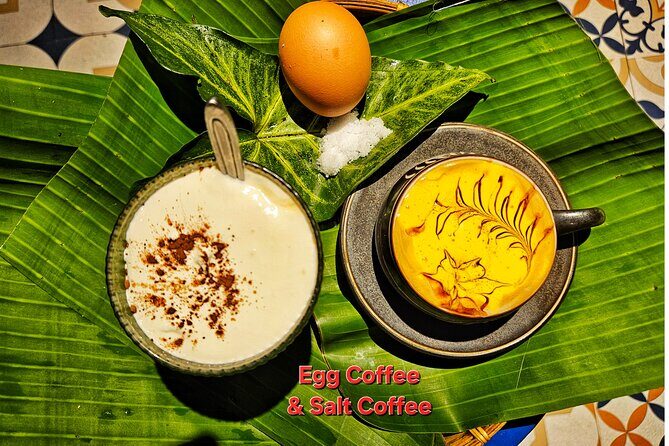
What I appreciate here is that the class doesn’t treat coffee like a standalone novelty. The workshop includes Vietnamese and Hanoi coffee culture and history, plus guidance on the significance behind these popular drinks.
This part helps you avoid the common souvenir-trap problem where you learn how to make something, but not why locals care. When you know a little about how coffee fits into Hanoi life—how people socialize, how they adapt flavors, and how the specialty styles became part of the city’s identity—the drinks feel less like recipes and more like local rituals.
It also makes a difference for conversation. Even if you’re not the type to lecture people about coffee, you’ll have a few grounded points to share: what makes dripping coffee special, what’s unique about the famous Hanoi variations, and how the ingredients connect to taste and tradition.
Price and Logistics: Why $25 Feels Fair for Hanoi
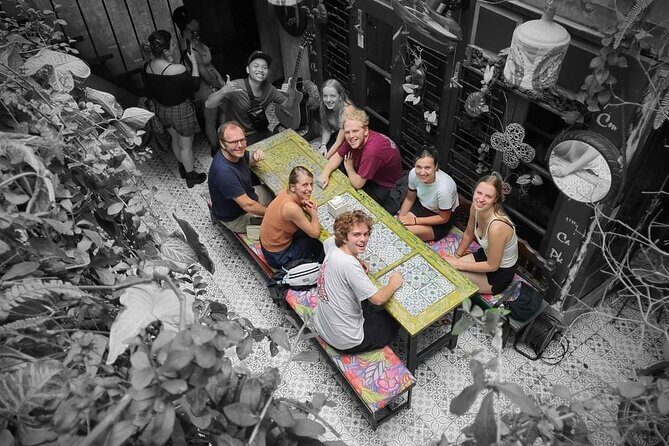
At $25 per person, this class lands in the reasonable range for a hands-on food or drink experience in Hanoi—especially because you’re making multiple drinks.
Here’s how I judge value with classes like this:
- You get time with a host/instructor rather than a quick demo.
- You make multiple specialty drinks, so your cost isn’t tied to a single tasting.
- The class includes technique plus context, which makes it more than just a coffee stop.
The group limit of 8 travelers is also part of the value equation. Smaller groups usually mean better coaching and more chances to ask questions while you’re actually pouring.
You’ll receive confirmation at booking, and the activity uses a mobile ticket. It’s also noted to be near public transportation, and it ends back at the meeting point, which makes it easy to plug into a walking day.
One more practical detail: in one review, a guest wished for a paper with recipes to take home. That’s not something I can promise you will receive, but if having take-home notes matters to you, it’s smart to ask during the class if you can get any written guidance.
Who This Class Suits Best (and Who Might Skip It)
This is ideal if you want a real Hanoi experience that goes beyond ordering a drink. You’ll enjoy it if:
- You like food and drink workshops where you actually make what you eat or drink.
- You’re curious about Hanoi’s famous styles: egg coffee, coconut coffee, and salt coffee.
- You want something structured for about 2 hours without needing museum energy.
You might consider skipping if:
- You dislike egg-based drinks or you have strong aversions to coffee flavors that are bold and dark.
- You’re looking for a sightseeing-heavy tour. This is about coffee and learning, not city wandering.
What to Bring and How to Prepare
This is low-stress. You don’t need special gear; the focus is the lesson and the drinks.
Still, you’ll have a better experience if you:
- Go a bit hungry or ready for a snack, since the session includes pairing time and at least one guest specifically mentioned a snack with the coffee.
- Bring curiosity and patience for the technique part. Dripping coffee is simple in concept, but you’ll learn how small actions matter.
- Consider bringing a notebook or your phone notes. If you’re the kind of traveler who wants to recreate a recipe later, jotting down steps helps.
Also, since the class includes multiple coffee styles, be mindful if you’re sensitive to caffeine. You’ll be tasting and making several drinks in a short window.
Should You Book This Hanoi Coffee Class?
I’d book it if you want a compact, high-value Hanoi experience where you learn a local technique and leave with real skills—not just a photo and a drink. The combination of hands-on coffee-making, a small group, and the extra culture context makes it a smart use of a couple hours, especially for first-timers who want the famous Hanoi specialties without guessing what to order.
Book it if:
- You’re excited about trying and making egg, salt, and coconut coffee
- You want a friendly, guided workshop in a character-filled cafe
- You like learning by doing
Skip it if:
- You won’t drink egg coffee or very bold black coffee
- You’re hoping for a long, slow café hangout rather than a structured class
If your ideal Hanoi day includes strong coffee, short lessons, and a few locals-style stories, this class is a strong match.
FAQ
How long is the Hanoi coffee class?
The class runs for about 2 hours.
What types of coffee will I learn to make?
You’ll learn dripping black coffee, coffee with condensed milk, and Hanoi specialties including egg coffee, coconut coffee, and salt coffee.
Where does the class start?
The meeting point is Hidden Gem Cafe Hanoi, 1 Hàng Mắm, Phố cổ Hà Nội, Hoàn Kiếm, Hà Nội, Vietnam.
How many people are in the class?
The group size is limited to a maximum of 8 travelers.
Is the ticket mobile?
Yes, the tour/activity includes a mobile ticket.
Can I get a full refund if I cancel?
Yes. You can cancel up to 24 hours in advance for a full refund. If you cancel less than 24 hours before the start time, the amount paid is not refunded.