REVIEW · HANOI
Hanoi: 3-Day Sapa Trek with Homestay
Book on GetYourGuide →Operated by VIETNAM OPENTOUR CO LTD · Bookable on GetYourGuide
Sapa starts with a simple idea: walk where the locals live. This 3-day trek from Hanoi to Sapa trades big-city views for rice terraces, village paths, and an overnight homestay where you eat with your hosts and learn the daily rhythm of northern Vietnam.
What I like most is the mix of classic spots like Cat Cat Village plus quieter stretches through H’mong communities at Y Linh Ho and the Ta Van area. The other big win is the guide support and group size: small group, English-speaking help, and a guide like Chu who keeps things moving and explains what you’re seeing (and yes, he even deals with stray-dog moments). The main drawback to plan for is that the hike is real, and Sapa can be brutally cold and foggy in winter, plus homestay comfort isn’t hotel-comfort.
You’ll also want to keep expectations flexible. The program can change with weather and local conditions, so details like timing and the exact way a lunch is done can shift. If you pack warm layers and come for the walking and the people, you’ll have a great time.
In This Review
- Key things to know before you go
- Getting to Sapa from Hanoi: pickup timing and the bus rhythm
- Day 1 in Cat Cat: French-era village, waterfall views, and craft stops
- Day 2: Y Linh Ho terraces, Lao Chai village time, and sleeping with the Giay/locals
- Day 3: rooster mornings, bamboo forest walking, and Giang Ta Chai by way of the silk waterfall
- Price and value: what $182 really buys you
- The guide factor: why Chu’s style matters on these paths
- What to pack for Sapa: warm layers, shoes, and the winter fog reality
- Homestay night: the real cultural exchange (and the comfort tradeoff)
- Who this Sapa trek suits best
- Should you book this Hanoi to Sapa trek with homestay?
- FAQ
- What are the dates and start times?
- Where do you pick up in Hanoi?
- What language are the guides?
- What’s included for meals?
- What kind of accommodation is the homestay?
- Is this trek suitable for everyone?
Key things to know before you go

- Small group pace (max 10 people): easier conversations and less crowding on village paths
- Homestay basics: you sleep locally, not in a hotel, and facilities won’t match Sapa hotels
- Cold and fog are real in winter: altitude means mornings can be hazy or grey, especially Dec–Mar
- Expect selling along the way: crafts are part of the visitor experience, and you may hear pitches during the trek
- Moderate-to-challenging walking: the trek involves multiple village walks; it’s not ideal for kids or older hikers who struggle with longer distances
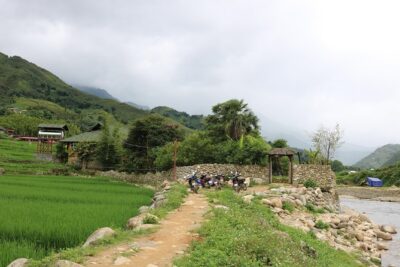
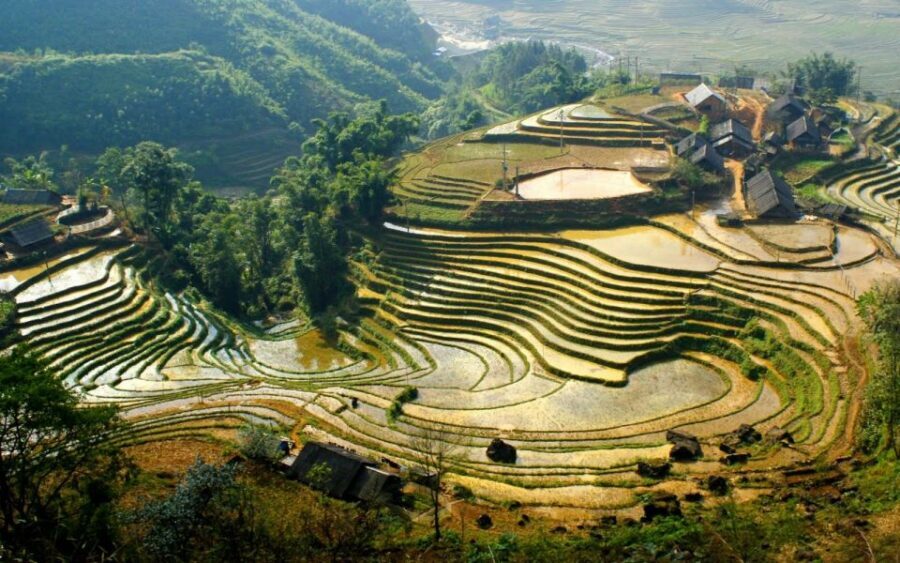
- Photo-worthy terraces: you’ll visit areas with long-view rice fields, including terraces estimated around 100 years old
Getting to Sapa from Hanoi: pickup timing and the bus rhythm
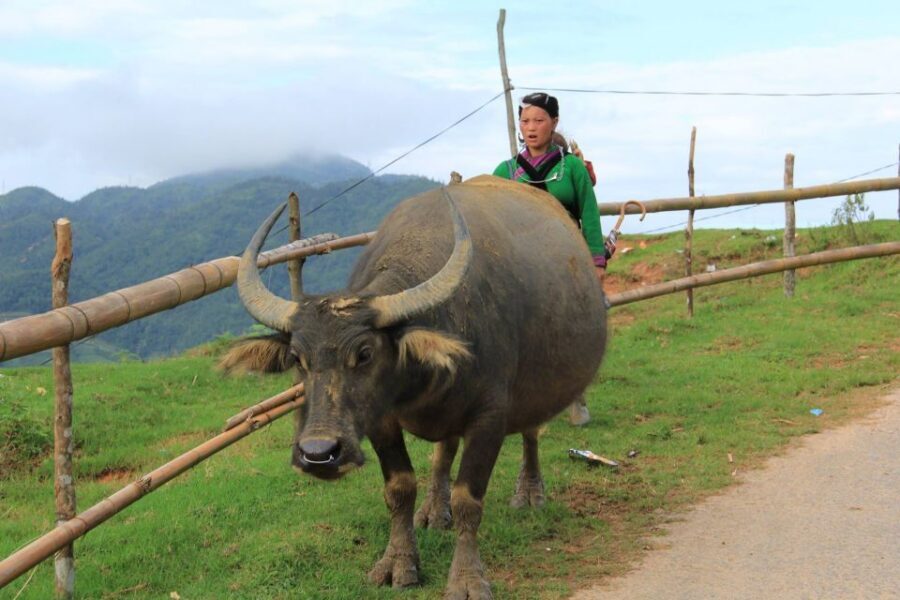
This trip is built around a comfortable shuttle-style bus ride from Hanoi to Sapa, with an English-speaking guide handling the Hanoi–Sapa leg. You’ll get a pickup from the Old Quarter area (Hoàn Kiếm district), roughly 6:30–7:00 AM, or you can meet at 9 Hàng Hương, Hàng Mã at 6:45 AM.
On the road, expect a couple of comfort breaks as you pass through the Lao Cai area before reaching Sapa Town. That matters because Sapa mornings can start late by village standards—your schedule needs to land you in town with enough time to get lunch, check in, and still head out to Cat Cat in the afternoon.
One practical point: the program is designed for morning arrivals. If you’re coming from elsewhere in Hanoi the night before, give yourself buffer time getting to the Old Quarter pickup point. The tour starts early, and you don’t want to be the reason the group misses the first handoff.
You can also read our reviews of more hiking tours in Hanoi



Day 1 in Cat Cat: French-era village, waterfall views, and craft stops
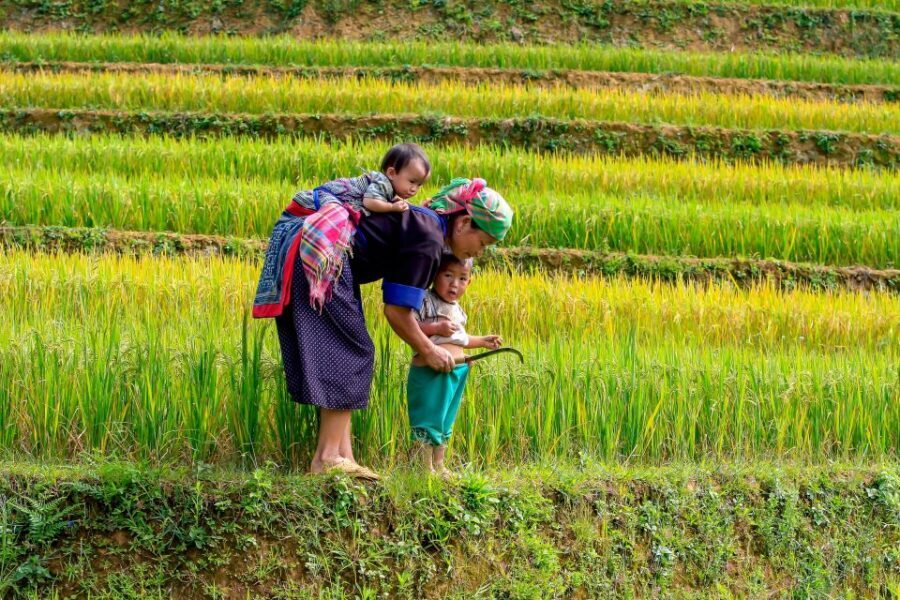
After arriving in Sapa, you’ll head for lunch and check in, then you’ll go out by 2:30 PM for a walk down to Cat Cat Village. It’s about a 3 km trek downhill, which is short enough to feel like a warm-up, but long enough to shift you from town pace into mountain pace.
Cat Cat is one of those places that feels like a living museum without being totally staged. You’ll see traditional attire from H’mong and other local groups, and you’ll visit key features like the hydropower station area and the Cat Cat waterfall. It’s not just scenic. The guide also helps connect what you’re seeing to daily life—how work, water, and farming tie into the village layout.
A big part of Cat Cat is crafts. You’ll have time to learn about and look for things like weaving, carved silver, and hand-forged agricultural tools. Here’s the tradeoff: craft selling is common along this kind of route. If you don’t want to buy, that’s totally fine—just be friendly, keep moving, and don’t let it slow the group down.
You’ll walk back up toward Sapa (about 3 km again), relax in town, and have dinner around 6:30–7:00 PM before sleeping in a Sapa hotel.
Day 2: Y Linh Ho terraces, Lao Chai village time, and sleeping with the Giay/locals
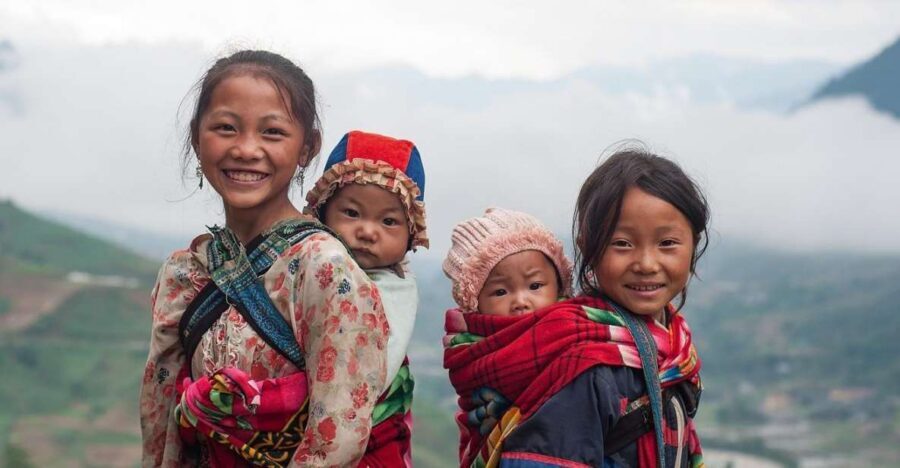
Day 2 is where the trek really shifts from popular viewpoints to lived-in village rhythms. After breakfast, you check out before about 8:30 AM, then head out for a walk toward Y Linh Ho, a village home to the Hmong minority.
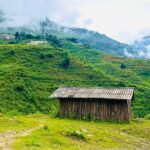
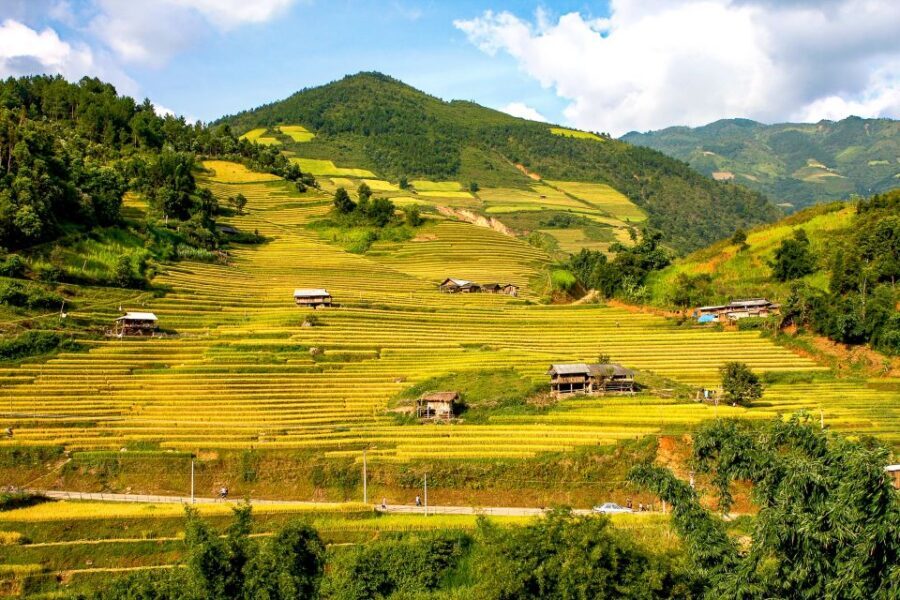
This is a photography-focused stretch because you’re walking through views of rice terraces that are estimated to be around 100 years old. Even if photos aren’t your thing, it’s worth paying attention to how the terraces shape movement—paths follow ridges, fields step down across slopes, and everything feels like it’s built for survival, not spectacle.
From Y Linh Ho, you continue to Lao Chai. You’ll stop there for about an hour for lunch. Lao Chai gives you more village context and a deeper feel for how communities organize life around farming seasons.
Then you move on toward Ta Van, described as a home area for Hmong and Giay communities. You’ll be welcomed by a local Giay family and stay overnight in a homestay. In other words, this is the night you’re not just visiting—you’re eating, talking, and participating in the household flow.
Dinner on Day 2 is part of the experience: you’ll cook and eat with your local hosts. This is one of the most praised parts of the trip because it’s practical. You learn how people live, not just what they sell or show you.
Day 3: rooster mornings, bamboo forest walking, and Giang Ta Chai by way of the silk waterfall
Day 3 starts early. You wake up to farm sounds—rooster or pigs—then enjoy breakfast outdoors, with pancakes and hot tea or coffee. It’s a small detail, but it changes the whole mood: the morning isn’t about rushing. It’s about letting the terrace views hit you before the walking starts again.
After breakfast, you trek through a bamboo forest and toward the silk waterfall, finishing in Giang Ta Chai. This stretch tends to feel like a reset from village streets—more quiet footpaths, more natural scenery, and more of that sense that you’re walking through someone’s back yard rather than a tourist route.
A picnic lunch is planned after a few hours, with scenic views. One thing to remember: the tour notes that routes and timing can shift due to weather and operating conditions, so a picnic may be handled differently depending on what’s safest and practical that day. Don’t anchor your expectations to one exact setup—anchor them to the views and the walking.
After lunch, you head back to the main road, then take a car or minivan back to Sapa Town around 2:00 PM. You’ll shower at the hotel, then head to the bus office at 3:00 PM for the return trip to Hanoi, with sandwiches provided to take along.
Price and value: what $182 really buys you
At about $182 per person for a 3-day, 2-night experience, the value isn’t just the transport. You’re paying for several things that cost time and manpower to organize well:
- A small group (up to 10 people), so the guide can actually help and you’re not packed in shoulder-to-shoulder
- An English-speaking guide for the Hanoi–Sapa transfer and local guiding while in Sapa
- Multiple meals (3 lunches, 2 dinners, and 1 breakfast) that reduce what you’d otherwise spend day-by-day
- A real homestay night, including a local-family dinner experience rather than a quick stop and goodbye
Where it can feel expensive is if you’re hoping this is mostly a comfort tour. It’s not. Homestay facilities are described as not matching hotel standards, and the walking is part of the deal.
But if you want the kind of trip where you eat with people and walk through rice-terrace villages, this price is in a sensible range for the time commitment and logistics. You’re basically buying guided movement, food, and a cultural evening that you’d struggle to DIY safely and smoothly.
You can also read our reviews of more tours and experiences in Hanoi



The guide factor: why Chu’s style matters on these paths
The success of a Sapa trek often comes down to the guide, not the brochure. In the best moments, you feel like someone is reading the trail with you: where to slow down, where to look, when to move to avoid crowds, and how to keep the group safe.
One guide name that comes through clearly is Chu. The way he’s described is practical: cheerful and tireless, focused on explaining life and culture, and attentive to small safety issues that can come up on footpaths (including dealing with stray-dog encounters). That kind of support matters more than it sounds, especially on narrower village routes where you can’t just drift off the main line.
Also, the fact that the group stays small helps. With up to 10 participants, you’re more likely to get real answers rather than generic pointers, and it’s easier for your guide to adjust the pace when weather or terrain changes.
What to pack for Sapa: warm layers, shoes, and the winter fog reality
Sapa has altitude, and that changes everything from temperature to visibility. The trip specifically warns that in December, January, February, and March, it can be foggy. Even if Hanoi felt warm when you left, you can arrive to cold air that bites.
Bring:
- Warm clothing, plus a scarf and hat
- Hiking shoes (comfortable shoes are fine too, but good grip helps on uneven paths)
- Sunglasses and sunscreen for brighter days
- Insect repellent
- Cash for personal expenses (Vietnam Dong is best)
You should also pack for rain and sudden changes. The tour notes the itinerary can change due to weather. That’s not a reason to panic—it’s a reason to dress like you’ll be outdoors for long stretches.
And one more homestay practical note: don’t assume hotel amenities. Homestays won’t feel the same. If you’re mentally ready for that, the experience feels more authentic and less disappointing.
Homestay night: the real cultural exchange (and the comfort tradeoff)
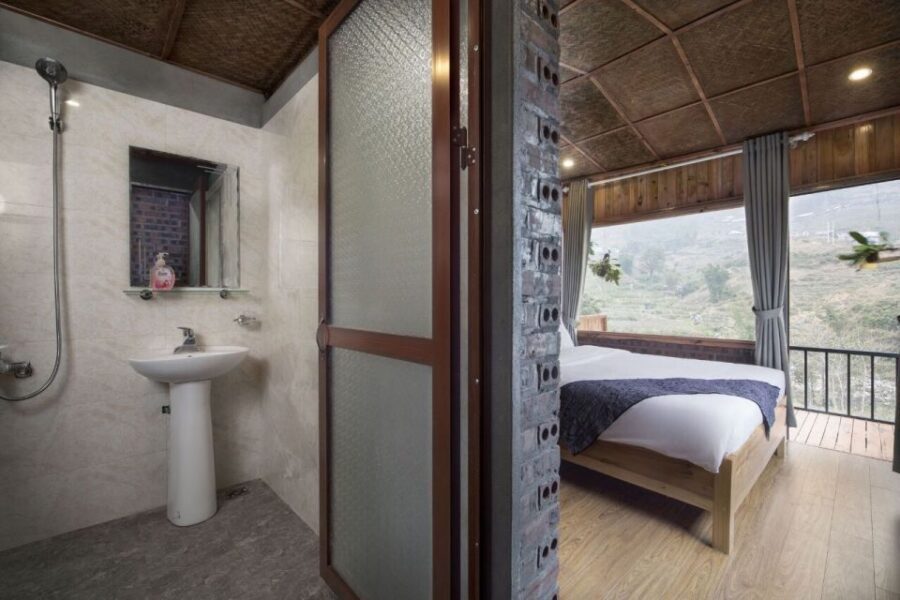
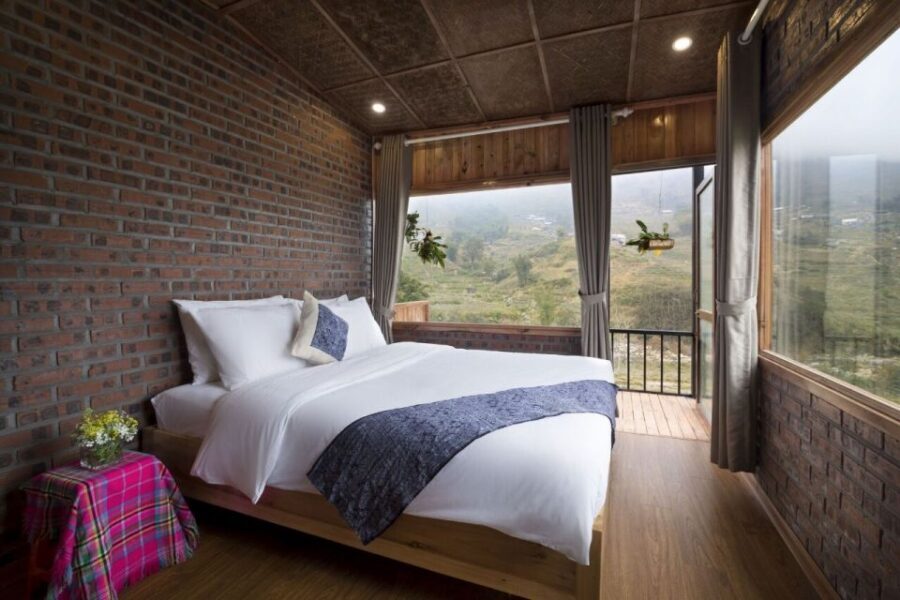
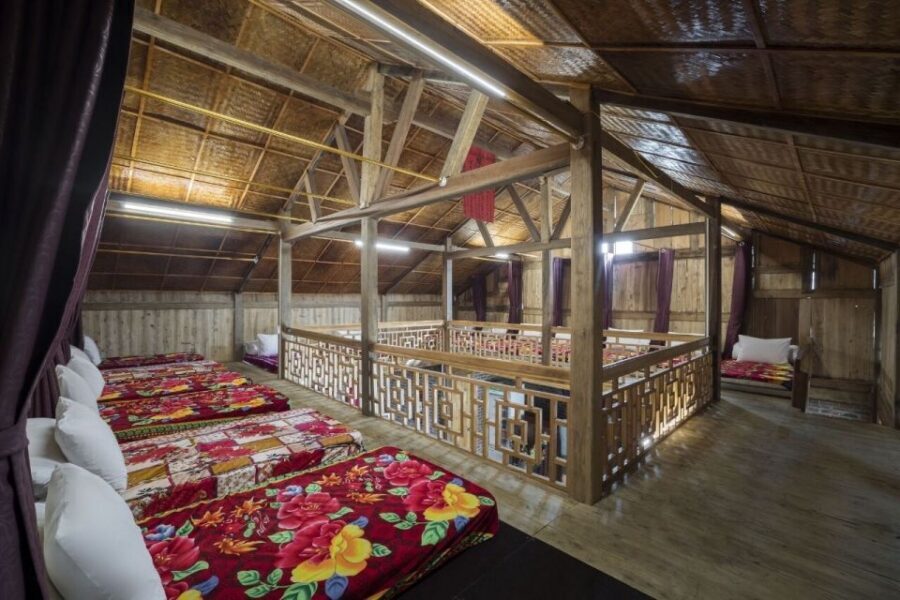
Staying in a Dzay homestay area is the cultural anchor of the trip. Your room is in a shared setting, though private rooms are available for an extra cost. That’s a helpful option if you want a little more space without losing the homestay experience.
The most valuable part of the homestay night is the dinner connection. You’ll cook and eat with your local hosts. That’s different from simply being fed. It turns the night into a conversation: people show you how meals fit with the household routine, and you learn by doing and asking.
The drawback is comfort expectations. Homestay facilities are explicitly not like Sapa hotels. Keep your standards reasonable: focus on warmth, cleanliness where available, and the human part of the stay.
Also, because this is a trek through communities, you may notice more craft selling than you’d see in the middle of nowhere. If someone approaches you to buy something, decide in the moment what you want to do. A polite no is enough most of the time—just don’t let it turn into tension.
Who this Sapa trek suits best
This tour fits travelers who want a guided trek with a real overnight stay in a village home. It’s especially good if you like:
- Rice terrace views and village walking
- Learning from a guide who explains what you’re seeing
- A small-group pace with time for questions
- Food that’s cooked as part of daily life, not just served for tourists
It may not suit you if you:
- Have pre-existing medical conditions
- Are pregnant
- Have trouble with longer walking days (the program notes that the 9 km walking is not recommended for older guests or children)
If you’re comfortable walking several hours in uneven terrain and you’re prepared for cold weather, you’ll get the most out of the whole experience—from Cat Cat’s famous waterfall energy to the calmer village mornings in the homestay.
Should you book this Hanoi to Sapa trek with homestay?
If your priority is an authentic Sapa experience—rice terraces, village trails, and one night in a local home—this is a strong choice for the price and the structure. The small group size and the bilingual/English guidance reduce the stress that usually comes with mountain logistics.
Book it if you pack warm, expect homestay comfort to be basic, and you’re okay with the fact that weather can shift the finer details. Skip it if you want a high-comfort hotel-only itinerary or if long walking distances are a problem for you.
FAQ
What are the dates and start times?
This runs for 3 days. Starting times depend on availability, so you’ll need to check current options before booking.
Where do you pick up in Hanoi?
Pickup is available from the Old Quarter area of Hoàn Kiếm district, around 6:30–7:00 AM. Alternatively, you can meet at 6:45 AM at 9 Hàng Hương, Hàng Mã, Hoàn Kiếm, Hà Nội.
What language are the guides?
The guide is English-speaking, including an English-speaking tour guide for the Hanoi–Sapa portion and a local English-speaking guide in Sapa.
What’s included for meals?
The tour includes 3 lunches, 2 dinners, and 1 breakfast.
What kind of accommodation is the homestay?
Accommodation is shared in a Dzay homestay area. Private rooms are available for an extra cost. Homestay facilities are not the same as hotels in Sapa.
Is this trek suitable for everyone?
It is not suitable for pregnant women or people with pre-existing medical conditions. The walking distance is not recommended for older guests or children (the program specifically mentions 9 km).