REVIEW · HANOI
From Hanoi: Mai Chau Valley & Hill Tribes 2-Day Trek Tour
Book on GetYourGuide →Operated by Crossing Vietnam Tour · Bookable on GetYourGuide
A quiet ride through real villages feels rare. This 2-day Mai Chau Valley and hill tribes trek mixes cycling, village walks, and an overnight stay in a traditional White Thai village, all while keeping the pace friendly. You’ll see farmers at work, watch everyday crafts like weaving, and get a front-row view of local life beyond the usual photo stops.
I especially like the balance: active time in the morning and afternoon, then a proper evening with dinner, Thai dance, and a taste of ruou can. I also like that meals and an English-speaking guide are built into the experience, so you’re not constantly negotiating details. The main consideration is physical effort: it’s not a lazy sightseeing day, and it isn’t suitable for people with mobility impairments.
In This Review
- Key reasons this Mai Chau trek is worth your time
- First impressions: Mai Chau from Hanoi without the hassle
- Day 1 schedule: Hanoi pickup, Mai Chau valley arrival, then cycling
- Cycling in Mai Chau: fields, weaving, and peaceful village lanes
- Evening in a White Thai village: dinner, dance, and ruou can
- Overnight comfort: what the White Thai homestay really means
- Day 2 itinerary: breakfast, cycling 2 km, then Na Meo/Na Mo/Xam Pa trek
- Back for lunch, then free time before heading back to Hanoi
- Pace and difficulty: who will enjoy it and who might not
- Weather and packing: bring warmth, shoes, and insect repellent
- Price and value: what $185 covers and why it adds up
- Small logistics that matter: meeting point, cash, and what’s not allowed
- Tips to get the most from Na Meo, Na Mo, and Xam Pa
- Should you book the Hanoi to Mai Chau Valley 2-day trek?
- FAQ
- What time does pickup happen in Hanoi?
- What’s included in the price?
- Are meals included?
- Is there an overnight stay?
- Do I need to bring cash?
- What should I wear or bring for the trek?
- Is the tour suitable for people with mobility impairments?
Key reasons this Mai Chau trek is worth your time
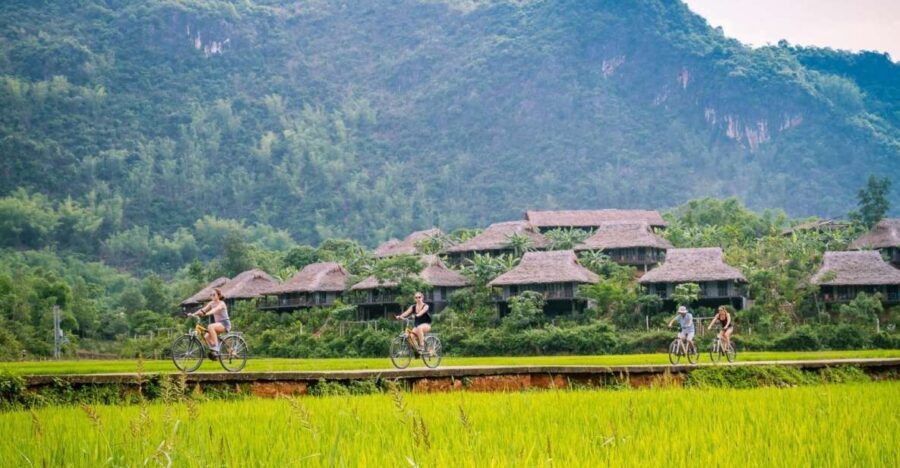
- White Thai homestay overnight for a more personal feel than a quick drive-through stop
- Cycling + gentle trekking flow that helps you see fields and villages without rushing
- Hill-tribe village visits including Na Meo, Na Mo, and Xam Pa areas
- Traditional evening meal and Thai dance plus the chance to drink ruou can
- Less frantic pacing with time to walk, shop, and just look around
First impressions: Mai Chau from Hanoi without the hassle
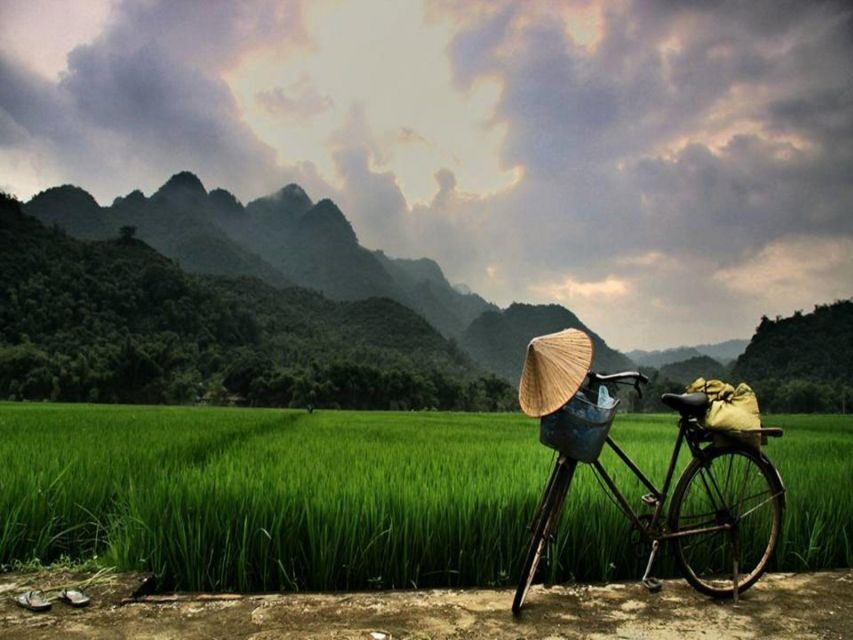
Mai Chau is a short-world away from Hanoi’s noise, but getting there is simple. You’ll get picked up in the Old Quarter and transferred in a shared van or bus, with a quick break and scenic photo time along the way. Then you land in a valley where daily work keeps moving—rice fields, weaving, and village paths all part of the rhythm.
This tour’s biggest strength is that it doesn’t treat the countryside like a theme park. You’re moving through communities in the Mai Chau Valley area with a guide, and you’ll spend real time with locals rather than only passing by on the road.
You can also read our reviews of more hiking tours in Hanoi


Day 1 schedule: Hanoi pickup, Mai Chau valley arrival, then cycling
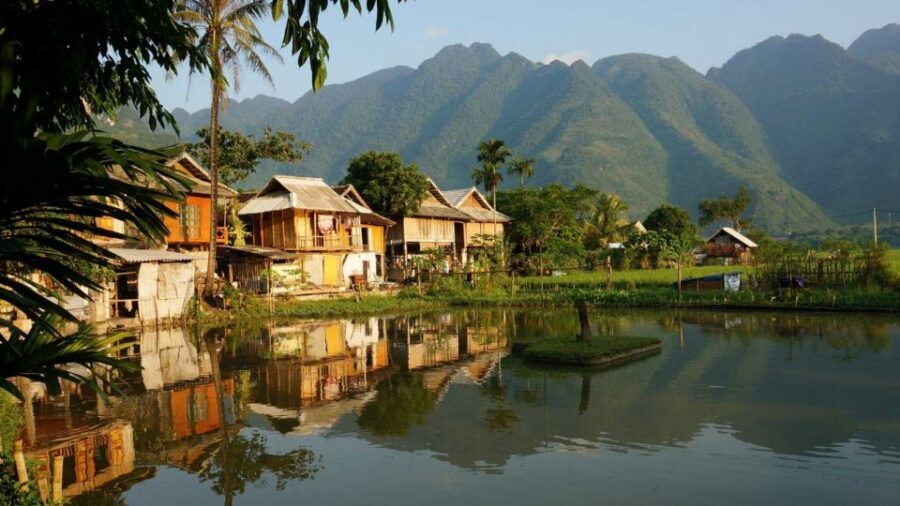
Day 1 starts with pickup from your hotel in Hanoi’s Old Quarter sometime between 7:00 and 8:00. If your hotel is outside that area, you’ll meet at the operator’s office at 38 Bát Sứ street. After pickup, you’ll drive toward Mai Chau with a short break and a scenic stop for photos.
Around 11:30 to 12:30, you arrive in Mai Chau. That timing matters because you’re not trekking when everyone’s half-asleep; you get to settle in, eat, and orient yourself before moving into the village areas.
Next comes lunch at a local home (vegetarian available if you need it). You’ll eat something traditional in a setting that feels like everyday life, not a staged restaurant performance. Then in the afternoon, your private guide picks you up from the homestay area to start a cycling tour.
Cycling in Mai Chau: fields, weaving, and peaceful village lanes
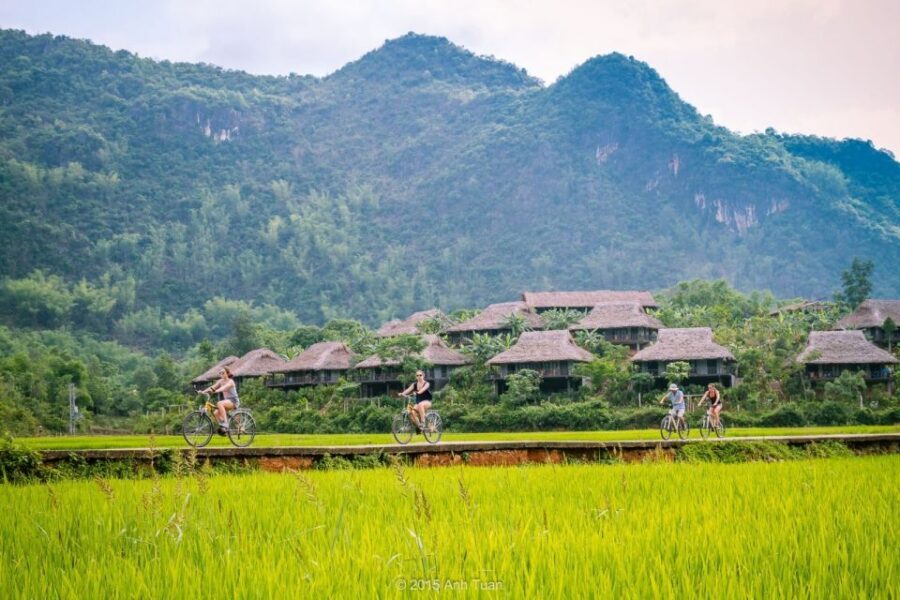
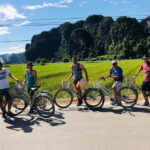
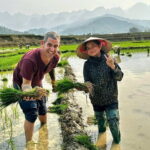
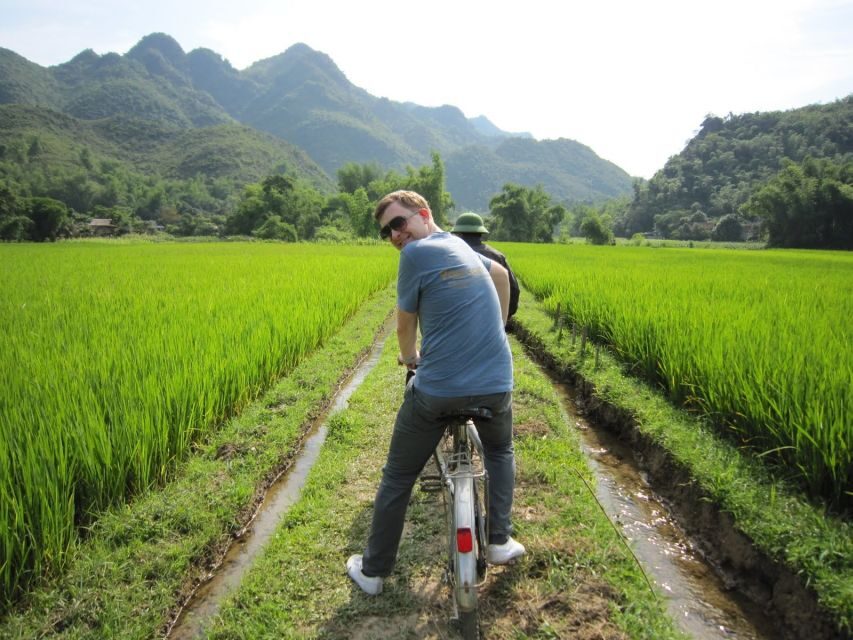
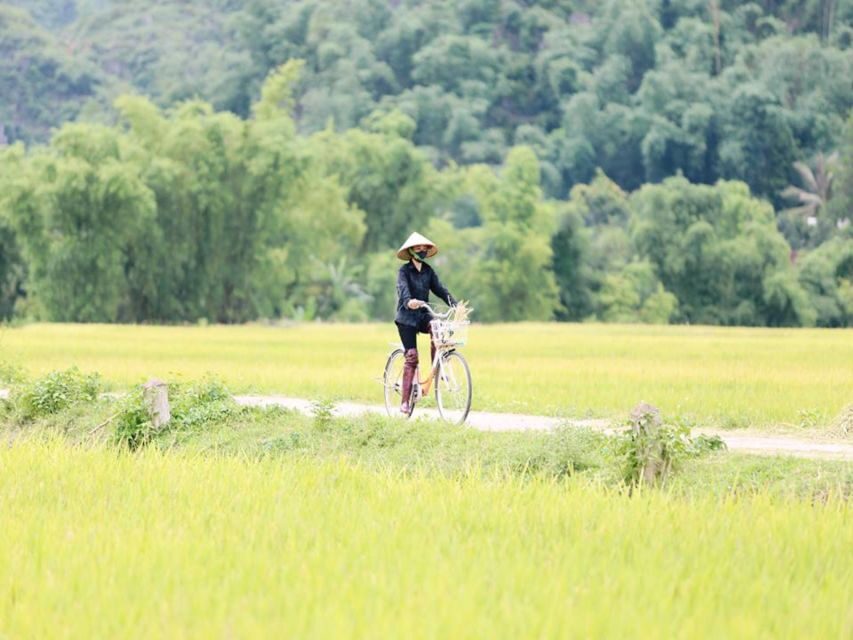
Cycling is one of the best parts because it slows your senses down. You’ll have chances to see farmers working in fields, locals weaving scarves, and a handful of surrounding peaceful villages. It’s the kind of movement where you can actually look around—rice work, household routines, and the texture of daily life.
You also get the kind of access that’s hard to DIY. A guide can point out what you’re seeing and explain how village life connects to the land. One of the most praised moments of the trip is that the bike ride feels excellent and not overly crowded—more calm roads, less pressure to keep moving.
By around 17:00, you get free time for cycling, walking, or shopping. This buffer is helpful. It gives you room to slow down if you see something you want to ask about, and it helps the day feel human instead of clockwork.
Evening in a White Thai village: dinner, dance, and ruou can
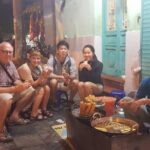
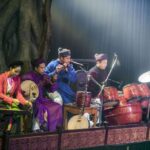
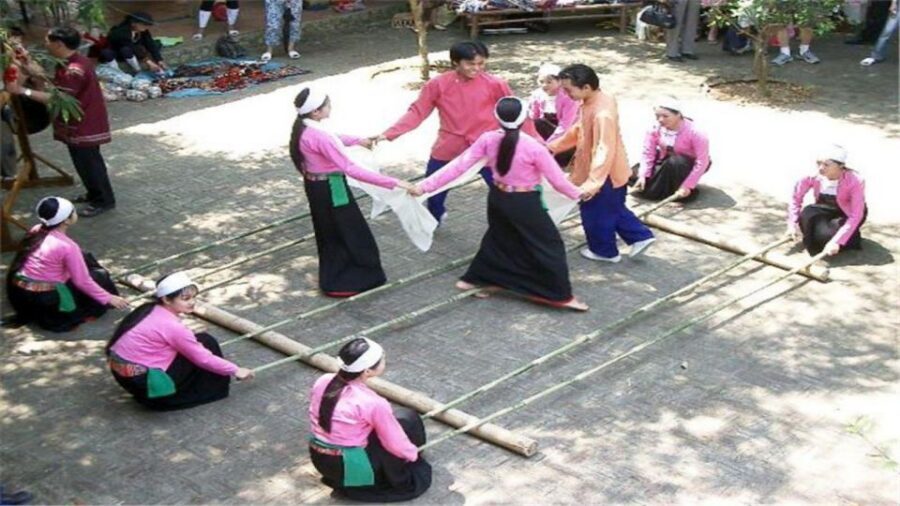
Dinner starts at 19:00 back in the homestay area. You’ll enjoy traditional dishes prepared in the style of the native Thai, and you’ll also watch a Thai traditional dance show. If you’re curious about local drinking culture, you’ll have the option to taste traditional wine called ruou can.
This is a great moment to understand how hospitality works here. In a homestay-style experience, the evening isn’t only entertainment—it’s part of how hosts welcome you. Even if you don’t drink, you’ll still get value from the dance and the meal rhythm.
It also helps that Day 1 is intentionally spaced out. You’re not doing intense trekking right after a long transfer day. You’ll have energy for a relaxed evening, and the homestay night helps the experience feel more connected.
Overnight comfort: what the White Thai homestay really means
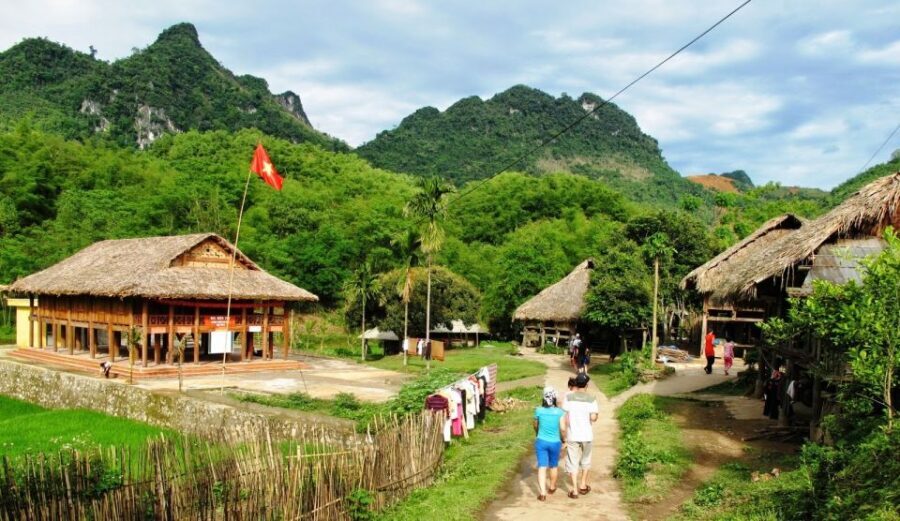
You’ll sleep at a homestay in a traditional White Thai village. Accommodation is in a twin or double room, and you’ll get a daily breakfast included.
What you should expect is simple, local lodging—good enough for rest, not aimed at luxury. That’s part of the point. The value here is in being in the village setting overnight, so your Day 2 begins in the same community you visited the day before.
Practical tip: bring a change of clothes. Even if the trip doesn’t say it will be muddy, rural pathways and cycling can mean you’ll want fresh clothes after the day’s movement.
You can also read our reviews of more tours and experiences in Hanoi
- Doris Cruise 5 star cruise 2 days visiting Halong Bay Lan Ha Bay private balcony
★ 5.0 · 2,338 reviews





Day 2 itinerary: breakfast, cycling 2 km, then Na Meo/Na Mo/Xam Pa trek
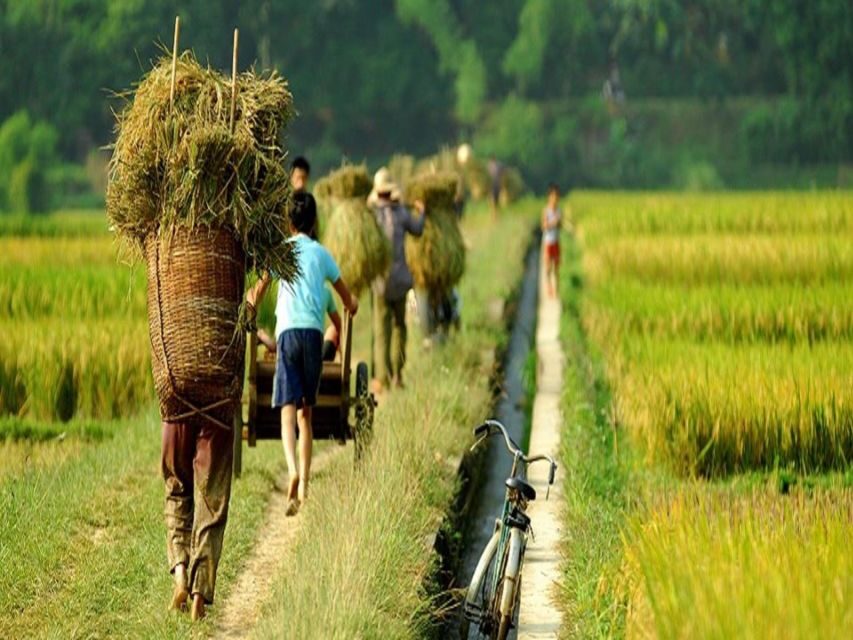
Day 2 begins with breakfast at 07:30. Then at 08:30, you’ll head out with a local Thai tour guide. You’ll cycle for about 2 km before the trek starts, which is a nice way to get the legs going without immediately jumping into longer walking.
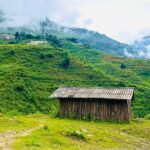
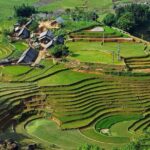
The trekking portion takes you to more remote rural village areas: Na Meo, Na Mo, and Xam Pa. This is where the trip becomes more than scenery. You’ll see rice terraces and learn more about local culture and customs, with the guide helping connect what you see to how people live.
A key benefit of doing villages in a guided way is context. Walking through rice terraces is visually satisfying, but a guide makes it make sense—why farming looks the way it does, how villages function, and what daily routines matter most.
Back for lunch, then free time before heading back to Hanoi
Around 12:00, you return to the homestay area. You’ll check out and have lunch. After lunch, you get free time for shopping and relaxing around 13:00.
This is a good chance to pick up small items you actually want. Scarves and village crafts are often woven locally, and since you already saw weaving on Day 1, shopping feels more meaningful rather than random. The free time also gives you a mental reset before the ride back.
Then at 15:30, you take the shared van or bus back to Hanoi. You’ll arrive in the Old Quarter around 19:00 and be dropped off at your hotel.
Pace and difficulty: who will enjoy it and who might not
This is a 2-day active tour. It includes cycling, walking, and trekking to village areas and rice terraces. The good news is the schedule is paced: you get transfers, meals, and breaks built in rather than stacking everything back-to-back.
The not-so-fun news is that it’s not suitable for people with mobility impairments. If walking comfort is limited for you, this won’t be the right fit. Also, you should plan for changing conditions. The schedule can shift if weather changes, so you’ll want a flexible mindset.
If you like moderate activity and you want real village interaction over big sightseeing boxes, this fits well. If you want mostly indoor time or gentle strolling only, you might find it too active.
Weather and packing: bring warmth, shoes, and insect repellent
Pack like you’re going into northern Vietnam conditions that can shift. Bring warm clothes, plus a scarf and hat or cap. The trip instructions also note it’s typically cold from September to March, so even if you’re coming in the shoulder seasons, layering helps.
You’ll want trekking shoes (not just sandals), sunglasses, sunscreen, and insect repellent. Also bring medicines in case of illness. Cash is useful for purchases, and it’s best to carry it in Vietnam Dong.
One more practical thing: keep a small plan for comfort. Change of clothes is specifically recommended, and that’s smart after cycling and trekking.
Price and value: what $185 covers and why it adds up
At $185 per person for a 2-day experience, the value comes from what’s bundled. You’re not only paying for transport—you’re paying for transfers from the Old Quarter, an English-speaking guide, homestay accommodation with breakfast, and the meals listed for breakfast, lunch, and dinner.
Also included are pickup and drop-off at your hotel (in the Old Quarter), plus transfer during the tour and all sightseeing tickets. Excluding beverages and personal spending keeps things clear-cut.
So the math is mostly about time and logistics. Getting in-and-around Mai Chau with guided village visits, plus an overnight stay, would cost more if you pieced it together yourself with separate transport, guides, and lodging. If you’re someone who wants village access without the coordination headache, $185 is in the sensible range for what you get.
Small logistics that matter: meeting point, cash, and what’s not allowed
Pickup is in the Hanoi Old Quarter between 7:00 and 8:00. If your hotel is outside Hoan Kiem district, you’ll meet at 38 Bát Sứ street instead. This matters because it can save you time and confusion on departure day.
Bring cash in Dong for shopping and small extras. Also note that pets aren’t allowed, so plan accordingly if you’re traveling with animals.
Tips to get the most from Na Meo, Na Mo, and Xam Pa
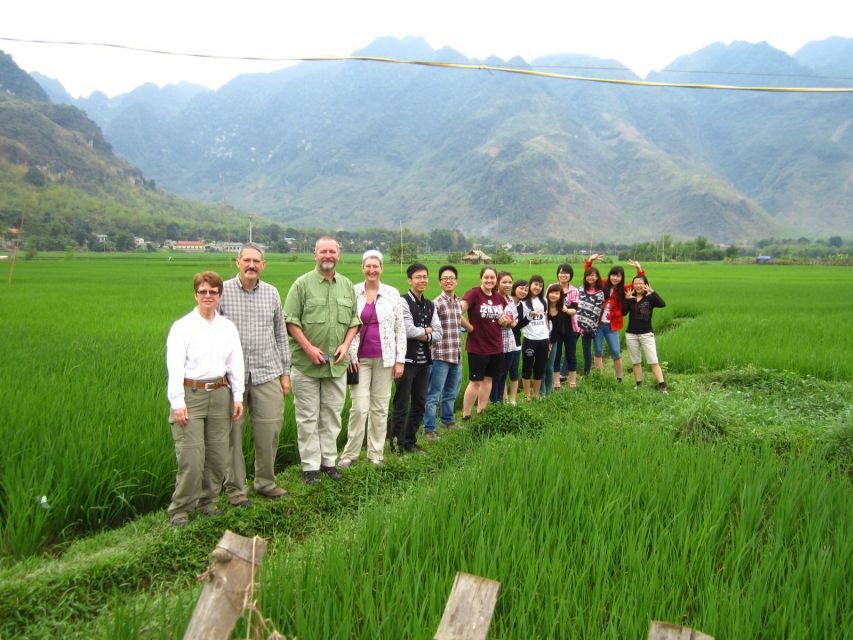
When you reach the more remote villages, you’ll get more from your visit if you move with curiosity and respect. Ask questions through your guide. Keep your interactions calm and unhurried—part of the best moments of this trip come from not feeling rushed.
Also, dress and gear like you’re walking for real. Treks can mean uneven footing around rice terraces and paths between hamlets. Comfortable shoes and insect repellent aren’t optional here if you want to enjoy the walk instead of counting bites.
Finally, use the free time on Day 2 wisely. It’s your chance to shop, relax, and process what you saw. It’s better than trying to cram everything into the trek itself.
Should you book the Hanoi to Mai Chau Valley 2-day trek?
Book it if you want a balanced, active countryside experience with an overnight in a White Thai village, plus guided visits to Na Meo, Na Mo, and Xam Pa areas and rice terraces. It’s a strong fit for independent-minded travelers who like village life, cycling, and a respectful cultural exchange.
Skip it if you can’t manage walking and trekking, or if your ideal day is mostly easy sightseeing with minimal effort. Also, be ready for weather shifts. If you come packed with layers and practical trekking gear, you’ll handle those changes well.
If your priority is calm pacing and real human contact in Mai Chau—not just quick stops—this is a smart use of two days from Hanoi.
FAQ
What time does pickup happen in Hanoi?
Pickup from hotels in the Old Quarter is scheduled for 7:00–8:00. If your hotel is outside the Old Quarter, you meet at the office at 38 Bát Sứ street.
What’s included in the price?
The tour includes hotel pickup and drop-off in the Old Quarter, transfers, homestay accommodation in a twin/double room with daily breakfast, an English-speaking guide, meals listed in the itinerary (breakfast, lunch, dinner), and all sightseeing tickets.
Are meals included?
Yes. Breakfast is included on both mornings (homestay), and lunch and dinner are included on the days as listed. Vegetarian lunch is available.
Is there an overnight stay?
Yes. You overnight in a traditional White Thai village homestay.
Do I need to bring cash?
Yes. Cash in Vietnam Dong is recommended, especially for shopping and personal spending.
What should I wear or bring for the trek?
Bring change of clothes, comfortable clothes, trekking shoes, sunglasses, sun cream, and insect repellent. Warm clothes, a scarf, and a hat or cap are also recommended due to cold weather potential from September to March.
Is the tour suitable for people with mobility impairments?
No. The tour is not suitable for people with mobility impairments.

More Hiking & Trekking Tours in Hanoi

More Tours in Hanoi
- Ninh Binh Full-Day Tour from Hanoi to Hoa Lu, Tam Coc & Mua Cave Via Boat & Bike
★ 5.0 · 4,384 reviews