REVIEW · HANOI
From Hanoi: 3 Days Sapa Trekking & Ethnic Villages by Dcar
Book on Viator →Operated by SST TRAVEL · Bookable on Viator
Sapa feels big even when you only have three days. This tour ties mountain walking together with ethnic village visits, while keeping the logistics tight: Hanoi pickup, round-trip DCAR limousine, two nights in Sapa, and scheduled meals.
I like two things most. First, the day-by-day pacing gives you a village orientation on Day 1 and two trek opportunities on Days 2 and 3. Second, the tour supports you with a local speaking guide and staff who coordinate everything, with guide names like Ms. Mei and Mikey coming up in experiences shared by past guests.
The one drawback to plan for is the time-on-the-road. You’ll be traveling most of the day between Hanoi and Sapa, and the final return to Hanoi is a long push back late in the evening.
In This Review
- Key highlights you can plan around
- From Hanoi to Sapa: DCAR Limousine and a Real Pickup Time
- Sapa Base Camp: Two Nights in a 3-Star Hotel and Included Meals
- Day 1 Village Time After Lunch: Getting Oriented Without Rushing
- Day 2 Cat Cat Village Trek and the Fansipan Choice
- Day 3 Ham Rong (Dragon’s Jaw) Mountain and the Late Return to Hanoi
- Price and Logistics: Why This $140 Feels Like a Deal (and Where It Doesn’t)
- Pacing, Fitness Level, and Who This Trip Suits Best
- Sapa Weather Reality: Pack Layers for a Four-Feel-Day
- How the Trek Stops Fit Together (So You Don’t Feel Like You’re Missing Stuff)
- Should You Book This 3-Day Sapa Trekking & Ethnic Villages Tour?
- FAQ
- Where does the tour start in Hanoi?
- Does the tour include pickup from my hotel?
- How long is the Hanoi to Sapa portion?
- What transportation is included?
- How many nights will I stay in Sapa?
- What meals are included?
- Are village or attraction entrance fees included?
- Can I do Fansipan during the trip?
- What fitness level do I need?
- What is the group size?
- Is there free cancellation?
Key highlights you can plan around
- DCAR round-trip limousine with Hanoi pickup to reduce stress
- Small group cap (max 10) for more personal attention
- Two nights in Sapa at a 3-star hotel with breakfasts and lunches
- Cat Cat Village trek plus a flexible afternoon for Fansipan or Sapa exploring
- Ham Rong (Dragon’s Jaw) Mountain trek as the main Day 3 payoff
- Guide and coordination support (including Ms. Mei and Mikey in shared experiences)
From Hanoi to Sapa: DCAR Limousine and a Real Pickup Time
The trip starts early, and that’s good news in Vietnam traffic. You’ll meet at the Hanoi Opera House (1 Tràng Tiền, Hoàn Kiếm) at 6:30am, or you’ll have hotel pickup from Hanoi’s Old Quarter. Either way, the point is the same: you’re not wasting your first morning figuring out how to get out of the city.
This is a round-trip Hanoi–Sapa by DCAR Limousine, which matters because the drive isn’t short. When transportation is handled for you, you can spend your energy on Sapa itself: getting your layers right, charging your phone, and staying hydrated before the walking starts. And because the group is kept to a maximum of 10 travelers, you’re less likely to feel like you’re being herded.
One practical note: the tour is set up so that Day 1 is mostly arrival and orientation. So if you’re hoping to immediately do a long trek on Day 1, this schedule won’t be that kind of adventure. It’s more like: arrive, settle in, then start gently.
You can also read our reviews of more hiking tours in Hanoi



Sapa Base Camp: Two Nights in a 3-Star Hotel and Included Meals
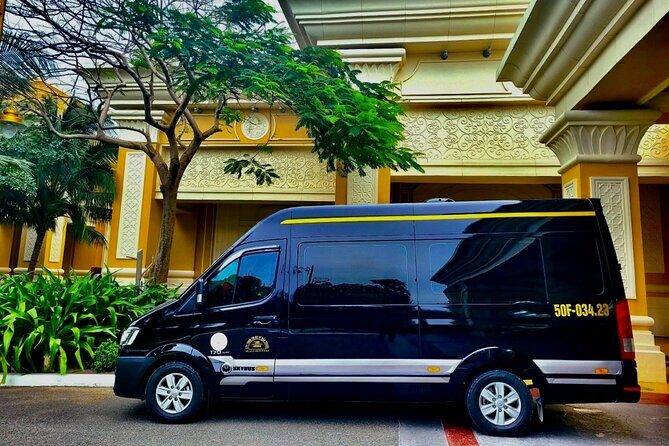
Once you arrive, the tour gives you a real base. You check into a 3-star hotel for two nights. On Day 1, you arrive in Sapa around 1:00pm, then you’ll check in at about 3:00pm. That timing is useful. It means you can adjust after the ride, freshen up, and still have daylight to do your first village visit.
Meals are included in a straightforward way: breakfast twice and lunch three times. In a place where mornings and evenings can feel chilly, having breakfast locked in takes one decision off your plate. Lunch also helps you keep the hiking portion of Days 2 and 3 from turning into a snack scavenger hunt.
From a value standpoint, the hotel-plus-meals pairing is one of the reasons this tour works for first-timers. You’re paying for comfort and structure, not just for transport. And as a bonus, people have highlighted that the hotel experience itself felt clean and comfortable, with pleasant service.
Day 1 Village Time After Lunch: Getting Oriented Without Rushing

Day 1 is built for orientation. After you reach Sapa Town and check in, you head out around 2:30pm for a local village visit. This is the moment when the trip shifts from bus-and-bag logistics to cultural context.
What I like about this approach is that it doesn’t try to cram everything into the first afternoon. You get time to settle into the town, then you go see daily life up close. Sa Pa is a meeting point for multiple ethnic communities, and the region is known for distinct clothing styles, farming methods, and customs between groups. The tour’s village focus fits that reality: you’re not only chasing views; you’re learning how people live.
Also, the walking on Day 1 is lighter than the later treks, which helps if you’re adjusting to altitude and cool mountain air. That matters because Sapa’s weather is changeable. You can get a fast swing from morning coolness to warmer afternoon conditions, then colder nights.
If you want a smooth start, Day 1 is your ramp-up day. If you want a pure hiking trip with no village elements, this might feel like more culture than you expected—but it’s also what makes the experience feel grounded.
Day 2 Cat Cat Village Trek and the Fansipan Choice
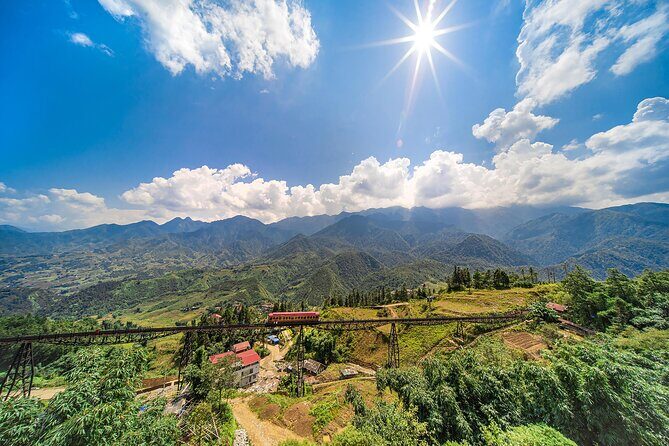
Day 2 is where your legs start doing the work. After breakfast between 7:00am and 8:30am, you begin trekking around 9:00am toward Cat Cat Village. The trek window runs until about 12:00pm, when you’ll have lunch.
Cat Cat is a classic stop, but the real win here is timing. Going in the morning tends to feel easier than starting too late, and you’re more likely to enjoy the hike without rushing. Plus, the route is short enough to stay within a moderate fitness level without turning into a full-day endurance event.
Then there’s a built-in decision: at about 3:30pm, you can discover Fansipan at your own expense or just explore Sapa freely. This flexibility is practical. If you want to see more viewpoints and you’re willing to add costs for optional attractions, Fansipan is a strong candidate. If you’d rather slow down, coffee-shop break, photo walk, or simply enjoy the town feel can also be a good use of time.
The tour also makes one thing clear: the Fansipan cable car is not included. So if that’s part of your dream plan, factor it into your budget early rather than at the last minute.
Day 3 Ham Rong (Dragon’s Jaw) Mountain and the Late Return to Hanoi
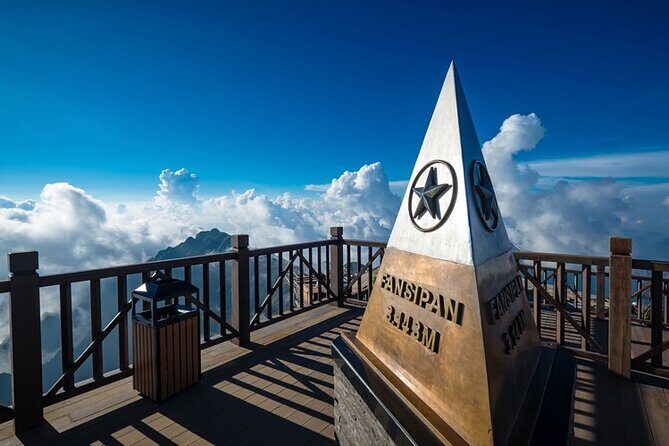
Day 3 begins with breakfast at 7:30am, then you’re set for the main hike around 9:30am: trekking up Ham Rong (Dragon’s Jaw) Mountain. You’ll return to your hotel by about 12:00pm and have lunch back at base.
Ham Rong is a good choice for the final day because it gives you a clear “close-out” moment. Instead of adding another long village circuit, you get a concentrated trekking experience tied to big Sapa views potential. It also helps your body recover with a midday break, rather than trying to cram another hike after lunch.
Then comes the part people sometimes underestimate: the return ride. You’ll leave the area around 2:10–2:30pm and arrive back in Hanoi around 8:30pm. That means you should plan for a late dinner and an early wind-down when you get home.
If you’re the type who hates last-day exhaustion, consider adjusting your Hanoi plans on Day 3. Build in rest. The tour does the driving; you just need to prepare for the sitting time.
You can also read our reviews of more tours and experiences in Hanoi



Price and Logistics: Why This $140 Feels Like a Deal (and Where It Doesn’t)

At $140 per person, the headline question is simple: what’s included versus what you pay separately.
Included:
- Round-trip DCAR limousine between Hanoi and Sapa
- Two nights in a 3-star hotel
- Hotel pickup from Hanoi’s Old Quarter
- A local speaking guide
- Breakfast (2) and lunch (3)
Not included:
- Holiday surcharge
- Fansipan cable car (if you choose Fansipan)
So you’re not just paying for a trek. You’re paying for a full “travel package” that covers transportation, lodging, and meals. In places like Sapa, that kind of bundle reduces the hidden costs: time spent arranging transfers, the risk of mismatched pickup points, and the mental load of coordinating a multi-stop itinerary.
Where the price doesn’t fully cover everything is also clear. Optional upgrades like Fansipan cable car can add cost, and holiday timing can bring a surcharge. If you’re traveling during peak dates, it’s worth budgeting a little extra even before you reach the mountain.
For most people, the best value comes if you like this structure: you want the main treks handled, you don’t want to negotiate transport, and you’re happy with a comfortable 3-star base rather than chasing the most luxurious hotel in town.
Pacing, Fitness Level, and Who This Trip Suits Best

This is a moderate physical fitness kind of tour. It’s not described as extreme, but it does include two treks, plus mountain walking in cool conditions.
If you can handle:
- morning starts,
- uneven paths,
- and a trek that ends with lunch or returns to town by midday,
then you’ll likely find the pace realistic.
This also suits groups who value coordination. With up to 10 travelers, you’re not stuck in a large crowd where every request gets ignored. People who like a smooth plan tend to appreciate that. Shared experiences also call out helpful, friendly support from staff, and guides such as Ms. Mei have been mentioned by name in how the trip was handled.
Who might not love it?
- If you hate sitting on long transfer days, you should know Day 1 and Day 3 are built around the ride from Hanoi and back.
- If you want a fully independent itinerary with zero guidance, you might feel the structure is too scheduled.
For a first visit to Sapa, though, this kind of balanced plan is exactly what you want. You get culture, treks, and a chance to enjoy the town without having to map every movement.
Sapa Weather Reality: Pack Layers for a Four-Feel-Day

Sapa isn’t just “cold mountains.” The climate description is more specific: the area can feel like four seasons in a day. Mornings can feel like spring, afternoons can feel summer-like with sunshine, then afternoons bring clouds and dew, and nights become winter-cold. The average annual temperature is around 15°C.
That means your packing can’t be one-note. You’ll want layers you can adjust: something warm for early mornings, something lighter for mid-day, and a plan for damp air during the day. Even if you don’t expect rain, dew and cloud changes can make things feel colder than the numbers suggest.
Footwear also matters because treks happen on mountain paths. Comfortable shoes you trust over uneven ground will make Days 2 and 3 feel more enjoyable and less like a chore.
If you treat Sapa like one stable temperature, you’ll be uncomfortable. If you treat it like layers-and-adjustments weather, you’ll do well.
How the Trek Stops Fit Together (So You Don’t Feel Like You’re Missing Stuff)
The itinerary has a clean logic across the three days:
- Day 1 introduces village life after you settle in.
- Day 2 takes you to Cat Cat Village in the morning and leaves the afternoon open for Fansipan or Sapa.
- Day 3 focuses on Ham Rong (Dragon’s Jaw) Mountain and then gets you back to Hanoi.
This structure helps you avoid a common travel mistake: doing too much too fast and leaving you tired without understanding what you saw. Instead, you get a village context, then a more active morning trek, then a strong viewpoint-style finale.
It also helps energy planning. If you pace yourself and you don’t go too hard on the first village visit, Ham Rong on Day 3 feels like a rewarding final day, not punishment.
Should You Book This 3-Day Sapa Trekking & Ethnic Villages Tour?
Book it if you want:
- a guided, small-group Sapa plan,
- hotel and meals included,
- and treks that feel achievable in a short time.
Skip it or reconsider if:
- you dislike long travel days back to Hanoi (you return around 8:30pm on Day 3),
- you want totally free time with no schedule anchors,
- or you’re strictly budget-only and know you’ll want Fansipan cable car.
Best fit: first-timers to northern Vietnam, couples or families who want coordination, and hikers who like moderate trails more than intense climbs. If that sounds like you, this tour’s value is in the package deal: transport + lodging + food + local guidance, with the two main treks doing the heavy lifting.
FAQ
Where does the tour start in Hanoi?
It starts at Hanoi Opera House at 1 Tràng Tiền, Phan Chu Trinh, Hoàn Kiếm, Hà Nội, with a 6:30am start time.
Does the tour include pickup from my hotel?
Yes. The tour includes hotel pickup from Hanoi’s Old Quarter.
How long is the Hanoi to Sapa portion?
The full tour is about 3 days. You depart Hanoi early on Day 1 and return to Hanoi on Day 3, arriving around 8:30pm.
What transportation is included?
The tour includes round-trip Hanoi–Sapa by DCAR Limousine.
How many nights will I stay in Sapa?
You’ll stay 2 nights in Sapa at a 3-star hotel.
What meals are included?
The tour includes breakfast (2) and lunch (3).
Are village or attraction entrance fees included?
Some parts of the itinerary list admission as free, but Fansipan cable car is not included, and there may be other costs depending on what you choose.
Can I do Fansipan during the trip?
Yes. Fansipan is mentioned as optional at about 3:30pm on Day 2, but Fansipan cable car costs extra.
What fitness level do I need?
You should have a moderate physical fitness level.
What is the group size?
The tour has a maximum of 10 travelers.
Is there free cancellation?
The experience offers free cancellation up to 24 hours before the start time for a full refund.