REVIEW · HANOI
From Hanoi: 2 Day Sapa Trekking To Village & Bungalow, Meals
Book on GetYourGuide →Operated by DGB - INDOCHINATODAYTRAVEL · Bookable on GetYourGuide
Sapa feels close-up in two days. This trek-style tour strings together some of the most classic Sapa villages and mountain walks, from Y Linh Ho through Lao Chai and into a Ta Van homestay, with ethnic-market culture in between. I love how the schedule actually gets you on foot along the Muong Hoa Stream, not just sitting in a vehicle. I also love that you’re sleeping with a local family, where dinner and sunset time are part of the real rhythm of the valley.
The main thing to watch is clarity around what costs extra. One traveler flagged that the guide did not explain everything in the package clearly, and that the Hanoi↔Sapa transfer ticket was treated like a separate cash payment. Before you hand over money, ask what exactly is included and what is paid in cash so there are no surprise add-ons.
In This Review
- Key things to know before you go
- Hanoi to Sapa: the morning start and why it matters
- Day 1 walking: Y Linh Ho, rice terraces, Lao Chai, and Ta Van at sunset
- Day 2: Ta Van to Giang Ta Chai, bamboo forest, and a Red Dzao panorama stop
- Homestay life in Ta Van: what you’re actually paying for
- Food: lunches, dinner, and how meals fit into the trekking rhythm
- Price and value for $87: what you get, and what you must confirm
- Packing and trekking tips: fog, shoes, sun, and altitude comfort
- Who this tour fits best (and who should skip it)
- Should you book this 2D1N Sapa trekking + homestay experience?
- FAQ
- How long are the trekking parts on each day?
- What meals are included?
- Do I stay in a homestay or a bungalow?
- How do I get from Hanoi to Sapa and back?
- What are the pickup and arrival times in Hanoi?
- What clothing should I pack for colder months?
- What should I bring for the trek?
- Do I need cash in Vietnam Dong?
- Is there an extra fee for solo travelers?
- What if my plans change?
Key things to know before you go
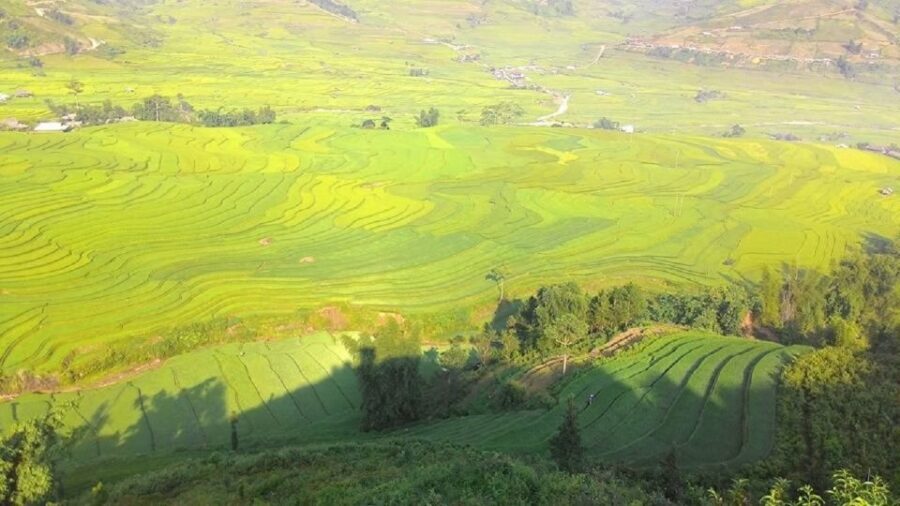
- Two trekking days with real village-to-village walking: about 9 km (Day 1) and 4 km (Day 2)
- Homestay in Ta Van with family time: check in in late afternoon and enjoy mountain life at sunset
- Ethnic culture stops that go beyond photos: H’mong, Dzao, Tay, Giay, and Red Dzao are specifically part of the experience
- Giang Ta Chai viewpoints plus bamboo forest walking: photo-friendly panorama time is built in
- Meals and mineral water are included: 1 dinner, 2 lunches, and 1 breakfast, plus water with the tour
Hanoi to Sapa: the morning start and why it matters
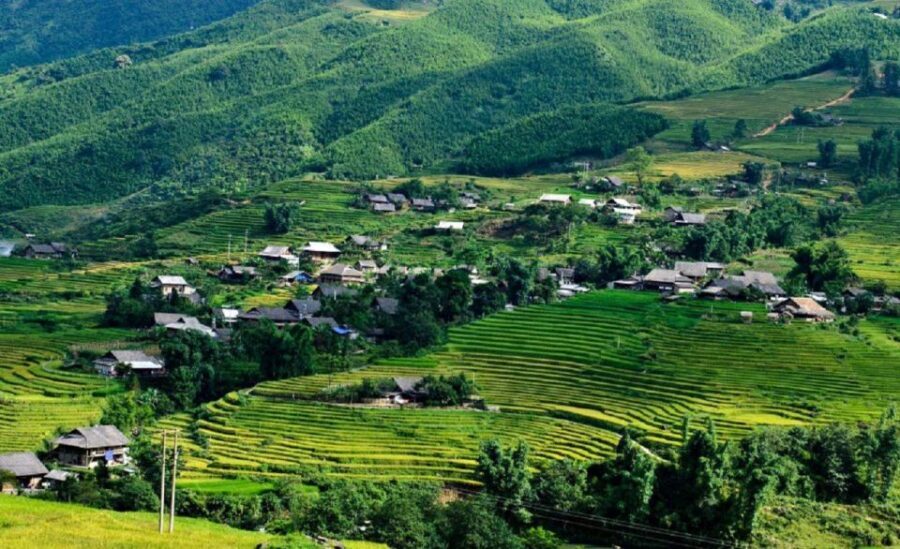
Your day begins early—pickup runs around 6:00–6:30 from the Hanoi Old Quarter area, or around 6:00 AM if you’re meeting at the Hanoi Opera House area. Then you’re on a big bus to Sapa, with rest stops along the way (one around Lao Cai city and another before reaching Sapa Town). This timing is not casual, but it’s how the tour fits in the longer Day 1 trek.
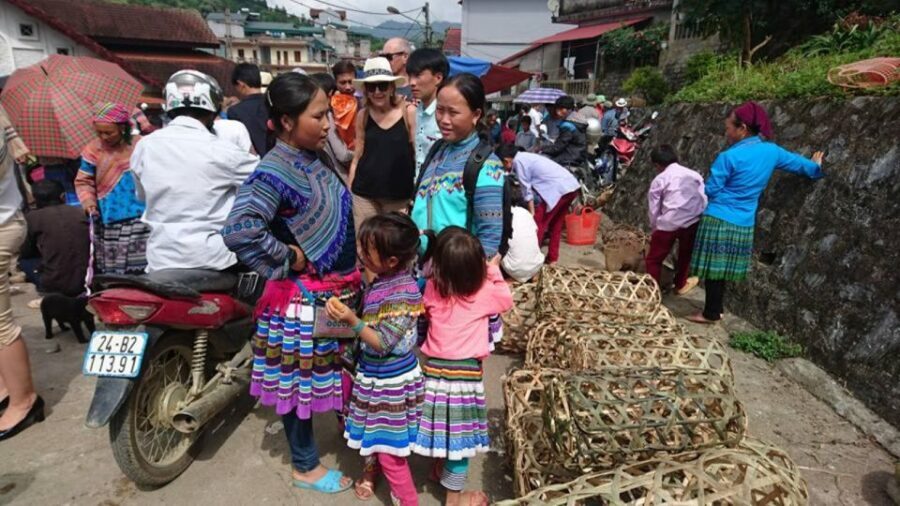
When you arrive in Sapa Town, the change is immediate: people in traditional costumes of H’mong, Dzao, and Tay are part of the scene, and lunch is served at a local restaurant. It’s a good setup because you’re not trekking right away on day one—you get fed and then you start walking once the area feels settled under your feet.
One practical note: this is an altitude area that can get foggy in December to March. So even if you plan for sun, bring your warm layers and a scarf—weather can flip fast. Sunglasses help too, because the light can still be sharp when the fog breaks.
You can also read our reviews of more hiking tours in Hanoi



Day 1 walking: Y Linh Ho, rice terraces, Lao Chai, and Ta Van at sunset
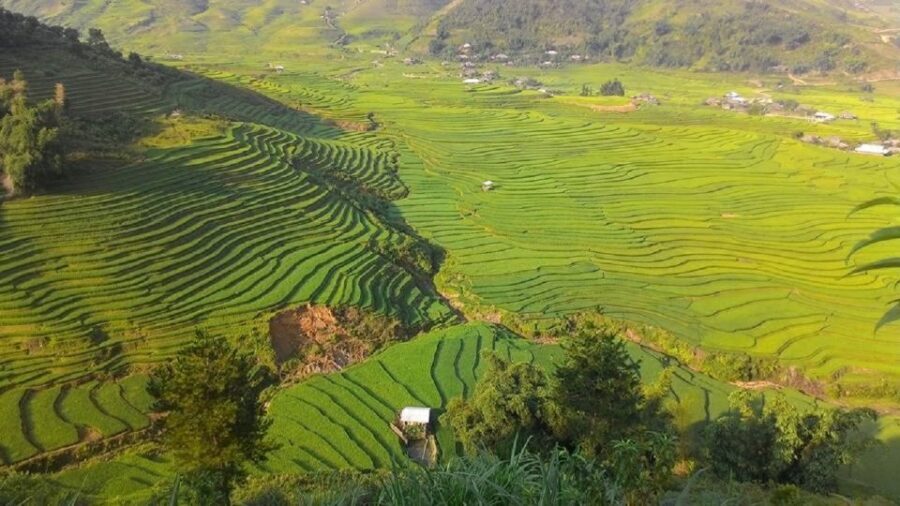
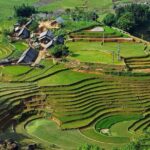
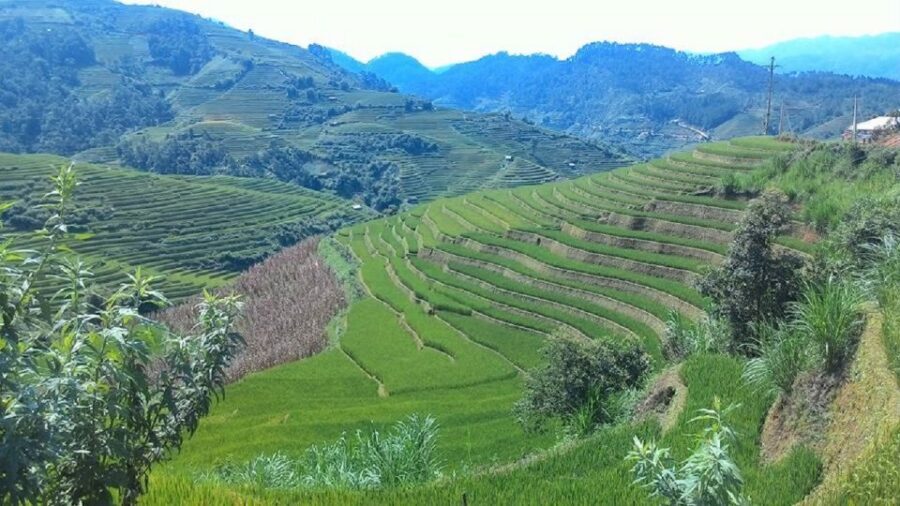
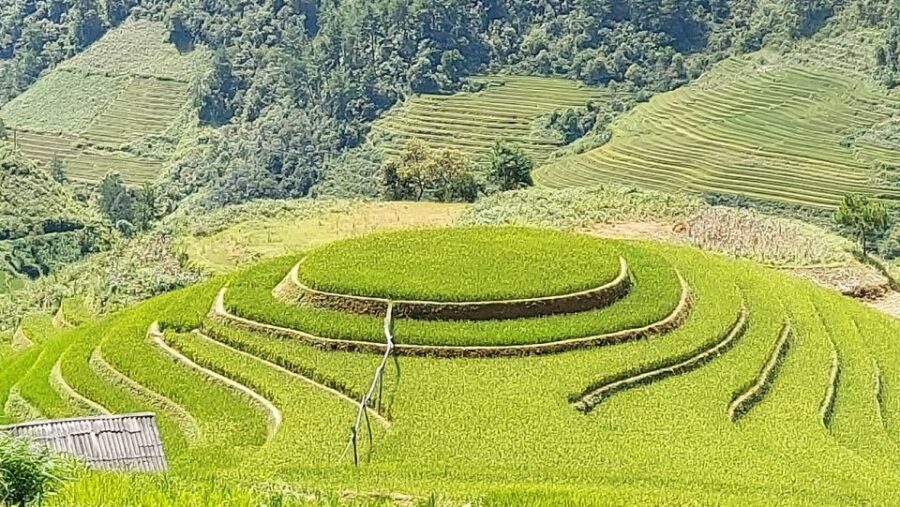
Day 1 is built around a longer trek: about 9 km and around 3.5 hours walking. You start after lunch, heading onto the Y Linh Ho trail and moving through rice terraces and along the Muong Hoa Stream. The tour is designed so the walking path carries you through classic valley views rather than random back-and-forth loops.
The next highlight is Lao Chai, described as a Black Hmong village. This is where the scenery and the ethnic presence meet: as you approach, you get that sense of being in the valley’s working world, not just watching from a distance. You’ll keep moving toward Ta Van in late afternoon, with the tour specifying Giay people inhabit Ta Van—so the shift from one community to the next is part of what you’re experiencing.
Then comes the homestay moment. You check in around 17:45 and meet the family, with time to relax before dinner. The tour also gives you a chance to join in cooking local dishes with the family (if the schedule works), and then you can enjoy dinner in a quieter setting. After that, there’s optional social time at a nearby local bar with music, before you sleep in a bungalow in Ta Van.
That sunset period matters more than it sounds. After hours on a trail, you’re tired in a good way, and the homestay gives you a decompression window. If you like travel that’s about daily life—who’s doing what, how the evening flows—this part is the core payoff.
Day 2: Ta Van to Giang Ta Chai, bamboo forest, and a Red Dzao panorama stop
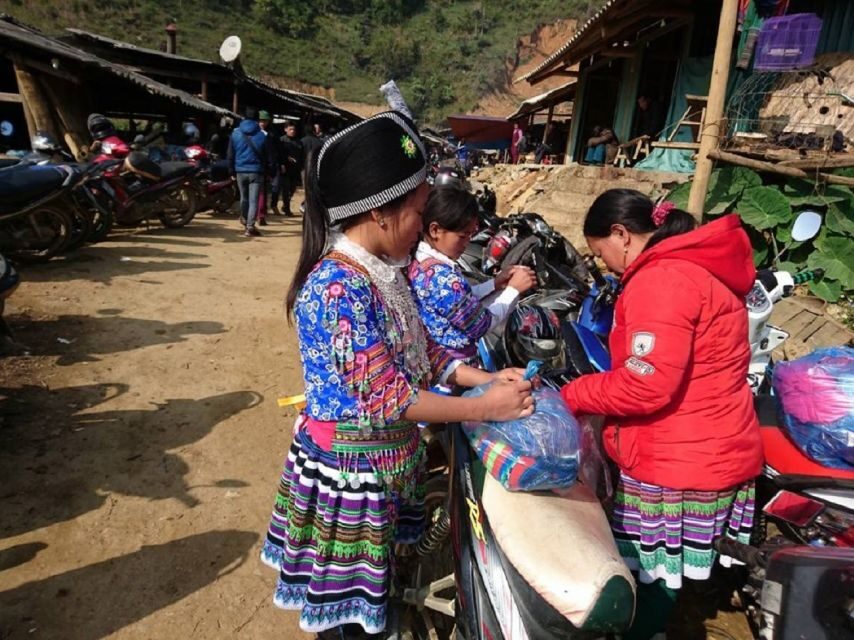
Day 2 is shorter but still active: about 4 km and around 2 hours trekking. You start with breakfast prepared by the family, then set off through rice paddies. There’s built-in photo time here because the route is designed to give you time with the views rather than rushing past them.
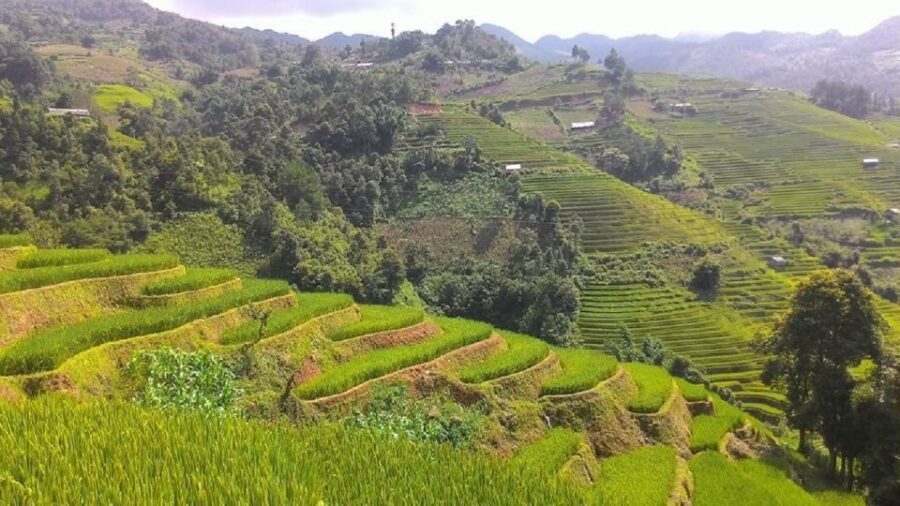
From there, the walking shifts into a bamboo forest section. You’ll also pause at a panorama view stop connected to Giang Ta Chai village, home of the Red Dzao people. The point of this stop isn’t just photos—it’s a chance to see how the village sits in the terrain, and how the path feeds your understanding of why people build where they do.
You’ll cross the Giang Ta Chai Bridge and then head back toward the main road. After that, the schedule gives you a clear reset: return to the bungalow, shower, and lunch. Then you’re picked up to get back to the bus station, with a window of free time in Sapa town before regrouping for the return bus to Hanoi.
The return is timed well: you meet the group at the bus station around 15:00–15:30, take the bus back with two rest stops, and arrive in Hanoi around 21:30–21:45. This means you get a full second day of trekking without losing the evening to transit chaos.
Homestay life in Ta Van: what you’re actually paying for
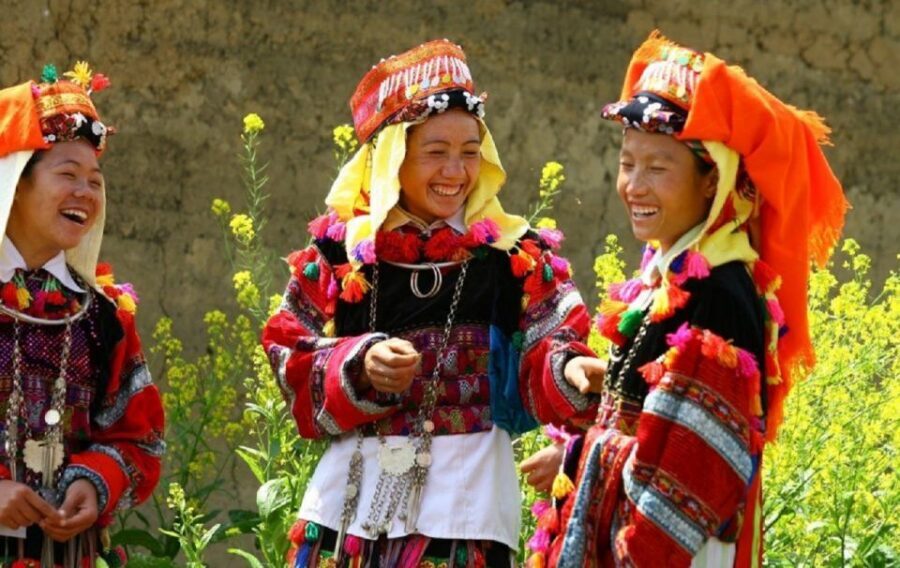
The homestay is the part that turns this from a basic trek into a real cultural exchange. You’re getting 1-night accommodation in a bungalow in Ta Van, plus meals as listed: lunch and dinner on day one, and breakfast on day two (with another lunch on day two). The included mineral water is a small comfort, but it matters after long walks.
What you can expect at the homestay level is family interaction: check in, meet the family, and then share evening time. If you get the chance, cooking local dishes with the family is one of the best ways to learn without a lecture. Even if you’re not cooking, the process is usually where you pick up the practical details—how the day’s work connects to meals, and how guests are folded into the evening’s flow.
The tone here is peaceful rather than staged. There’s also optional social time at a local bar nearby with music, which gives you a low-pressure way to chat with other group members. If you prefer quiet, you still have plenty of downtime.
One caution, based on what I’ve learned people run into on similar Sapa setups: ask your guide what is included at the homestay level and what isn’t. For example, the tour does list meals and admissions, but drinks beyond what’s stated are not included. Also, if you’re the type who wants everything spelled out, don’t be shy about confirming the full cost before you go.
Food: lunches, dinner, and how meals fit into the trekking rhythm
This tour includes 2 lunches and 1 dinner, plus 1 breakfast. That’s a big deal in Sapa, because it removes decision fatigue when your legs are already doing the thinking.
Day 1 starts with lunch in Sapa Town, then you trek through the terraces and into the valley. Dinner at the homestay is part of the evening decompression and gives you a taste of what the family serves at home. On Day 2, breakfast is made by the family, which keeps the start of the day grounded before the second trek.
Lunch on Day 2 happens after you shower and reset, which helps if you’re the kind of person who gets cold or sluggish after walking. It’s also timed well so you can eat before the afternoon travel and the regrouping at the bus station.
A practical tip: the tour includes mineral water, but drinks are not listed as included. Bring some cash and be ready to buy water or other drinks if you want them. If you’re sensitive to spicy food or unfamiliar ingredients, mention that to your guide early so they can steer you toward what’s easiest.
You can also read our reviews of more tours and experiences in Hanoi
- Doris Cruise 5 star cruise 2 days visiting Halong Bay Lan Ha Bay private balcony
★ 5.0 · 2,338 reviews





Price and value for $87: what you get, and what you must confirm
At $87 per person, the headline value is that you’re combining four major costs into one bundle: bus transportation from Hanoi to Sapa and back, a professional English guide, 1-night homestay, and meals (plus admissions and mineral water). For a 2D1N setup, that’s usually a fair deal if everything is clearly spelled out.
But here’s the part you should treat seriously: one traveler reported confusion about inclusions, specifically that the return transfer from Hanoi to Sapa and back was not handled as fully included and needed cash payment for a ticket. That doesn’t mean it will happen to you—but it does mean you shouldn’t assume.
Before departure, do this fast checklist:
- Confirm the exact bus/transfer costs and whether any tickets must be paid separately in Vietnam Dong.
- Confirm what meals are included (the list is clear, but still verify at pickup).
- Confirm any likely add-ons for drinks beyond what’s listed.
Also keep in mind the tour notes that you should take cash in Vietnam Dong, because banking systems in Sapa can sometimes be unreliable. US Dollar, Euro, and Australia Dollar are accepted in Sapa, but relying on card machines is not the plan.
If you’re traveling solo, there’s a single supplement surcharge of US$15. So if you see the price and assume it’s the same for one person, double-check your final total.
Packing and trekking tips: fog, shoes, sun, and altitude comfort
This trek requires a good level of physical fitness. The walking distances—about 9 km on Day 1 and about 4 km on Day 2—are manageable for many travelers, but the terrain and elevation make your pace feel slower than on flat ground. Start conservative and let the guide set the tempo.
Wear or pack hiking shoes. The tour is explicit about that, and it’s not overkill. Trails can be uneven, and bamboo forest and terrace routes can get slick. Sunglasses and sun cream help even when skies are mixed. Bring a sun hat or cap, plus an extra hat if you’re visiting in colder months.
Warm clothes matter from October to March, with scarf and hat called out. December to March can bring fog due to altitude, so don’t plan only for sun. If you run cold easily, pack layers you can add or remove quickly.
Also bring insect repellent and basic medicine. The guide notes you should take medicine with you, which is simple common sense for a long day on the trail. Lastly, bring a passport or ID card.
If you want the day to feel easier, keep your daypack light and keep water accessible. The tour includes mineral water, but you may still want more depending on weather and your pace.
Who this tour fits best (and who should skip it)

This is a solid fit for you if you want:
- A short, structured 2-day experience from Hanoi
- Real walking between villages rather than just viewpoints
- A homestay in Ta Van with family time and dinner
- A cultural focus tied to specific ethnic communities like H’mong, Giay, Dzao, and Red Dzao
You might want to skip it or choose a gentler alternative if you’re not comfortable with trekking and uneven paths. The tour explicitly says it needs a good fitness level. Also, if you hate any uncertainty about included costs, read the fine print and confirm transfer/ticket details before you pay.
If you’re the kind of traveler who likes to ask questions and keep expectations clear, you’ll likely enjoy this a lot more than someone who assumes everything is handled the same way every step of the process.
Should you book this 2D1N Sapa trekking + homestay experience?
I’d book it if you want a true Sapa experience in a tight window, especially if the homestay in Ta Van and the Day 2 Giang Ta Chai bamboo-forest route sound like your kind of travel. The included meals and the guided walking make the trip feel organized, and the ethnic village visits are built into the route rather than treated as side stops.
I wouldn’t book it on autopilot. Do one quick thing first: confirm exactly what the Hanoi↔Sapa transfers cover and whether any bus/ticket payment is due in cash. If you get that sorted, this tour can be a strong value way to see the Muong Hoa valley walking routes, sleep in the village, and come back to Hanoi without extra hassle.
FAQ
How long are the trekking parts on each day?
Day 1 is about 9 km and takes around 3.5 hours. Day 2 is about 4 km and takes around 2 hours.
What meals are included?
You get 1 breakfast, 2 lunches, and 1 dinner. Mineral water is also included.
Do I stay in a homestay or a bungalow?
You stay in a local homestay setup in Ta Van, and the overnight is in a bungalow at Ta Van.
How do I get from Hanoi to Sapa and back?
The tour includes modern bus transport from Hanoi to Sapa and returns you by bus from Sapa back to Hanoi, with rest stops on the way.
What are the pickup and arrival times in Hanoi?
Pickup in the Hanoi Old Quarter is around 06:00–06:30, or you meet at the Hanoi Opera House around 06:00 AM if you’re outside the Old Quarter. You return to Hanoi around 21:30–21:45.
What clothing should I pack for colder months?
From October to March, the tour suggests warm clothes, scarf, and hat. In December to March, fog can happen due to Sapa’s altitude.
What should I bring for the trek?
Bring hiking shoes, sunglasses, a sun hat, and sun cream. Insect repellent and medicine are also recommended.
Do I need cash in Vietnam Dong?
Yes. You should take cash in Vietnam Dong because the banking system in Sapa sometimes doesn’t function well. US Dollar, Euro, and Australia Dollar are accepted in Sapa.
Is there an extra fee for solo travelers?
Yes. There is a single supplement surcharge for solo travelers of US$15.
What if my plans change?
The tour offers reserve & pay later, and you can cancel up to 24 hours in advance for a full refund.


More 2-Day Experiences in Hanoi
- Doris Cruise 5 star cruise 2 days visiting Halong Bay Lan Ha Bay private balcony
★ 5.0 · 2,338 reviews