REVIEW · HANOI
Cao Bang Easy Trekking Tours 2Days/1Night Ban Gioc Waterfall ET1
Book on Viator →Operated by Vietnam Northern Travel · Bookable on Viator
Ban Gioc is best earned on foot. This 2D/1N trip sends you into Cao Bang Global Geopark scenery—mountains, streams, and village trails—plus big-ticket stops like Ngao Cave and the Ban Gioc Waterfall area. I like that it runs with a small group size, often max 8, so you get real time with your guide instead of feeling herded.
I also like the way the day is paced around walking and food, not a checklist. Your night is in a standard local homestay in Khuoi Ki stone village, with meals like Cao Bang rice paper and duck noodle soup keeping you fueled for the trails. The one drawback to flag: it includes long travel segments and no air-conditioned vehicle, so you’ll want patience and comfort items for the rides.
In This Review
- Key Highlights You Can Plan Around
- From Hanoi to Cao Bang: How the Timing Really Works
- Night 1 in Cao Bang: Homestay Base in Khuoi Ki Stone Village
- Day 1 Trekking: Ngao Cave, Tay Village Stones, Forest and Stream
- Breakfast and a proper start
- Ngao Cave (Tiger Cave) around late morning
- Trek to a Tay village: Bong Son Village
- Terraced rice fields, forest, and stream for the calm part
- Lunch with a local family
- Afternoon trek and photo time
- Return trek to the homestay without duplicating the route
- Day 2: Quay Son River Walking, Trúc Lâm Pagoda, and Ban Gioc Waterfall
- Morning breakfast, then River walking
- Trúc Lâm Zen Monastery for panoramic views
- Ban Gioc Waterfall by boat closer to the falls
- Lunch and then back to Cao Bang City
- Limousine back to Hanoi
- Food, Guides, and the Calm Pace That Makes It Work
- What You Pay: Value for Meals, Homestay, and the Two-Day Route
- Who This Tour Fits Best (And Who Should Think Twice)
- Practical Tips So You Enjoy the Waterfall and Caves
- Should You Book Cao Bang Easy Trekking Tours ET1?
- FAQ
- What is the duration of this tour?
- What is included in the price?
- Is transportation from Hanoi to Cao Bang included?
- How big is the group?
- What time does the main activity start?
- What happens if weather is poor?
Key Highlights You Can Plan Around
- Small-group trekking (max 8) for a calmer pace and easier photo stops
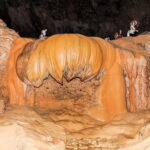
- Ngao Cave (Tiger Cave) with dramatic stone columns and stalactite shapes
- Homestay in Khuoi Ki stone village for a quieter, mountain-atmosphere night
- Tay village routes and terrace rice fields for real village-life scenes
- Ban Gioc Waterfall by boat with splashes near the Vietnamese side
- Trúc Lâm Zen Monastery views that frame both Vietnamese rice fields and the border area
From Hanoi to Cao Bang: How the Timing Really Works
This is a 2-day setup that starts with an evening transfer from Hanoi, then moves into daytime trekking and sights the next day. In practice, plan for a travel night. You’ll meet your driver around 7:30–8:00pm at My Đình Bus Station area (people often take a Grab to get there). Then you check in to a VIP sleeper between 9:00 and 9:30pm and sleep on the way to Cao Bang City.
The next morning starts early. You’ll meet the driver again at around 5:00–5:30am for the drive to Ban Gioc Waterfall. After that, the tour becomes very straightforward: breakfast in a homestay area, then walking routes, caves, village visits, and proper meal breaks.
It helps to know that the tour start time shown as 8:30am matches when you begin the main day activities, not the moment you leave Hanoi. So if you’re the type who hates early starts, remember you’re already awake from the morning drive and then you’ll be moving on foot.
You can also read our reviews of more hiking tours in Hanoi



Night 1 in Cao Bang: Homestay Base in Khuoi Ki Stone Village
Night one is not a hotel sprint-through. You check in at a local homestay in Khuoi Ki stones Village, near the Ban Gioc Waterfall area. That location matters because it makes your trekking day feel closer to the mountains and less like a constant bus commute.
You’ll arrive around 8:00–8:30am for the warm welcome at the homestay, have breakfast there, and then spend the day outdoors. By evening, you’ll trek back to the homestay around 17:30–18:00, shower, and then eat dinner with the group.
A big value here is the rhythm: walking during daylight, recovery in a calm place at night. This part also tends to be where the tour earns trust—if the homestay is peaceful, the whole trip feels easier. From the feedback patterns I’ve seen, guides like Nhat and Anthony are often mentioned for being careful with details and keeping things comfortable, so you’re not left guessing what comes next.
Day 1 Trekking: Ngao Cave, Tay Village Stones, Forest and Stream
Day 1 is the heart of the walking and the storytelling. The plan goes like this:
Breakfast and a proper start
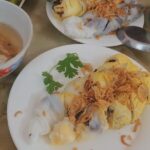
You’ll eat breakfast at the homestay around 8:30–9:00am. The food isn’t generic. You might get local specialties such as Cao Bang rice paper or duck noodle soup (and later, sour noodle appears again on Day 2). I like this because it helps you avoid trekking on an empty tank, and these are the flavors you actually came for.
Ngao Cave (Tiger Cave) around late morning
Next, you’ll visit Ngao Cave (Tiger Cave) from about 9:00–10:30am. The standout here is what the cave looks like, not just that it exists. You’ll see natural stone columns that formed over hundreds of millions of years. Expect stalactites and shapes that people describe in vivid terms: tiger-style forms, lotus images, boats, cactus shapes, jellyfish-like forms, and other “magic” silhouettes.
Practical note: caves can be cooler and a bit slippery. Bring shoes you’re comfortable with, and don’t plan to look for perfect lighting for photos—use steady movement and enjoy the shapes as you go.
You can also read our reviews of more tours and experiences in Hanoi
- Doris Cruise 5 star cruise 2 days visiting Halong Bay Lan Ha Bay private balcony
★ 5.0 · 2,338 reviews





Trek to a Tay village: Bong Son Village
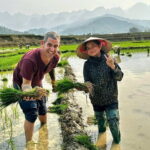
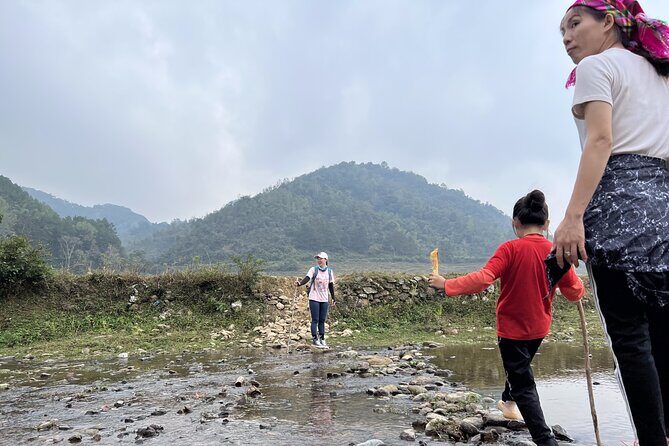
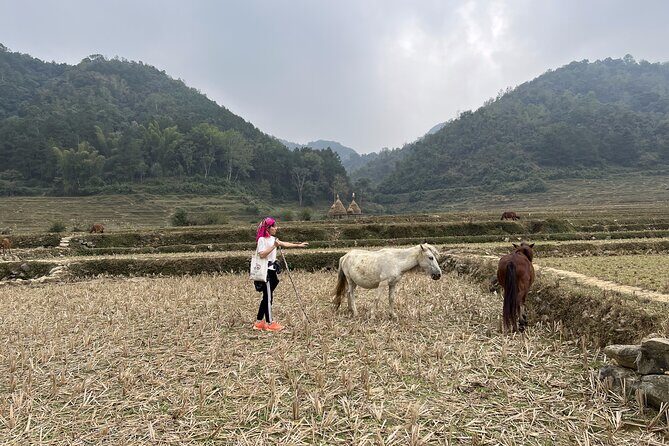
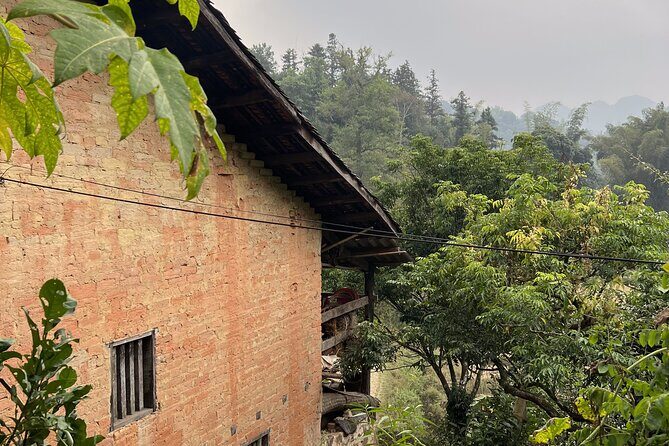
From about 10:30–11:30am, you trek to Bong Son Village, a Tay ethnic village. This part feels different from the cave because it’s human-scale. You’ll see old stone houses, and the route is built to connect you with what daily life looks like in the hills.
Terraced rice fields, forest, and stream for the calm part
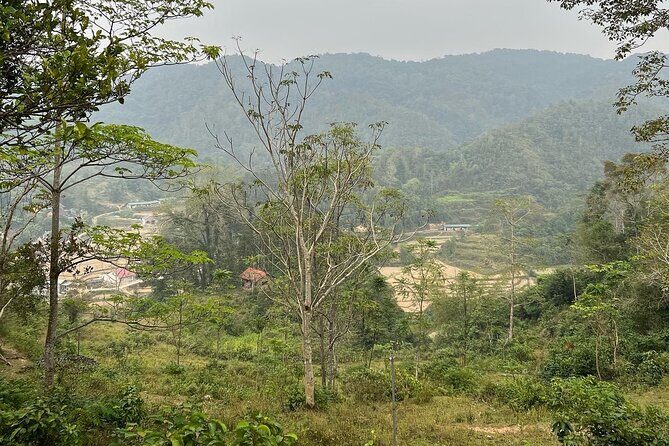
Then comes the slower, scenic stretch: 11:30am–1:00pm. The route moves through terrace rice fields, forest, and stream. This is where stress tends to drop off, because the walk is not a sprint between stops. You’ll have time to pause for photos and watch how the water and hills shape the village patterns.
Lunch with a local family
At 1:00–2:00pm, you’ll have lunch at a local family. The idea is to learn customs and normal life alongside eating Cao Bang specialties. This is one of the most worthwhile parts if you like food that comes with context.
The only caution: family lunches can be simple. If you’re expecting a fancy menu, you might feel a bit underwhelmed. But if you want real local life, this is where the trip becomes more than scenery.
Afternoon trek and photo time
From 2:00–4:30pm, you continue along the most unique route the schedule allows, with more forest and nature time. The itinerary explicitly includes photo opportunities, and I’d treat this as your best window for “I’m just enjoying this” walking.
Return trek to the homestay without duplicating the route
Finally, 4:30–5:30pm brings you back to your homestay via another route to avoid repeating the same path. That small detail matters. You get variety in the trail and less boredom.
Day 2: Quay Son River Walking, Trúc Lâm Pagoda, and Ban Gioc Waterfall
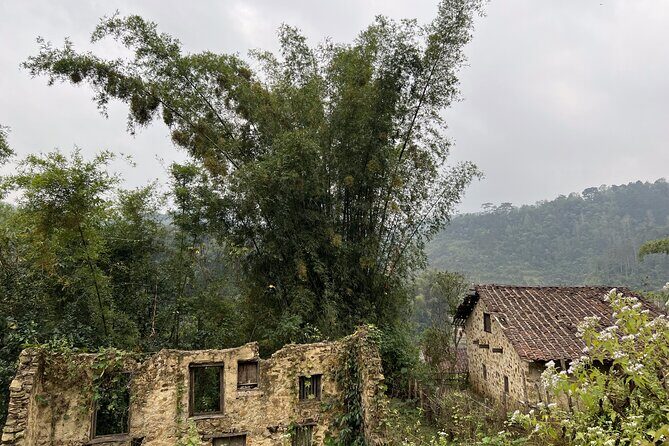
Day 2 keeps the energy but shifts the focus toward views and the border-area waterfall experience.
Morning breakfast, then River walking
You’ll start around 7:00–7:45am with breakfast, again featuring Cao Bang rice paper and duck noodle soup or sour noodle. Then 7:45–9:00am brings a trek along the Quay Son River.
This section is described as mountain duplication scenery with interleaving water. On the left side, you’ll see a Chinese fence and construction elements. That means your walk isn’t just pretty—it also makes the geography and the border reality feel close.
Trúc Lâm Zen Monastery for panoramic views
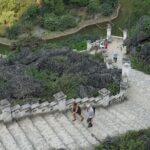
From 9:00–9:45am, you’ll visit Trúc Lâm Zen Monastery and climb up to the pagoda. The reason this stop is worth it is the viewpoint. You’ll look over the Ban Gioc Waterfall scenery, with rice fields on one side and the Chinese Glass Bridge described on the other.
If you like photographing from a height, this is your best framing stop of the trip. If you’re not into temples, you can still treat it as a viewpoint break and a short cultural pause.
Ban Gioc Waterfall by boat closer to the falls
Then it’s waterfall time: 9:45–11:00am. Water flows down from above, washing a river below. You’ll be near fragrant rice fields with a cool breeze, then you’ll take a boat closer to the waterfall.
This is where you get the splash. The plan includes getting the drops on people, and yes, it can make you feel goosebumps. Bring clothes you’re okay with getting wet, or at least plan on a towel change later.
The waterfall area sits at the Vietnam–China border. That fact is baked into the feeling of the stop, especially when you’re on the water and not just looking from a distance.
Lunch and then back to Cao Bang City
From 11:00am–12:00pm, you’ll have lunch at Thác Ban Gioc Restaurant, with Cao Bang specialties again. After lunch, you’ll return to Cao Bang City by local bus and drop at the office around 12:30–13:00.
Limousine back to Hanoi
Your ride home is set for 15:00–15:30, when you get picked up by a Limousine from Cao Bang City to Hanoi. You’ll arrive around 22:00–23:00 and then head to your hotel.
That means day two is scenic and full, but also long in total travel. If you’re planning other bookings in Hanoi afterward, keep them flexible.
Food, Guides, and the Calm Pace That Makes It Work
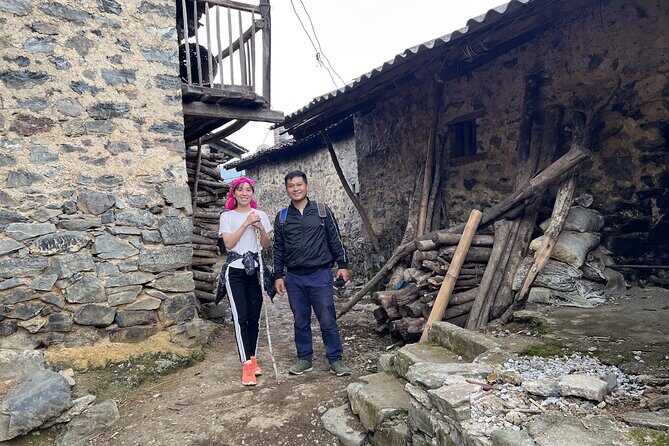
What I like most about this tour is that it treats the trip like a full experience, not a rushed conveyor belt. The schedule leaves room for breakfast, caves, trekking segments, and lunch with a family. Then it gives you time to enjoy the homestay evening and the waterfall splashes without trying to cram everything into a single frantic day.
Guides are a big part of that. Names that keep coming up in the experience are Anthony, Nhat, and Sen. The common thread is a patient, attentive approach: clear handholding, care in details, and a willingness to keep things moving at a comfortable speed rather than forcing you to match someone else’s pace.
If you get stuck with motion or stamina limits, a calm guide makes a difference. The itinerary describes “easy trekking” and notes that most travelers can participate, so it’s not built for elite hikers. Still, you should expect uneven ground, river-adjacent paths, and some climbing when you reach the pagoda area.
What You Pay: Value for Meals, Homestay, and the Two-Day Route
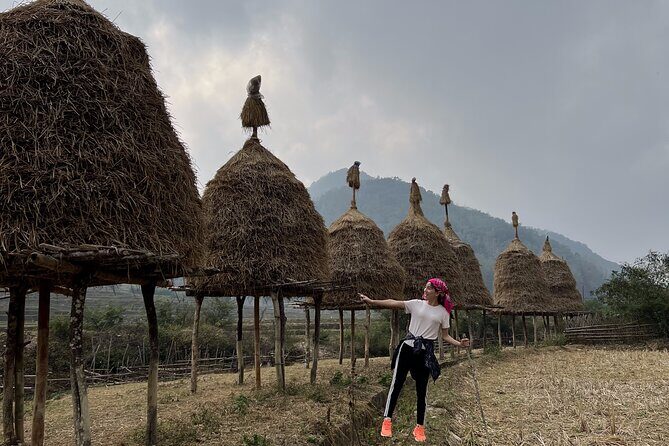
The base price is $129 per person, which sounds reasonable for a 2D/1N program that includes:
- 1 night in a standard local homestay
- 2 breakfasts, 2 lunches, 2 dinners
- bottled water during the trip
- all fees and taxes
- a group tour setup (small group, mobile ticket)
But there’s an important extra cost: the transportation from Hanoi to Cao Bang is not included and is listed as $20 per person for one way. Since the trip involves going and coming, you should budget the full round-trip travel.
In real value terms, you’re paying mainly for coordination: the sleeper and local transfers, the guided cave and village route, and the included meals that keep you going. This is often cheaper than piecing it together on your own, especially if you don’t want to organize homestays, guide timing, and pickup points.
The trade-off is comfort. The itinerary explicitly lists no air-conditioned vehicle, so the rides may be warm and less cushy than what some people expect on Vietnam trips. If you can handle that, the rest feels like good value for the time you have.
Who This Tour Fits Best (And Who Should Think Twice)
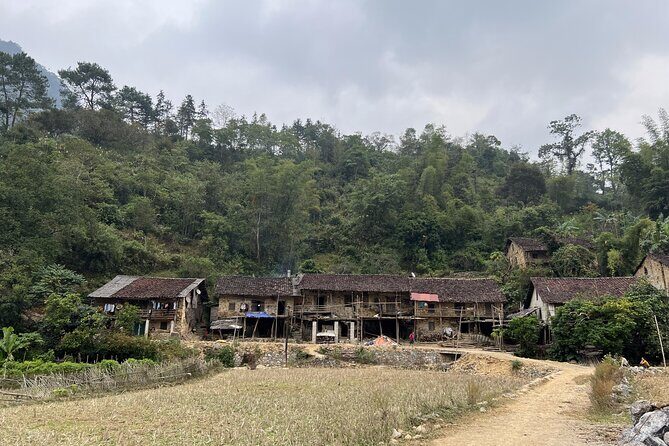
This tour fits you if you want:
- easy trekking with a guided route
- village and cave time, not just a single viewpoint stop
- local food built into the day
- a small group experience
You might think twice if you need a lot of luxury comfort. Between the overnight VIP sleeper, early mornings, walking, and a return day that ends late in Hanoi, this is not a “sleep in and lounge all day” plan.
Also, this experience requires good weather. If weather is bad, you’ll be offered a different date or a full refund, depending on how it’s handled. So it’s smart to pick dates when rain is less likely, or at least keep your schedule flexible.
Practical Tips So You Enjoy the Waterfall and Caves
Bring the basics that make Day 1 and Day 2 easier:
- Walking shoes with grip for cave floors and forest paths
- a light rain layer even if the forecast looks okay
- something for wet splashes near Ban Gioc Waterfall, since the boat part can soak you
- a small towel or spare shirt for the ride and evening
- keep some cash or small payments handy for personal snacks if you want extra bites (meals are included, but personal cravings happen)
And mentally prepare for the rhythm: you start early, walk a lot in short bursts, eat often, and then wrap in a homestay night that feels quieter than the city.
Should You Book Cao Bang Easy Trekking Tours ET1?
If you want a well-paced two-day Cao Bang experience that connects Ngao Cave, Tay villages, and Ban Gioc Waterfall without turning it into a race, I think this is a solid booking. The value is strongest because meals and one night homestay are included, and the small-group size helps the trip feel smoother.
I’d only skip it if you strongly need air-conditioned comfort, or if you hate early mornings and long travel days. If you’re okay with that trade-off, you’ll likely leave with two things you can’t fake: real village walking time and the Ban Gioc moment where the border falls into your own perspective.
FAQ
What is the duration of this tour?
It runs for 2 days (approx.).
What is included in the price?
Included are 2 breakfasts, 2 lunches, 2 dinners, bottled water during the trip, all fees and taxes, and 1 night accommodation in a standard local homestay.
Is transportation from Hanoi to Cao Bang included?
No. Transportation from Hanoi to Cao Bang costs $20 per person per one-way trip.
How big is the group?
This tour has a maximum of 8 travelers.
What time does the main activity start?
The activity start time is listed as 8:30 am.
What happens if weather is poor?
If the experience is canceled due to poor weather, you’ll be offered a different date or a full refund.
More Hiking & Trekking Tours in Hanoi

More Tours in Hanoi
- Ninh Binh Full-Day Tour from Hanoi to Hoa Lu, Tam Coc & Mua Cave Via Boat & Bike
★ 5.0 · 4,384 reviews