
REVIEW · HANOI
2-Day Amazing Sapa Trek With Sleeper Train From Hanoi – Overnight At Hotel
Book on Viator →Operated by Old Quarter Travel · Bookable on Viator
Rice terraces after a night train. This tour is interesting because it strings together train travel, big scenery, and village time with a sleeper train that helps you skip extra hotel nights. I love the Muong Hoa Valley hiking views and the chance to walk through Black H’mong and other ethnic minority areas with a real guide like Lisa San. I also like the small-group setup, which keeps the pace human and the questions answered.
The tradeoff is you’ll need good weather and you should have moderate hiking stamina for several hours on each trekking day. If conditions are poor, the trip can be changed or refunded, but you do not want to plan this as a last-minute gamble.
In This Review
- Key points to know before you go
- Why this sleeper-train setup feels like better value
- Hanoi night departure: meeting at Ga Hà Nội and the Lao Cai timing
- Day 2: Muong Hoa Valley trekking from Lao Chai to Ta Van
- Sapa hotel evening: one night to reset and explore town
- Day 3: rice terraces, Cat Cat village, and the ride back to Hanoi
- Price and logistics: what $193 buys you (and what it doesn’t)
- Small-group pace: why max 15 matters on a mountain trail
- Weather, fitness, and comfort notes you should not ignore
- Should you book this Sapa trek with sleeper train?
- FAQ
- How long is the tour?
- Where do I meet in Hanoi and what time?
- What’s included in the price?
- Which villages do you visit?
- How big is the group?
- What fitness and weather do I need?
Key points to know before you go

- Sleeper train round-trip cuts down on hotel time and turns long travel into usable rest
- Muong Hoa Valley hikes are the heart of the experience, with time in villages along the way
- Three ethnic minority stops include Lao Chai, Ta Van, and Cat Cat (plus daily-life moments)
- Small-group limit of 15 means less waiting and a more personal feel on the trail
- Overnight in Sapa gives you one full evening to reset and explore town at your own rhythm
Why this sleeper-train setup feels like better value
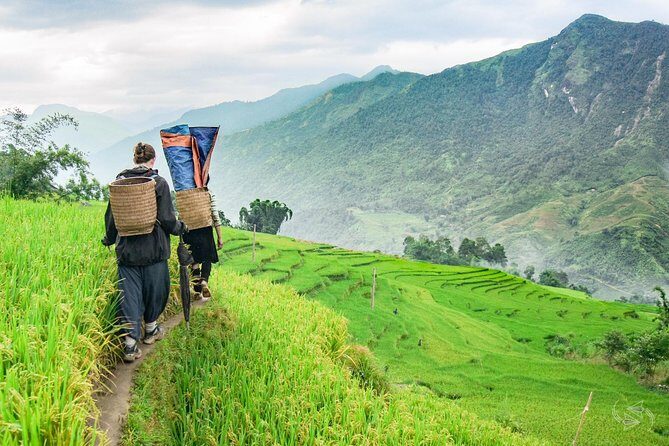
The smartest part of this trip is simple: you travel overnight by sleeper train between Hanoi and Lao Cai. That means you’re not paying for a second hotel night just to get to the mountains. In practice, the schedule works like a pressure-free handoff: you meet in Hanoi at night, sleep on the train, then start the hiking day in Sapa with less wasted time.
You also get a built-in rhythm that many people enjoy. You arrive early enough to eat breakfast, check that your luggage is handled, and still start the first trek in the morning. It’s a nice way to avoid the classic Vietnam travel problem of arriving late, losing the best daylight, and spending the first day just figuring things out.
Still, comfort is a trade. The tour uses a shared cabin setup (four people per cabin), so you’re not buying silence or privacy. If you’re the type who sleeps lightly, plan on treating the sleeper train as transportation plus a rough rest, not as a luxury hotel bed.
You can also read our reviews of more hiking tours in Hanoi



Hanoi night departure: meeting at Ga Hà Nội and the Lao Cai timing

In Hanoi, your meeting point is Ga Hà Nội (also listed as Ga Hàng Cỏ), near Văn Miếu–Quốc Tử Giám in Hoàn Kiếm. Plan on meeting at 20:50, with the train taking off around 21:30 to 22:00. The ride is about 8 hours to Lao Cai.
This matters because it shapes what you do on Day 2. The tour pickup at Lao Cai is timed for early morning—around 05:30 to 06:00—which sets you up to eat breakfast and begin hiking at 08:30. If you’re trying to squeeze Sapa into a busy Vietnam itinerary, this train timing is a big deal.
Also note the tour includes return overnight train service. That means on Day 3 you’ll do the hiking, eat lunch, then head to Lao Cai around 17:00 for the night train back to Hanoi. It’s not a sit-around-and-see-everything option. It’s a “do the core things well” option.
Day 2: Muong Hoa Valley trekking from Lao Chai to Ta Van

Day 2 is where you earn your Sapa views. After pickup in Lao Cai and breakfast in Sapa, you start trekking at 08:30 with the goal of reaching Lao Chai Village, described as a home of the Black H’mong minority. This portion is listed as about 3 to 4 hours, and it’s focused on walking through the Muong Hoa Valley area along the river.
The real value here is that you’re not just snapping photos from a roadside viewpoint. The trail gives you gradual changes in scenery and a chance to slow down enough to notice how daily life lines up with the terrain—what sits near paths, what grows where, and how villages relate to the valley routes. It’s also easier to connect with the places you’re visiting because the guide can pace the walk and explain what you’re seeing as you go.
After Lao Chai, the day continues with lunch at a local restaurant around 12:00. Then you move toward Ta Van Village, with the goal of spending time with a Giáy family homestay and making friendly connections there. The tour doesn’t promise a long “live with a family” stay, but it does position you to meet people in a homestay setting rather than only passing through a village as a quick photo stop.
By 13:30, you’re picked up by car to return to Sapa and check into your hotel. That timing gives you something important: you get the trek day done without eating your entire afternoon in transit. You still have evening time for dinner and relaxing, which helps you enjoy Day 3 more.
Sapa hotel evening: one night to reset and explore town
Once you’re back in Sapa, the tour gives you room to breathe. You’ll have dinner and then overnight at the hotel in Sapa. After a morning trek and a midday village encounter, that free evening time is more than a bonus. It’s what turns a fast day-trip style experience into a trip that feels like you actually touched the rhythm of the town.
You also have “free time to explore Sapa.” The tour doesn’t script every minute, and that’s a good thing. You can use the time to wander near the center, grab a drink (note: drinks are not listed as included), or just sit down and recover without feeling guilty.
If you’re thinking about what to pack mentally for the next day: this is your chance to wash up, dry out any damp clothes, and prepare for another trek that starts early. For many people, this hotel night is where the trip’s emotional payoff comes in—you’re tired, yes, but you’re also settled into Sapa.
Day 3: rice terraces, Cat Cat village, and the ride back to Hanoi
Day 3 starts with breakfast at 08:00, followed by a half-day trekking route through rice terraces. This portion is described as taking about 4 hours, with a focus on experiencing Black H’Mong daily life and visiting Cat Cat village.
The Cat Cat stop is a good choice because it helps you connect the walking route to a specific community. Rather than feeling like you’re moving through scenery with no destination, you get a named village and a clearer sense of what the trek is for.
Then it’s lunch around 12:00, followed by another stretch of free time. You’ll have time to discover Sapa town, freshen up, and keep your own pace. This is a practical moment: if your legs are feeling good, you can explore a little more; if they’re not, you can still make the afternoon work without pushing too hard.
At 17:00, you transfer back to Lao Cai Railway Station. Dinner is on your own here, then you take the night train back to Hanoi, arriving the next morning (the exact arrival time isn’t specified, so keep your plans flexible).
You can also read our reviews of more tours and experiences in Hanoi
- Doris Cruise 5 star cruise 2 days visiting Halong Bay Lan Ha Bay private balcony
★ 5.0 · 2,338 reviews





Price and logistics: what $193 buys you (and what it doesn’t)
At $193 per person, the value is mostly about stacking costs that add up fast in Vietnam. Your price includes:
- Round-trip overnight sleeper train between Hanoi and Lao Cai (sharing cabin of 4)
- An overnight hotel stay in Sapa
- Breakfast (2) and lunch (2)
- Dinner (the itinerary also notes dinner on Day 3 is on your own)
- A structured trek with stops in villages like Lao Chai, Ta Van, and Cat Cat
- Small-group handling, with a maximum of 15 travelers
What’s not included is also clear:
- Tips and tax
- Insurance
- Drinks
- Anything not listed in the meal inclusions
So how do you judge the value? You look at two things. First, you’re not paying for an extra night of lodging in Hanoi or losing a full day to a daytime transfer. Second, you’re not just booking “a hike”—you’re getting guided movement through multiple communities with meals built in. That means you spend less time figuring out logistics and more time actually doing the core experience.
If you prefer private transport and total schedule control, you might find better comfort elsewhere. But for people who want the route efficient and the trek time real, this price can feel fair.
Small-group pace: why max 15 matters on a mountain trail
A max group size of 15 changes how the day feels. With fewer people, you can keep the walking pace consistent, stop for questions without a crowd controlling the rhythm, and handle transitions (like moving from village to village) without constant waiting.
It also tends to improve the quality of the guide interaction. One of the best pieces of feedback tied to this trip is that the guide experience can be strong—specifically, the name Lisa San shows up as someone who helped make the whole plan work and explained Sapa and the indigenous communities in a way that helped people learn more than they expected.
Just remember: even with a small group, this is still a trekking day. Your best experience comes when you’re comfortable with moderate hiking and you don’t treat the trail like a flat city walk.
Weather, fitness, and comfort notes you should not ignore
This tour requires good weather. Since trekking is the point of the trip, poor conditions can affect the plan. If the trip is canceled for weather reasons, you’ll be offered a different date or a full refund.
You also need moderate physical fitness. That’s not about being an athlete; it’s about being able to handle several hours of walking on Day 2 and Day 3. If you’ve ever had trouble with stairs, uneven ground, or long hikes elsewhere, be honest with yourself here.
Finally, you’re sharing a sleeper train cabin with four people. That’s normal for these routes, but it’s still worth knowing you’re trading privacy for savings. If you’re very sensitive to noise or cramped spaces, factor that into your expectations.
Should you book this Sapa trek with sleeper train?
Book it if you want a Sapa experience that is efficient and focused: overnight in Sapa, trekking through Muong Hoa Valley, and real village visits in Lao Chai, Ta Van, and Cat Cat. It’s a strong fit if you like structured days, small groups (up to 15), and you’re okay with moderate hiking and a shared cabin.
Pass on it (or rethink timing) if you need guaranteed comfort on the sleeper train, you’re not confident with multi-hour hikes, or you’re traveling with strict plans that can’t flex if weather forces a change. This trip works best when you can let the mountains set the tempo.
FAQ
How long is the tour?
It runs for about 3 days. You take an overnight sleeper train, then have trekking and an overnight hotel stay in Sapa before returning by night train.
Where do I meet in Hanoi and what time?
You meet at Ga Hà Nội (Ga Hàng Cỏ) in Hanoi around 20:50, with the train departing around 21:30 to 22:00.
What’s included in the price?
The price includes the round-trip overnight sleeper train, an overnight hotel in Sapa, 2 breakfasts, 2 lunches, and dinner. Some site admissions are also listed as included, depending on the day.
Which villages do you visit?
You visit Lao Chai (Black H’mong), Ta Van (Giáy homestay encounter), and Cat Cat during the second and third day trekking routes.
How big is the group?
The tour has a maximum of 15 travelers, so it stays small-group sized.
What fitness and weather do I need?
You should have moderate physical fitness for the trekking. The tour requires good weather, and if it’s canceled due to poor weather, you’ll be offered a different date or a full refund.




More 2-Day Experiences in Hanoi
- Doris Cruise 5 star cruise 2 days visiting Halong Bay Lan Ha Bay private balcony
★ 5.0 · 2,338 reviews