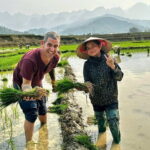
You get to swap bus rides for real paths. This 2-day, 1-night trek in Sapa focuses on walking through rice terraces and rural villages with your own English-speaking native guide, plus a night with a local family. It also aims to steer you away from the most crowded routes unless you ask otherwise.
I especially like the way the guides can shape the trip. In past treks, guides like Giang and Xa have stood out for their clear English and for explaining what you’re seeing, from rice-field work to village culture. I also like the homestay setup: you can choose a homestay with wifi and hot showers, and you’ll still get that human, open-fire “meet your hosts” feeling.
One thing to consider: this is a trek, not a lounge tour. You’ll need moderate physical fitness, and it also depends on good weather, so you should plan for muddy paths and a bit of walking time.
In This Review
- Key Things That Make This Trek Worth Your Time
- Why This Sapa Trek Feels More Real Than Day-Tours
- Meeting Your Guide in Sapa (And Where the Day Actually Starts)
- Day 1: Rice Terraces, Muonh Hoa Stream, and a Black Hmong Village Stop
- Your Homestay Night: Wifi, Hot Showers, and Fire-Side Conversations
- Day 2: Ta Van Village, Bamboo Forests, Waterfalls, and the Zay Tribe
- How Hard Is It, Really? Fitness, Footwear, and Weather Checks
- Price and Value: What $105 Covers in a 2-Day Private Experience
- Who This Trek Suits Best (And Who Might Want Something Easier)
- Should You Book This 2-Day Sapa Tribal Trek?
- FAQ
- How long is the trek?
- What time does the tour start?
- Where do we meet the guide?
- Is pickup available?
- Is this a private tour?
- What fitness level do I need?
- What’s included for the overnight stay?
- Which groups or villages will we visit?
- What is the cancellation policy?
Key Things That Make This Trek Worth Your Time
- Private, guide-led experience so you stay with your group and don’t get herded through stops.
- English-speaking native guides who can explain the area, history, culture, and tribes while you walk.
- Rice terraces plus Muonh Hoa Stream for scenery that changes every hour.
- Tribal village encounters including a stop in a Black Hmong village and time with the Zay tribe.
- Homestay night with real comfort options like wifi and hot showers, not just a basic overnight.
- Pacing options during the hike, with guides offering easy/medium/hard choices depending on how you feel.
Why This Sapa Trek Feels More Real Than Day-Tours
Sapa can be busy. But a good trek changes the whole rhythm. Instead of seeing villages from a viewpoint and moving on, you walk into them and share time with people at a human pace.
What makes this experience work is the mix of hands-on walking and overnight connection. You’re not only passing through; you’re staying the night, chatting around the fire, and learning how daily life fits into the hills. If you care about cultural context and not just photos, this is the kind of trip that rewards attention.
You can also read our reviews of more evening experiences in Hanoi


Meeting Your Guide in Sapa (And Where the Day Actually Starts)
You meet at 9:00 a.m. in Sapa, at the address listed for the activity: 690 Đường Điện Biên Phủ, TT. Sa Pa, Sa Pa, Lào Cai, Vietnam. Your guide will meet you at your homestay or hotel in Sapa, or from Lao Cai train station (the closest station to Sapa). If pickup is offered in your case, this saves you from figuring out transport before breakfast.
The tour ends back at the same meeting point. That matters because it keeps your logistics simple: you’re not scrambling to coordinate a second ride after two days of hiking.
Day 1: Rice Terraces, Muonh Hoa Stream, and a Black Hmong Village Stop
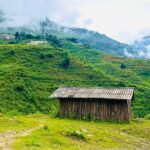
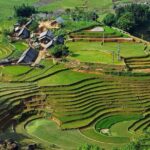
Day 1 starts with a trek through rice terraces, then you follow Muonh Hoa Stream toward a Black Hmong village (the village name is listed as La…, with the rest cut off, so I’ll stick to Black Hmong for accuracy). This is the section where the scenery does most of the work.
Why this part is special:
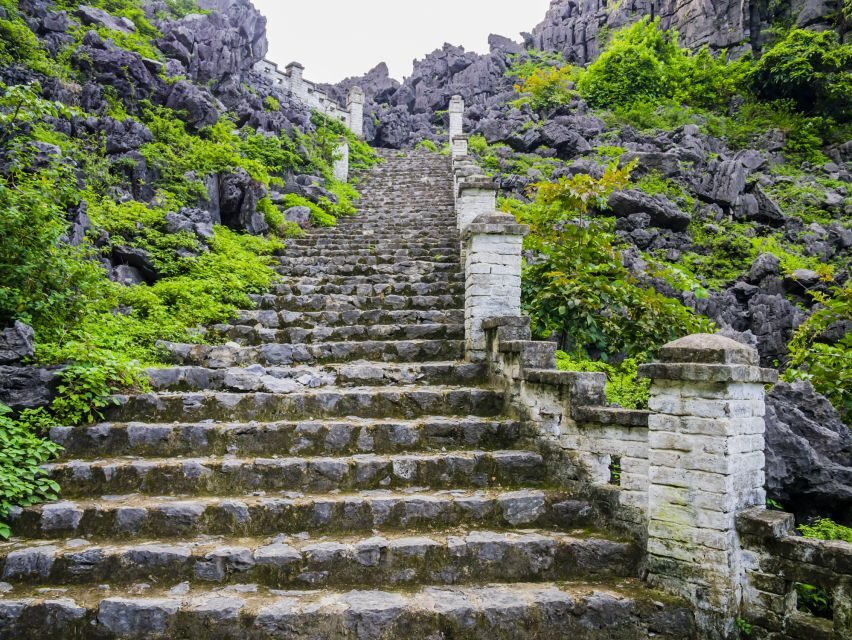
- Rice terraces show you how farming shapes the hills. You’ll get a better sense of why paths curve the way they do and how water matters.
- Following a stream is practical and pleasant. Water brings cooler air in the morning and gives your eyes a break from only looking at fields.
What you’ll likely do along the way:
- Walk with your guide at a pace that fits your group.
- Spend time in the village enough to understand what you’re seeing, not just pass the first doorway.
A small but important note: the trail choices can be flexible. Based on guide feedback from past groups, guides like Xa have offered easy/medium/hard options depending on how tired people feel, which helps if you’re not sure how your body will respond on day one.
Your Homestay Night: Wifi, Hot Showers, and Fire-Side Conversations
The overnight is one of the biggest reasons this trek earns top marks. You have options:
- Stay in a homestay with wifi and hot showers, or
- Choose to stay in a local house with a local family.
Either way, the goal is the same: you share an evening with your hosts and learn what daily life looks like beyond the trail. Past experiences described by groups highlight the warm social side—huddle around the open fire, chat, and get to know the family. Even if you’re not a big conversationalist, your guide can help translate what you see and ask.
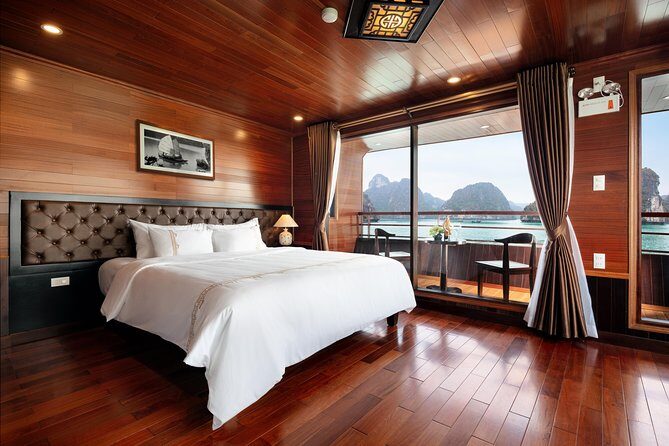
Comfort matters too. Reviews have pointed out that rooms can be clean, and that the late afternoon arrival makes it feel more relaxed than racing to check in before dark. If you worry that “homestay” means uncomfortable, this trek is designed to keep the basic level of comfort realistic—wifi and hot showers are explicitly part of the homestay option.
What I’d pack mentally for homestay night:
- You’re a visitor, so bring the kind of attitude that says thank you and asks questions.
- You’ll likely spend time indoors and outdoors, so expect a change in temperature once the trek wind drops.
Day 2: Ta Van Village, Bamboo Forests, Waterfalls, and the Zay Tribe
Day 2 begins with breakfast at 8:00 a.m., then you pack up and say goodbye to your host family. Breakfast timing is helpful because it keeps you moving without feeling rushed, while still giving you enough time to enjoy the morning with your hosts.
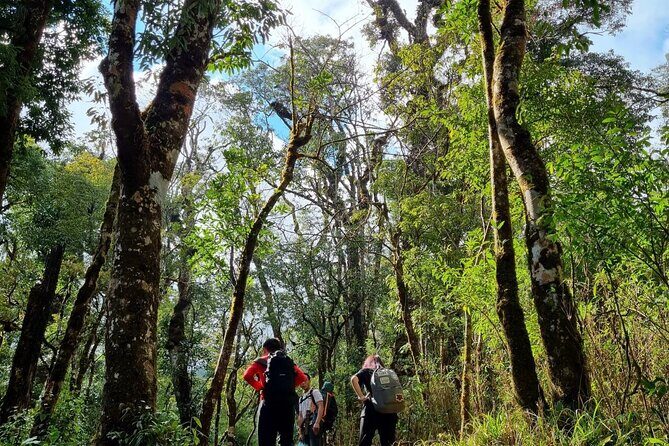
Then you trek to Ta Van Village and explore bamboo forests. This section is often the “softer” feel part of the day: bamboo gives more shade and a different soundscape than open terraces. You’re still working your legs, but the walk feels calmer.
After that, the route includes waterfalls and a chance to meet the Zay tribe. This is where the trip connects landscape and people in a simple way: water shapes daily routines, and tribal culture has its own rhythm tied to the hills.
Lunch comes in the early afternoon. By then, you’re usually ready for the stop-and-reset moment: eat, regroup, and let the guide handle the final transition back toward the meeting point.
If you like routes that make you earn the views step by step, this day hits the right notes: bamboo to waterfalls to a village encounter before you’re done for the trip.
You can also read our reviews of more hiking tours in Hanoi




How Hard Is It, Really? Fitness, Footwear, and Weather Checks
The tour is listed for people with moderate physical fitness. That’s a good sign if you want something more than a flat walk, but not an intense multi-day mountaineering plan.
In practical terms, moderate usually means:
- Expect steady walking on uneven paths.
- Plan for changes in footing depending on rainfall.
- Be ready for longer days than you might guess from the short duration.
The other big factor is weather. The experience requires good weather, and if conditions are poor, you’ll be offered a different date or a full refund. That’s not just a policy line. In Sapa, bad weather can turn trails into slippery challenges, and it also affects whether some village visits and streamside sections are safe.
Footwear tip (because your future self will thank you): bring shoes with grip. Trekking sandals and slick soles can turn a scenic walk into a balancing act.
Price and Value: What $105 Covers in a 2-Day Private Experience
At $105 per person for about 2 days, the price isn’t just about the trail. You’re paying for:
- A private setup (your group only) with a dedicated English-speaking native guide.
- Overnight stays with meaningful comfort options like hot showers and wifi.
- Access to rural village time, including tribal encounters in the Black Hmong and Zay communities.
For many travelers, the value is in the guide. Reviews repeatedly highlight how Giang and Xa explain what you’re seeing and tailor the hike pace. When a guide adds context—how rice work fits into village life, why certain paths follow the water—that’s what turns a hike into a story you remember.
Also, this model supports locals directly. The experience is framed as giving back to local people through fair wages. You shouldn’t book solely for guilt or good intentions, but it’s a solid plus when the price actually connects to community hosting.
Who This Trek Suits Best (And Who Might Want Something Easier)
This trek is a strong match if you:
- Want tribal village encounters paired with real walking, not just photo stops.
- Prefer a guide who explains culture and local life, not only directions.
- Like the idea of an overnight homestay with actual comfort (wifi, hot showers).
It may feel less ideal if you:
- Want a low-effort day with minimal walking.
- Have health issues that make moderate hiking risky (the tour asks that you consult your doctor if you have medical problems).
If you’re traveling as a couple or a small group and you’d rather have a private experience than join a larger crowd, the private format helps a lot.
Should You Book This 2-Day Sapa Tribal Trek?
If your goal is to see Sapa beyond the viewpoints and do it in a way that connects you to people, this is an easy yes. The combination of private guiding, tribal village time, and an overnight that includes hot showers and wifi makes it a good balance of authentic and practical.
I’d book it if you’re comfortable with a moderate fitness hike and you can be flexible with weather. If those two boxes fit your trip style, you’ll likely come away with more than photos—you’ll come away with stories, names, and a clearer understanding of how life works in the hills.
FAQ
How long is the trek?
It’s listed as 2 days (approximately).
What time does the tour start?
Start time is 9:00 a.m.
Where do we meet the guide?
The meeting point is at 690 Đường Điện Biên Phủ, TT. Sa Pa, Sa Pa, Lào Cai, Vietnam.
Is pickup available?
Yes, pickup is offered, including meeting at your homestay or hotel in Sapa or from Lao Cai train station (closest station to Sapa).
Is this a private tour?
Yes. It’s a private tour/activity, and only your group participates.
What fitness level do I need?
You should have moderate physical fitness.
What’s included for the overnight stay?
You can choose to stay in a homestay with wifi and hot showers, or in a local house with a local family.
Which groups or villages will we visit?
The trek includes a stop in a Black Hmong village on day 1, and on day 2 you’ll go to Ta Van Village, meet the Zay tribe, and walk through bamboo forests and waterfalls.
What is the cancellation policy?
There is free cancellation. You can cancel up to 24 hours in advance for a full refund. The experience also depends on good weather, and if it’s canceled due to poor weather, you’ll be offered a different date or a full refund.