REVIEW · HANOI
Vietnamese Bread & Brew: Banh Mi Baking Class & Specialty Coffee
Book on Viator →Operated by Love Kitchen Lab · Bookable on Viator
Stop scrolling and bake bánh mì in Hanoi.
This small-group class is built around Vietnam’s most famous street sandwich: you’ll make bánh mì from scratch in a real home kitchen, then pair it with Hanoi egg-style coffee (plus salt or coconut options). I like that it’s not just eating on the move, it’s learning why the flavors work and how to recreate them later.
The experience also feels personal, not assembly-line. You get a clear, step-by-step flow and hands-on tasks, and the setup is meant so each person has a job. One consideration: it’s truly practical cooking—so if you want a quick, low-effort snack stop, a hands-on baking format may feel like more work than you expected.
In This Review
- Key highlights you’ll care about
- A Home-Kitchen Bánh Mì Lesson in Hanoi’s Real Rhythm
- From Baguette Dough to Pickled Veg: What You Actually Make
- Brewed in Hanoi: Egg, Salt, and Coconut Coffee Steps
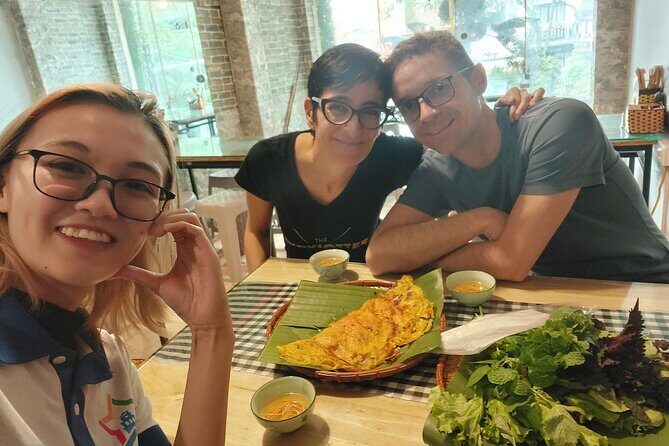
- The Table Moment: Eating What You Built with Real Conversation
- Price and Practicalities: Getting Value from a 4-Hour Class
- Should You Book Vietnamese Bread & Brew in Hanoi?
- FAQ
- FAQ
- How long is the Vietnamese Bread & Brew banh mi and coffee class?
- Where does the class meet in Hanoi?
- What’s included in the price?
- What coffee options are offered?
- Is the group small?
- Can I cancel for a full refund?
Key highlights you’ll care about
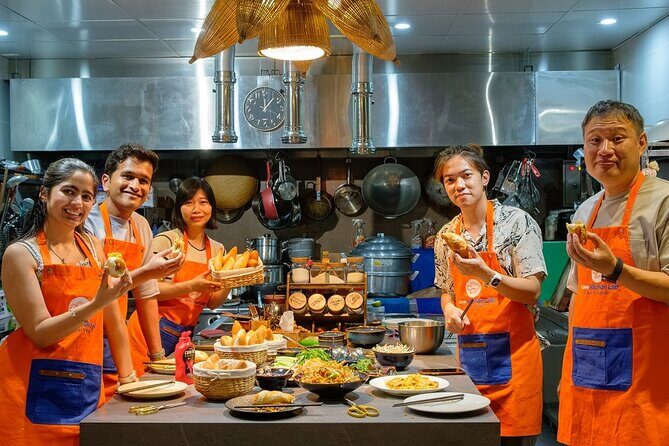
- From dough to sandwich: Knead the baguette dough, pickle veggies, and mix key sauces.
- Coffee with a story: Learn and taste egg-style coffee, plus salt coffee or coconut coffee.
- Small groups, clear roles: The pace is structured so everyone has their own part to do.
- Home-kitchen hygiene focus: Fresh ingredients and never-used oil for safer cooking.
- Take-home value: Digital recipe booklet and a cooking certificate on request.
A Home-Kitchen Bánh Mì Lesson in Hanoi’s Real Rhythm
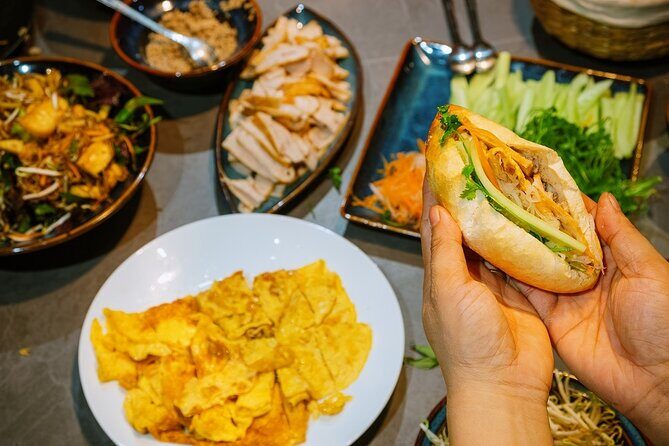
If you’ve eaten bánh mì in Hanoi and thought, I know I could never make that at home, this is the class that fixes that mindset. You start in a local home setting tied to Love Kitchen Lab, and the tone is practical: this is food you can learn, not just food you sample.
What makes it special is the focus on the whole chain of flavor. Bánh mì isn’t only bread and fillings—it’s the way the bread works with crunch, acidity, and saltiness. You’ll hear the story behind it too, including how colonial-era baguettes became the foundation for Vietnam’s version. That context matters because it explains why you’ll be making baguette-style dough instead of just assembling a sandwich.
I also like the teaching style. You’re guided by a professional English-speaking home chef, and the process is presented methodically, so you’re not guessing while your group chats and chaos happens. One review notes how the class gives people their own roll and purpose, which is exactly what you want in a hands-on cooking setting. It reduces the awkward moment where you stand around waiting for someone else to do the work.
There’s another small detail that signals they care about your comfort: everything is set up with all ingredients and equipment provided. You don’t have to figure out what to buy or where to find specialty items. And because you’re cooking in a home kitchen environment, you’ll likely feel the differences from a big cooking studio—more attention, more conversation, less performance.
You can also read our reviews of more cooking classes in Hanoi
From Baguette Dough to Pickled Veg: What You Actually Make
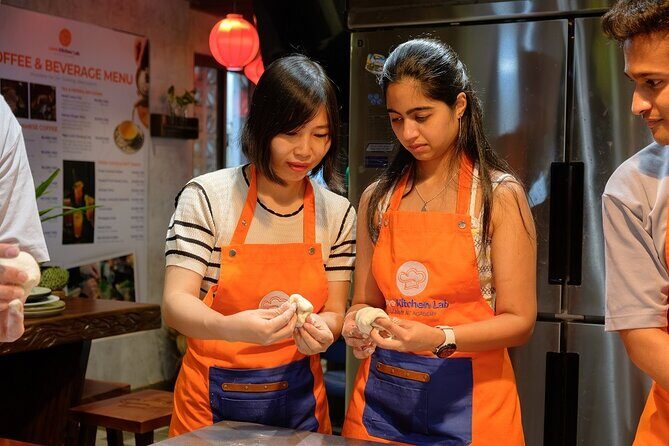
This is where the time goes, and it’s the heart of the experience. You’ll go beyond tasting and actually build a bánh mì the way it’s meant to be built: bread structure, crunchy pickles, savory filling, and the sauces that bring it all together.
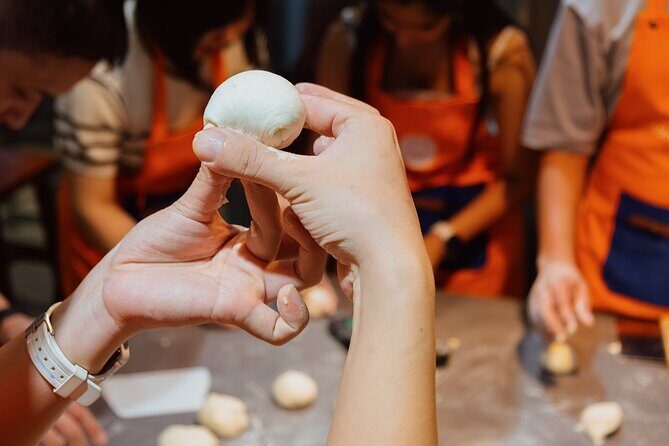
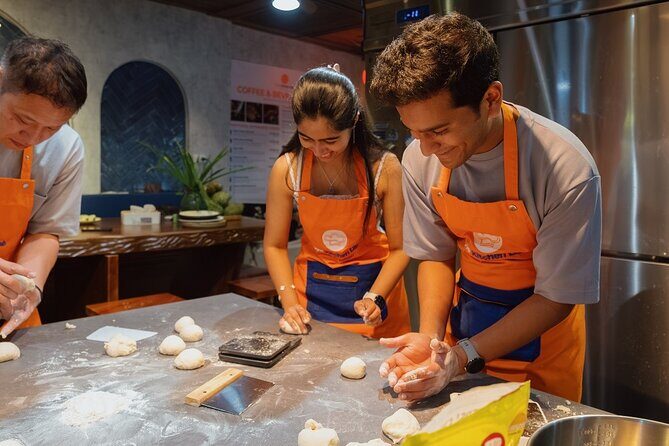
You begin with the bread basics. You’ll knead the baguette-style dough from scratch. Even if you’ve never handled dough before, kneading is the step that teaches you texture and feel. It’s also a good reminder that great street food often starts with fundamentals, not shortcuts.
Next comes the crunch and lift: you’ll pickle vegetables. Pickles are the secret weapon in bánh mì. They add acidity to balance the richness of the filling and help the sandwich taste bright, not heavy. Learning to pickle as part of the class means you can recreate that tang later, instead of buying a jar that never tastes quite right.
Then you move into fillings and sauces. The class covers savory fillings with options for meat or tofu, plus you’ll mix essential sauces that give bánh mì its familiar flavor profile. The value here is practical knowledge: you’ll learn the logic of how the sandwich gets layered, so you understand what to change if you want a different version at home.
One hygiene-related point I appreciate: the class uses fresh, top-grade ingredients and never-used oil. That’s not the most exciting sentence on a brochure, but it matters for peace of mind, especially in a cooking class where hot oil is part of the process. It also supports the idea that the kitchen is set up for safe consumption, not just for show.
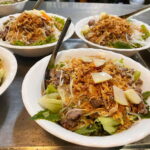
Finally, you’ll enjoy a meal of what you make alongside your hosts and fellow participants. That’s the moment where everything clicks. You’ll taste your own bread, your own pickles, your own mix of filling and sauce, and you’ll understand why bánh mì works as a balanced handheld meal.
Brewed in Hanoi: Egg, Salt, and Coconut Coffee Steps
After you’ve built your sandwich, you switch gears to coffee—because Hanoi’s coffee culture is its own kind of street food. This class doesn’t treat coffee like a side quest. You’ll taste and learn about specialty brews, including egg coffee, salt coffee, or coconut coffee.
Egg coffee is the headline for many visitors, and the class includes hands-on learning with traditional methods. The point isn’t only the flavor—it’s learning what makes it different. Egg coffee typically depends on a silky, sweet-smooth texture and a roasted coffee base, so you’ll be paying attention to how the coffee is brewed and how the topping is prepared.
Then there are the alternative styles: salt coffee and coconut coffee. Each one shifts the balance of sweetness and creaminess, so your palate gets a wider view of what Vietnamese coffee can be. Even if you end up loving one style more than the others, the tasting part helps you identify flavors you can repeat at home.
I also like that this portion connects to culture, not just chemistry. When someone explains the role coffee plays in Hanoi—how people drink it, when they drink it, and why it became iconic—you start seeing the drink as part of daily life, not as a novelty you order because it looks cool in a photo.
One more bonus: the class includes a free homemade wine tasting. That doesn’t replace coffee, but it rounds out the experience and adds a local touch. If you don’t drink alcohol, you can still enjoy the rest of the class—just keep an eye on how much you want to sample.
The Table Moment: Eating What You Built with Real Conversation
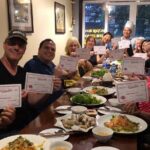
Cooking classes can be hit-or-miss if the social time feels awkward. Here, the meal is part of the format, not an afterthought. You’ll sit down to enjoy what you made with your hosts and your group, so the food becomes the bridge to conversation.
Because the class is limited to a maximum of 15 travelers, you’re more likely to get attention and explanations that actually land. Big groups often turn practical steps into a blur of watching and waiting. The smaller group size supports the idea that everyone participates, which is exactly what people love about this experience: each person has a defined role during the process.
That structure helps your learning. When you know you’re responsible for a step—kneading, pickling, assembling, mixing—you pay closer attention to the details that affect results. It’s also just more fun. You’re not only tasting Vietnamese flavors; you’re physically engaged with them.
If you care about authentic atmosphere, pay attention to the home-kitchen setting. You’re not learning in a sterile classroom environment. You’re working in a real kitchen space where the host can share stories and small cultural notes as you go. Even short comments about why ingredients are used or how people think about balance (salt, sweet, sour) can make a huge difference when you cook later.
And because you’re eating your own results, you get instant feedback. You can compare your sandwich to your expectations and adjust your method next time. That’s what turns this from a one-off meal into a skill you can recreate.
Price and Practicalities: Getting Value from a 4-Hour Class
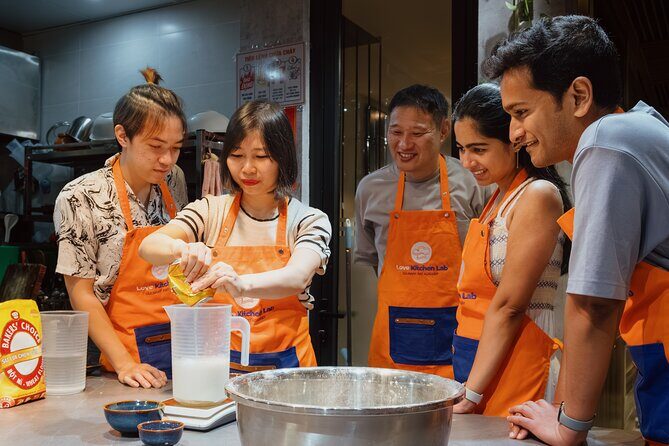
At $34 per person for about 4 hours, this can be good value—especially because it includes ingredients, equipment, and guided instruction. Street food in Hanoi isn’t expensive, but a single banh mì plus coffee doesn’t teach you how to make baguette-style dough, pickle vegetables, and blend sauces. This price buys a learning session plus the meal you produce.
Here’s where the value really shows up for practical travelers:
- You don’t supply anything. All ingredients and cooking equipment are included.
- You’re learning method, not just ingredients. That’s what helps you cook at home.
- There’s take-home support. You get a free digital recipe booklet, and you can request a cooking certificate.
You’ll also appreciate small operational touches that reduce friction. There’s free luggage storage space for up to 2 days, which is handy if you’re bouncing between tours and don’t want to drag bags around. It’s also near public transportation, which helps if you’re pairing it with other Hanoi plans.
A couple practical notes to keep you comfortable: soda or pop beverages aren’t included, and tips or personal expenses aren’t included either. So if you’re the type who likes a drink with your meal, plan for it.
Also, go in with the right mindset. This isn’t an observational food tour. You’ll be kneading, prepping, and cooking. If you wear something you don’t mind getting a little flour-smudged, you’ll feel much better. And if you like structure and step-by-step guidance, this class is built for that.
If you’re worried about language barriers, the chef is English-speaking. That’s a major confidence boost when you’re learning hands-on.
You can also read our reviews of more tours and experiences in Hanoi




Should You Book Vietnamese Bread & Brew in Hanoi?
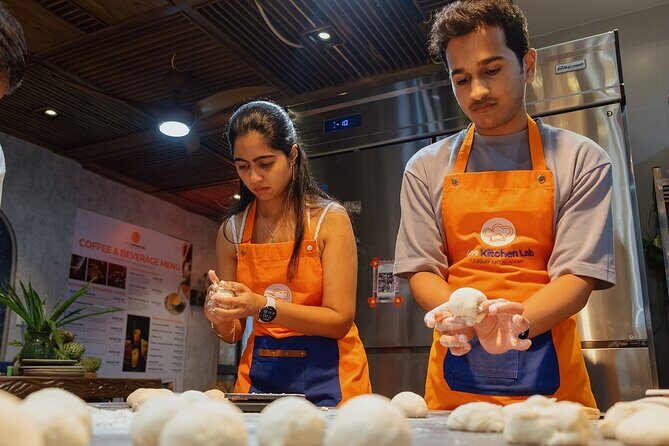
Book it if you want a real Hanoi skill, not just a snack. This is especially worth it if you’re the type who likes to cook after trips and wants to bring home flavors you can actually reproduce. The combination of bánh mì making plus egg-style coffee (and salt or coconut options) is a smart pairing, and the home-kitchen format helps it feel personal.
Skip it (or consider another option) if you’re time-crunched and want quick, low-effort eating. This is a 4-hour, hands-on session, and it rewards people who enjoy working with food.
FAQ
FAQ
How long is the Vietnamese Bread & Brew banh mi and coffee class?
It runs for about 4 hours.
Where does the class meet in Hanoi?
It starts at Love Kitchen Lab – Đào Tạo Nghề Quốc Tế, 519 Đ. Âu Cơ, Nhật Tân, Tây Hồ, Hà Nội 10000, Vietnam.
What’s included in the price?
You get guidance from an English-speaking home chef, hands-on banh mì and egg coffee experience, all ingredients and cooking equipment, and a meal of what you make. It also includes free luggage storage for up to 2 days and a free homemade wine tasting. A digital recipe booklet is provided, and a cooking certificate is available upon request.
What coffee options are offered?
You’ll learn about Vietnamese specialty coffee and taste options that include egg coffee, salt coffee, or coconut coffee.
Is the group small?
Yes. The class has a maximum of 15 travelers.
Can I cancel for a full refund?
Yes. You can cancel up to 24 hours in advance for a full refund. If you cancel less than 24 hours before the start time, it is not refunded.