REVIEW · HANOI
Trekking Sapa – Bac Ha Market: Sleep on Train & Homestay
Book on Viator →Operated by Go Asia Travel · Bookable on Viator
Night sounds good here.
This tour mixes overnight train from Hanoi, easy-to-follow village trekking, and one night in a Ta Van homestay in Sapa’s hills. I like the way it builds in time away from the city, then lands you at Bac Ha market in a way that feels practical instead of rushed. One thing to consider: the schedule starts early, and the trekking is on mud road terrain, so moderate fitness and good shoes matter.
Two parts I especially like are the small-group feel (max 15 people) and the guidance style that focuses on living culture, not just photo stops. One guide name that shows up in feedback is Suà, noted for explaining culture and the places you visit in a way that actually sticks. The main drawback is comfort: the homestay uses shared setups and a public bathroom, and the overnight train/sleeper travel can be a bit of a squeeze.
In This Review
- Key highlights worth your attention
- From Hanoi to Sapa the smart way: sleep, then walk
- Night train logistics: it shapes the whole trip
- Day 1 on foot: Cat Cat and Lao Chai in the Muong Hoa valley
- Ta Van Village: a homestay night that feels human
- Day 2: Giang Ta Chai and a long stay in Ta Van
- Day 3 in Bac Ha: market morning, then castle and village walks
- Budget and value: why $56 can work here
- Group size, service style, and how to get along
- Who should book this Sapa to Bac Ha trek
- Handy add-on: continue to Ha Giang from Sapa
- Should you book this tour?
- FAQ
- FAQ
- What is the total duration of the trip?
- Where is the meeting point in Hanoi?
- Is there a train involved from Hanoi to Sapa?
- What is the homestay like in Ta Van?
- Who guides the trekking?
- What villages and areas are visited during the trek?
- When does Bac Ha market happen?
- Is the Bac Ha day a private tour?
- What’s included in the price, and what’s not?
Key highlights worth your attention
- Overnight train option from Hanoi (SP1/SP2/SP3 at 21:30) so you gain a full daytime in the mountains
- Ta Van homestay in a Zday community, with a shared room or single mattress and public bathroom
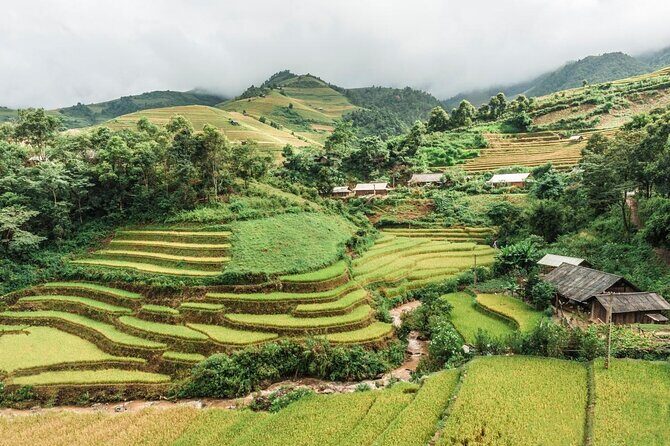
- Mud-road trekking through H’Mong and Zday villages around Muong Hoa valley
- Bac Ha Sunday market with real exchange of goods (pigs, hens, souvenirs) in a traditional setup
- Private guided Bac Ha visit including Hoang A Tuong’s Castle
From Hanoi to Sapa the smart way: sleep, then walk
This is the kind of Sapa trip that respects your time. Instead of burning a full day on travel, you catch an evening train out of Hanoi and wake up in position to start sightseeing with energy. Then the trekking days feel connected, not like a checklist that gets interrupted by long rides.
The price lands around $56 per person for a roughly 3-day format, which is unusually good for what you get: train transfer, multiple meals, homestay overnight, guided trekking, and a guided private day in Bac Ha. You’re not paying extra to “discover” the basics. You’re paying for the structure that gets you there with minimal fuss.
Value also comes from the variety of travel modes. You can go with sleeper bus or night train options, depending on what you choose, but all options focus on sleeping at Ta Van. That consistency matters because your trekking pace and village connections depend on where you sleep.
You can also read our reviews of more shopping tours in Hanoi



Night train logistics: it shapes the whole trip
Here’s the deal with the overnight train plan: it’s not just transportation—it’s timing. The tour meets you at Ga Hà Nội (120 Lê Duẩn, Cua Nam, Đống Đa), then you take trains SP1/SP2/SP3 departing at 21:30 for Sapa. Morning arrival timing is tight but workable: around 5:00 am, you’re met at Lao Cai Train Station and driven about 40 km to Sapa.
That means by the time you’re done with breakfast and ready your bag, you’re not wasting the day. You can step straight into a short trek and village visit rather than spending your first afternoon trying to catch up on sleep.
Practical tip: pack a light bag for trekking day one, because you’ll be moving between villages and then into the homestay. Also, bring a water bottle. The schedule includes early starts and long breaks between meals.
Day 1 on foot: Cat Cat and Lao Chai in the Muong Hoa valley
Day 1 gives you a gentle ramp into the hills. After breakfast, you prepare a light bag and head out with a local H’Mong guide for a short trek to Cat Cat Village. Cat Cat is a great “first taste” of Sapa because you get views plus context without committing to a full hiking day right away.
Cat Cat’s highlights are straightforward and scenic:
- a waterfall and the Muong Hoa stream
- terraced areas nearby
- and a stop related to a French-era hydroelectric power plan, plus schools from that period
You can think of it as history you can see while also learning how the community fits into the landscape.
From Cat Cat, the route continues toward Lao Chai, a village of black H’Mong. This part typically feels like moving through the valley edge as you trek. Lao Chai sits by the Muong Hoa valley and stream, with views tied to the Fansipan area. It’s the kind of trail that’s made for slow looking—especially if you’re the type who likes to notice where fields start, how people move goods, and how the villages “hug” the terrain.
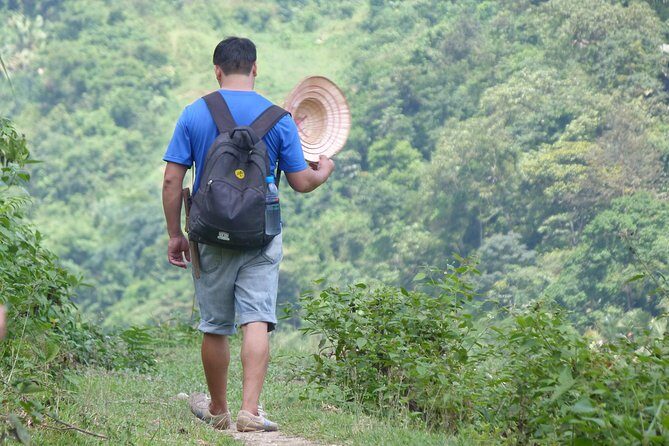
One consideration: this is not a paved stroll. The tour notes mud-road trekking as a signature experience, which is fantastic when conditions are good and challenging when they’re wet. If you’re prone to sore feet, plan for it: bring shoes with grip and expect damp ground.
Ta Van Village: a homestay night that feels human
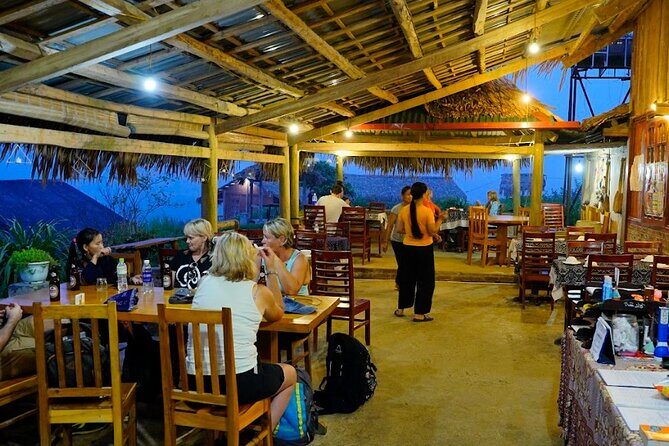
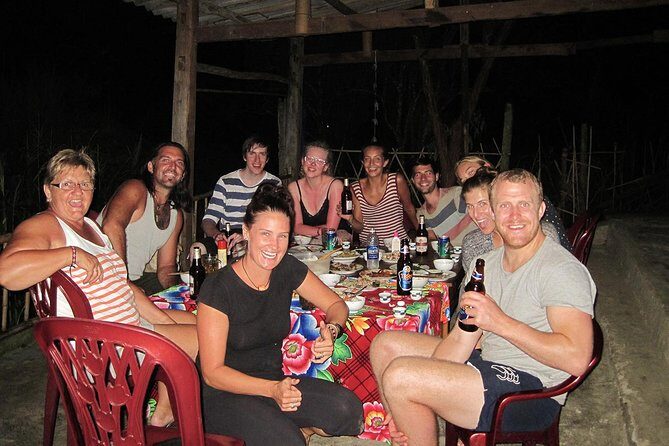
The heart of this trip is sleeping in Ta Van Village, home of the Zday people. You’ll spend the night at a homestay, with setups that are usually shared rooms or single mattress options, plus a public bathroom.
That comfort note is important because it affects your expectations. This is not a hotel experience. It’s closer to joining daily life for a night—eating, talking, and watching how the household runs. And since the tour includes a local guide component, you’re not just looking at people; you’re getting cultural framing that helps you interpret what you see.
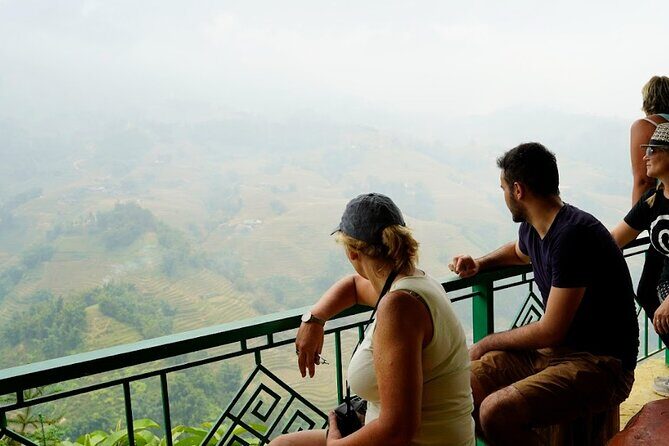
Ta Van also works as a base because of where it sits. It’s by the Muong Hoa stream with views that make the homestay feel like it belongs outside, not just in a room. Even if you don’t do an extra hike on day two, Ta Van gives you the quiet that Sapa is famous for.
Practical tip: if you’re uncomfortable with basic wash-room setups, bring travel-friendly hygiene items and plan to keep your routine simple.
Day 2: Giang Ta Chai and a long stay in Ta Van

Day 2 keeps things balanced: you get a second village stop, then you get time to breathe.
First is Giang Ta Chai Village, a mix area where Red Zdao, Zday, and black H’Mong live together. The scenery is tied to the Muong Hoa valley and framed by features that locals rely on—bamboo forest and rice terraces.
After that, you settle back in Ta Van. The day includes a long block of time at the homestay—about 10 hours—so you’re not stuck in motion the entire second day. This matters because it lets the trip feel like a visit instead of nonstop movement.
What you do with that time isn’t spelled out in detail, which is actually a plus. You can choose to rest, walk around, or just sit and observe. When trekking trips feel too scheduled, they can turn into stress. Here, the longer Ta Van time helps you pace yourself.
You can also read our reviews of more tours and experiences in Hanoi






Day 3 in Bac Ha: market morning, then castle and village walks
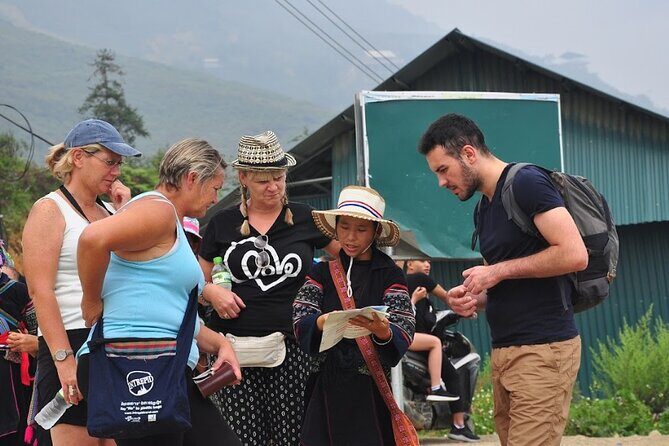
Bac Ha is a payoff day. The big reason is the market.
Bac Ha market only takes place on Sunday morning. If your trip dates line up with a Sunday, you’ll see the market’s original trading style with goods exchanged in a traditional way—pigs, souvenirs, hens, and other items swapped for supplies. It’s not a tourist bazaar in the way people expect. It’s a working market where you can feel the logic of everyday life.
After the market, you visit Hoang A Tuong’s Castle, tied to the history of the H’Mong leadership. This is where the king of the H’Mong people lived in the past, making it the most “grand” stop of the day. You’ll have about 30 minutes here, so keep your eyes up and your questions ready.
Then you add a calmer walk to nearby Pho village (close to the market). This part is short but pleasant: a peaceful road, daily life, and a slower rhythm after the market’s energy. In other words, Bac Ha doesn’t just throw you into a single scene—it gives you contrast.
Budget and value: why $56 can work here
At $56 per person, the value comes from packing several costly pieces into one package:
- overnight train transfer between Hanoi and Sapa (depending on option)
- guided treks across multiple village areas
- homestay overnight at Ta Van
- multiple meals (dinner plus 3 lunches and 3 breakfasts)
- private guided Bac Ha day (private car and guide)
- key entrance fees (including Ta Van and Hoang A Tuong palace)
The tour also includes government tax (8%), which you won’t always see in simpler arrangements.
What’s not included is also clear. You’ll likely spend extra on drinks, tips, and personal items. If you’re traveling during peak holiday dates, there can be a holiday surcharge (700,000 VND per person). And you’ll want your own travel insurance.
If you do the math, the package works best if you’d otherwise have to buy separate transport, separate guides, and separate homestay nights. If you’re already set on doing the mountains independently, you might find more flexible options. But if you want a smooth plan with local guidance, this is a strong deal.
Group size, service style, and how to get along
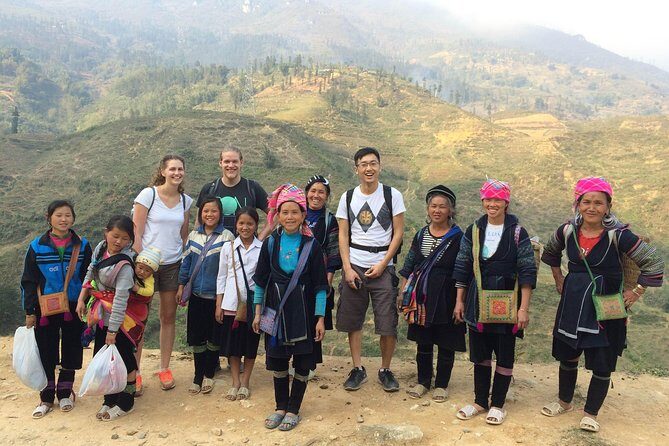
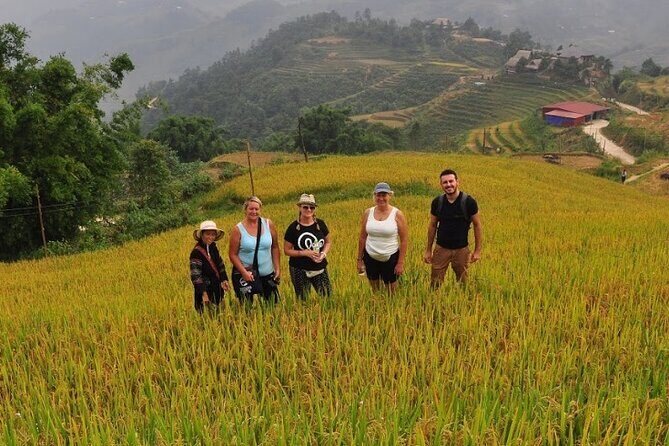
This is capped at 15 travelers, which usually keeps the trip from feeling chaotic. Smaller groups also make it easier for the guide to manage trekking pacing and make sure you don’t get left behind during transitions between stops.
Another plus is support. The tour notes attentive customer service, including a travel consultant who sticks with you to handle problems during the trip. That doesn’t mean nothing can go wrong. It means someone is set up to fix the “real world” stuff quickly—late arrivals, missing items, or unclear timing.
Also, your schedule depends on the transfer option you choose. Whether you ride sleeper bus or night train, your first connection points and early starts remain central to the experience.
Who should book this Sapa to Bac Ha trek
This trip fits best if you want:
- village trekking in the Sapa region with local guides
- an overnight homestay night, not just a hotel base
- a Bac Ha market day that’s tied to the weekly timing
It’s also a good match if you like authentic daily life rather than only sightseeing. Even the historical stop at Hoang A Tuong’s Castle feels linked to the broader story of ethnic communities in the region.
This is not ideal if you need hotel-level comfort. The homestay uses shared setups and a public bathroom. You should also be ready for trekking on mud-road terrain and expect a steady pace.
Handy add-on: continue to Ha Giang from Sapa
One practical benefit: you can sometimes skip going back to Hanoi. There’s an extra option to go to Ha Giang directly from Sapa with buses departing 14:30 and 19:00. One listed option is a limousine bus (18 seats) picking you up at May hotel, with a ride time of about 6 hours.
If your overall plan includes Ha Giang, this saves time and can reduce backtracking.
Should you book this tour?
Book it if you want a structured, good-value route that combines Sapa trekking + Ta Van homestay + Bac Ha market in one tidy sequence. The overnight train timing is a big advantage, and the small group size keeps the experience manageable.
Skip or rethink if you’re very sensitive to basic accommodations or you dislike early mornings and walking on muddy ground. Also, double-check your dates if Bac Ha market is a must, since it happens Sunday morning only.
FAQ
FAQ
What is the total duration of the trip?
It’s listed as about 3 days.
Where is the meeting point in Hanoi?
The start point is Ga Hà Nội (120 Lê Duẩn, Cua Nam, Đống Đa). The activity ends back at the same meeting point.
Is there a train involved from Hanoi to Sapa?
Yes, there’s an overnight train option. Trains SP1/SP2/SP3 depart at 21:30 from Hanoi, and you’re picked up at Lao Cai Train Station at 5:00 am to go to Sapa (about 40 km).
What is the homestay like in Ta Van?
You’ll stay overnight at a homestay in Ta Van with either a shared room or a single mattress. The listing notes a public bathroom.
Who guides the trekking?
There is a local English-speaking guide in Sapa, and local guides are used for village parts. Guide names can vary depending on routes.
What villages and areas are visited during the trek?
Stops include Cat Cat Village, Lao Chai Trail, Ta Van Village, and Giang Ta Chai Village, plus Bac Ha area visits on day 3.
When does Bac Ha market happen?
Bac Ha market takes place on Sunday morning only.
Is the Bac Ha day a private tour?
Yes. The plan includes a private Bac Ha tour with a private car and guide.
What’s included in the price, and what’s not?
Included: dinner, lunch (3), breakfast (3), transfers (depending on option), homestay in Ta Van, private Bac Ha tour, English-speaking local guide in Sapa, entrance fees (Ta Van, Hoang A Tuong palace), and government tax. Not included: drinks, travel insurance, tips, personal expenses, and a listed holiday surcharge for certain dates.