REVIEW · HANOI
Cooking class with market visit
Book on Viator →Operated by Hidden Hanoi · Bookable on Viator
Food and culture in one smooth loop.
I love the fact that this is not a demo-only class. You get a guided market visit and then you cook with clear, practical instruction, with the added bonus of learning the why behind the dishes. I also like how the experience frames food as culture, not just recipes—Hanoi flavors come with context, so you’re not memorizing steps like a robot. The setting also feels like a real home experience, not a factory kitchen.
You’ll start with a clear, easy-to-find meeting point and a guide who’s easy to spot (logo T-shirt with their name). The class is private, so it’s only your group, which makes questions and pacing easier—especially if you’re cooking with kids or a mix of skill levels. One possible consideration: this experience requires good weather, and the market time can feel fairly focused rather than a long, slow wander.
In This Review
- Quick highlights
- A Four-Hour Hanoi Food Lesson With Market-to-Table Rhythm
- Meeting Point, Pickup, and How the Day Starts Smooth
- The Market Visit: How to Shop Like a Local (Not Just Look Around)
- What to watch for
- Hands-On Cooking: Bun Cha, Nem, and the Hanoian Logic Behind the Steps
- Why the instruction style matters
- The Garden-Home Meal: Why Dining Is Part of the Lesson
- What You’ll Learn Beyond Recipes (And Why That’s the Real Value)
- The best match for your travel style
- Who This Tour Suits Best (and When to Choose Another Option)
- Price and Timing: Is It Good Value at $55 per Person?
- Final Verdict: Should You Book This Hanoi Market-to-Cooking Class?
- FAQ
- How long is the Hanoi cooking class with market visit?
- How much does it cost?
- Does it include pickup?
- Is this tour private?
- What happens during the experience?
- How will I receive my booking confirmation and ticket?
- What if the weather is bad?
Quick highlights

- Market-to-table flow that teaches you both ingredients and context
- Hands-on street food cooking (with dishes like bun cha and nem mentioned often)
- Private group setup so you’re not squeezed into a large class
- A garden-home meal after cooking, so you can actually relax and enjoy what you made
- Clear guide presence at an easy meeting point (logo T-shirt and name)
- Pickup offered, with door-to-door car service noted in past experiences
A Four-Hour Hanoi Food Lesson With Market-to-Table Rhythm
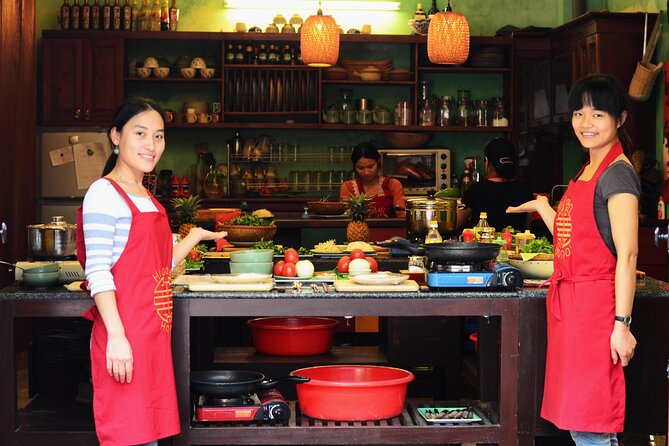
This is a Hanoi cooking class built around the full arc of eating well in Vietnam: see the ingredients first, then learn how they turn into street food, then sit down and enjoy the results. The best part is that you’re not just following a script. You’re learning how, and why. That difference matters when you’re trying to recreate the meal later at home, or even just when you’re ordering in Hanoi and suddenly you understand what you’re really tasting.
The time window is also realistic. It’s about four hours, which means you get a meaningful experience without losing an entire day to logistics. You’ll still have enough momentum to shop, cook, and eat without feeling rushed in the frantic way some tours can.
If you’re the type who likes getting your bearings fast—how markets work, what people buy, why flavors balance a certain way—this tour fits your style. You’ll leave with more than recipes. You’ll have food instincts.
You can also read our reviews of more tours and experiences in Hanoi.



Meeting Point, Pickup, and How the Day Starts Smooth
Hanoi days can start messy if you’re coordinating taxis, crossings, and meeting points. This one is designed to keep that stress low. The meeting point is said to be clear and easy to find, and your guide wears a T-shirt with the logo and their name, so you can spot them quickly. That’s a small detail, but it makes a big difference when you’re arriving in a busy area and you just want the day to begin.
Pickup is offered. In practice, past guests described an arranged door-to-door car service to and from the experience. That’s especially helpful if you’re staying farther from the action or you simply don’t want to spend your energy on traffic and navigation.
You’ll also get confirmation at booking time, and the tour uses a mobile ticket. That combination usually means less waiting around and fewer last-minute messages. The experience is also positioned as doable for most travelers, so you’re not signing up for something only for advanced cooks.
The Market Visit: How to Shop Like a Local (Not Just Look Around)
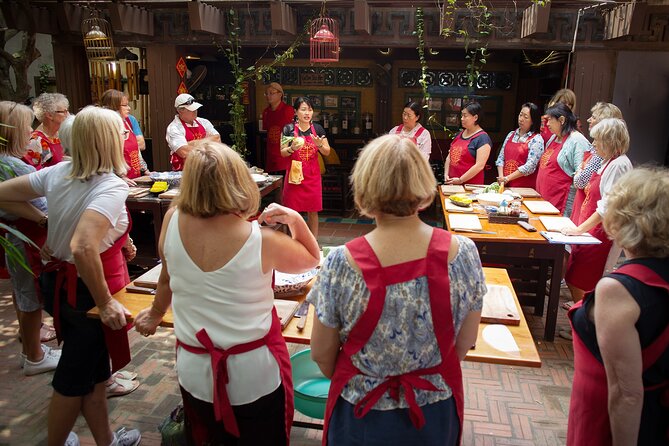
The market visit is short enough that you don’t get bored, but structured enough to actually teach you something. Past experiences described it as brief-ish, but full—meaning you get the important bits without turning it into a long walking marathon.
This is where you start picking up the skills that make street food make sense. Your guide helps you understand what to look for and how people decide what to buy. Instead of treating the market as scenery, you start treating it like a practical tool for choosing ingredients.
A standout element from the experience descriptions is that your guide may help you with the everyday reality of Hanoi life, including advice on how to cross the road safely. That kind of practical coaching isn’t just cute—it changes how confident you feel when you leave the market area later on your own.
Another value add is tasting logic. Your guide may buy items for you to try back in the classroom, based on requests. That makes the market feel like an active part of your learning, not a passive viewing segment. You’re likely to come away with a better sense of which flavors and textures are essential for the dishes you’ll cook later.
What to watch for
If you prefer extremely slow travel, this market stop may not match your pace. It’s designed to keep you moving so you can cook and eat within the four-hour window.
Hands-On Cooking: Bun Cha, Nem, and the Hanoian Logic Behind the Steps
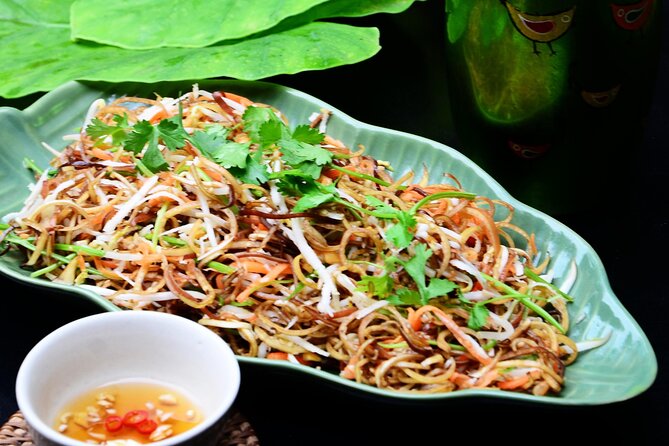
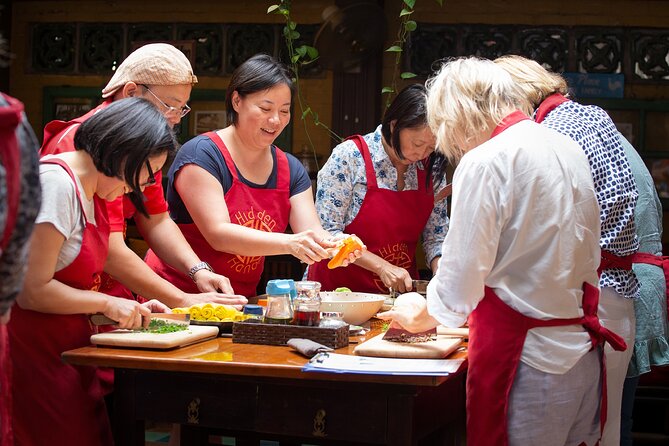
This is the part that cooking classes often get wrong. Some offer a quick demo and then send you home with a recipe sheet. Here, you do the work. You cook.
Dishes like bun cha and nem show up repeatedly, and those are excellent choices because they force you to learn more than one technique. You’re dealing with flavors, textures, and timing. And because the class focuses on how and why, you’ll be less likely to get stuck if something doesn’t turn out as expected.
Guides also bring stories into the kitchen. One host, Oanh (also referenced as Nikita), is described as professional and friendly, and guests highlighted how she shared personal history and cultural context. Another instructor, Lana, was also mentioned as friendly and full of interesting facts and stories about Hanoi and Vietnam in general. Even if you don’t remember every detail, the overall effect is that the kitchen feels like a place where Vietnamese life makes sense, not just a place to produce a meal.


Why the instruction style matters
When a class teaches only methods, you can still follow steps but miss the point. When it teaches the why, you gain options. You start understanding what balance looks like—sweet versus sour, herbs versus meat, crunch versus chew. That helps you order confidently later and tweak recipes at home.
Also, hands-on instruction tends to keep the group engaged. Even if you’ve cooked before, you’re still doing, not just watching. If you’re nervous in kitchens, the private group nature can help—you get more attention and less intimidation.
The Garden-Home Meal: Why Dining Is Part of the Lesson
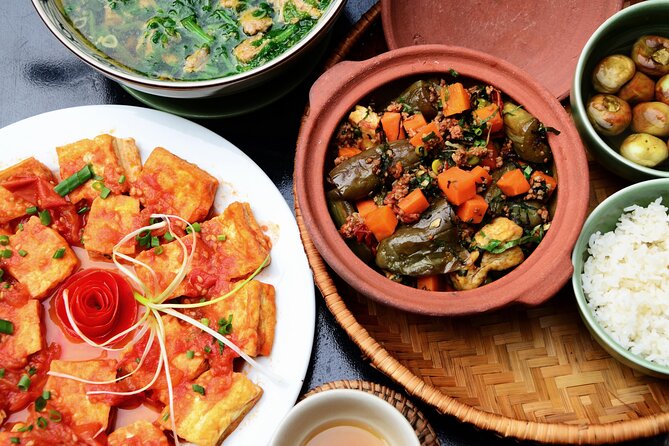
The final payoff isn’t only that you eat. It’s where you eat and what that does for the experience.
You’ll enjoy the results of your cooking at the end in a lovely house set in a cozy garden. That detail might sound cosmetic, but it changes the mood. Instead of tasting your food while you’re still mentally sprinting from station to station, you get to slow down and actually experience the meal. You’re in a calmer setting, which makes it easier to notice what tastes right and what needs adjustment next time.
Dining right after cooking also helps you connect learning to reality. You can immediately link a technique you used—like how ingredients were balanced or prepared—to how the dish tastes. That connection is what makes the experience stick.
And because the tour aims for a culture exchange vibe, the meal becomes a social event, not a finishing line. Guests described feeling like part of the family cooking and dining with friends. You don’t have to be outgoing to enjoy that. It’s built into the way the day flows.
What You’ll Learn Beyond Recipes (And Why That’s the Real Value)
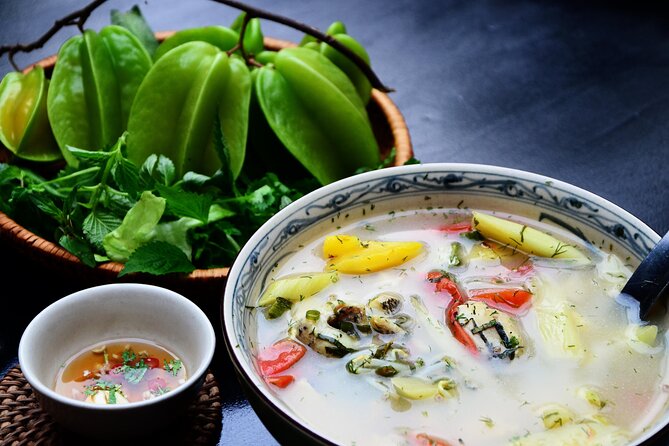
The selling point is the food, but the lasting value is the cultural context around it.
Several experiences highlighted history and cultural lessons from a culinary perspective. You might learn how market systems work, why certain ingredients are common, and how daily life shapes what people eat. There’s also a practical side: learning safe road-crossing habits or how people navigate the market helps you feel more capable once you’re back out in Hanoi.
This is especially helpful if your Hanoi plan includes street food stops. With the basics from this class, you’ll be able to look at a dish and make sense of it faster—what’s likely inside, what textures to expect, and how flavors usually balance.
The best match for your travel style
You’ll probably love this if you want:
- a food experience that’s active, not passive
- a class that feels connected to real Hanoi life
- a short day with high impact
- a group setting that’s still personal (private group)
Who This Tour Suits Best (and When to Choose Another Option)
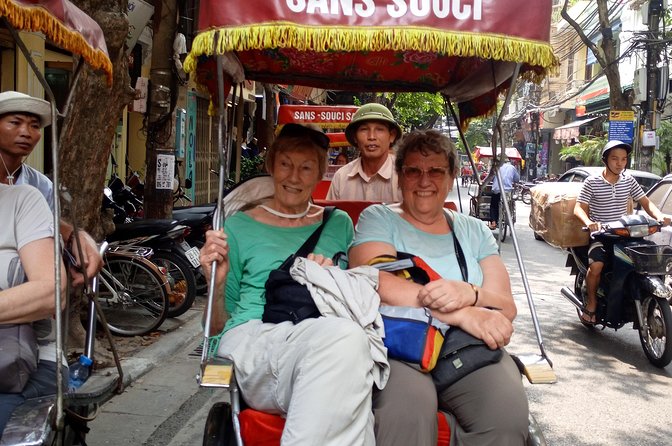
This cooking class with a market visit is a strong choice for couples, friends, and small groups. The private setup matters because it keeps the experience from turning into a classroom chaos situation. You can ask questions, adjust timing if someone’s slower, and generally feel less like you’re sharing attention with strangers.
It also fits families in a practical way. Past guests cooked with teenagers and described the day as fun and engaging. The hands-on aspect usually keeps younger participants active, and the cultural storytelling gives everyone something to talk about.
If you’re a super-experienced chef who wants deep technical chemistry, this may not be the right product—you’d likely want a more advanced, technique-heavy workshop. But for most people, the balance of market understanding, hands-on cooking, and a real sit-down meal is exactly what makes it memorable.
Price and Timing: Is It Good Value at $55 per Person?
$55 per person for about four hours in Hanoi can be a great deal—or just a fair deal—depending on what you want from the experience.
Here’s why it can feel like good value:
- You get market time plus cooking plus dining, not just cooking.
- Pickup is offered, and door-to-door car service has been described, which can remove the biggest friction cost in Hanoi.
- The class is private for your group, so you’re not paying for shared attention.
- The experience is hands-on, which typically justifies higher prices versus demo-only classes.
When it’s not a great fit:
- If your main goal is a quick street-food snack and you don’t care about market context, you might prefer cheaper, shorter food tours.
- If weather is unreliable during your dates, you might need flexibility since the experience requires good weather.
Given the overall structure—four hours, private group, market-to-table, and a garden-home meal—it’s priced like an experience, not a basic class. That’s usually the sweet spot.
Final Verdict: Should You Book This Hanoi Market-to-Cooking Class?
I’d book this if you want an honest Hanoi experience with real learning built in. The strongest reasons are simple: you cook, you understand where the ingredients come from, and you end with a proper meal in a pleasant home setting. The private format helps it feel personal, and the cultural storytelling adds a layer that you can’t replicate by watching videos later.
If you’re the type who hates weather-related uncertainty, you might hesitate—good weather is required, so plan a backup day. And if you’re hoping for an ultra-long market tour, the market segment is likely to feel focused rather than expansive.
For most visitors—especially first-timers in Hanoi—this is one of the best ways to translate the city’s food culture into something you can taste, cook, and remember.
FAQ
How long is the Hanoi cooking class with market visit?
It lasts about 4 hours (approx.).
How much does it cost?
The price is $55.00 per person.
Does it include pickup?
Pickup is offered, and door-to-door car service has been described in past experiences.
Is this tour private?
Yes. It’s a private tour/activity, and only your group participates.
What happens during the experience?
You start at an easy-to-find meeting point with your guide, then you go on a guided market visit and do hands-on cooking, ending with enjoying your meal.
How will I receive my booking confirmation and ticket?
Confirmation is received at time of booking, and a mobile ticket is included.
What if the weather is bad?
The experience requires good weather. If it’s canceled due to poor weather, you’ll be offered a different date or a full refund. You can also cancel up to 24 hours in advance for a full refund.