REVIEW · HANOI
Vietnam Tea Tasting – Giang Egg Coffee & Train Street Visit
Book on GetYourGuide →Operated by Go Asia Travel · Bookable on GetYourGuide
Your next cup of Vietnam starts with tea first. This 3-hour Vietnam tea tasting mixes hands-on learning (you make tea yourself) with real local stopovers: Giang egg coffee and, if you choose it, the unforgettable Train Street moment. I especially like the structured way you learn tea tasting and brewing in 4 basic steps, and I love the small-group feel that keeps the guide focused on you. One thing to consider: for Train Street photos you only stand outside the Ho Chi Minh complex area—you don’t go inside.
The tour is built around three “choose-your-own-morning” routes, so you can match your time and mood: tea + Train Street, or tea + Giang egg coffee, or an afternoon tea version. The English-speaking guide keeps things clear, and the setting makes even a simple cup feel like a story you can taste. If you’re hoping for a long, slow day of multiple stops, this is more like a focused sprint—walk, learn, taste, then head back on your own.
In This Review
- Key highlights
- A 3-hour tea-and-coffee walk through Hanoi’s old quarter
- Choosing your route: Train Street morning, egg coffee morning, or afternoon tea
- How the tea tasting works: green, red, and 4 brewing steps
- What 200-year-old tea trees taste like (and why you’ll notice differences)
- Giang egg coffee tasting: a famous Hanoi stop
- Train Street viewing: the timing that makes it work
- Bun Cha lunch: optional, and usually best when you need one more bite
- Small group of 2–5: why it feels personal
- Price and value: is $36 a smart use of 3 hours?
- Practical info that matters before you go
- Should you book this Vietnam Tea Tasting + Giang Egg Coffee + Train Street visit?
- FAQ
- What time does the tour meet and when does it end?
- What’s included in the tea tasting portion?
- Do I get egg coffee during the tour?
- Is lunch (Bun Cha) included?
- Do I need hotel pickup?
- Is the tour wheelchair accessible?
Key highlights
- Green and red tea tasting tied to tea trees said to be 200 years old
- 4-step brewing and serving practice, plus you learn how to make 1 type of tea
- Small groups (2–5) with an English-speaking guide
- Giang Coffee egg coffee (or egg coffee with almond) since 1946
- Train Street atmosphere from the best viewing setup you can manage in a quick window
A 3-hour tea-and-coffee walk through Hanoi’s old quarter
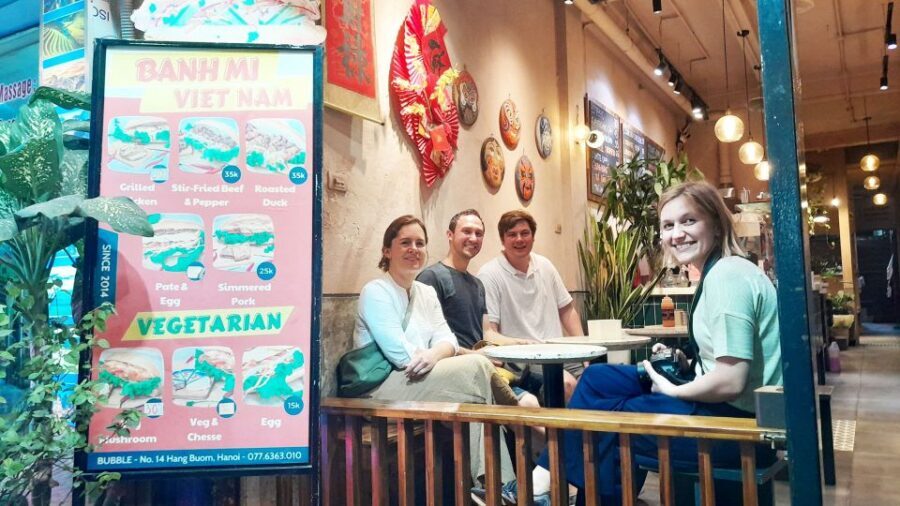
This experience is designed for people who like culture they can actually do, not just watch. You’ll start at the meeting point in the Hanoi Old Quarter area, then move on foot to the tea house with your English-speaking guide. Even before you taste anything, the walk sets the tone: you’re in the tight lanes where daily life and quick street moments blend together.
The core idea is simple. Tea in Vietnam isn’t just a drink—it’s a craft. You’ll learn how tea is produced and packed, how different teas can be classified, and how to brew in a way that lets the flavors make sense. Then, depending on your option, you’ll end with Giang egg coffee or jump into the buzz of Train Street.
You’ll be back on your own after the tour ends (either about 12:00 or 16:00, depending on option). That makes it easy to build the rest of your day. You just need to be comfortable walking in the old quarter and standing for photos at the end.
You can also read our reviews of more food & drink experiences in Hanoi



Choosing your route: Train Street morning, egg coffee morning, or afternoon tea
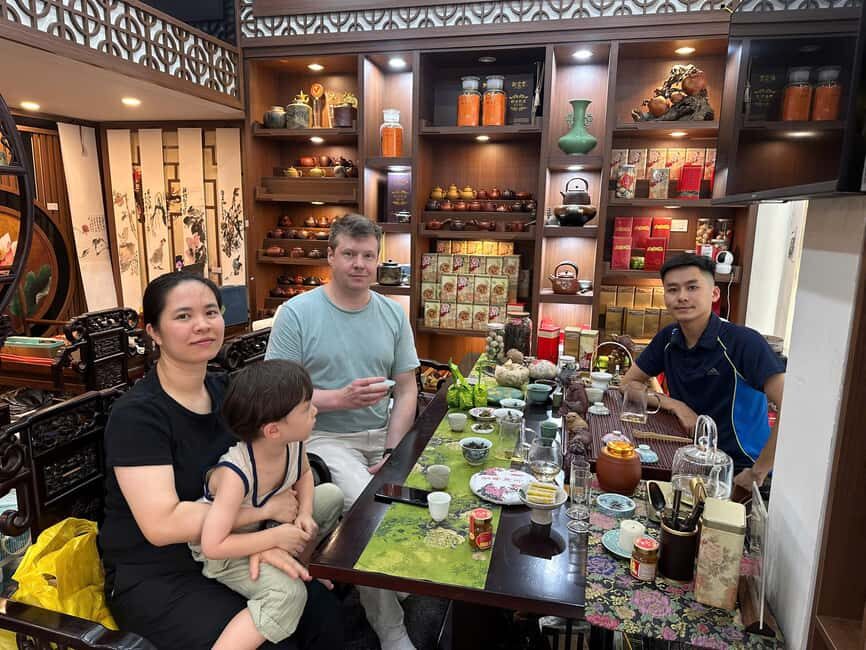
You don’t get one generic “tour.” You pick a path. Here’s the practical way to decide.
Option 1 (Morning): Tea tasting + Train Street + optional Bun Cha
This one fits you if Train Street is your must-see. You’ll leave the tea house before 11:30 to watch the train pass by, then handle lunch if you choose the Bun Cha option. The tour ends around 12:00 at Train Street.
Option 2 (Morning): Tea tasting + Giang egg coffee + optional Bun Cha
Pick this if you’re more excited about coffee than trains. You’ll taste the famous egg coffee (or egg coffee with almond), then lunch is optional with Bun Cha nearby. The tour ends around 12:00 at the restaurant area.
Option 3 (Afternoon): Lunch option first, then Giang coffee, then tea
This is for a later schedule. You meet at 12:50, grab the optional Bun Cha lunch first, then walk to Giang Coffee for the egg coffee tasting, and finish at the tea house around 16:00.
If you’re torn between coffee and Train Street, do this honestly: decide what you’ll regret more missing. Train Street is a moment. Egg coffee is a flavor you’ll keep thinking about later.
How the tea tasting works: green, red, and 4 brewing steps
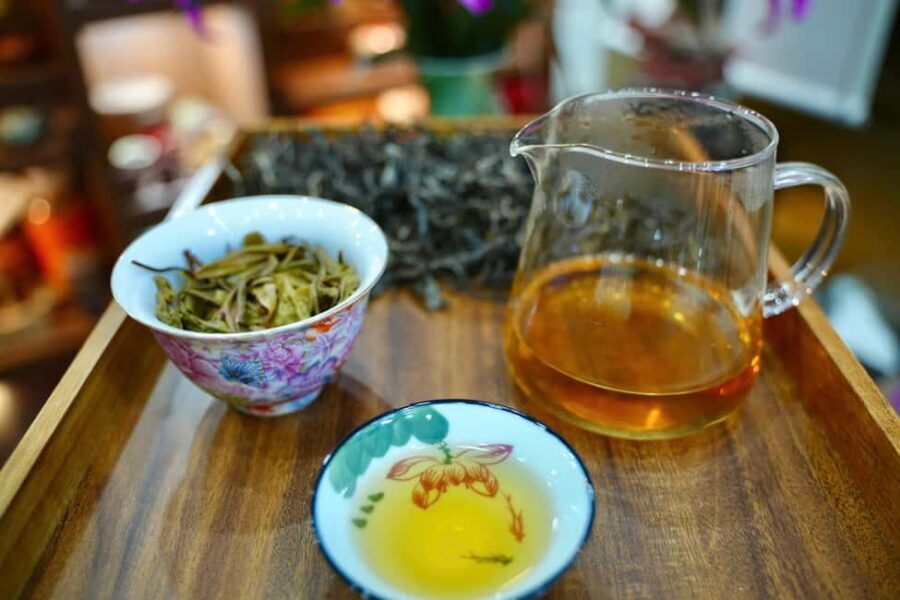
This is the part you’ll appreciate most if you like learning with your hands. At the tea house, you meet the tea expert and start with basics: how tea is made and packed, and how you can classify different kinds. Then you shift into the fun part—brewing.
You’re taught 4 basic steps for brewing and serving tea. That matters because you don’t just taste. You learn a repeatable method you can actually use later at home (or at least try to). After tasting two types of tea—green tea and red tea—you’re also taught to make 1 kind of tea. You’re not stuck watching someone else do it.
In plain terms, this is a crash course in tea logic:
- tasting becomes easier once you understand the steps
- your palate gets trained to notice differences
- brewing stops being guesswork
The tour also shows you tea equipment you can see or potentially buy for daily use. Even if you don’t buy anything, it helps you understand what matters in brewing and serving.
What 200-year-old tea trees taste like (and why you’ll notice differences)
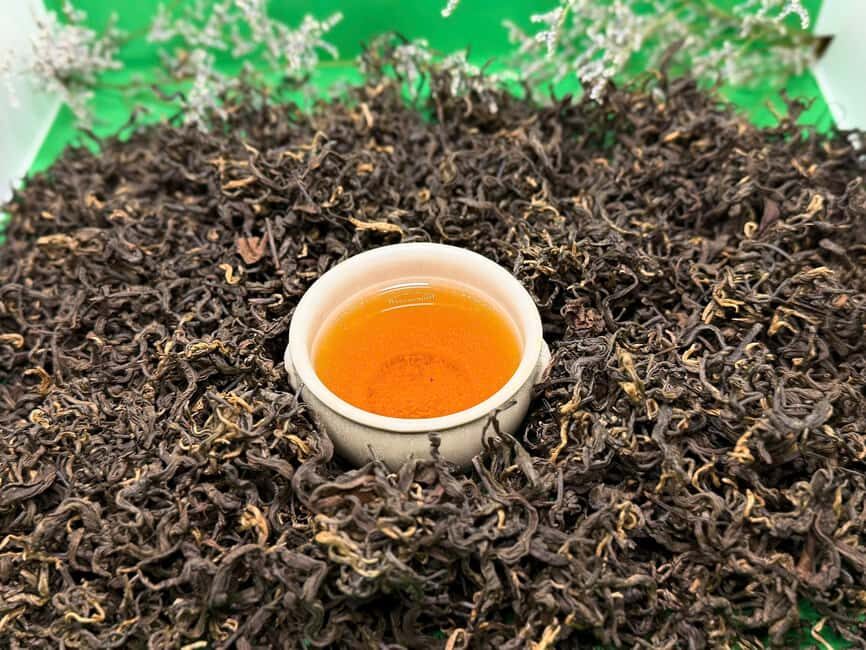
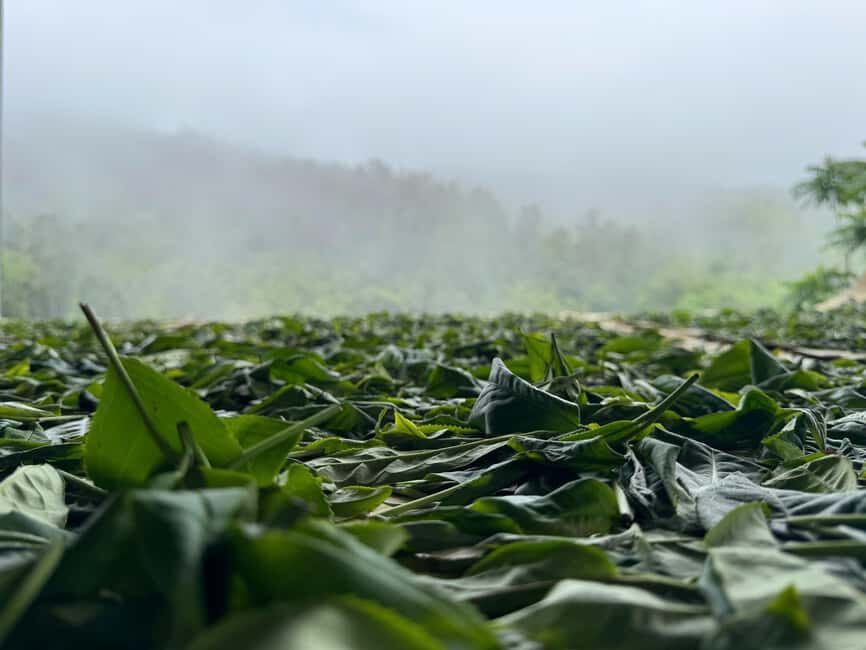
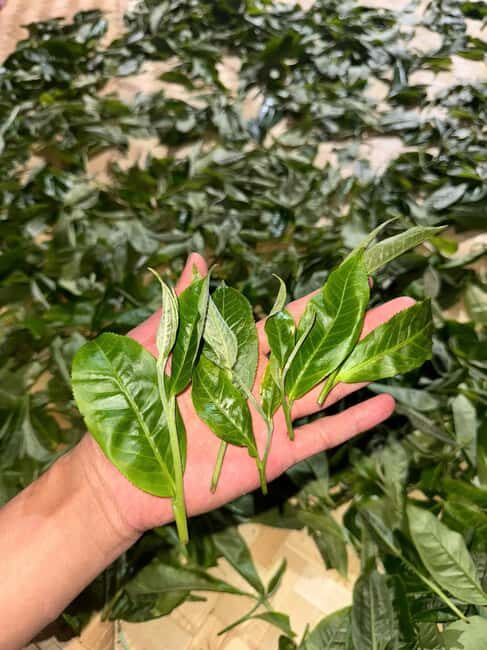
The tea you taste is tied to trees said to be 200 years old. That detail isn’t there just for drama. It sets up a real expectation: the flavors are likely to feel different from the tea you’re used to in a teabag world.
During tasting, you’ll sample green tea and red tea. People tend to describe a clear split between the two styles. Green tea often reads as lighter and fresher. Red tea is the darker, deeper side of the flavor map—often with notes that can feel honey-like, floral, or even woody and earthy.
And you’ll learn to pay attention to those signals instead of just rating it Good/Bad. The guide helps you understand how the brew and serving choices influence what comes through in each cup. That turns tasting into something you can recreate instead of something you forget in an hour.
Giang egg coffee tasting: a famous Hanoi stop
If tea is the craft lesson, Giang Coffee is the treat that makes the tour memorable. You’ll walk over and taste egg coffee, or egg coffee with almond, depending on your option.
Giang Coffee is described as famous since 1946, which matters because it frames egg coffee as an old-school local specialty—not just a trendy novelty. The fact that the tour includes one cup makes it feel like part of the program rather than a random add-on.
Egg coffee is a flavor and texture experience. It’s creamy, fragrant, and different from standard coffee drinks. Even if you’re not a huge coffee person, tasting it here helps you understand why it has fans.
Practical note: you’ll likely be walking and standing in a warm, active area right after. If you’re sensitive to caffeine or strong flavors, take it slow and sip rather than gulp.
You can also read our reviews of more tours and experiences in Hanoi






Train Street viewing: the timing that makes it work
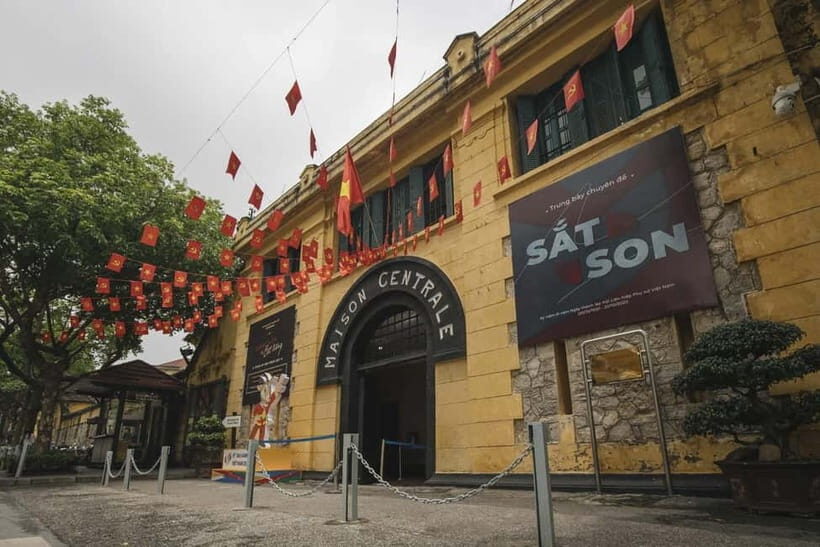
Train Street is one of those places where your photos depend on timing, not luck. In the Train Street option, you leave the tea house before 11:30 so you can watch the train pass by. That pre-planning is the whole point. You get there when the action is likely, not after it.
You won’t go inside the Ho Chi Minh complex—you stand outside for watching and photos. That’s a key consideration. If you want access, buildings, and a “site visit,” this isn’t that. It’s specifically about the atmosphere of the street and the odd, memorable sight of a train cutting through the scene.
Also, you’ll be standing. So bring comfortable shoes, and keep your phone charged. The moment passes fast.
Bun Cha lunch: optional, and usually best when you need one more bite
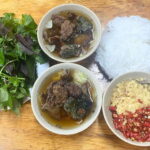
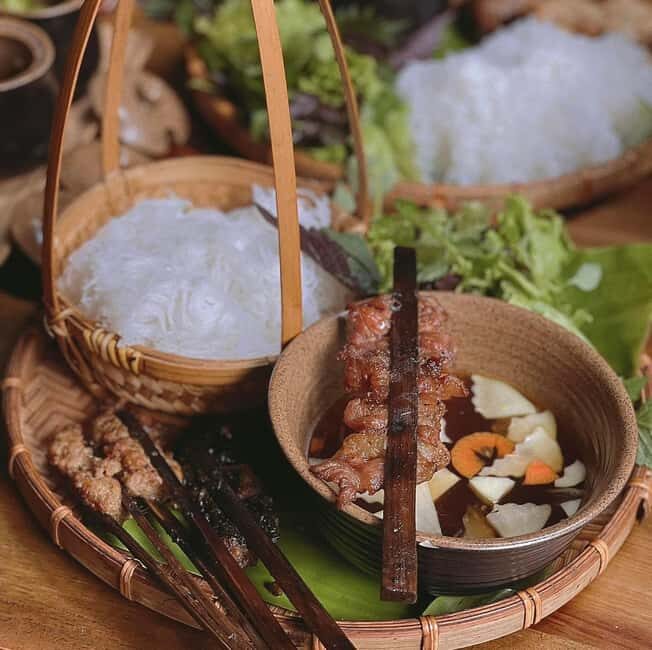
Lunch isn’t automatically included, but you can add Bun Cha in the nearby restaurant on the morning or afternoon versions (depending on option). Because the tour ends around 12:00 in the morning or around 16:00 in the afternoon, Bun Cha fits as a practical way to end the experience without hunting for food immediately afterward.
The group has English-speaking guidance during the meal option, which is useful if you want help with ordering or just want a calmer pace right after tea and coffee.
My advice: if you’re already planning a big meal later, skip lunch here. Tea and coffee can be filling in their own way, and this tour is short enough that you don’t want to feel stuffed before Train Street standing time.
Small group of 2–5: why it feels personal
A big reason this tour scores high is simple: you’re not in a crowd. The group is limited to 2–5 customers, and you’re with an English-speaking guide the whole time. That makes a difference when you’re learning brewing steps or asking why one tea style tastes different.
In past experiences, guides named Anna and THAO have been noted for being professional and helpful, and a guide called Adward has been praised for the quality of tea guidance. Even if you don’t have the same guide, the teaching style is the point: clear explanations, attention, and a willingness to help you get the most from the tasting.
If you like asking questions (and not having your group march away mid-thought), this small size is a big win.
Price and value: is $36 a smart use of 3 hours?
$36 per person for a 3-hour small-group tour can feel like either a bargain or a splurge, depending on what you want.
Here’s what you’re paying for, in practical terms:
- guided tea learning, including tasting 2 teas and learning 1 tea you can make
- an included cup of egg coffee (or egg coffee with almond)
- route coverage and included transfer from the tea house to Train Street in the Train Street option
- English-speaking guide
- government tax (8%)
If you tried to recreate this on your own, it’s not just paying for ingredients. You’d spend time figuring out where to go for a proper tea lesson, then time tasting tea without guidance, and then you’d still need to work out Train Street timing and viewing logistics. This tour compresses it into one guided window.
Is it perfect value for everyone? Not necessarily. If you already know tea brewing well and you only care about seeing Train Street for photos, you might find the tea portion less essential. But if you’re the type who enjoys learning a skill, then this price feels fair because you’re leaving with a method, not just a memory.
Practical info that matters before you go
A few details will make your experience smoother.
What to bring
- Passport or ID card
- Comfortable shoes (you’ll walk)
- Sunglasses and a sun hat (you’re outdoors at key points)
What you should know about access
- You’ll only stand outside for Train Street viewing and photos.
- You don’t go inside the Ho Chi Minh complex area.
Timing
- Morning meet time is 8:50.
- Afternoon meet time is 12:50.
- Tour duration is about 3 hours, with the end point around 12:00 (morning options) or 16:00 (afternoon option).
Mobility
- It’s not suitable for wheelchair users.
Hotel pickup
- Pickup is optional and described for some Old Quarter locations.
- If you stay outside the Old Quarter, you’re told to be ready at 22 Hang Muoi street by 9:00am (based on the plan).
If you want one simple prep tip: plan to start hydrated. Tea and coffee are the focus, but Hanoi walking days still need water.
Should you book this Vietnam Tea Tasting + Giang Egg Coffee + Train Street visit?
Book it if you want a short, high-signal experience that mixes tea craft, a real local coffee specialty, and (option-dependent) Train Street atmosphere. The small group and English guidance make it feel friendly and doable, and the hands-on tea steps are the kind of learning that sticks.
Skip it if you hate standing for photos, or if you expected a museum-style site visit at Train Street. Also, if your entire day revolves around one big attraction and you dislike “split time” between tea, coffee, and quick street moments, consider choosing only the part you care about most.
If you’re deciding between coffee and trains: go with the option that matches your personality right now. This is one of those tours where your choice changes what you remember most.
FAQ
What time does the tour meet and when does it end?
The morning meeting time is 8:50 am, and the afternoon meeting time is 12:50 pm. Morning options run until about 12:00, and the afternoon option runs until about 16:00.
What’s included in the tea tasting portion?
You’ll drink two kinds of tea (green tea and red tea), learn how to brew and serve with 4 basic steps, and you’ll be taught to make one kind of tea. You’ll also have an English-speaking guide with you.
Do I get egg coffee during the tour?
Yes. A cup of egg coffee or egg coffee with almond is included, depending on your chosen option.
Is lunch (Bun Cha) included?
Lunch with Bun Cha is optional. The tour description includes Bun Cha as an optional part of the experience, not as a guaranteed inclusion.
Do I need hotel pickup?
Pickup is optional. If you’re in the Old Quarter area, pickup is described as being directly at your hotel. If you stay outside the Old Quarter, you’re instructed to go to 22 Hang Muoi street by 9:00am.
Is the tour wheelchair accessible?
No. It’s listed as not suitable for wheelchair users.