REVIEW · HANOI
Hoa Lo Prison and Little Paris Tour in Hanoi (French Quarter)
Book on Viator →Operated by JA Vietnam · Bookable on Viator
French Hanoi tells its story fast.
This 3-hour walk through the Hanoi French Quarter is built like a timeline: you’ll see how French colonial style shaped the streets, then you’ll end at Hoa Lo Prison to face the darker side of rule and resistance. It’s a practical route with short photo stops and a guide who connects the buildings to the people behind the history.
I love how this tour keeps the pace human. You get guided context at each stop, plus a break with coffee and/or tea and bottled water so you’re not trying to power through the day on street snacks alone. Another big plus is the focus on Indochinese architecture—that specific mix of East-and-West design you can actually spot in Hanoi, not just read about.
One consideration: this is history-heavy, and the last hour at Hoa Lo Prison can feel intense. If you prefer lighter sightseeing, you’ll want to mentally brace for the political and war-related content.
In This Review
- Key highlights worth your attention
- French Quarter first: where “mini Paris” becomes a history lesson
- King Le Thai To, the State Bank, and Metropole: seeing Hanoi before and during colonization
- Trang Tien ice cream and the “everyday French” factor
- Indochinese architecture in the real world: café stop, museum views, and why it matters
- St. Joseph’s Cathedral and the meaning of French-era religious footprints
- Hoa Lo Prison: resistance, captured pilots, and the end of the timeline
- Price and value: what $47.01 buys you on the ground
- Who should book, and who should skip this one
- Should you book this Hanoi French Quarter and Hoa Lo tour?
- FAQ
- How long is the Hoa Lo Prison and Little Paris tour?
- What does the tour cost?
- Is pickup available?
- Where does the tour start and end?
- Is this tour private?
- What’s included in the price?
- Is the Vietnam National Museum of History included?
- Are there any extra charges?
- What’s the ticket situation for Hoa Lo Prison?
- What’s the cancellation policy?
Key highlights worth your attention
- Little Paris streets with real colonial-era architecture you can read with your eyes
- Indochinese architecture stops that show how Vietnamese and French design meet
- A guide who tailors the story to your interests (seen in praised guides like Nam and Vân)
- A structured route with short walking stops and one longer Hoa Lo Prison segment
- Entrance ticket included for Hoa Lo Prison, plus coffee/tea and water to keep it comfortable
- Pickup offered and a private feel, since it’s only your group
French Quarter first: where “mini Paris” becomes a history lesson
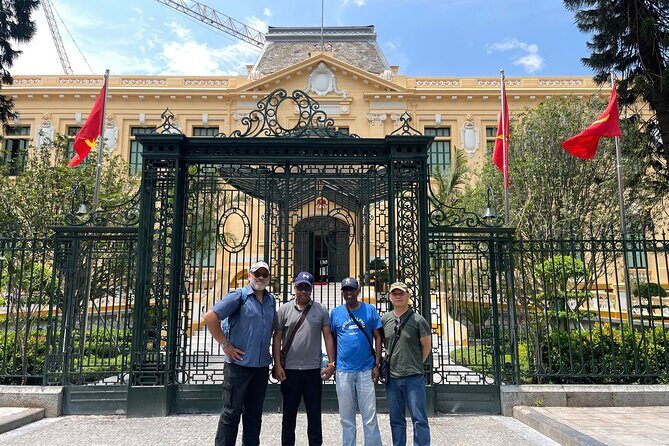
The French Quarter in Hanoi can feel like a city-within-a-city. You’ll notice it right away in the architecture: French colonial-era facades, old apartment blocks, and the kind of streetscape that makes “Little Paris” a sensible nickname. Along the way, the tour route also points out major landmarks in this area, including the Hanoi Opera House area and other iconic government-style buildings that mark the French presence.
What makes this tour work is the way it turns sightseeing into cause-and-effect. Instead of treating the buildings like decorations, you’ll connect them to the period when foreign powers reshaped daily life. That context matters because Hanoi isn’t just showing off old charm—it’s showing how power moved through these streets.
You’ll also get an efficient, visitor-friendly format. The stops are mostly brief (often around 10–15 minutes), so you can keep your energy for the places that need time—especially the final stop. And because pickup is offered, you’re not spending your energy negotiating streets before you even start.
You can also read our reviews of more tours and experiences in Hanoi.



King Le Thai To, the State Bank, and Metropole: seeing Hanoi before and during colonization
The tour starts with a clear anchor point: the Statue of King Le Thai To. It’s a smart way to begin because it reminds you Hanoi is not a French invention. You get the sense of Hanoi as an imperial and national capital, with long roots that predate colonial rule—so the later “French influence” doesn’t feel like the whole story.
From there, you move into what you can call the colonial-and-resistance zone. The State Bank of Vietnam stop frames French colonial-era power in a concrete way—then connects it to Vietnamese resistance against the French. These aren’t abstract ideas. You’re standing in places tied to how the city functioned, and your guide helps you make sense of why certain institutions mattered.
Next comes Hanoia Metropole. This kind of stop is useful because it shows how French-style buildings weren’t only meant for aesthetics. They helped create an identity for the colonial period, while locals continued living their own lives around it. Even if you don’t read every detail, you’ll start training your eye to spot the mix of styles that later becomes the hallmark of Indochinese architecture.
Trang Tien ice cream and the “everyday French” factor
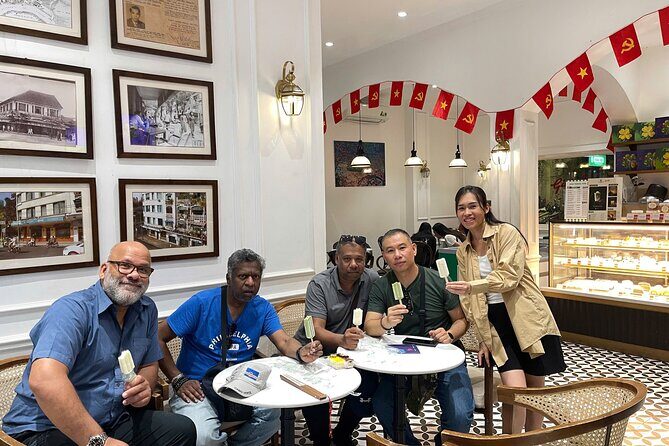
One of my favorite parts of this tour is that it doesn’t pretend history happened in a museum box. After the heavier institutional stops, you get a lighter, very Hanoi moment: Trang Tien ice cream. It’s short, but it breaks the rhythm, and that matters on a 3-hour route. You’ll also get an easy chance to reset—some people want to grab a small treat, others just use it as a mental breather.
Then the walking continues with an architectural idea you’ll keep seeing: French colonial villas and old-style collective housing. These aren’t just pretty. They help you understand how colonial-era planning shaped neighborhoods and how architecture can carry social meaning—who lived where, and how the built environment supported the period’s order.
The tour also includes a quick chance to admire the broader street mix—European-style lines with Vietnamese realities around them. It’s a good reminder that Hanoi’s “French look” isn’t frozen in time. It’s layered, and you’re watching those layers overlap as you walk.
Indochinese architecture in the real world: café stop, museum views, and why it matters
This tour does a great job highlighting Indochinese architecture, which is basically the visible handshake between French design and local adaptation. You’ll see it in specific stops, not just in vague descriptions. One stop is a beautiful Indochine-style cafe you’ll be able to look at closely, where you can spot the blend of Vietnamese and French influences.
From there, you’ll pass to the Vietnam National Museum of History area. Here’s the practical part: the museum admission isn’t included, so you won’t automatically get entry time inside. Still, it’s a valuable stop because the architecture itself is part of the lesson, and your guide’s explanation helps you understand why this style is a special Southeast Asia story.
I like that the tour treats architecture as evidence. If you’ve ever visited a place and felt like you were just taking photos, this format helps you do something more useful: you learn what to notice—symmetry, materials, and how design elements reflect power, trade, or cultural mixing.
If you want photos, this section is your best stretch. It’s also the section where it’s easiest to wander a little and actually look, because the tour pacing stays flexible and short.
St. Joseph’s Cathedral and the meaning of French-era religious footprints
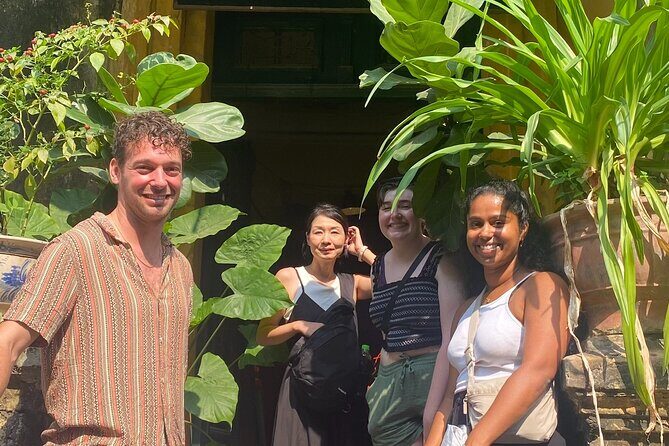
The next stop is St. Joseph’s Cathedral. This isn’t only about architecture, though it’s certainly part of it. The guide uses the stop to explain how French-era influence left marks in religion too—how religious life changed and diversified over time.
This is one of those places where it’s worth slowing your brain down for a minute. It’s easy to see a big church and assume you’re looking at a single story. The tour encourages you to think in layers: colonial history, cultural exchange, and how Vietnamese society absorbed or adapted what was introduced.
If you’re the type who likes seeing how different cultures affect daily life, this stop is a good one. If you’re more focused on war history, don’t skip it mentally—it’s part of the same “how foreign rule reshaped the city” theme, just told through faith and community rather than politics.



Hoa Lo Prison: resistance, captured pilots, and the end of the timeline

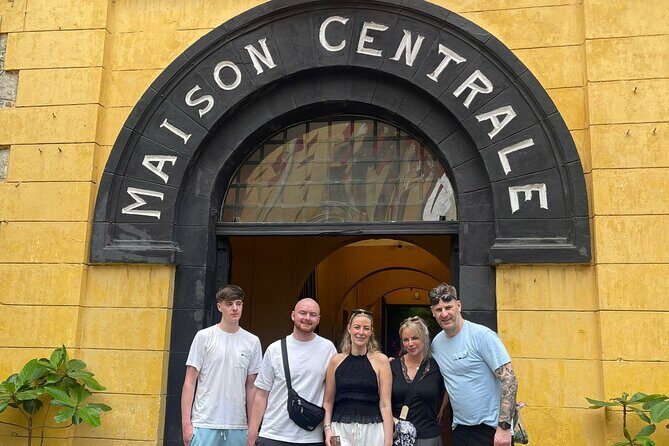
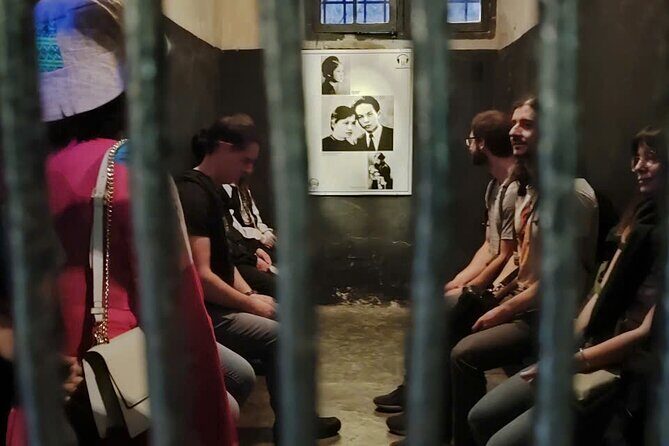
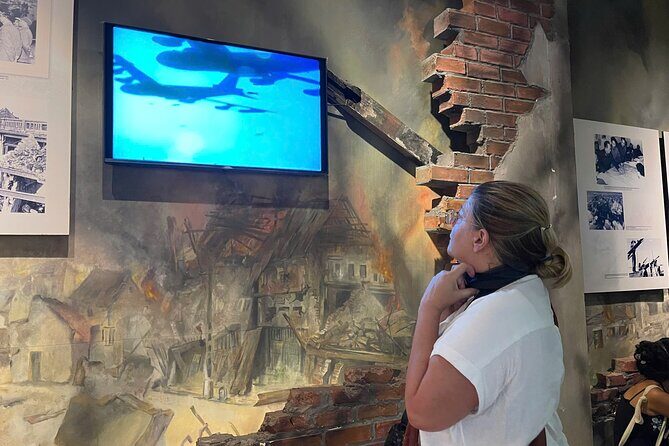
Then you reach the main event: Hoa Lo Prison. This is where the tour stops being about style and starts being about survival. You’ll learn about the Vietnamese people’s resistance against French colonialism, and you’ll also hear how the Vietnamese government handled captured American pilots during the war.
The tour gives you about 1 hour here, and that time matters. This place doesn’t work as a quick photo-op. Plan to take the visit seriously, and try not to rush your way through the explanations. If you’re sensitive to heavy history, it helps that the tour structure doesn’t overstuff the day with constant long stops.
Hoa Lo Prison is also located in central Hanoi, close to major hotel areas (the tour notes the Hilton Hanoi vicinity), so it’s easy to finish here and keep the rest of your evening simple. In other words: you get a strong finish without needing a complicated second transport plan.
Price and value: what $47.01 buys you on the ground
At $47.01 per person for about 3 hours, the value comes from what’s included and how efficiently the route is built. You’re not just paying for access. You’re paying for a guide to connect the French Quarter’s physical details to the political story behind them.
What you get included is practical: coffee and/or tea, bottled water, a guide, and the entrance ticket for Hoa Lo Prison. On a warm day, water and a scheduled pause can be the difference between enjoying the day and feeling wiped out halfway through.
Also worth noting: the tour is private in the sense that it’s only your group. That tends to make questions easier and the pacing more comfortable, especially for people who want the guide to focus on specific topics—colonial architecture, war-era history, or both.
If you do plan to enter the Vietnam National Museum of History, remember the museum admission isn’t included. And if your dates fall during Tet Holiday (Feb 14–22, 2026), there may be a holiday surcharge of 10 euros (300,000 Dong) per guest paid directly to the guide. It’s not huge, but it’s the kind of detail you’ll want to know up front.
Who should book, and who should skip this one
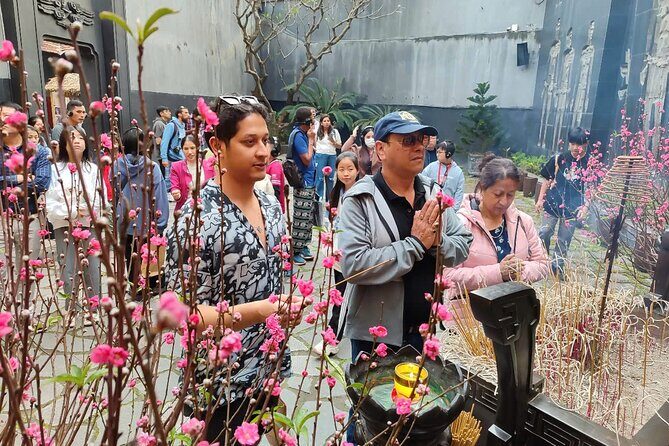
This tour fits you best if you like history that you can see. You’ll enjoy it if you want to walk Hanoi’s “French” streets with an explanation for what you’re looking at—then end with Hoa Lo Prison, where the story turns hard.
It also works well if you care about architecture as evidence. The Indochinese focus isn’t random; it gives you a lens for understanding how cultures mix, even under pressure.
You might want a different option if you dislike war-related history or you want only light sightseeing. This route covers colonial rule and resistance, and the Hoa Lo segment can be emotionally heavy. The upside is that the structure is clear, and the rest of the day doesn’t drag—short stops keep it from turning into a never-ending lecture.
Should you book this Hanoi French Quarter and Hoa Lo tour?
I think it’s a solid booking if you want a single guided route that covers both Hanoi’s French Quarter look and the deeper human story underneath it. For the money, the guide, included Hoa Lo ticket, and the built-in comfort items (tea/coffee and water) make it feel efficient, not skimpy.
Book it if you like walking, noticing details, and having someone translate architecture and history into a story you can remember. Skip it if you want a purely relaxed sightseeing day with no heavy content at the end.
FAQ
How long is the Hoa Lo Prison and Little Paris tour?
It’s about 3 hours.
What does the tour cost?
The price is $47.01 per person.
Is pickup available?
Yes, pickup is offered.
Where does the tour start and end?
It starts near Ly Thai To Garden in the French Quarter and ends at Hoa Lo Prison.
Is this tour private?
Yes. Only your group participates.
What’s included in the price?
The tour includes coffee and/or tea, entrance ticket (for Hoa Lo Prison), bottled water, and a guide.
Is the Vietnam National Museum of History included?
The museum stop is listed, but its admission ticket is not included.
Are there any extra charges?
For tours booked from February 14–22, 2026 (Tet Holiday), there is a holiday surcharge of 10 euros (300.000 Dong) per guest, paid directly to the guide.
What’s the ticket situation for Hoa Lo Prison?
An entrance ticket is included for Hoa Lo Prison.
What’s the cancellation policy?
Free cancellation is available up to 24 hours in advance for a full refund. If you cancel less than 24 hours before the experience starts, you won’t get a refund.


More Tours in Hanoi
- Ninh Binh Full-Day Tour from Hanoi to Hoa Lu, Tam Coc & Mua Cave Via Boat & Bike
★ 5.0 · 4,384 reviews