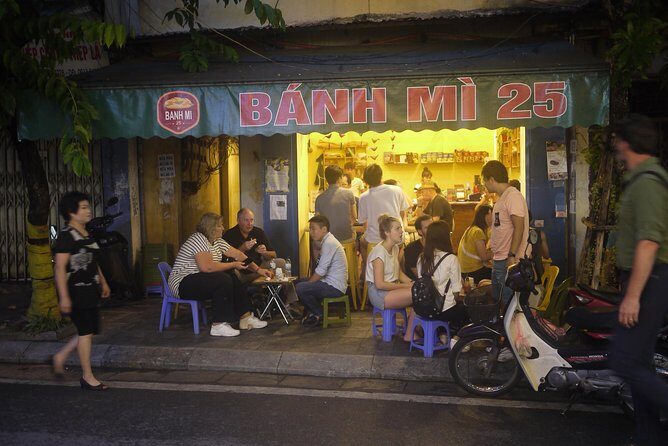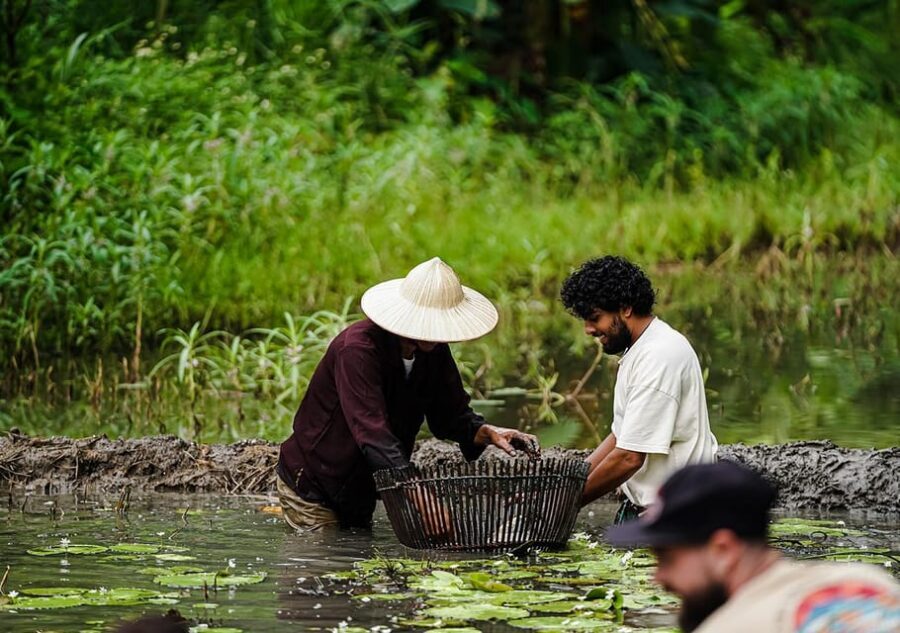
Hanoi’s Old Quarter is a puzzle box. This private 2.5-hour walk helps you read the streets with a private guide, then refuel with snacks, bottled water, and coffee or tea. I like that it’s built around real landmarks—Bach Ma Temple and Long Bien Bridge—not just a photo route. One thing to consider: pick the morning or afternoon slot if you can, since some areas can be closed at later times.
I also like the small-group setup, with a max of 8 travelers, so the pace stays human. Guides such as Minji, Dung, Yen, Mina, Quam, Cong, Quang, and Jasmine show up in past groups, and the common thread is a focus on how Hanoi works day to day, plus clear explanations in English.
In This Review
- Key highlights before you go
- Walking the Old Quarter with a guide who knows the alley rhythm
- The $35 value: what you actually get for the money
- Bach Ma Temple: White Horse calm in the middle of the Old Quarter
- Long Bien Bridge: an architectural symbol with Hanoi’s ups and downs
- Dong Xuan Market: the 1889 French origin and the street-level present
- The Old Quarter stretch: hidden streets, pacing, and local explanations
- Where the walk starts and ends, and what that means for your day
- Who this tour suits best (and who might want a different plan)
- Should you book the Hidden Hanoi Old Quarter Experience?
- FAQ
- How long is the Hidden Hanoi Old Quarter walking experience?
- What’s included in the tour price?
- Which major sights are part of the route?
- Where does the tour start and where does it end?
- How big is the group?
- What happens if the weather is bad?
Key highlights before you go

- Private guide through the Old Quarter maze so you’re not wandering without context
- Snacks, bottled water, and coffee or tea built into a 2.5-hour plan
- Bach Ma Temple (9th century) stop with an admission ticket included
- Long Bien Bridge photo-and-history stop that’s treated as a Hanoi symbol, not just a crossing
- Dong Xuan Market (founded 1889) with French-era origins and today’s everyday energy
- Small group, up to 8 people, which helps with pacing and questions
Walking the Old Quarter with a guide who knows the alley rhythm
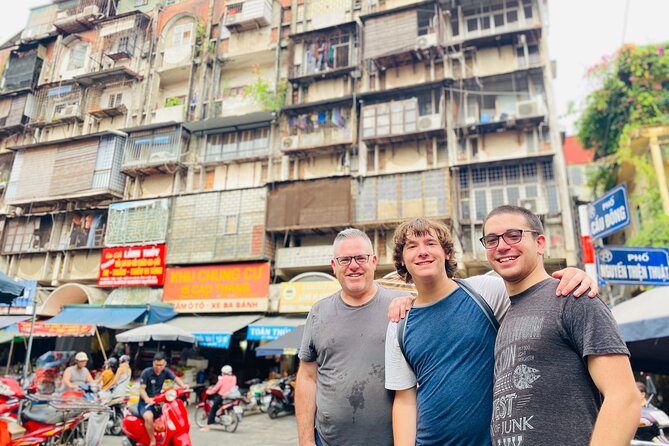
Hanoi’s Old Quarter can feel like a switchboard of narrow lanes. The streets twist fast, and without local context you can miss what you’re actually walking past. With this tour, you’re not just moving from point to point—you’re learning how the area makes sense.
I like that the tour is truly private. That matters because you can ask questions as you go, slow down when something catches your eye, and get the kind of orientation that helps the rest of your stay click. A few guides mentioned in past feedback—like Dung (with excellent English) and Quang (with humor and real-life context)—are exactly the type of hosts who turn confusion into confidence.
Your guide also sets the tone. The best guides here don’t only talk about monuments. They help you understand how people live near markets, temples, and trade streets, and they connect history to what you can still see today.
You can also read our reviews of more tours and experiences in Hanoi.



The $35 value: what you actually get for the money
At $35 per person, this tour is priced like a neighborhood experience rather than a luxury production. The value comes from what’s included along the way.
You get bottled water, snacks, and coffee or tea. In Hanoi, that simple setup can be the difference between a walk you enjoy and a walk where you’re too distracted by heat or hunger to absorb anything. You also get admission tickets included for the listed stops, which reduces the little costs and logistics that add up when you self-plan.
Then there’s the real “value” item: time with a local guide for about 2 hours 30 minutes. That’s a sweet spot for first-timers who want a fast understanding of the Old Quarter layout and history without committing to a full day.
Bach Ma Temple: White Horse calm in the middle of the Old Quarter
The tour starts with Bach Ma Temple, described as one of the oldest and holiest temples in Hanoi. It was founded in the 9th century, and Bach Ma translates to White Horse—a name tied to the temple’s story.
This stop works for you in two ways. First, it gives you a historical anchor early, before the streets blur together. Second, it’s placed right in the middle of Old Quarter life, so you get that contrast: modern city energy on the edges, a quieter spiritual focus in the center.
Time-wise, you’ll have about 20 minutes here. That’s not a full temple marathon, so think of it as a thoughtful introduction—enough time to understand why it matters and how it connects to the area around it. If you want more, you’ll have the context to explore on your own afterward.
A small consideration: temple visits can be more crowded during busy periods. Since the tour is only 2.5 hours total, you’ll want a calm mindset and let the guide steer you through without rushing.
Long Bien Bridge: an architectural symbol with Hanoi’s ups and downs
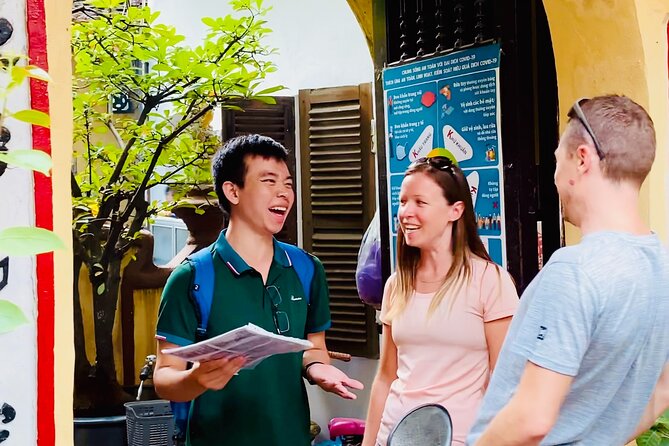
Next comes Long Bien Bridge, known in the tour description for its unique architecture and for the way it has ups and downs. It’s also treated as one of Hanoi’s city symbols.
This is a smart stop because it connects movement and history. A bridge is a daily-use structure, but it also becomes a landmark once generations depend on it. The tour frames Long Bien Bridge as both a traffic construction and a living historical reference, which helps you understand why people still talk about it.
You’ll spend about 15 minutes at this stop. That’s brief, but it’s long enough to take in the structure, learn what makes it distinctive, and connect it back to the stories you’ll hear at the next market stop.
Potential drawback: because this is a walking tour with multiple points, it’s not designed for an extended photo session. If bridges are your thing, you might want extra time afterward—yet the payoff is that you leave knowing what you’re looking at.
Dong Xuan Market: the 1889 French origin and the street-level present
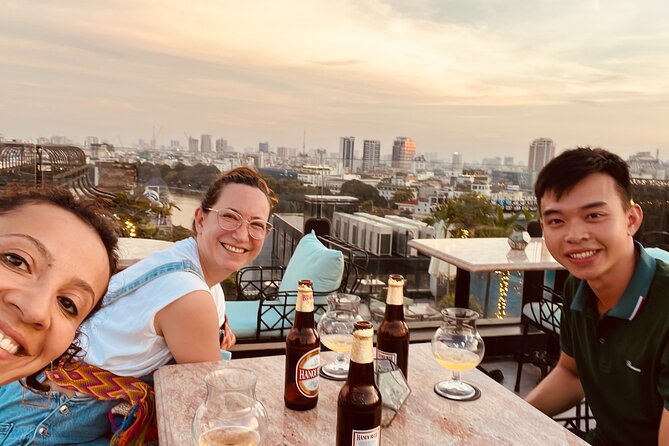
Then you head to Dong Xuan Market, a stop built for understanding the Old Quarter’s trade roots. The market was founded in 1889 by the French and named after its location. The tour also notes that it became a favorable trading place, especially after the French built Long Bien Bridge.
This stop is more than a label on a map. Markets are where the past shows up in practical ways. Even if you don’t study a single plaque, your guide can point out why Long Bien mattered to trade flow—and how that shaped what Dong Xuan became.
You’ll have about 15 minutes here. That’s enough time to get oriented and pick up a few key stories, but not enough to shop like you’re spending half a day. If your goal is browsing and buying, use the guide’s context to shop efficiently rather than wandering in circles.
A tip from the tour’s feedback patterns: market timing matters. Some feedback included disappointment tied to closures at a later slot, and the response suggested the local market is more interesting in the morning or afternoon. So if you’re flexible, aim for morning or afternoon to maximize your market time.
Also, if your guide includes snack stops thoughtfully, you might encounter sweet treats along the way. One past group specifically mentioned freshly fried donuts as part of the fun food break.




The Old Quarter stretch: hidden streets, pacing, and local explanations
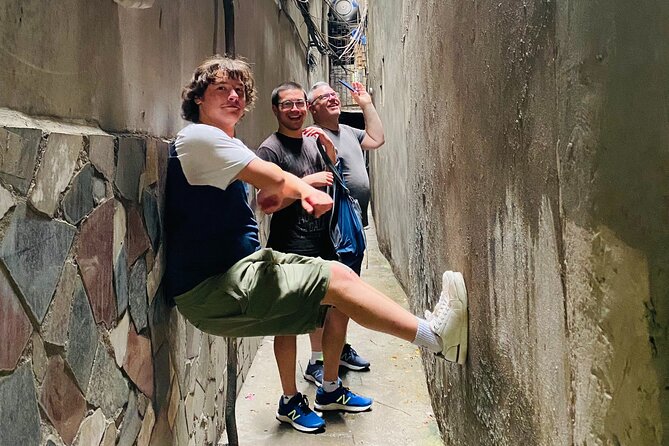
After the structured landmarks, you spend about 1 hour exploring the Old Quarter as a walking experience. This is where the tour earns its name as a local-style visit, because the guide can connect the dots between street names, temple history, bridge symbolism, and the market district.
This is also the part that helps you feel oriented fast. Reviews associated with the experience highlight how hard the area can be to navigate on your own, due to the narrow streets and alley maze. With a guide, you stop treating the Old Quarter like random scenery and start treating it like a map with meaning.
Pacing is built in. The tour includes refreshments, and feedback noted that drink breaks matter in Hanoi’s warm climate. Since the group is small (up to 8), your guide can keep things moving without bulldozing you through.
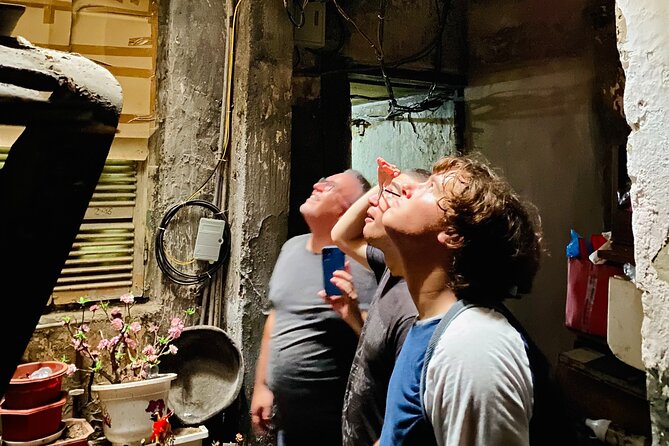
If you’re curious about everyday life, this is where you’ll get those practical explanations. Past feedback mentions learning how people really live in the Old Quarter, not just repeating broad history facts. Guides such as Yen, Mina, Jasmine, and Cong came up in feedback as being fun and story-focused, which can make the walk feel less like a lecture and more like a guided wander with a clear goal.
A possible drawback here: because it’s a walking tour, you’ll want to go with comfortable expectations. This isn’t a sit-down museum loop, and the Old Quarter is best enjoyed when you let your guide decide where to linger.
Where the walk starts and ends, and what that means for your day
This tour meets at 72 P. Hàng Bạc, Phố cổ Hà Nội, Hoàn Kiếm, Hà Nội, Vietnam. It ends at Hoàn Kiếm Lake, Hang Trong, Hoàn Kiếm, Hanoi, Vietnam.
That start/end setup is useful. You end near Hoàn Kiếm Lake, which makes it easier to continue your day without crossing the city like you’re starting over. It also means you can plan a meal or an evening stroll without being stuck at the far end of the Old Quarter maze.
The tour uses a mobile ticket, which keeps things simple on the day. It’s also described as being near public transportation, which helps if you’re bouncing between stops elsewhere in Hanoi before the walk.
Weather does matter. The experience states it requires good weather, and if it’s canceled due to poor weather, you’ll be offered a different date or a full refund. So if you’re booking close to a rainy window, keep a little flexibility in your schedule.
Who this tour suits best (and who might want a different plan)

This one is a great fit if you:
- are in Hanoi for a short stay and want a fast understanding of the Old Quarter
- like history stories that connect to what you can still see (temple, bridge, market)
- prefer a private guide so you can ask questions and control pace
- want practical extras like snacks, water, and coffee or tea included
It also works well for your first days in the area. Multiple pieces of feedback framed it as an ideal start to a stay because it gives you orientation you can use later when you explore independently.
You might rethink the timing if you hate last-minute changes. The feedback included a case tied to closures at a later tour time. Morning or afternoon tends to be the smarter bet when markets are the focus.
Should you book the Hidden Hanoi Old Quarter Experience?
If you want a tour that helps you understand the Old Quarter quickly—without paying extra for drinks or juggling ticket logistics—this is a strong choice. The itinerary hits meaningful anchors: Bach Ma Temple (9th century, White Horse), Long Bien Bridge (Hanoi symbol), and Dong Xuan Market (1889 French origins). Then it gives you real time inside the Old Quarter, where a good guide turns confusing lanes into an actual route.
Book it if you value a human guide, small-group pace, and a plan that keeps you comfortable with included refreshment. Skip it or adjust your timing if you’re only available for a late slot and you’re worried about market access.
If you do book, I’d choose the morning or afternoon option when you can, so you maximize the chance to experience the market area at its best.
FAQ
How long is the Hidden Hanoi Old Quarter walking experience?
It’s approximately 2 hours 30 minutes.
What’s included in the tour price?
The tour includes bottled water, snacks, and coffee and/or tea.
Which major sights are part of the route?
You’ll visit Bach Ma Temple, Long Bien Bridge, Dong Xuan Market, and then explore the Old Quarter on foot.
Where does the tour start and where does it end?
It starts at 72 P. Hàng Bạc, Phố cổ Hà Nội, Hoàn Kiếm, Hà Nội and ends near Hoàn Kiếm Lake (Hang Trong), Hoàn Kiếm, Hanoi.
How big is the group?
The tour has a maximum of 8 travelers.
What happens if the weather is bad?
The experience requires good weather. If it’s canceled due to poor weather, you’ll be offered a different date or a full refund. You can also cancel for a full refund up to 24 hours before the start time.