REVIEW · HANOI
Hanoi Maya Kitchen: Traditional Cooking Class & Market Tour
Book on Viator →Operated by Crossing Vietnam Tour · Bookable on Viator
A Hanoi cooking class is a real shortcut. You start with a local market run, then get hands-on in the kitchen making classics like fried spring rolls and papaya salad, and you finish by eating everything you cooked. The two things I’d call out are the step-by-step teaching and the fact you actually shop for your ingredients first. One thing to consider: there’s no pick-up or drop-off, so you’ll want to be ready to meet at the Old Quarter.
This is a 4-hour format that feels like a mini-adventure, not a rushed “cook and go.” You’ll mix flavors, roll dough, and learn what’s in Vietnamese staples (and what you can substitute when ingredients are hard to find at home). If you’re short on time or you hate messy hands, this might not be your best match.
In This Review
- Key things that make this tour worth your time
- From Market to Kitchen: Why This Style Works in Hanoi
- Your Stop in the Market: Hang Da / Yen Thai and the Ingredients That Matter
- The Cooking Lesson: Nem Ran, Nom Du Du, Pho Cuon, Pho Tron
- Nem Ran (fried spring rolls): the technique behind the party dish
- Nom Du Du (papaya salad): sour, sweet, and crunchy balance
- Pho Cuon (pho rolls): making comfort food feel portable
- Pho Tron (mixed pho): the flavor mix that feels like a bowl and a salad
- Egg Coffee Break: Ca Phe Trung and How It Fits the Meal
- The End of Class: You Eat What You Made (With Plenty to Go Around)
- Price and Timing: Getting Value Without Feeling Rushed
- Who Should Book This Cooking Class in Hanoi
- A small word on instructor variety
- Should You Book Hanoi Maya Kitchen?
- FAQ
- FAQ
- Where is the tour meeting point?
- How long is the cooking class and market tour?
- Is local market shopping included?
- What dishes will I cook?
- Is egg coffee included?
- What is included in the price?
- Is pick-up and drop-off provided?
- How big is the group?
- Is there enough food at the end?
Key things that make this tour worth your time
- Yen Thai / Hang Da market shopping so you learn ingredients, not just recipes
- Four hands-on dishes plus egg coffee at one steady pace for about 4 hours
- English-speaking instructor who guides you step by step
- Local wine tasting alongside a drink included with the meal
- Max 15 people, so questions and attention stay easy to get
From Market to Kitchen: Why This Style Works in Hanoi
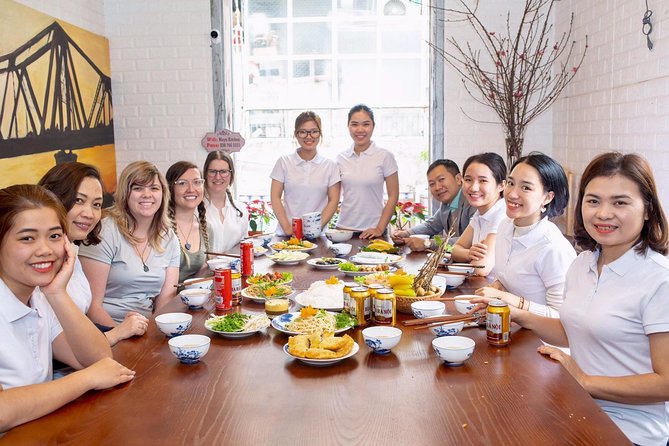
Hanoi has plenty of places where you can eat well. This experience adds something extra: you learn how Vietnamese food is built, ingredient by ingredient, before you ever sit down.
The market-to-kitchen flow matters because you don’t just memorize recipes. You see what the ingredients look like in real life, then you taste and cook with them. That’s why I like this format for home cooks: it helps you translate Vietnamese flavors even when you’re shopping in a different country.
At $30 per person for about 4 hours, it’s also a strong value if you compare it to paying for a market tour plus a separate cooking class. You’re getting instruction, ingredients for multiple dishes, a shared meal, seasonal fruit dessert, and even a local wine tasting. One downside to keep in mind is that you’ll be in a working kitchen environment—so casual comfort beats your best outfit.
You can also read our reviews of more tours and experiences in Hanoi.



Your Stop in the Market: Hang Da / Yen Thai and the Ingredients That Matter
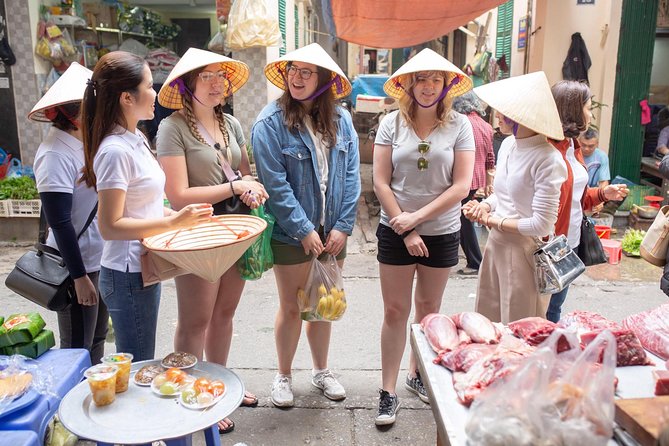
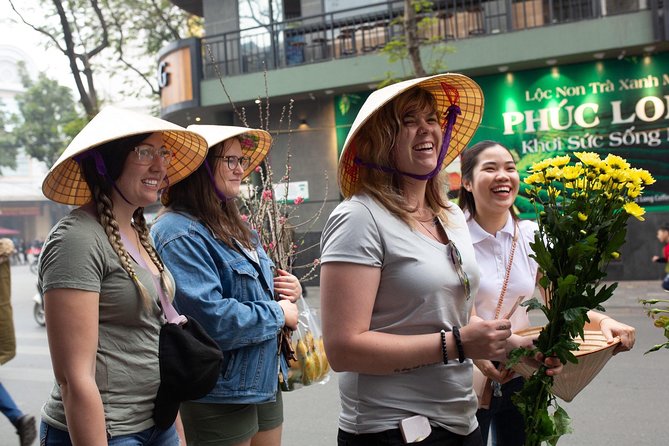
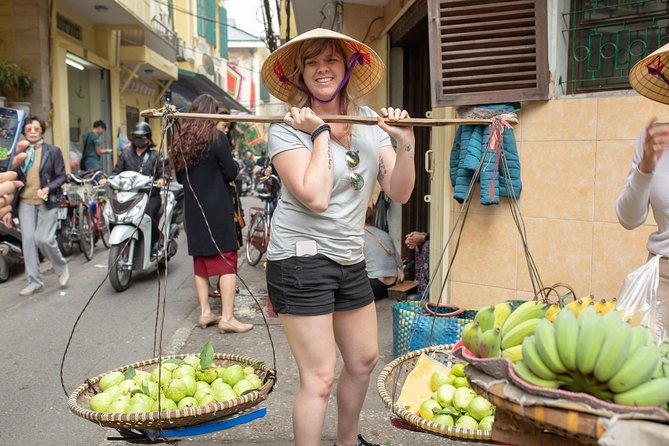
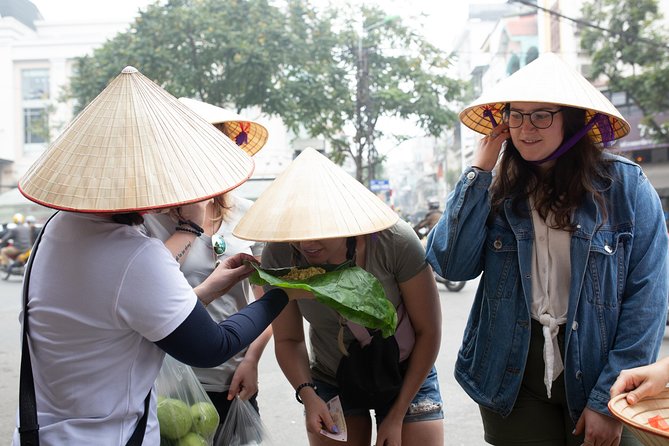
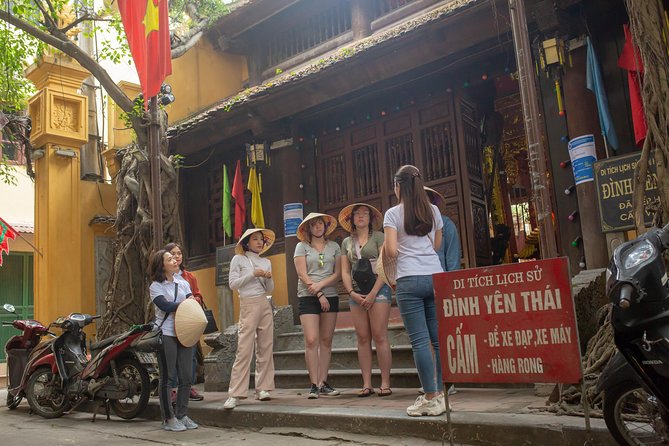
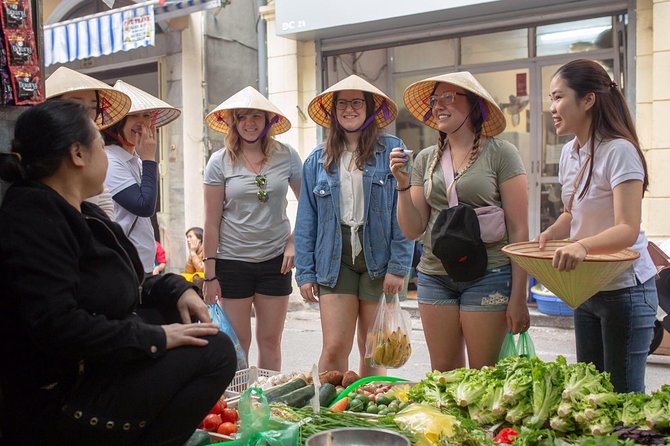
The experience begins with a welcome at the tour office, then you head to the local market nearby. The stop is listed as Hang Da Market in the itinerary details, while the overview also points to Yen Thai market, so expect a market walk in the Old Quarter area where you can see how locals choose produce, herbs, and cooking staples.
This part is not just sightseeing. You’re there to buy what you’ll cook later, and it’s a practical lesson in Vietnamese ingredients and substitutions. That turns into real confidence when you get home. Even if you don’t find the exact herb or noodle you used in class, you’ll know what role it plays—sweet, sour, crunchy, aromatic, or savory.
A tip that comes up again and again in cooking-class thinking: you’ll likely leave the market hungry, but you also won’t go without food later. I’d plan to keep breakfast light or skip it, because you’ll end up eating a lot at the end.
Also, the tour is capped at up to 15 travelers, which helps during market time. Smaller groups make it easier to ask questions about what’s in the dishes and why certain ingredients get chosen.
The Cooking Lesson: Nem Ran, Nom Du Du, Pho Cuon, Pho Tron
After the market, you move to the kitchen. This is where the experience earns its 5-star reputation: you’re not watching someone else cook. You’re doing the work, guided step by step by an English-speaking instructor.
The menu you’ll make is built around classic Vietnamese flavors:
- Nem Ran (fried spring rolls)
- Nom Du Du (papaya salad)
- Pho Cuon (pho rolls)
- Pho Tron (mixed pho)
- Plus Ca Phe Trung (egg coffee)
Nem Ran (fried spring rolls): the technique behind the party dish
The class starts with fried spring rolls, which is often described as a national-level dish for holidays and family gatherings. That’s a good clue about what you’re learning here: not only how to assemble, but how to make something that holds together when fried.
This is also a hands-and-control dish. The guidance focuses on rolling evenly so you get rolls that look good and cook well. If your hands feel clumsy, don’t worry. The point is to follow the instructor’s pacing and build muscle memory step by step.
Nom Du Du (papaya salad): sour, sweet, and crunchy balance
Next comes papaya salad, where the main flavors are sour and sweet. This dish is a masterclass in balance. You’re learning how Vietnamese salads aren’t just “light”—they’re flavor engines. When you taste as you work, you’ll understand how adjustments change the overall bite.
The practical value for you: once you understand the sour-sweet tuning, you can adapt the salad to what you can find locally at home.


Pho Cuon (pho rolls): making comfort food feel portable
Then you’ll make pho rolls, a dish that turns the comfort of pho into something you can roll and eat in a different way. Expect guidance that focuses on assembly and timing—because rolling works only when the ingredients are ready and the texture is right.
This is where the class feels fun rather than purely technical. You’ll see how Vietnamese cooking is not about complicated steps so much as smart choreography.
Pho Tron (mixed pho): the flavor mix that feels like a bowl and a salad
Finally, you’ll tackle pho tron (mixed pho). It’s essentially a mash-up you build to taste, and the idea is to get the mix right rather than follow one single flavor rule.
What you gain here is a mental model for how Vietnamese diners personalize bowls: you adjust by adding the components that bring salt, aroma, freshness, and texture.
Egg Coffee Break: Ca Phe Trung and How It Fits the Meal
Vietnam’s egg coffee, Ca Phe Trung, is included. This is one of the most memorable parts because it feels like a café treat with a home-kitchen twist.
You’re not just learning how to make it. You’re learning how it closes the loop after savory cooking. The egg coffee becomes a palate reset—sweet, creamy, and rich—so the whole meal feels complete instead of one-note.
And yes, you’ll get to taste as part of the class flow, not just at the end. If you’re someone who likes coffee culture, this stops-and-sips moment is worth paying attention to.
The End of Class: You Eat What You Made (With Plenty to Go Around)
After cooking, you sit down and enjoy the meal you made. The menu includes everything from the class dishes plus a dessert of seasonal fruits.
The meal portion is not a tiny sampling. Reviews point to more than enough food even for families, which is exactly what you want from a cooking class. This isn’t a “prove you can cook three bites” deal. It’s a full eat-after-you-learn experience.
One practical note: you’ll probably want to avoid heavy snacks beforehand, and you may want to go a little easy on lunch plans. The day will already be long enough that you don’t need extra food competing with your appetite for what you cooked.
You’ll also have 1 included drink (water, tea, coffee, or similar), and there’s local wine tasting included as part of the experience. That adds variety to your meal without turning the tour into an all-day drinking session.
Price and Timing: Getting Value Without Feeling Rushed
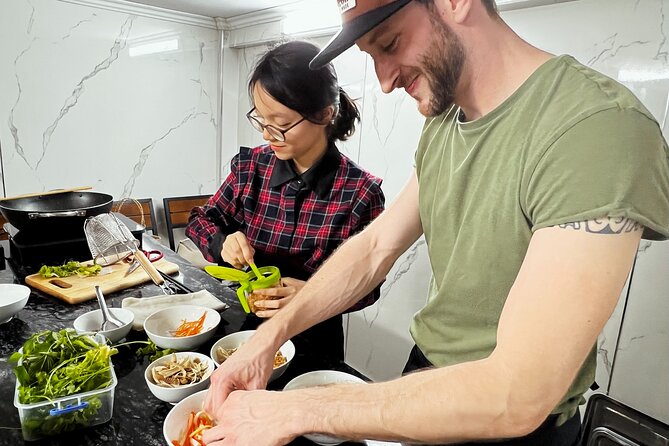
At $30 per person for about 4 hours, this class is priced like a serious half-day activity. The value comes from the package: market shopping, ingredient prep, instruction, multiple dishes, egg coffee, dessert, and drinks.
The small group size (max 15 travelers) is another big value factor. When a class is smaller, you don’t spend your time waiting for help. You can ask what something should taste like, how to adjust, or what to look for with a certain ingredient.
Timing also matters in Hanoi. Four hours hits a sweet spot: long enough to learn, shop, cook, and eat, but short enough that you can still plan other Old Quarter activities afterward.
One consideration: since there’s no pick-up or drop-off, your best plan is to build it into your day around the Old Quarter area. Start on time, arrive a few minutes early, and you’ll keep the day smooth.
Who Should Book This Cooking Class in Hanoi
This is a great fit if you:
- want to go beyond eating and learn how Vietnamese dishes are actually assembled
- like market walking and ingredient education, not just cooking steps
- want a small-group experience with English-speaking guidance
- enjoy hands-on food activities more than watching
It’s also a strong choice for people who plan to cook Vietnamese food at home and want substitutions and ingredient logic, not just a screenshot of a recipe.
If you’re the type who wants only one dish to focus on, this might feel like a lot. But that’s also the charm: you’ll walk away with multiple dishes and a full meal’s worth of skills.
A small word on instructor variety
Instructors may vary by day and group. Names that have been associated with the experience include Iris, Aurora, and Ruby, and the consistent theme is step-by-step guidance and a friendly pace. What you can count on is an English-speaking instructor and a structured cooking flow.
Should You Book Hanoi Maya Kitchen?
If you want an authentic Hanoi activity that teaches real cooking skills, I’d book it. The market ingredient step plus the hands-on cooking plus the sit-down meal is a rare combo that makes your money feel like it turns into something you can use later.
Skip this only if you strongly dislike cooking with your hands, or you don’t want to walk to the market and kitchen without transportation arranged for you. Otherwise, this is one of the most practical ways to learn Vietnamese food without getting stuck in tourist-only eating.
FAQ
FAQ
Where is the tour meeting point?
You start at the Crossing Vietnam Tour office area in Hoàn Kiếm, listed as 38 P. Bát Sứ, Hàng Bồ, Hà Nội. The meeting point is tied to the Crossing Vietnam Tour office address given as 47 Hang Bong str. in the information you receive.
How long is the cooking class and market tour?
The duration is about 4 hours.
Is local market shopping included?
Yes. The experience includes a local market stop where you can buy fresh food and learn about Vietnamese ingredients and substitutions.
What dishes will I cook?
You’ll make Nom Du Du (papaya salad), Nem Ran (fried spring rolls), Pho Cuon (pho rolls), and Pho Tron (mixed pho). The experience also includes making Vietnamese egg coffee (Ca Phe Trung).
Is egg coffee included?
Yes. Egg coffee is part of the menu and is included in the class.
What is included in the price?
The price includes the local market tour and food buying, an English-speaking instructor, all food for the menu dishes, seasonal fruits for dessert, 1 included drink, local wine tasting, and a cooking recipe.
Is pick-up and drop-off provided?
No. Pick-up and drop-off service is not included. The tour ends back at the meeting point.
How big is the group?
The tour has a maximum of 15 travelers.
Is there enough food at the end?
Yes. You’ll enjoy the meal with all the dishes you cook, and dessert includes seasonal fruits. The food amount is described as more than enough in the experience feedback.
If you want, tell me your travel dates and whether you’re pairing this with other Old Quarter plans, and I’ll suggest a simple day schedule that keeps you from rushing.