REVIEW · HANOI
Hanoi: Cook 2–5 Vietnamese Dishes With Traditional Tea Ceremony
Book on Viator →Operated by Rose Kitchen Cooking Class · Bookable on Viator
Cooking in a garden villa beats a restaurant meal.
What makes Rose Kitchen stand out is the mix of hands-on cooking with dish choice and a calm, guided traditional tea ceremony right after. You get story-led explanations for what you’re making and why it matters in everyday Vietnamese life. One thing to keep in mind: this is a practical cooking class, so plan to get a little involved and expect a hands-on pace, not a sit-and-watch show.
I also like how the experience is built for comfort—air-conditioned space in a hidden garden villa, plus unlimited mineral water—so you can focus on cooking and chatting instead of sweating through the session. If you’re visiting with very picky eaters or you want a totally hands-off activity, you may find the participation level a bit much.
In This Review
- Key Highlights Worth Knowing Before You Go
- A Hidden Garden Villa With Air-Conditioned Comfort
- How Dish Choice Works: 2 Dishes in Join-In, 5 in Private
- From Market Ingredients to Your Own Cooking Station
- What You’ll Cook and Why It Tastes Like Hanoi
- Unlimited Water, Meal Included, and No-Plastic Convenience
- The Traditional Vietnamese Tea Ceremony: More Than a Sip
- The Community Programs Your Booking Supports
- Value Check: Is $29 for 4 Hours a Good Deal?
- Who This Suits Best (and Who Might Skip It)
- Practical Notes: Meeting Point and What to Bring
- Should You Book Rose Kitchen Cooking Class in Hanoi?
- FAQ
- How many dishes do I cook in the join-in format?
- How many dishes do I cook in a private booking?
- How long is the cooking and tea experience?
- What’s included with the class meal?
- Is there a tea ceremony included?
- Do you provide drinks during the session?
- What language is the guidance in?
- Where is the meeting point?
- Can I cancel for a full refund?
Key Highlights Worth Knowing Before You Go
- Choose your dish plan: join-in cooks 2 signature dishes; private bookings cook 5.
- English-speaking cultural storytellers guide the steps and the meaning behind what you make.
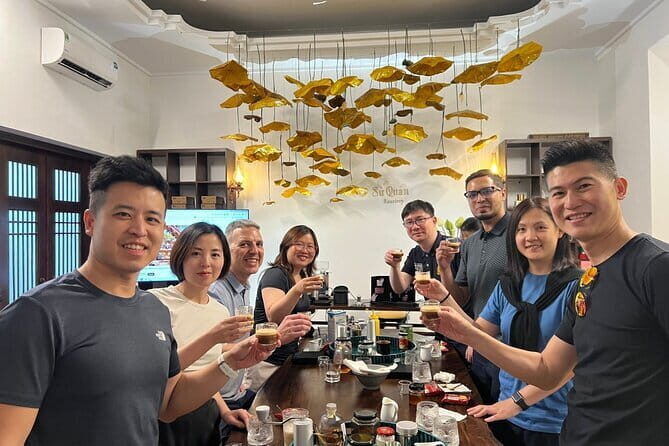
- Tea ceremony + dish stories: you learn the cultural role of tea, not just how to drink it.
- Eco-friendly setup uses stainless-steel containers and canvas bags, with no plastic.
- Your meal is included (breakfast, lunch, or dinner depending on your time slot), plus a welcome herbal drink.
- Community impact built in: your booking supports charity meals, education programs, and jobs for ethnic minority women who serve as butlers.
A Hidden Garden Villa With Air-Conditioned Comfort
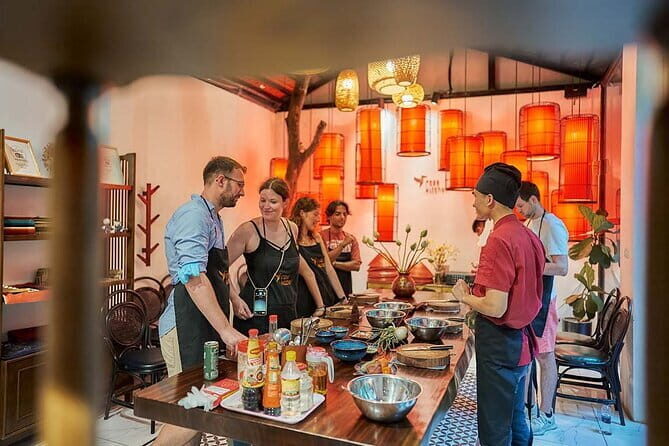
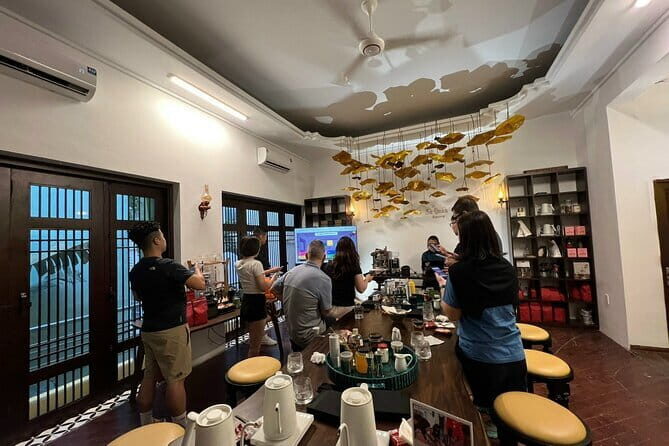
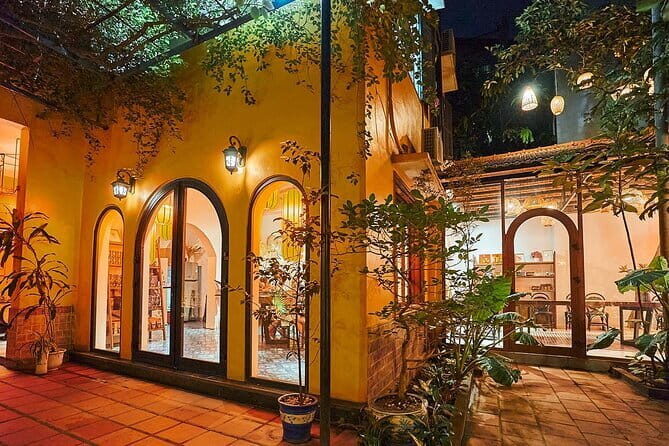
Rose Kitchen’s setting is part of the appeal. The cooking happens in a hidden garden villa atmosphere—quiet enough that the whole experience feels less like a factory tour and more like a small cultural hangout. Even better, the class space is air-conditioned, which matters in Hanoi when the weather is doing its own thing.
You start with a complimentary herbal welcome drink, the kind that sets the tone for the day: calm, local, and not just about food calories. Then you settle into the main session with everything you need provided—tools, utensils, and step-by-step guidance—so you don’t arrive worrying about supplies or confusing kitchen gear.
One practical plus: the experience includes free luggage storage, so you can travel light. This is a small detail, but it makes a real difference when you’re juggling bags between hotels and activities.
You can also read our reviews of more tours and experiences in Hanoi.


How Dish Choice Works: 2 Dishes in Join-In, 5 in Private
The heart of this class is the cooking plan. You select the dishes you want to prepare, and the experience matches that choice in two formats:
- Join-in sessions: you cook 2 signature Vietnamese dishes alongside other guests.
- Private bookings: you cook 5 signature dishes with your group for a more personalized pace.
This matters because it changes how you can learn. In the join-in option, you’ll likely focus on technique and flavor for a couple of dishes. In the private option, you get more variety and more opportunities to ask questions without waiting for the group rhythm.
The guides are fluent in English and act as cultural storytellers, not just kitchen instructors. In other words, you’re not only learning what to do—you’re also learning why certain ingredients, methods, and timing matter. That’s also where the experience turns into something more memorable than a standard cooking class.
From Market Ingredients to Your Own Cooking Station
Many sessions start with a local market visit where you pick ingredients for the dishes you’ll cook. This is a big value point because it teaches you what’s normal in Hanoi kitchens—fresh herbs, sauces, and produce you might not recognize from a grocery store shelf. It also gives you a quick “ingredient map” before the cooking begins, so when a guide points out something specific, it actually clicks.
After that, you move into the kitchen and work step-by-step. The format is fully interactive, so you should expect to chop, assemble, and cook—not just plate the final result.
From the teaching style described in the experience, it seems you’ll get practical guidance on real technique: how to prep ingredients properly, how to handle delicate components (like spring roll wrappers), and the order that helps things come out right. Several class moments are designed to help you avoid common mistakes—like overfilling, uneven cutting, or timing problems that can soften textures.
A standout theme in the feedback is that the chefs and hosts make learning easy. People mention specific hosts by name, including Tung, Alex, Hai, Linh, Aroma, and Chloe. You might not meet the same people each time, but the pattern is clear: the instruction is friendly, organized, and geared for comprehension, including for families.
What You’ll Cook and Why It Tastes Like Hanoi
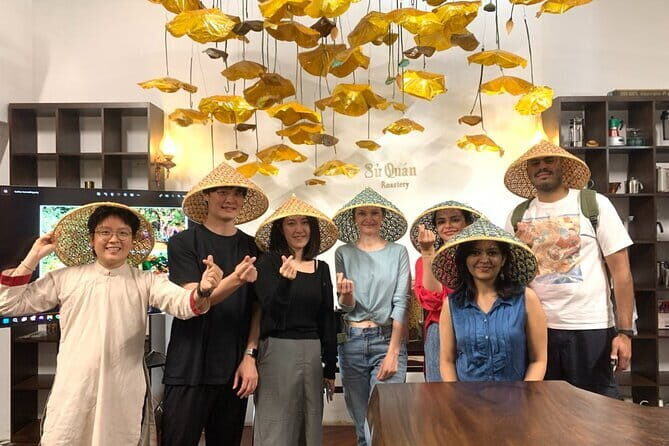
You’ll cook iconic Vietnamese dishes, and you’ll also get context about the cultural significance behind each one. The exact dishes you choose can vary, but the experience is clearly built around classic flavors and techniques you can replicate later.
What I like about this setup is that it doesn’t treat food as random “what’s for dinner.” Instead, each dish is tied to stories that help you understand Vietnamese cooking logic: balance of herbs and aromatics, sauce behavior, and the way tea culture fits into meal life.
A couple of dishes and moments were highlighted in feedback more than once:
- Spring rolls: guests especially noted learning correct prepping and assembly, with fresh, tasty results.
- The overall result: people describe food as fresh and flavoursome, which usually means the class focuses on ingredient handling and not just seasoning at the end.
And since your meal is included, you’re not just tasting samples—you’re likely eating what you helped create. That makes the session feel complete.
Unlimited Water, Meal Included, and No-Plastic Convenience
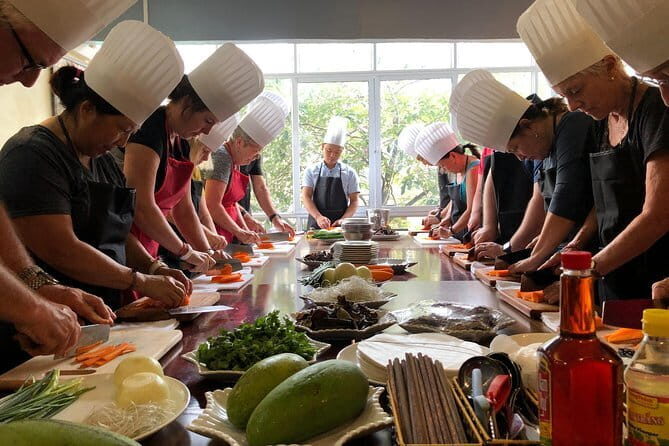
Food experiences can fall apart on the small stuff—water, comfort, cleanup, and whether you actually get a satisfying meal. Here, the basics are handled.
You get:
- Unlimited mineral water during the session
- A full meal: breakfast, lunch, or dinner depending on your time slot
- Everything provided so you can focus on cooking
Even the presentation and storage aim to reduce waste. The setup is eco-friendly with stainless-steel containers and canvas bags, and it’s described as having no plastic. That’s not just “green” for marketing; it also often means sturdier, practical kitchen workflow.
Also note: the experience provides personalized support from a dedicated butler. You’ll still cook with the group and follow the cultural storyteller’s steps, but you’re not stuck alone if something doesn’t make sense. In a hands-on class, that extra attention matters.


The Traditional Vietnamese Tea Ceremony: More Than a Sip
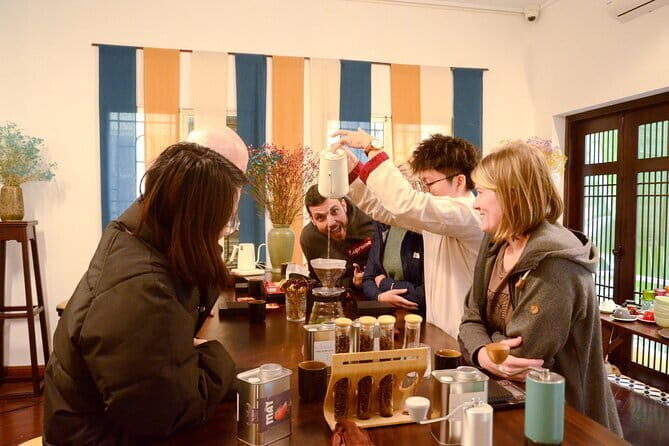
After cooking, you don’t rush out. You relax with a traditional Vietnamese tea ceremony. This is where the experience earns its cultural label.
The tea part isn’t only about drinking—it’s about understanding why tea matters in Vietnamese life and what stories sit behind the brews. You’ll also hear meaningful explanations tied to the dishes you prepared, so it feels like tea is connected to the meal, not tacked on as a separate activity.
In practice, this gives you a satisfying arc:
1) learn food,
2) cook it,
3) sit down with tea and stories,
4) eat a meal that makes sense as a whole.
If you’ve ever wanted Vietnamese food education that doesn’t feel like a lecture, this is the portion that tends to land best. It slows everything down and gives you that “oh, I get it” feeling about how Vietnamese meals move through a day.
The Community Programs Your Booking Supports
You’re not just paying for kitchen time. Each booking supports community initiatives, including:
- Monthly charity meals for cancer patients
- Educational programs for disadvantaged children in remote regions
- Sustainable employment for ethnic minority women who work as butlers
This matters for two reasons. First, it gives the experience a real purpose beyond the oven. Second, it helps explain why the staff structure includes butlers: the service role isn’t just a hospitality flourish—it’s tied to sustainable employment described by the program.
If social impact is part of how you choose activities, this one offers clearer “where the money goes” than many vague good-intentions tours.
Value Check: Is $29 for 4 Hours a Good Deal?
At $29 per person with an approx. 4-hour session length, this class can be strong value—especially if you compare it to paying for a cooking lesson plus a meal separately.
Here’s what you actually get for the price:
- Dish choice with a structured cooking class
- English-speaking step-by-step guidance
- Tools and brewing/cooking setup
- Unlimited mineral water
- A welcome herbal drink
- A full meal (breakfast/lunch/dinner depending on your slot)
- Tea ceremony experience
- Free luggage storage
Even the fact that you’re cooking, eating, and learning in one package is what makes it feel efficient. You’re paying for an integrated experience, not just “time in a kitchen.”
One consideration: prices for cooking classes in big cities can swing widely. If you’re comparing, make sure your alternatives also include a full meal and tea. If they don’t, $29 here starts to look more reasonable.
Who This Suits Best (and Who Might Skip It)
This experience is a great fit if you:
- want hands-on cooking with real technique guidance
- like cultural context, especially around tea
- prefer structured but friendly learning in English
- enjoy meals that feel like you built them, not just ordered them
It also seems to work for families. One review specifically mentioned a safe, positive experience with a 5-year-old participating, which suggests the staff can accommodate kids in a practical, supervised way.
Who might not love it:
- If you’re looking for a quiet, purely observational activity, the hands-on nature could feel too active.
- If you have strong dietary restrictions, the exact dish options you can choose aren’t listed here—so you’d want to confirm whether your requested dishes can adapt.
Practical Notes: Meeting Point and What to Bring
You’ll start at Rose Kitchen Cooking Class, 7/32, Ngh. 173/75 Đ. Hoàng Hoa Thám, Ngọc Hồ, Ba Đình, Hà Nội 10000, Vietnam. The activity ends back at the meeting point.
It’s described as near public transportation, which is helpful if you’re bouncing around Hanoi by ride-hail or taxi rather than private car.
What to bring is simple: your curiosity. The class provides utensils, tools, and guidance—so you don’t need to pack cooking gear or special equipment. Having a charged phone can help for the mobile ticket, though that’s not critical once you’re there.
Should You Book Rose Kitchen Cooking Class in Hanoi?
Book it if you want a cooking class that feels like Hanoi life: food prep with ingredient context, hands-on cooking, then tea with cultural stories. The best reasons to choose this one are the dish choice, the tea ceremony, the English-speaking guidance, and the fact you’re also supporting community programs.
If you hate participation, avoid anything messy, or want zero cooking involvement, skip it and pick a food tour that stays more observational.
Otherwise, this is a solid “do it once” Hanoi experience—good structure, good comfort, and a meal you’ll remember because you made it.
FAQ
How many dishes do I cook in the join-in format?
In join-in sessions, you cook 2 signature Vietnamese dishes.
How many dishes do I cook in a private booking?
For private bookings, you cook 5 signature dishes with your group.
How long is the cooking and tea experience?
It lasts about 4 hours (approx.).
What’s included with the class meal?
You’ll get a full meal: breakfast, lunch, or dinner depending on your time slot.
Is there a tea ceremony included?
Yes. After cooking, you enjoy a traditional Vietnamese tea ceremony.
Do you provide drinks during the session?
You get a complimentary herbal welcome drink on arrival, and you’ll also have unlimited mineral water during the experience.
What language is the guidance in?
Guides are described as fluent in English.
Where is the meeting point?
The meeting point is at Rose Kitchen Cooking Class, 7/32, Ngh. 173/75 Đ. Hoàng Hoa Thám, Ngọc Hồ, Ba Đình, Hà Nội 10000, Vietnam.
Can I cancel for a full refund?
Yes. Cancellation is free, and you can cancel up to 24 hours in advance for a full refund.