REVIEW · HANOI
From Hanoi: Premium 2-Day Sapa Adventure with DCAR Limousine
Book on GetYourGuide →Operated by SST Travel · Bookable on GetYourGuide
Sapa feels like a different country, and this tour gets you there comfortably. You’ll leave Hanoi early in a DCAR Limousine, with pickup from the Old Quarter and a smooth round trip to the mountains. What makes it appealing is the small-group size (max 9) and the clear plan for both hiking and culture.
I also like how the route focuses on real mountain villages, not just quick photo stops. You’ll get guided time with ethnic communities like Hmong and Dao, plus a trek through terraced rice fields and valleys that actually lets you slow down and look around.
One thing to consider: your exact experience depends on your hotel vs homestay option, and mountain weather can affect visibility and even access to higher spots like Fansipan.
In This Review
- Key things I’d circle before you book
- DCAR Limousine and the Hanoi morning: easy logistics for a long day
- Choosing the right route: homestay and bungalow vs central Sapa hotels
- Homestay/bungalow route (outside the center)
- Central hotel route (3, 4, or 5 star hotels)
- Day 1 with homestay overnight: Lao Chai, Ta Van, and a spring-roll class
- Hanoi to Sapa, with a break built in
- The trek: Y Linh Ho to Lao Chai, then into Muong Hoa Valley
- Ta Van Village, plus Ancient Rock Beach and Cau May
- Check-in and the spring-roll cooking class
- Day 2 with homestay overnight: Giang Ta Chai and Red Dao traditions
- Breakfast at the homestay
- Trek to Giang Ta Chai: about 8 km
- Lunch, then return to Sapa and back to Hanoi
- If you stay in central Sapa: Cat Cat Village and your Fansipan choice
- Day 1: Cat Cat Village and Hmong culture
- Day 2: Fansipan Peak vs trekking option
- Hiking distances, comfort level, and how weather changes everything
- Price and value: what $109 includes, and what can cost extra
- What’s included (the value engine)
- What’s not included (the budget gotchas)
- What the guide experience feels like: more context than checklists
- Who should book this Sapa tour—and who should pass
- Should you book the DCAR 2-Day Sapa Adventure?
- FAQ
- What time do they pick me up in Hanoi?
- Is there a guide during the Hanoi to Sapa transfer?
- How many people are in the group?
- What language is the guide?
- What accommodation options are available?
- How many meals are included?
- Is Fansipan included?
- What trekking distances are included on the homestay/bungalow route?
- What should I bring?
- Can I cancel for a refund?
Key things I’d circle before you book
- DCAR Limousine comfort with a small group (max 9) and easy pickup from Hanoi Old Quarter
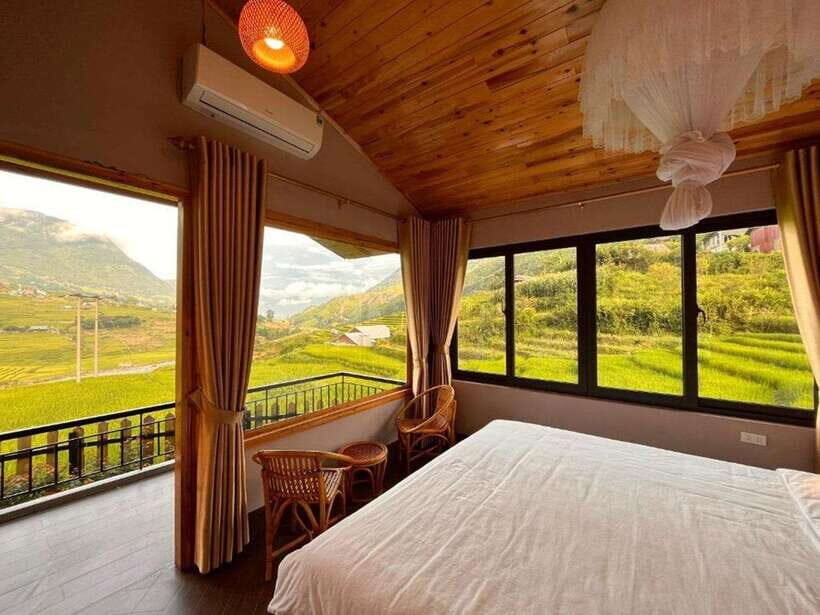
- Two different Sapa routes depending on whether you stay outside the center (homestay/bungalow) or in-town (3–5 star hotels)
- Terraced rice field trekking plus village visits like Lao Chai, Ta Van, Cat Cat, and Giang Ta Chai
- Hands-on cooking time on the homestay route, making spring rolls with a local class
- Fansipan is optional and not guaranteed since cable car access can be affected by maintenance and weather
- Meals are practical, not fancy: breakfast and 2 lunches included, but dinner is on your own
DCAR Limousine and the Hanoi morning: easy logistics for a long day
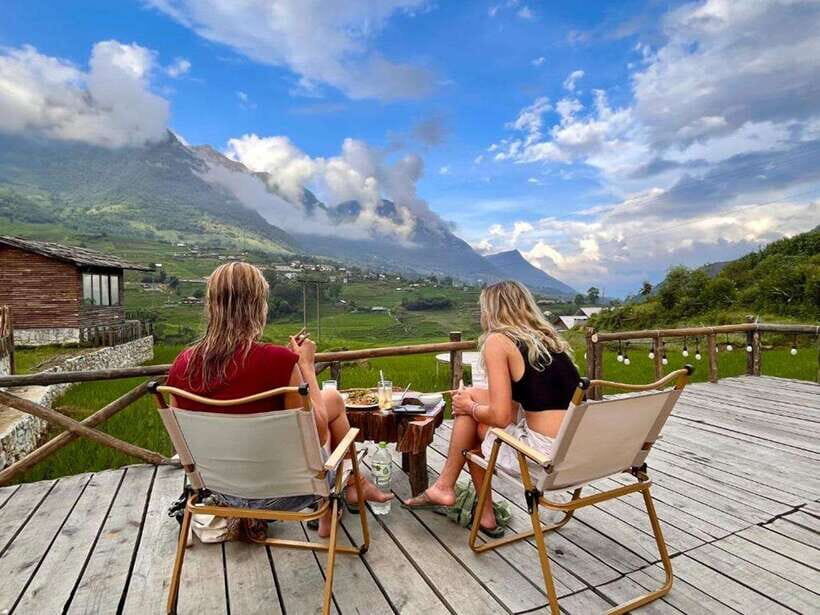
This is a two-day Sapa trip that starts with a simple goal: get you moving early, with comfort, and without making you deal with transfers alone.
Pickup is from Hanoi Old Quarter hotels/hostels/Airbnbs between 6:30 and 6:45 AM. Then you head to Sapa by DCAR Limousine. One small but helpful detail: the transfer between Hanoi and Sapa is provided without a tour guide. That means you’re not stuck waiting for someone to translate during the ride—you’re just riding. Once you reach Sapa, the local English-speaking guide takes over for the sightseeing and trekking parts.
On comfort and convenience, this style of limousine transport is exactly what you want for a long day. You’ll also have bottled water on hand during the trip, and the included wet tissue is one of those tiny “thank you” items when you’re sweating on a trail or eating on the go.
Two practical reminders before you get on the van:
- Bring warm clothing. Sapa can feel chilly even when Hanoi is warm.
- Wear comfortable shoes. You’ll be walking on uneven ground and sometimes muddy surfaces depending on conditions.
You can also read our reviews of more tours and experiences in Hanoi


Choosing the right route: homestay and bungalow vs central Sapa hotels

Here’s the catch with this tour: it runs two different routes, and which one you get depends on where you’re staying in Sapa.
Homestay/bungalow route (outside the center)
If you choose the option with an overnight in a homestay or bungalow, you’ll be based outside the center of Sapa. That usually makes the first day feel like you’re easing into the valleys right away, with trekking and village visits built around where you’ll sleep.
Central hotel route (3, 4, or 5 star hotels)
If you choose a 3, 4, or 5-star hotel in the center of Sapa, your itinerary centers more on town-based sightseeing. You’ll typically visit areas like Cat Cat Village on Day 1, with more options on Day 2 (including the Fansipan choice).
Either way, you get English guidance for the activity time, and it’s also set up as a combined tour, meaning you’ll have different guides for the different routes. That matters because each guide can focus on their specific area and what they know best.
Day 1 with homestay overnight: Lao Chai, Ta Van, and a spring-roll class

If you’re on the homestay/bungalow route, Day 1 has a nice flow: arrive, eat, then start moving through the countryside.





Hanoi to Sapa, with a break built in
You’ll depart Hanoi early, have a scenic stop, and arrive in Sapa for lunch. After lunch, you check in to your overnight place later in the day once the trekking portion has started.
The trek: Y Linh Ho to Lao Chai, then into Muong Hoa Valley
You’ll trek about 6 km to Y Linh Ho, then another 3 km to Lao Chai Village. This is the part that makes the trip feel like Sapa and not just a drive up to a town viewpoint.
Lao Chai sits in the Muong Hoa valley, and that’s where terraced fields and mountain ridgelines start to feel close enough to study. You’ll also get time with the local guide as you explore village life around the terraces, not just the terraces themselves.
Ta Van Village, plus Ancient Rock Beach and Cau May
Once you arrive in Ta Van Village, the pace shifts from hiking energy to settling in and taking in the area. You’ll visit Ancient Rock Beach and Cau May. The names alone sound like “photo spots,” but on a trip like this the real value is that these are local landmarks you’ll reach with context from your guide.
Check-in and the spring-roll cooking class
After all that walking, you check in to the homestay/bungalow. Then comes one of the most memorable parts of this route: a spring-roll cooking class.
I like cooking classes in places like this because they turn a trip from purely visual sightseeing into something you can actually repeat at home. You’ll learn how locals put the process together, and you’ll likely taste what you make right away. Dinner is self-arranged, so after the class you can keep your evening flexible and either eat nearby or look for simple street food.
Day 2 with homestay overnight: Giang Ta Chai and Red Dao traditions
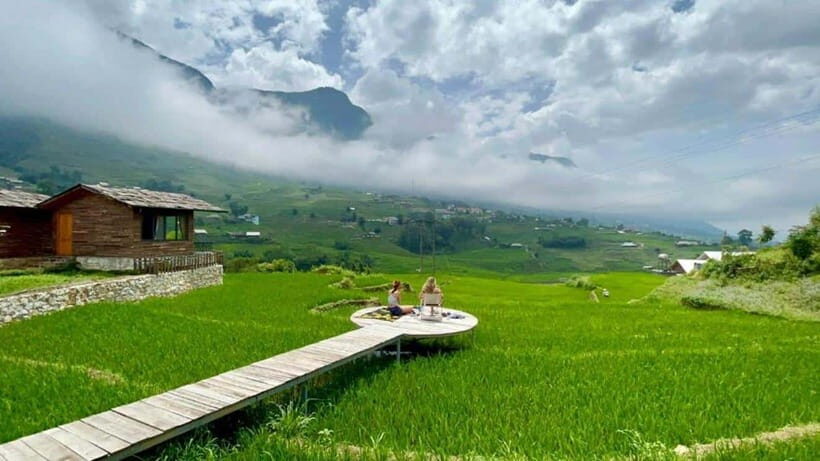
Day 2 continues the “valley to village” pattern, with less time wasted and more time in community spaces.
Breakfast at the homestay
You start with breakfast at the homestay. This matters because it keeps you from scrambling for food before you head out.
Trek to Giang Ta Chai: about 8 km
You’ll trek to Giang Ta Chai Village (listed as 8 km) and explore Red Dao traditions. This is where you’ll get a clearer sense of how traditions show up in daily life—how people dress, work, and interact. Even if you’re not focused on cultural details, the guide’s explanations make the village visits feel grounded instead of random.
Lunch, then return to Sapa and back to Hanoi
Lunch is at a local restaurant. Then you return to Sapa by car around 14:00–14:30, and head back to Hanoi. Drop-off in Hanoi is around 21:00–21:30 at Tran Quang Khai/Ly Thai To Street.
It’s a long final day. But it’s also a clear, structured day: walk, learn, eat, and head back before you’re too tired to enjoy the ride.
If you stay in central Sapa: Cat Cat Village and your Fansipan choice

On the central hotel route, Day 1 shifts into a more classic Sapa sightseeing rhythm.
Day 1: Cat Cat Village and Hmong culture
After pickup and arrival, you get lunch, check in, then head to Cat Cat Village. You’ll explore H’mong culture, see the Cat Cat waterfall, and visit a French-built hydroelectric plant.
One thing to keep in mind: Cat Cat is a place people often connect to “walk + views.” If you prefer a faster pace or lots of on-trail stops, go in expecting a more guided, structured outing rather than a free-form hike.
Dinner is self-arranged again.
Day 2: Fansipan Peak vs trekking option
Breakfast at the hotel starts Day 2. Then you pick one of two options:
- Option 1: Fansipan Peak via cable car (the cable car admission is not included)
- Option 2: Trek to Y Linh Ho, Lao Chai, and Ta Van (lunch at a local restaurant is included)
Cable car access can be affected by reality on the ground. The tour notes that Fansipan is frequently under maintenance for safety, and also that weather and traffic can change the order of activities. So I treat Fansipan as a “great if it works” bonus, not the foundation of your trip.
After your chosen option, you return to Sapa by car around 14:00–14:30, then depart to Hanoi, arriving about 21:00–21:30.
Hiking distances, comfort level, and how weather changes everything
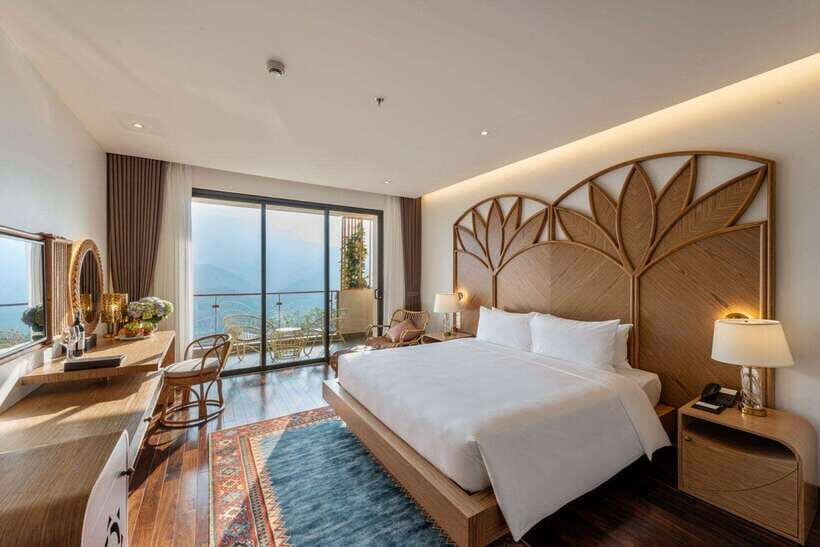
This tour is listed as an active 2-day program, but the key is that the trekking distances are specific on the homestay route.
- Day 1 trek: 6 km to Y Linh Ho, then 3 km to Lao Chai
- Day 2 trek: 8 km to Giang Ta Chai
That totals meaningful time on your feet. It’s not described as a technical climbing trip, but it is walking on mountain terrain, and conditions can change fast.
Bring rain gear and expect that paths can get slick if it’s been wet. Your packing list already includes warm clothing, and that’s a must in Sapa. Even with good weather, nights can be cool, and you’ll want layers.
Also keep in mind who this tour is for and who it isn’t. It’s not suitable for wheelchair users, and it’s also listed as not suitable for people with back problems and pregnant women. If your mobility is limited, you’ll want to look for a shorter or less walking-heavy option.
Price and value: what $109 includes, and what can cost extra
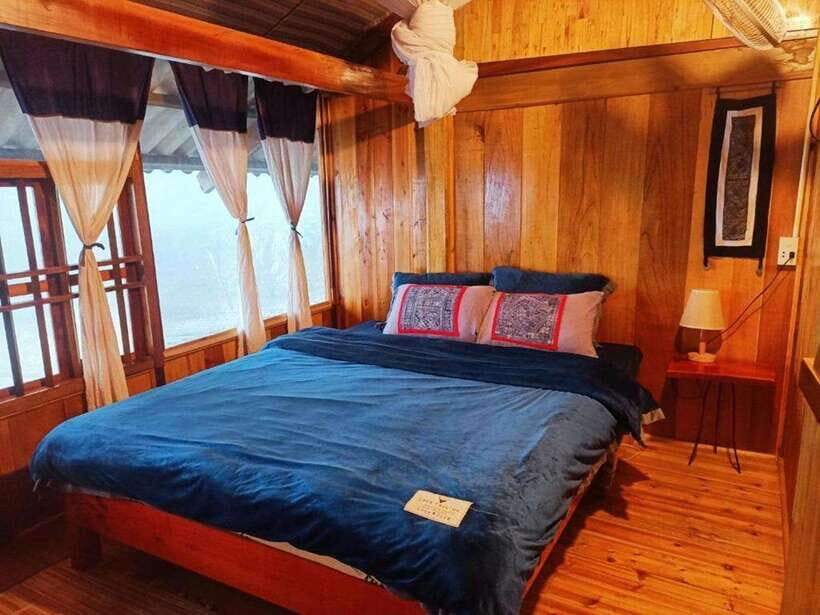
At $109 per person for a 2-day trip, you’re paying for more than the drive. You’re buying logistics plus a guided cultural trek plus one night of lodging, with meals partly covered.
What’s included (the value engine)
You get:
- Round-trip transportation Hanoi ↔ Sapa via DCAR Limousine
- 1-night accommodation (matching your selected package)
- English speaking local guide
- Admission to attractions
- Breakfast plus 2 lunches
- Bottled water and wet tissue
- Skip the ticket line
- Small-group experience (max 9)
That combo matters. In Sapa, the “hard part” is often not the scenery—it’s getting from place to place without wasting half your day. Here, most of the moving pieces are handled.
What’s not included (the budget gotchas)
You’ll pay extra for:
- Fansipan cable car admission (if you choose the Fansipan option)
- Single room supplement (mandatory if you’re traveling solo; the amount is detailed in each option)
- Holiday surcharges on specific dates (listed in the tour details)
- Personal expenses like souvenirs and snacks
- Dinner each day (it’s self-arranged)
Also note: accommodations and seating on the limousine are arranged by the tour organizer. That’s a small thing, but it helps when you don’t want to micromanage.
If you’re traveling during one of the holiday surcharge windows, double-check your final total, since that can swing your effective price.
What the guide experience feels like: more context than checklists
This is not just a “walk and point” kind of tour. The guide is included and is English-speaking, and the itinerary includes time in villages where explanations matter.
You’ll see places like Muong Hoa valley, Ancient Rock Beach, Cau May, and Giang Ta Chai, and you’ll hear about local traditions tied to ethnic communities like H’mong and Red Dao.
There’s also an interesting practical detail: the tour is set up so different route groups have different guides. That means you’re not stuck with a one-size-fits-all script. Instead, the guide can focus on the route you’re actually doing.
Who should book this Sapa tour—and who should pass
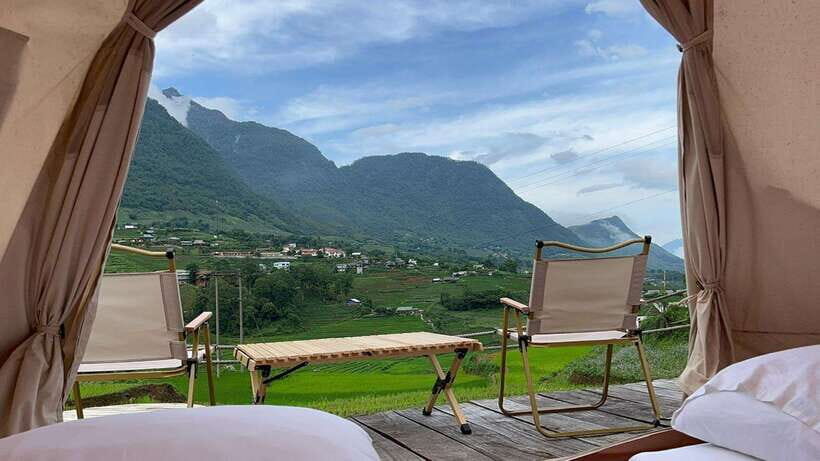
This works especially well if you want:
- A guided Sapa experience in a small group
- Time in terraced rice fields and villages, not only viewpoints
- A choice between homestay/bungalow (more village-centered) and central hotels (more town-centered)
- The option to try Fansipan if conditions allow
You should think twice if:
- You’re sensitive to long walking days (the homestay route includes 6+3 km and 8 km treks)
- You need wheelchair access or have mobility/back limitations (it’s listed as not suitable)
- You’re looking for guaranteed Fansipan cable car access (maintenance and weather can get in the way)
Should you book the DCAR 2-Day Sapa Adventure?
I’d book it if you want a well-run 2-day structure with real time walking and village visits, plus comfortable transport to make the long days feel manageable. The small group and the combination of guide-led trekking with a hands-on spring-roll cooking class on the homestay route are the kind of details that turn Sapa into more than a quick stop.
I’d be cautious if your whole trip hinges on Fansipan. Treat Fansipan as a possible win, not the main goal, because access can be affected.
If you’re okay with walking days, warm layers, and a realistic weather plan, this is a solid value way to see Sapa.
FAQ
What time do they pick me up in Hanoi?
Pickup from Hanoi Old Quarter is between 6:30 AM and 6:45 AM.
Is there a guide during the Hanoi to Sapa transfer?
No. The transfer between Hanoi and Sapa is provided without a tour guide.
How many people are in the group?
The tour is limited to a small group of up to 9 participants.
What language is the guide?
The tour includes an English speaking local guide.
What accommodation options are available?
You can choose an overnight in a 3-star hotel or homestay, a 4-star hotel or bungalow, or a 5-star hotel depending on the package you select.
How many meals are included?
You get breakfast and 2 lunches. Dinner is self-arranged.
Is Fansipan included?
Fansipan cable car admission is not included. There’s also a note that Fansipan may be inaccessible due to maintenance for safety.
What trekking distances are included on the homestay/bungalow route?
Day 1 includes a trek of about 6 km to Y Linh Ho and 3 km to Lao Chai. Day 2 includes an 8 km trek to Giang Ta Chai.
What should I bring?
Bring comfortable shoes, warm clothing, a camera, snacks, water, and rain gear.
Can I cancel for a refund?
Yes. You can cancel up to 24 hours in advance for a full refund.



More 2-Day Experiences in Hanoi
- Doris Cruise 5 star cruise 2 days visiting Halong Bay Lan Ha Bay private balcony
★ 5.0 · 2,338 reviews