REVIEW · HANOI
From Hanoi: Ban Gioc Waterfall – Local Villages 2nights/1day
Book on GetYourGuide →Operated by Vietnam Northern Travel · Bookable on GetYourGuide
Ban Gioc is the kind of waterfall you remember. This one-day route from Hanoi pairs Ban Gioc Waterfall with ethnic villages, a famous cave, and a calm monastery climb. I like how the day is packed but not frantic, and I also like the small-group feel where guides can handle photo stops and questions. One heads-up: you’ll spend real time on an overnight sleeper bus, and some cabins make sleep tough on winding roads.
The best part is the mix of nature and everyday life in Cao Bang. You’re not only chasing views—you’ll see how local people make paper, see life on stilt houses, and eat proper Cao Bang specialties. The itinerary also builds in a morning reset at a homestay (a couple of hours) so you don’t show up to waterfalls exhausted. Still, the cave walking and the monastery steps mean you should be comfortable on your feet.
You’ll also get a guide experience that changes how the trip feels. In this tour’s small groups, guides such as Quan, Tu, and Chau are repeatedly noted for explaining local traditions clearly and helping with photos. If you want Ban Gioc without stress, this is a strong format. If you’re going for a totally lazy day with zero exertion, you might prefer a slower stay in Cao Bang instead.
In This Review
- Key highlights worth planning for
- Hanoi to Cao Bang: the real start is the night bus
- Global Geopark roads and the craft-village morning
- Ngao Cave (Tiger Cave): natural shapes you can actually see
- Trúc Lâm Zen Monastery for the big-picture views
- Ban Gioc Waterfall: where you feel the force (and why timing matters)
- Food in Cao Bằng: breakfast you’ll remember, lunch you’ll look forward to
- Comfort, pacing, and why small groups matter here
- Price and value: what you’re really paying for
- What to bring and fitness notes for Ban Gioc day intensity
- Should you book this Hanoi to Ban Gioc route?
- FAQ
- How long is the experience?
- Where do I meet the tour operator in Hanoi?
- What’s included in the price?
- What is not included?
- Is there a boat tour included at Ban Gioc?
- How big is the group?
- What languages are available during the tour?
- What should I bring?
- Is the homestay air-conditioned?
- Who should avoid this tour?
Key highlights worth planning for
- Small group (max 8 people) means more room for questions, photo stops, and pacing.
- VIP sleeper bus from Hanoi plus a homestay break in Cao Bang helps you handle the long travel day.
- Global Geopark road scenery and ethnic village lanes add local texture beyond the falls.
- Ngao Cave, also called Tiger Cave is one of the most impressive natural stops on the route.
- Trúc Lâm Zen Monastery gives panoramic views over Ban Gioc and the border area.
- Ban Gioc Waterfall with an electric-car ride from the parking area puts you close without extra hassle.
Hanoi to Cao Bang: the real start is the night bus
This tour begins at My Đình Bus Station in Hanoi. You’ll meet your driver around 21:00, then board a VIP sleeper bus for the overnight ride to Cao Bằng City. The plan is simple: arrive early enough to start the day refreshed, not with a jet-lagged doom scroll of fatigue.
When you reach Cao Bằng, you get a quick reset at a homestay. The schedule calls for an early check-in and a 2-hour private room window so you can nap. Then you’ll head out for breakfast and the first big sights. This homestay stop is not a luxury hotel moment, but it’s a practical setup that keeps the day workable.
One note I’d take seriously: the sleeper bus is part of the experience package. Multiple people found it comfortable enough, but a few also said sleep can be difficult on the windy roads and you may feel tired the next day. If you’re someone who needs deep sleep to enjoy a full day, bring earplugs, and consider sleeping pills only if you already know how you react to them.
You can also read our reviews of more tours and experiences in Hanoi.


Global Geopark roads and the craft-village morning
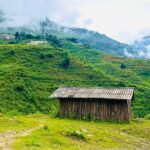
Once the day starts, the route shifts from transit mode into scenery mode fast. After breakfast, you’ll travel through a scenic stretch connected with the Global Geopark, heading toward Mã Phục Pass and then into village roads used by ethnic communities.
What I like about this part is that it doesn’t feel like a random drive-by. You get the sense of how the region works: roads bend around limestone and hills, small settlements appear, and you’re moving through the spaces locals actually use. The tour format makes it easy to stop for photos without turning it into a chaos jam.
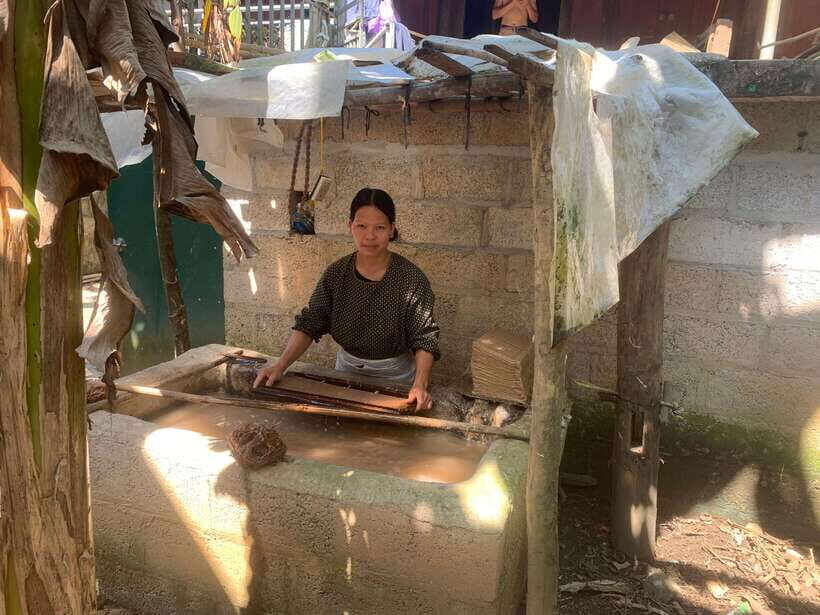
Next comes the craft stop. You’ll visit a paper craft village or a forging workshop linked to Cao Bằng traditions. The experience is hands-on in the way that matters: you can watch the process, learn how people make paper/forging, and see stilt houses that show you daily life at a glance. The best moments aren’t just watching. It’s asking why they do things a certain way, then realizing how much of the craft is tied to local materials and local needs.
If you care about culture over museum-style explanations, this is where the tour earns its keep. The waterfall is the headline, but the craft village is what helps you understand what you’re standing near.
Ngao Cave (Tiger Cave): natural shapes you can actually see
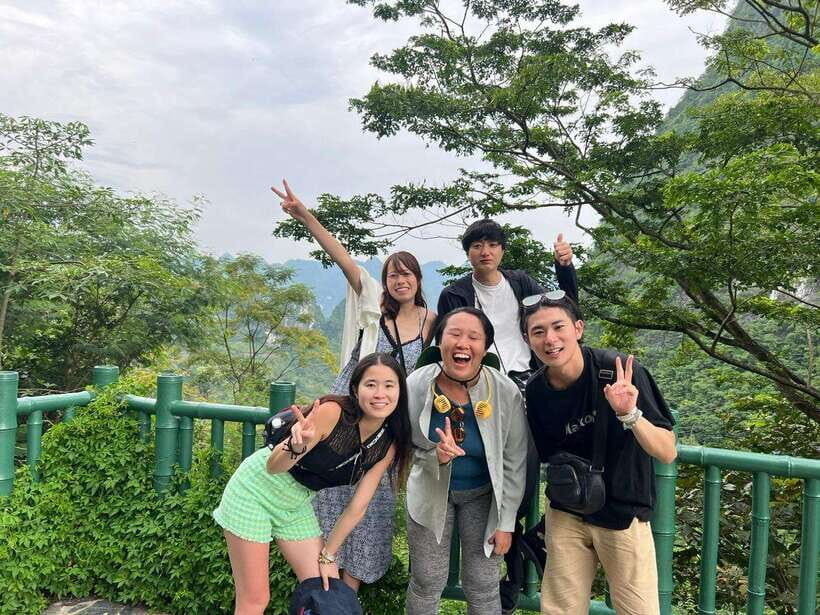
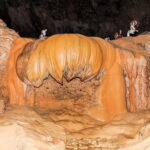
After the crafts, you’ll head to Ngao Cave, also called Tiger Cave. This stop is a classic “wow” moment, and it’s one of the reasons people keep praising the tour.
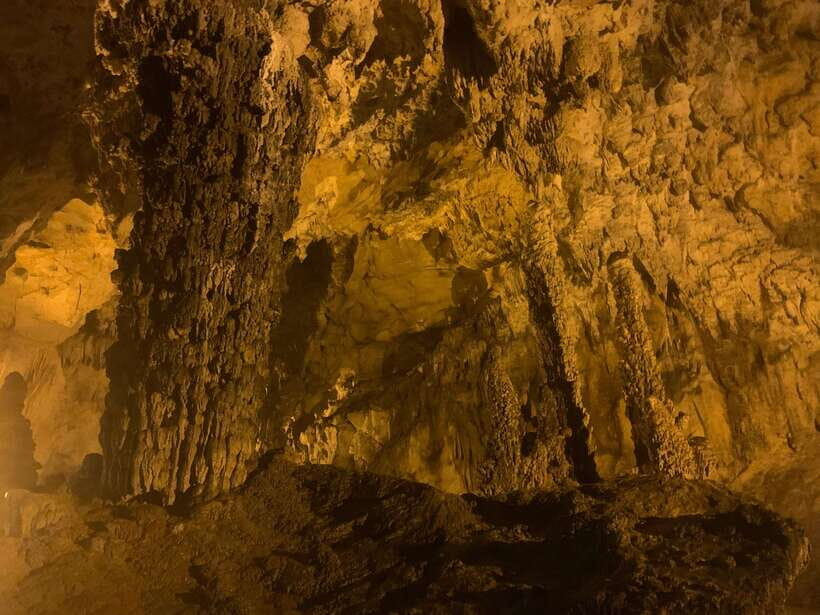
The cave retains a very natural look, with features formed over long time spans. You’ll see stone structures and stalactite shapes that guides often describe by what they resemble: tiger-like imagery, lotus shapes, boats, cactus forms, jellyfish-like forms, and more. Even if you don’t get every single shape right, the scale and the textures do the job.
A practical tip: wear shoes with good grip. Cave floors can be damp, and you don’t want to be thinking about traction while your attention should be on the formations. Also bring a light layer. Caves can feel cooler than the morning outside.
This part of the day works well because it’s a break from open-air walking. It also adds variety: you go from human craft to deep-time geology in one smooth swing.
Trúc Lâm Zen Monastery for the big-picture views
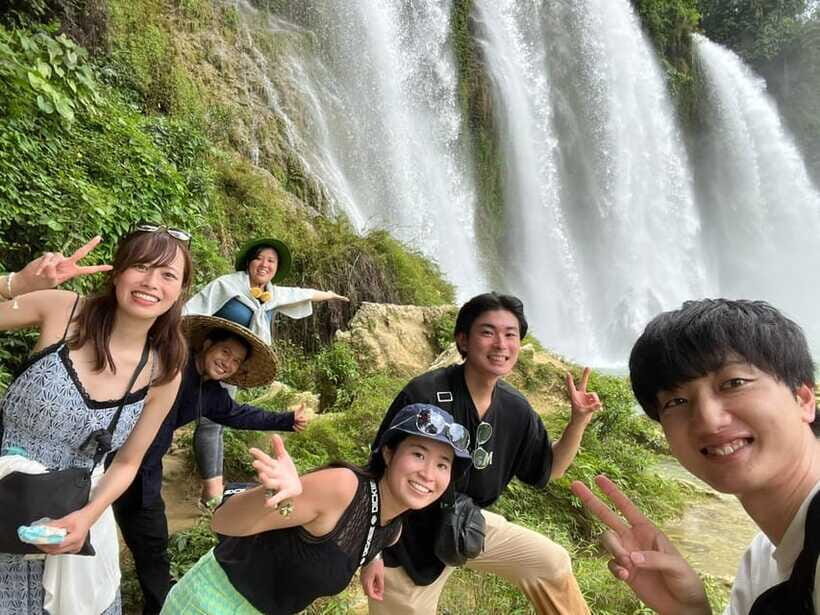
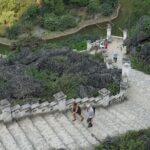
Next up is a climb at Trúc Lâm Zen Monastery. The idea here is simple: you move up, you look out, and you finally connect the region’s geography with what you’re about to see at the falls.
From the monastery area, you’re in position for panoramic views over Ban Gioc Waterfall and the interwoven view of mountains and river. The itinerary also mentions the Chinese Glass Bridge in the same view area, so you’re seeing the border landscape from a place designed for looking out.
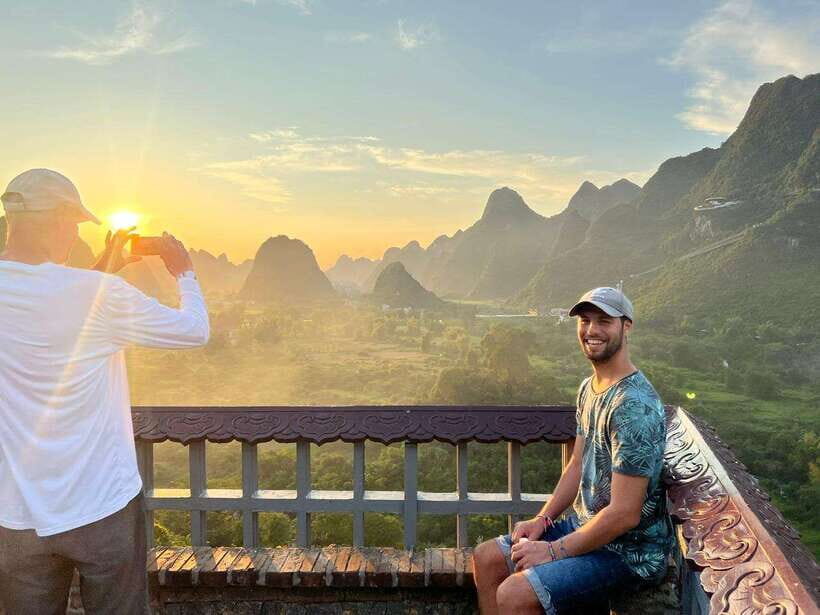
Then there’s the other side of the viewpoint: peaceful rice fields on the Vietnamese side. That contrast matters. Ban Gioc isn’t just water crashing down—it’s water moving through working farmland and steep terrain. The monastery climb helps you understand that the waterfall sits inside a living region, not a scenic postcard cut-out.
Don’t expect a long strenuous hike, but it is still a climb. If your legs are tired from the morning craft village, take it slow, pause often, and use the stops for photos when the breeze is at its best.
Ban Gioc Waterfall: where you feel the force (and why timing matters)
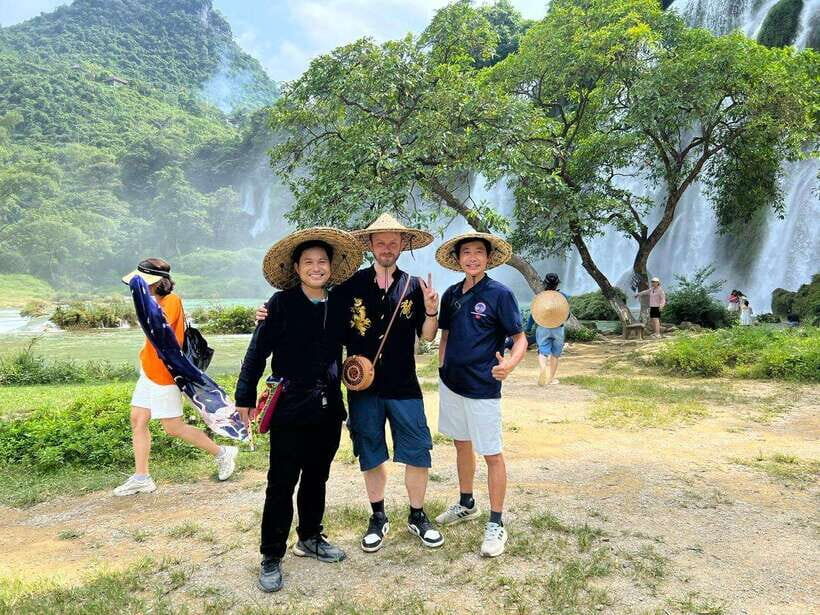
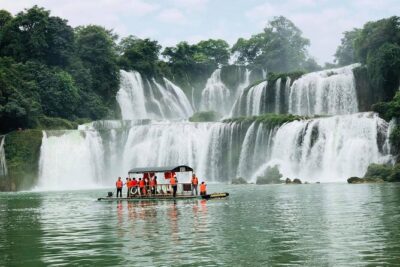
Then comes the star: Ban Gioc Waterfall (also known as Detian Falls). You’ll ride by car to the area and then take an electric car from the parking lot toward the waterfall viewing zone. That small detail matters because it saves energy right when you want it.
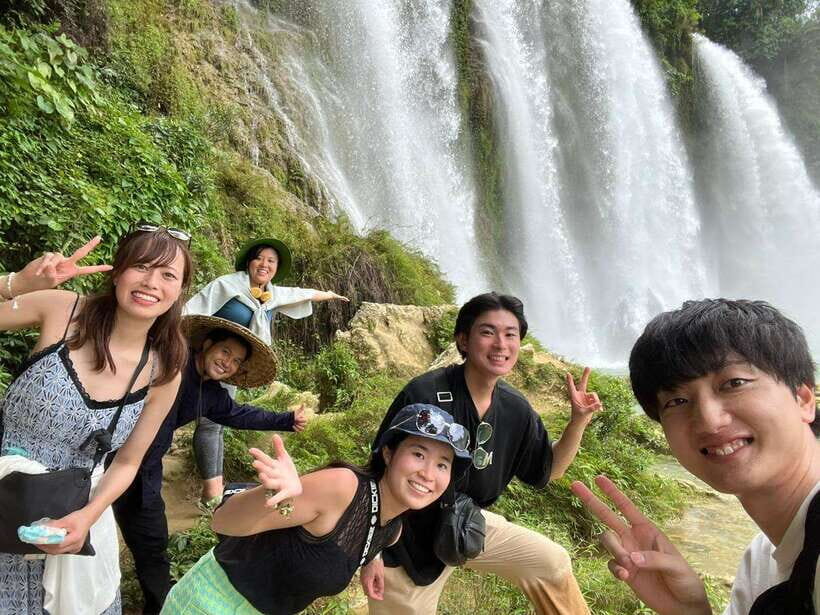
This is where the day can turn goosebump-fast. The waterfall drops from above and sheets down, with mist in the air and a cool breeze that hits when you get closer. The itinerary also points out that you can stand near the viewpoint where splashing water reaches people, and that there’s a border area in the river’s middle. That’s part of why Ban Gioc feels special: it’s not a fenced-off waterfall. It’s a shared feature with international geography right in front of you.
Two practical suggestions if you want the best photos and the best water experience:
- Aim to be at the waterfall earlier in the day when the flow can be heavier. Guides have repeatedly encouraged arriving sooner for better waterfall intensity.
- If you’re serious about photos, be ready to shift angles. The viewpoint changes your sense of scale.
One more thing: the tour data lists a boat tour on the river as not included. That means if you want the close-up, you’ll need to arrange it separately on-site. People who did a boat ride often called it worth it for getting right next to the action.
Also, keep in mind this region can have different weather patterns. Overcast skies and light drizzle show up in the experience notes, and the waterfall can look different in each condition. The best plan is to dress for damp air and still treat it like a photo day.



Food in Cao Bằng: breakfast you’ll remember, lunch you’ll look forward to
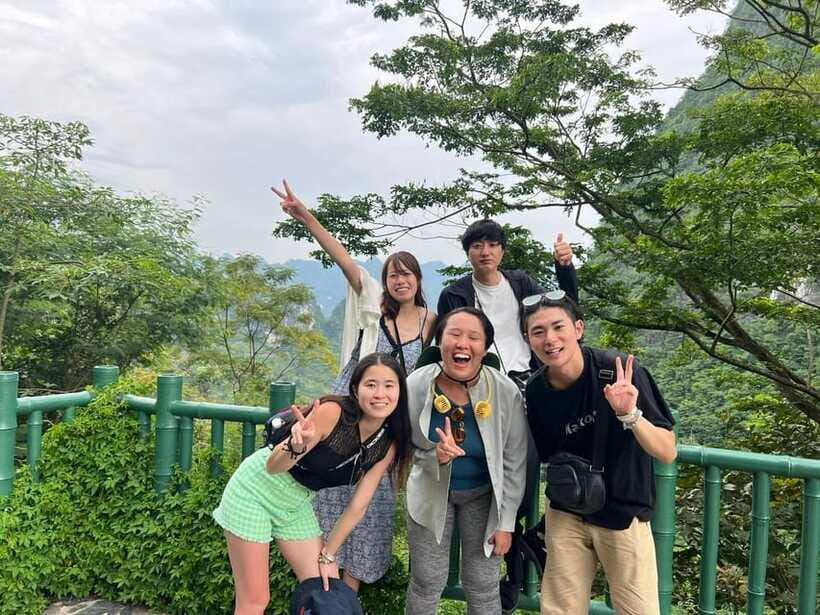
Food is not an afterthought on this route. The schedule includes one breakfast, one lunch, and one dinner, and the meals are built around Cao Bằng specialties.
Breakfast can include items such as Cao Bằng rice paper, duck noodle soup, and sour noodle. If you like trying new textures, this is the kind of meal that makes the region feel real. Lunch is served at Thác Bản Giốc Restaurant, where you’ll relax and refuel before the viewpoint and waterfall time.
Dinner happens back in the homestay area in Cao Bằng City. Many people also highlight that the food tastes good and is easy to eat, with a note that vegetarian needs can be handled. That last point is important if your diet isn’t flexible. If you have food needs, contact the operator ahead of time so the guide can plan.
Practical note: always carry a little cash for snacks if you want extras. The tour includes water during the trip, but having backup spending money keeps you comfortable when you feel like grabbing something on the road.
Comfort, pacing, and why small groups matter here
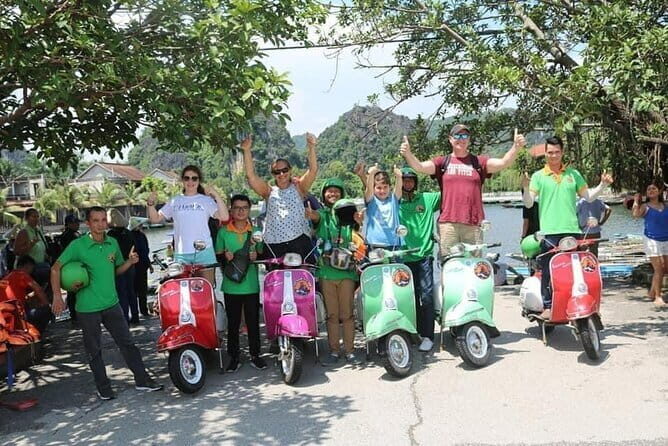
This is a small group tour, limited to 8 participants. That size changes the whole feel of the day. You’re not stuck behind a long line of people who all think the same photo angle exists at the same time.
You’ll have an English-speaking guided tour, with an audio guide available in multiple languages (English, German, Dutch, Spanish, and French). In the real world, this means you can ask questions and still get the main story without missing the moments that matter.
Several guides come up in the experience reports—Quan, Sen, Tu, Chau, Tian, and Nhat—and the common thread is responsiveness. People describe guides taking time to explain local culture, helping with photo setups, and adjusting to what individuals want. That flexibility is especially useful here because the day includes different types of sites: craft village, cave, monastery, and waterfall.
The biggest comfort downside is not the guide. It’s the overnight travel. If you get motion sick, plan for winding roads, and don’t assume you’ll sleep perfectly. Still, multiple people found the day pacing relaxed enough to enjoy each stop without feeling rushed.
Price and value: what you’re really paying for
The headline price is $147 per person, and that can sound either like a bargain or a splurge depending on what you’ve been paying for in Vietnam. Here’s how I’d judge it: this price includes more than a bus ticket.
Based on what’s listed as included, your money buys:
- Round transfer by VIP sleeper bus Hanoi to Cao Bằng and back
- Early homestay check-in for a 2-hour reset plus time to store luggage and rest
- A comfortable car for the main sightseeing route
- Meals: 1 breakfast, 1 lunch, 1 dinner
- English-speaking guide
- Entrance fees
- Electric car to reach the waterfall viewing area
- Water during the trip
- Tourist insurance listed as 100,000,000 VND per case
Not included items are also clearly stated. You’ll pay 10% VAT on the total price, and there’s service charge/insurance of 10 USD per person. Solo travelers have an extra 10 USD charge. The boat tour is not included, and there’s no hotel pickup in Hanoi. Upgrading to a sunroof car is also not included.
So is it worth it? If you factor in two big things—(1) the overnight transport setup and (2) the guided, entrance-included day routing—then $147 is usually fair for what you get. The best value is when you want to do Ban Gioc without building your own logistics from scratch.
What to bring and fitness notes for Ban Gioc day intensity
This tour is not built for everyone. The guidance is clear: you need strong health, and it’s not recommended for elders over 60. It also isn’t suitable for babies under 1 year.
Wear shoes for uneven surfaces. You’ll walk around the cave and climb at the monastery. Bring a layer for cooler air at the cave and misty conditions near the waterfall. If you’re visiting in warmer months, remember one experience note said the homestay may not have air conditioning. That doesn’t mean you’ll suffer, but it does mean you should plan for heat and humidity.
For documents, you need a passport and cash. Keep cash accessible since you may want snacks or optional activities like the boat ride.
And for the bus: bring earplugs, a sleep mask if you use one, and anything that makes long sitting more bearable.
Should you book this Hanoi to Ban Gioc route?
Book it if:
- You have limited time in Hanoi but want Ban Gioc plus caves and a monastery viewpoint
- You prefer a small-group day with an English guide and photo support
- You want hands-on culture time through paper craft and local village life
- You’d rather handle transport and entrances as part of a package than DIY in northern Vietnam
Skip it (or switch to a slower plan in the area) if:
- You hate overnight buses and you know you won’t function after poor sleep
- You need a fully low-walking day. Cave and monastery steps add effort.
- You want the boat experience included in the base price. It’s listed as not included, so you’ll need extra planning.
If your goal is one efficient shot at Cao Bằng’s best nature and culture, this format fits. Get ready for a long travel night, a full day of stops, and a Ban Gioc waterfall moment that feels bigger than photos.
FAQ
How long is the experience?
It’s listed as 1 day. The schedule also includes an overnight sleeper bus from Hanoi to Cao Bằng, and then another overnight sleeper bus return.
Where do I meet the tour operator in Hanoi?
You meet at My Đình Bus Station, by ticket counter number 11 inside the station building. The meeting time noted is 9:00 PM.
What’s included in the price?
Included items are the VIP sleeper bus transfers (Hanoi to Cao Bằng and back), early check-in at a homestay for 2 hours, car transport for the waterfall day, luggage storage and rest time, 1 breakfast, 1 lunch, 1 dinner, an English-speaking guide, entrance fees, electric car to the waterfall area, water during the trip, and tourist insurance (100,000,000 VND per case).
What is not included?
Not included: 10% VAT on the total price, service charge/insurance of 10 USD per person, boat tour on the river at Ban Gioc, hotel pickup from your Hanoi hotel, upgrade to a car with sunroof, and extra 10 USD for solo bookings.
Is there a boat tour included at Ban Gioc?
No. The boat tour is listed as not included.
How big is the group?
The tour is a small group limited to 8 participants.
What languages are available during the tour?
The guide is available in English and Vietnamese. An audio guide is listed for English, German, Dutch, Spanish, and French.
What should I bring?
Bring your passport and cash.
Is the homestay air-conditioned?
The provided information does not guarantee air conditioning. One experience note says the homestays didn’t have air conditioning, so you should plan for this possibility.
Who should avoid this tour?
It’s not recommended for people over 60 or those who don’t have strong health. It’s also not suitable for babies under 1 year.