REVIEW · HANOI
From Hanoi: 3-Day Guided Tour of Sapa with 3-Star Hotel
Book on GetYourGuide →Operated by Hanoi Foodie Trip · Bookable on GetYourGuide
Sapa gets real fast, then the views hit. This 3-day guided trip is a smart mix of village visits and guided trekking, with an English-speaking leader who can explain what you’re seeing as you move through H’mong and other ethnic communities. I like the Dragon Express sleeper bus experience for getting you up the mountain area without wasting a full day, and I also like how guide Khu (yes, that name comes up) helps connect the dots between costumes, homes, and the valley’s geography. One drawback to plan around: there’s real walking, and if you’re not up for long treks (the route can reach 9 km+), this may not be a good fit.
You’ll spend Day 1 in Cat Cat and Sin Chai, then Day 2 through Muong Hoa valley villages like Lao Chai and Ta Van, where terraced rice and streams do the talking. Day 3 gives you a choice between walking up Ham Rong Mountain or taking the cable car to Fansipan (your cable ticket is not included). The price is $160 per person, and the value comes from bundling round-trip transport, two nights in a 3-star hotel, meals, and entrance fees into one package.
In This Review
- Key things to know before you go
- The sleeper bus reality: comfort, timing, and motion
- Hanoi to Sapa: what changes once you’re in the mountains
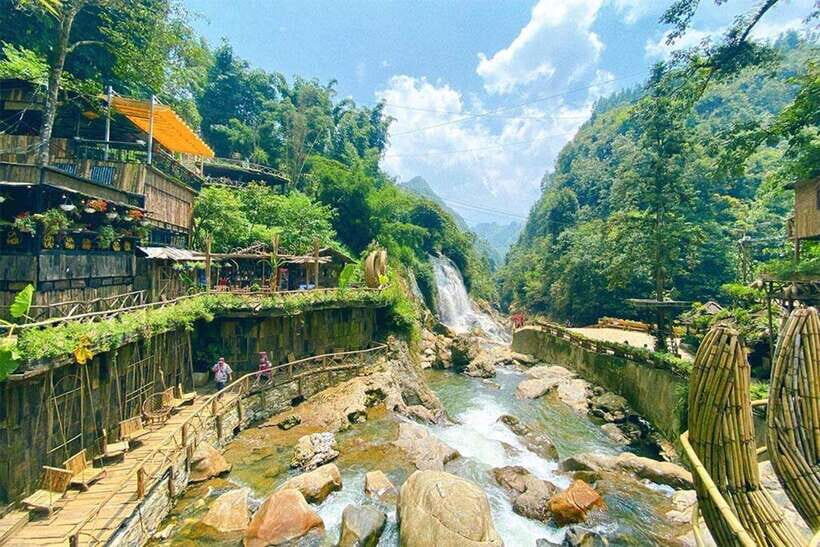
- Day 1 in Sapa: Cat Cat Village and a waterfall valley walk
- Day 2: trekking through Muong Hoa valley to Lao Chai and Ta Van
- Day 3: Ham Rong vs Fansipan cable car and the pagoda stop
- Option 1: walk up Ham Rong Mountain
- Option 2: take the cable car to Fansipan Mountain
- Hotels and meals: decent value, but quality can vary
- Getting value from $160: what you’re truly paying for
- Practical tips that keep the trip smooth
- Who this Sapa trip is best for
- Should you book this Sapa package?
- FAQ
- What does the $160 per person price include?
- Is pickup from Hanoi included?
- What villages does the tour include?
- How much walking is involved?
- What are the two options on Day 3?
- Is the Fansipan cable car ticket included?
- Will I have time to visit Sapa Market?
- Can I cancel for a full refund and pay later?
Key things to know before you go
- Dragon Express sleeper coach round-trip: door pickup/drop-off in Hanoi Old Quarter area, plus Hanoi–Sapa–Hanoi transport
- Cat Cat waterfall walk on Day 1: descent to the valley, bridge-and-waterfall photos, then the uphill return
- Sin Chai on Fansipan slopes: another chance to see daily life and traditional clothing up close
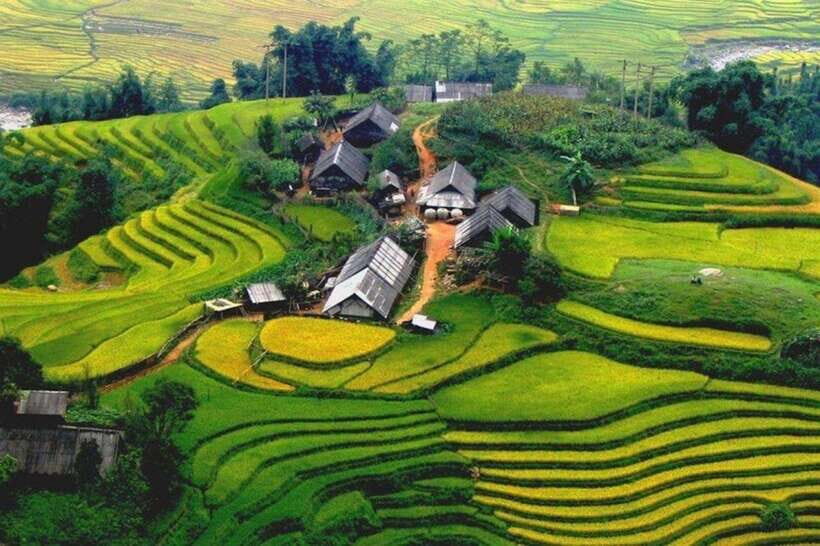
- Muong Hoa valley treks on Day 2: Lao Chai and Ta Van with terraced fields, streams, and short obstacles like a small tunnel/bridge
- Day 3 decision: Ham Rong on foot or Fansipan by cable car: cable ride option includes a pagoda visit
- Meals + entrance tickets included: 3 lunches, 2 dinners, 2 breakfasts, plus the listed entry fees
The sleeper bus reality: comfort, timing, and motion

This tour is built around a modern sleeper bus run by Dragon Express, which means you’re not stuck dealing with multiple transfers. Pickup is included from your Hanoi hotel in the Old Quarter area, and you’ll be dropped off the same way when you return to the city.
On the road, the ride tends to be much more manageable than you’d expect. The route is famously curvy and mountainous once you leave the lowlands, so expect motion, especially at night. One caution from past experience: some riders felt the driving style was too aggressive. That doesn’t mean every departure will be the same, but it’s a good mental note if you get carsick or you’re sensitive to fast turns.
A small tip that can improve your comfort: if the sleeper bus layout has different cabin options, it’s worth asking about getting a more private setup. That’s exactly the kind of practical upgrade that makes a big difference when you’re traveling overnight.
You can also read our reviews of more guided tours in Hanoi

Hanoi to Sapa: what changes once you’re in the mountains
The journey starts with a pickup from your hotel in Hanoi. You’ll head toward Sapa with a short break in Lao Cai City before continuing. Once you arrive, you’re not thrown straight onto a long hike—Day 1 includes time to check in and reset.
What you gain by arriving this way is simple: you can start seeing Sapa the same day rather than losing time to trains or multiple buses. The itinerary is designed so the first day feels like an orientation plus a cultural sampler, not just transit.
Day 1 in Sapa: Cat Cat Village and a waterfall valley walk

Day 1 is your entry point into Sapa’s ethnic communities and a good preview of the “valley life” you’ll see over the next two days.
After lunch, you check in to your 3-star hotel in Sapa Town (rooms are set for two people sharing). Then you head to Cat Cat Village—home to the Black H’mong community.
The walking part is the key event. You start near the village gate and follow your guide down toward the bottom of the valley, where you’ll reach a waterfall area. The route includes the classic bridge-and-waterfall photo stop, which is useful because you’re getting oriented on the terrain. Then you hike back uphill to return toward Sapa.
You’ll finish the day by continuing to Sin Chai, which sits on the slopes of Fansipan Mountain. This stop matters because it’s another slice of daily life—clothing, homes, and how people relate to the mountainside. Then you return to Sapa Town for dinner.
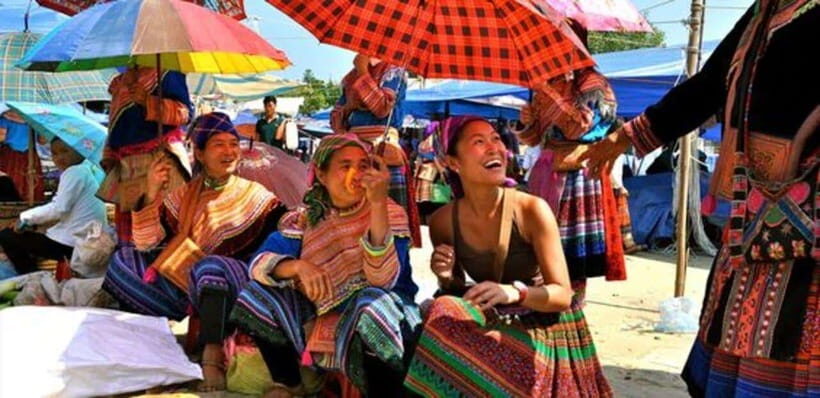
Day 1 also includes free time to explore Sapa Market. This is more than “shopping time.” You get to test what you like, see what locals sell, and pick up small necessities like snacks or water for the next day’s trek.
Practical note: bring warm clothing even if Hanoi feels mild when you leave. Sapa can feel cold quickly once the air changes.
Day 2: trekking through Muong Hoa valley to Lao Chai and Ta Van

Day 2 is where the tour shifts from sightseeing to active walking. After breakfast, you trek southeast along the slopes of Muong Hoa valley.
Your route starts with a village stop at Y Linh Ho (Black H’mong). This is the kind of place where you notice how a community lives with the terrain: paths, small crossings, and the way fields and water fit into everyday life. Then you continue on to Lao Chai, another H’mong village.
There’s a fun detail in the logistics of this day: you’ll pass through a small tunnel or cross over a small bridge as you enter the village area. It’s not about difficulty for its own sake—it’s about how paths are shaped by the valley, streams, and the need to connect homes to rice land.
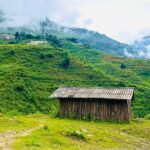
Lunch happens at Ta Van village, with time to rest. Then you keep moving through more local areas with terraced fields and streams, which are the real “signature” scenery of this region.
This day ends back in Sapa Town for dinner and sleep at the same 3-star hotel. If you’re planning your energy, think of Day 2 as the day that costs the most effort. It’s also the day that delivers the most “this is why people come” feeling.
One thing to watch: the tour notes that treks can reach 9 km or more, and it specifically says elderly, children, and pregnant women are not recommended for these longer walks. If that’s you, consider another style of Sapa tour with less walking.
Day 3: Ham Rong vs Fansipan cable car and the pagoda stop
Day 3 starts with breakfast and then you choose between two different ways to spend your morning.
You can also read our reviews of more tours and experiences in Hanoi




Option 1: walk up Ham Rong Mountain
If you pick this, you’re trading up-front effort for the satisfaction of earning viewpoints on foot. It’s a classic Sapa move: you work your way upward at a slower pace, and you’re more likely to stop whenever the air clears enough for photos.
Option 2: take the cable car to Fansipan Mountain
If you choose the cable car, it’s a quicker route to higher views, and you’ll also visit a pagoda. Do note the cost detail: Fansipan cable ticket isn’t included, so you’ll need to budget for that on the day.
Either option ends up with the same broader structure: lunch, check out of the hotel, then time at Sapa Market for sightseeing and shopping. Your ride back to Hanoi runs later that day, with the bus scheduled to return at 9 PM.
This “market time + late bus” is one reason this itinerary can feel efficient. You’re not dragged through town too early in the morning, and you’re still getting time to breathe before heading back.
Hotels and meals: decent value, but quality can vary

This package includes 2 nights at a 3-star hotel in Sapa Town, with two people sharing a room. In terms of value, that’s a big deal because it covers lodging for two nights without you hunting for hotels last minute.
That said, quality can be uneven. Some people found the hotel simple but perfectly fine for the price. Others reported serious problems like a very firm mattress and a window that didn’t close well when temperatures were low. The same split shows up in food experiences: meals are included, but one account mentioned the risk of food poisoning and another described food issues.
What should you do with that information? Go in with the mindset that this is a budget-friendly package, not a luxury stay. If you’re picky about bedding or climate control, you might want to pack a little for comfort (warm layers are the big one), and keep expectations grounded.
Also remember: beverages are not included. When you’re walking all day, dehydration sneaks up fast.
Getting value from $160: what you’re truly paying for

At $160 per person, you’re not just paying for “a couple tours.” You’re paying for a system:
- round-trip Hanoi–Sapa sleeper bus
- 2 nights in a 3-star hotel
- English-speaking guide during your Sapa days
- 3 lunches and 2 dinners plus 2 breakfasts
- entrance tickets aligned with the day’s plan
The best way to judge value is to price it yourself. If you tried to book separately—transport, lodging, guide support, entrance fees, and the meal plan—you’d likely spend more or lose time coordinating everything.
The main extra costs you should plan for are clear:
- Fansipan cable ticket (not included)
- beverages and any government tax (not included)
- single supplement if you need your own room
- travel insurance (not included)
Practical tips that keep the trip smooth
These are the kinds of details that help your days feel easier:
- Wear comfortable shoes with grip. The trekking days can involve uneven paths.
- Bring warm clothing, and also a hat and sunscreen. Cold mornings plus sun at altitude is a real combo.
- Bring water. The tour specifically tells you to.
- Use cash in Vietnamese Dong. Sapa banking can be unreliable, and USD/EUR/Australian dollars are accepted.
- If you have specific dietary needs, tell the booking team in advance. The tour says you should inform them at booking.
One more “behavior” note: smoking and alcohol/drugs aren’t allowed on the tour.
Who this Sapa trip is best for
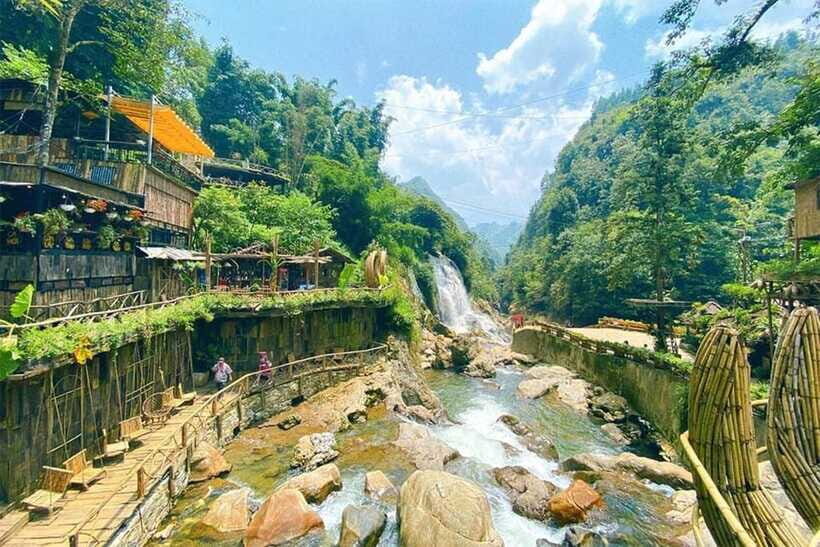
This tour works well if you want a guided, structured Sapa visit with the classic village sequence: Cat Cat, Sin Chai, Lao Chai, and Ta Van.
It’s also a strong match for:
- people who want English guidance rather than navigating on your own
- travelers who prefer value bundles over piecing everything together
- couples or friends comfortable with shared rooms and moderate trekking
It’s not a great fit if you:
- need minimal walking (Day 2 can involve long treks)
- are pregnant or traveling with children/elderly who may not handle 9 km+ trekking
- need wheelchair-friendly access (this one is not suitable for wheelchair users)
Should you book this Sapa package?
If you want an efficient first trip to Sapa—villages, terraced fields, and two different ways to handle Day 3 viewpoints—this itinerary is a solid choice. The value comes from combining transport, lodging, meals, and entrances into one price, and the tour structure keeps you moving rather than waiting around all day.
I’d book it if:
- you’re okay with a basic 3-star hotel
- you can handle real walking days and cool mountain weather
- you want the convenience of a guided route and clear day-by-day timing
I’d skip it (or choose a different style) if:
- you’re very sensitive to driving motion or road safety concerns
- you expect hotel-level comfort, not simple budget lodging
- your schedule or health can’t match longer treks
FAQ
What does the $160 per person price include?
It includes the sleeping bus ticket (Hanoi to Sapa and back), an English-speaking tour guide during the Sapa days, 2 nights in a 3-star hotel in Sapa Town with 2 people sharing per room, 3 lunches, 2 dinners, 2 breakfasts, and all entrance tickets listed in the itinerary. Government tax and beverages are not included.
Is pickup from Hanoi included?
Yes. Pickup is included from your chosen stay in the Hanoi Old Quarter area, and you’ll also be dropped off there when you return.
What villages does the tour include?
You visit Cat Cat Village and Sin Chai on Day 1, then Y Linh Ho and Lao Chai on Day 2, with lunch in Ta Van Village and more time in local village areas around the terraced fields.
How much walking is involved?
There is trekking on Days 1 and 2, and the tour notes that long treks can be 9 kilometers or more. The tour is not recommended for elderly people, children, or pregnant women due to the trekking length.
What are the two options on Day 3?
You can either walk to explore Ham Rong Mountain or take the cable car to Fansipan Mountain. The Fansipan option also includes visiting a pagoda.
Is the Fansipan cable car ticket included?
No. The Fansipan cable ticket is specifically not included.
Will I have time to visit Sapa Market?
Yes. Day 1 includes free time to explore Sapa Market after dinner, and Day 3 includes time for visiting and shopping at Sapa Market after check out and lunch.
Can I cancel for a full refund and pay later?
Yes. The tour offers free cancellation up to 24 hours in advance for a full refund, and it also has a reserve now & pay later option where you pay nothing today.



More Guided Tours in Hanoi
More Tours in Hanoi
- Ninh Binh Full-Day Tour from Hanoi to Hoa Lu, Tam Coc & Mua Cave Via Boat & Bike
★ 5.0 · 4,384 reviews