REVIEW · HANOI
From Hanoi: 2-Day Sapa Cultural Exchange Tour with Homestay
Book on GetYourGuide →Operated by VIETNAM OPENTOUR CO LTD · Bookable on GetYourGuide
This is a 2-day Sapa cultural exchange built around one of the area’s best combinations: Muong Hoa Valley trekking and sleeping at a Dzay homestay in Ta Van. I like that you start with comfort getting out of Hanoi, then spend the daylight time where it matters—rice paddies, villages, and real family meals.
Two other reasons I’d put this tour on your shortlist: the schedule keeps things practical (pickup, food, transport lined up), and the group stays small, capped at 15 people. One caution: Sapa weather can make the views less dramatic—fog in winter and rain can also turn some sections slick.
In This Review
- Key highlights you’ll actually feel
- Sleeping bus from Hanoi: comfort that buys you energy
- Lunch in Sapa, then the Y Linh Lo trek through Muong Hoa Valley
- A practical note on footwear
- Ta Van and the Dzay family: the part that feels most real
- The communication moment
- Who might want to skip homestays
- Day 2: 4 km trek, bamboo forest, bridge views, and red Dzao villages
- Rain can change the tone
- Back to Sapa town and the ride to Hanoi
- Price and value: why $100 can make sense here
- Guide quality: the difference between seeing places and understanding them
- Timing, weather, and what to pack so you’re not miserable
- Who this tour fits best (and who should pass)
- Should you book this Sapa cultural exchange with homestay?
- FAQ
- How long is the Sapa Cultural Exchange Tour with Homestay?
- Where does the pickup happen in Hanoi?
- What time will we arrive in Sapa?
- How far is the trekking on Day 2?
- Where do we stay overnight?
- What meals are included?
- Is the homestay bathroom comfortable?
- Is there an English-speaking guide?
- What should I bring for Sapa’s weather?
- Is this tour suitable for children or pregnancy?
Key highlights you’ll actually feel

- Sleeping bus + air-conditioned transport takes the strain off a long day
- Downhill Muong Hoa Valley trek with village stops and rice-field scenery
- Ta Van homestay with a Dzay family for a truly lived-in night
- A second day that stays scenic and photo-friendly, including bamboo forest time
- English-speaking guide who helps connect the dots on daily life in the region
Sleeping bus from Hanoi: comfort that buys you energy

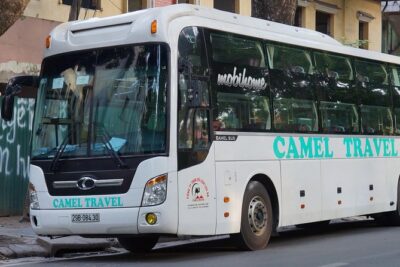
Your day starts with pickup in the Hanoi Old Quarter area (Hoan Kiem district). If you’re near the meeting point, it’s listed at 204 Tran Quang Khai Street, near Hong Ha Hotel. Then you’ll board the sleeping bus and head to Sapa, with a couple of comfort breaks along the way.
This part matters because Sapa is a grind if you’re tired. The sleeping bus setup helps you arrive around lunchtime without feeling like you’ve burned your whole day just getting there. It’s also air-conditioned for the ride between Hanoi and Sapa, which helps when the weather is cold.
One thing to keep in mind: the tour can’t control traffic or road conditions, and the itinerary may shift due to operating conditions. It’s best to treat the bus plan as your baseline, not a rigid minute-by-minute promise.
You can also read our reviews of more tours and experiences in Hanoi


Lunch in Sapa, then the Y Linh Lo trek through Muong Hoa Valley
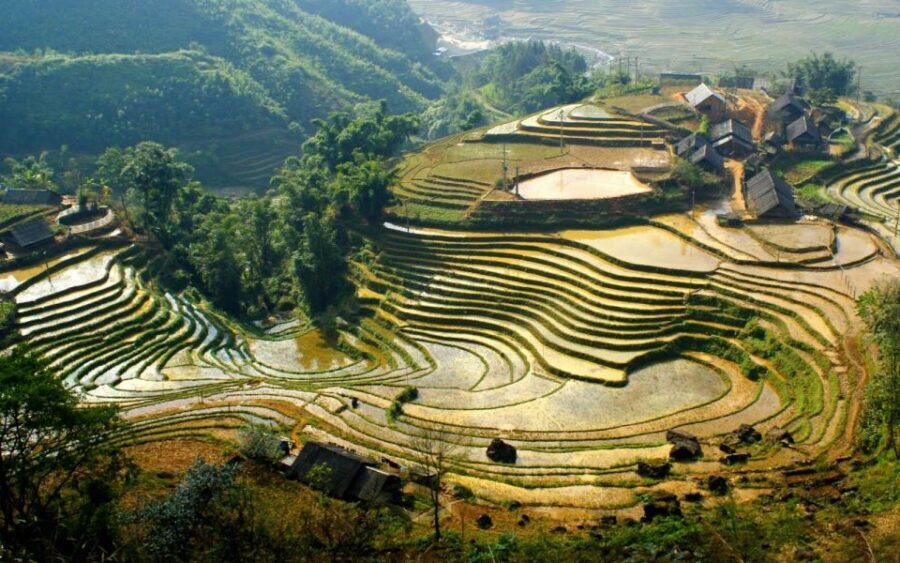
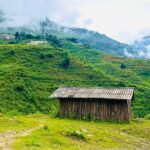
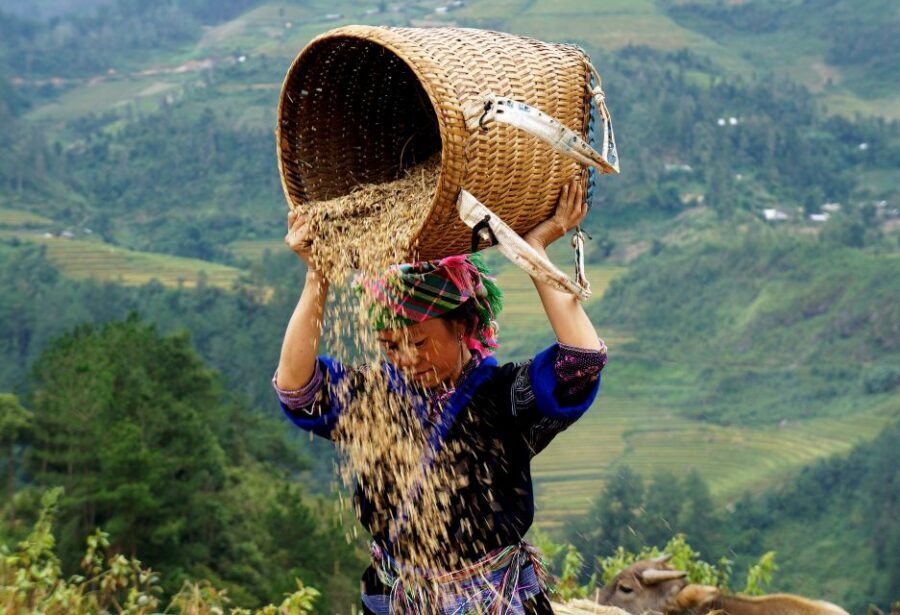
After lunch in Sapa, your first hike starts with a trek toward Y Linh Lo. You’ll move downhill through the Muong Hoa Valley, passing rice paddies and small hamlets along the way.
What I like about this first-day structure is that it feels like a gentle introduction to the region rather than a random sequence of checkpoints. You’re not just walking for exercise—you’re walking while your guide points out how people live in these terraced valleys, and you get to see the farmland that drives the local economy.
This trek also reaches the village zone that’s central to the tour: you continue toward Ta Van, a place settled by the Dzay people and often considered the most beautiful area in the region. Expect a mix of path types: some stretches are straightforward, but others can be muddy or slippery, especially if it has rained.
A practical note on footwear
The tour info is clear about warm clothing, but it also matters that you wear real traction shoes. People specifically call out slippery conditions, so don’t show up in thin sneakers and hope for the best. Even if the hike is not described as extremely technical, a wet trail can turn it into a balancing act.
Ta Van and the Dzay family: the part that feels most real
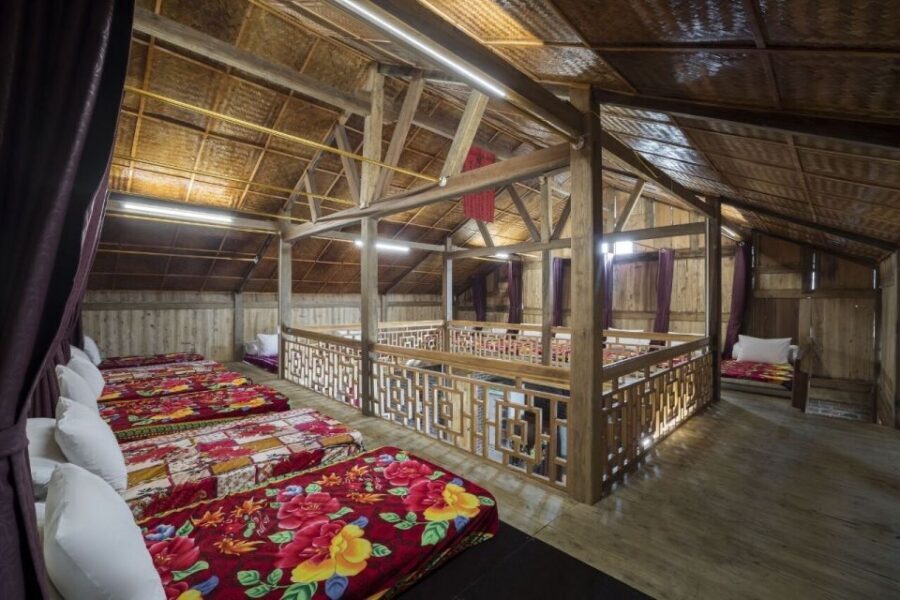
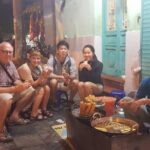
Overnight is the core of this experience. You’ll stay with a local family in Ta Van village, and the focus is on Dzay culture. After you reach Ta Van, you’ll meet your host family and spend the night there.
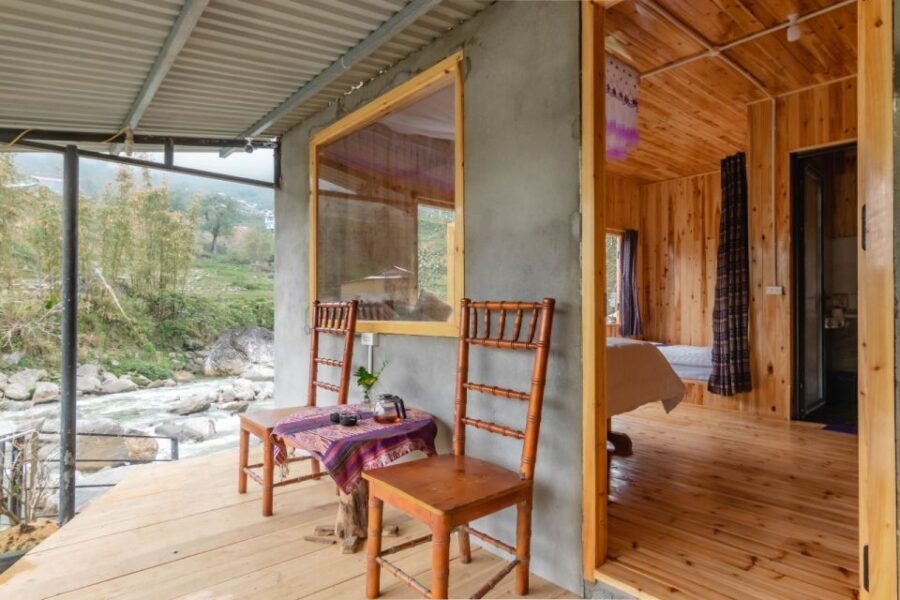
This is where the tour earns its cultural-exchange label. You’re not just looking at villages from a distance. You’re eating and sleeping in the same space rhythm as the household you’re visiting. The included meals help a lot here: you get 1 dinner, and the next morning starts with breakfast prepared by the family.
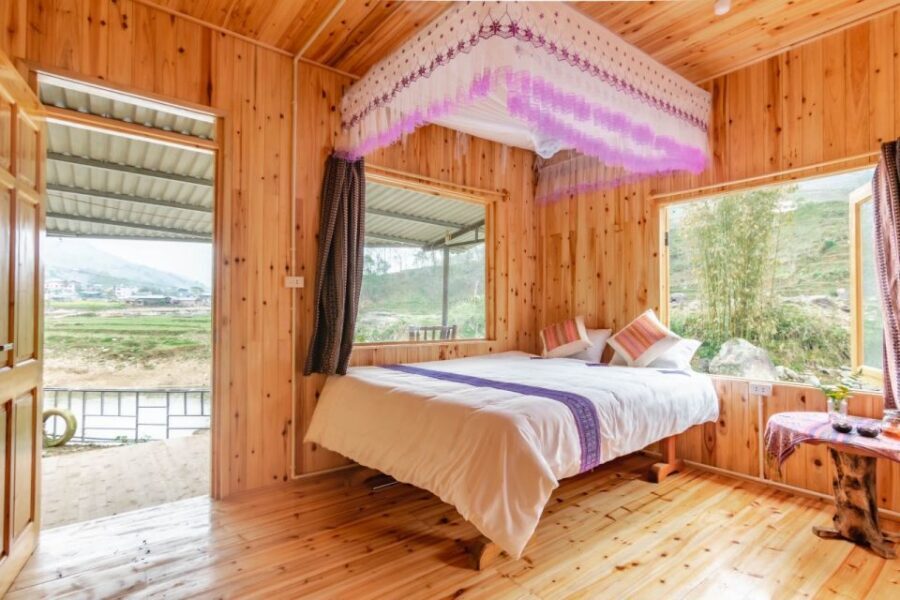
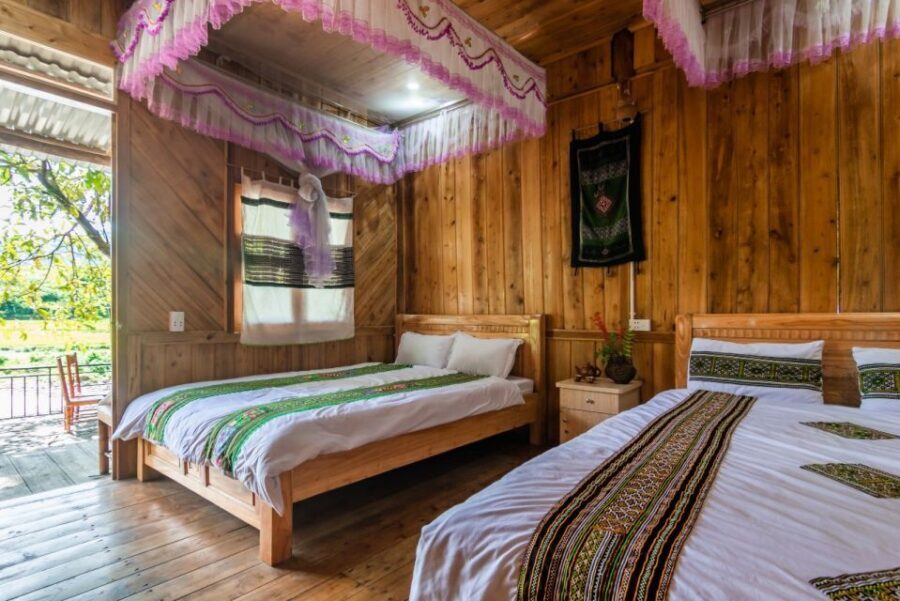
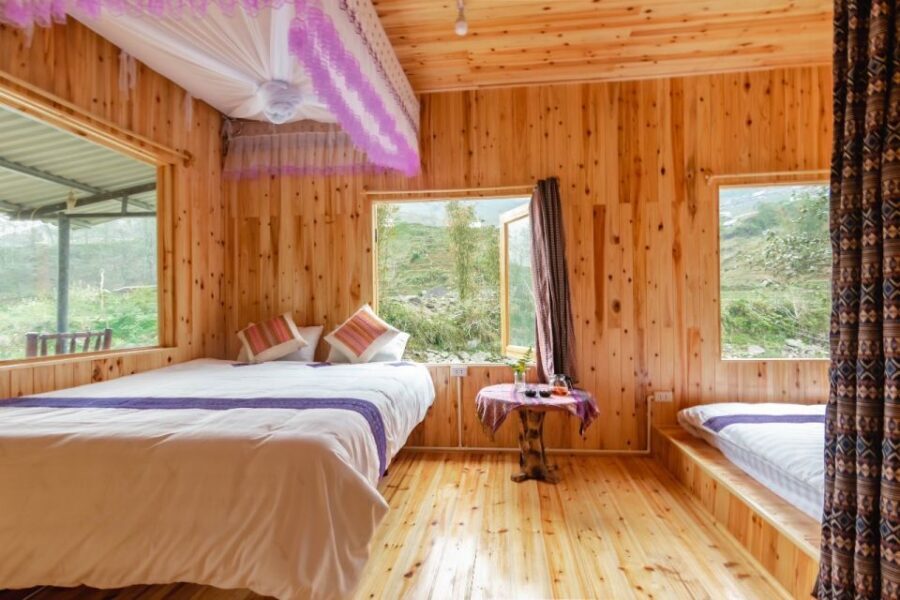
The homestay setup is basic. You’ll have a single basic bed with a mosquito net, and there’s a public bathroom with hot water. That combination is a good sign: you’ll be comfortable enough to recover, while still experiencing something simpler than a hotel.
The communication moment
During the trek day, you’ll also spend time around Lao Chai village, where you have a chance for communication with local villagers. It’s not presented as a scripted performance. It’s more like a chance to connect, ask questions, and see everyday life up close.
From guides to hosting families, this tour depends on people being patient with questions. If you’re curious and willing to slow down, you’ll get more out of those moments.





Who might want to skip homestays
If you’re expecting hotel-style comfort, lower your expectations now. Facilities are described as basic and simple. Also, the tour isn’t suitable for people with limited mobility, and it’s not listed as suitable for children under 6 or pregnant women.
Day 2: 4 km trek, bamboo forest, bridge views, and red Dzao villages
Day 2 starts with breakfast at the homestay, then you head out for a second trek. This segment is described as 4 km and about 2 hours.
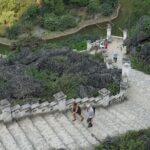
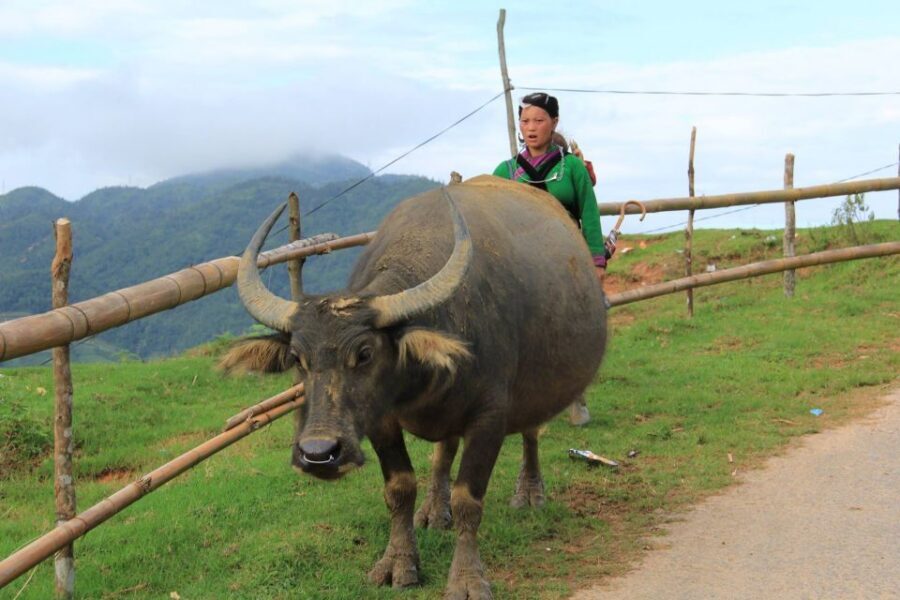
It’s a shorter day, which I like because it gives you time to absorb the first day rather than staying on the move nonstop. You’ll start toward the rice paddies, where you’ll have good opportunities for photos of the surrounding scenery. Then you walk through a bamboo forest, which adds a nice change of pace from open fields.
After that, you get a panoramic viewpoint of Giang Ta Chai village, home of the red Dzao people. The tour continues via the Ciang Ta Chai Bridge to the main road.
Rain can change the tone
The route is scenic, but conditions matter. There are mentions of rain making the second-day trek feel more dangerous. That doesn’t mean you should avoid the tour, but it does mean you should treat the weather seriously and bring the right gear. If you arrive on a foggy day, the viewpoints may be less dramatic than you’d hope.
The good news is that this tour stays active without being exhausting. Even when conditions are imperfect, it’s still a meaningful two-day circuit.
Back to Sapa town and the ride to Hanoi
Once you reach the main road, a bus picks you up and takes you back into Sapa town. You’ll have time to shower at your hotel, check out, grab a bite to eat, and relax until everyone is ready to depart.
Then it’s the return ride to Hanoi with two comfort breaks. You’ll be dropped off back near Tran Quang Khai street—the same general area where pickup is based.
This flow is useful for planning. You’re not fighting to find transport at the end of a hike. You’re also not trying to squeeze extra activities into the last few hours. You’ll be tired, so it helps that the tour closes the loop for you.
Price and value: why $100 can make sense here
At $100 per person for 2 days, this isn’t a budget backpacking DIY trip. But it also isn’t just paying for transportation. You’re paying for the whole package:
- Return transport from Hanoi on air-conditioned bus, plus a sleeping bus outbound
- Hotel pickup and drop-off
- English-speaking guide
- Meals: 1 breakfast, 2 lunches, 1 dinner
- Homestay bed with mosquito net
- Basic hot-water bathroom access at the homestay
The value is strongest if you don’t want to plan logistics: pickup locations, meal stops, and the homestay arrangement are handled. If you’ve got decent Vietnamese and are comfortable arranging treks on your own, you might be able to do it cheaper. But most people who choose this tour are buying time and reducing stress.
Also, the small group size (limited to 15) matters more than it sounds. On treks, group size affects pacing, photo moments, and how much your guide can actually help.
Guide quality: the difference between seeing places and understanding them
This kind of trip lives or dies by the guide’s ability to connect walking time with meaning. You’ll have a live guide in English. Names that pop up in the feedback include Chun, Lala, Cheng, Lily, Sung, and Za, and what stands out is consistency: people describe guides as friendly, attentive, and willing to answer questions.
That’s what you should look for. On the trail, the scenery is the obvious part. The understanding comes from the way your guide explains culture, village life, and what you’re seeing as you pass rice terraces and hamlets.
Even better, some guides help with practical things like taking photos, which turns “quick picture stops” into something you’ll remember later.
Timing, weather, and what to pack so you’re not miserable
Sapa is known for cold weather from September to March, and fog is common from December to March. Weather in general can be unpredictable, and visibility can take a hit when clouds roll in.
So plan for comfort, not just warmth:
- Warm clothing (a warm jacket, scarf, and a hat are specifically recommended)
- Comfortable shoes with grip
- Cash in Vietnam Dong, since banking systems in Sapa sometimes don’t work well
- Passport or ID card
A small but important reality check: if you’re traveling in the foggy months, don’t assume every viewpoint will look postcard-perfect. You might still love the walk and village atmosphere, but your best photos depend on the sky cooperating.
Who this tour fits best (and who should pass)
This experience is a good match if you:
- Want a 2-day Sapa plan that’s set up for you from Hanoi to Ta Van
- Like cultural conversation as much as walking
- Are comfortable with basic homestay facilities
- Prefer a small group with an English guide
It’s not a fit if you need:
- Limited mobility accommodations
- Travel suited for pregnancy
- A tour that works for children under 6
If you’re somewhere in the middle—comfortable walking but not thrilled by cold weather—this is still workable with the right gear. Just don’t underpack.
Should you book this Sapa cultural exchange with homestay?
If you want more than a “see Sapa from a bus window” trip, I’d book it. The combination of Muong Hoa Valley trekking plus a night in Ta Van with a Dzay family is the real reason this tour exists, and that’s what most people end up valuing most.
Book with confidence if you’re flexible on weather and willing to walk on trails that may be slippery after rain. Also, bring cash and warm layers so logistics don’t distract you from the walking and cultural moments.
Skip it if you’re expecting hotel comfort, need mobility support, or want a totally easy stroll with guaranteed big views. This is a cultural trek with real countryside time, not a polished city tour.
FAQ
How long is the Sapa Cultural Exchange Tour with Homestay?
It’s a 2-day tour.
Where does the pickup happen in Hanoi?
Pickup is available from hotels in the Hoan Kiem district area, and there’s also a listed meeting point at 204 Tran Quang Khai Street, near Hong Ha Hotel.
What time will we arrive in Sapa?
You’ll arrive around lunchtime after pickup and travel, though exact timing can vary.
How far is the trekking on Day 2?
Day 2 includes a 4 km trek that takes about 2 hours.
Where do we stay overnight?
You stay overnight in Ta Van village with a local family from the Dzay people.
What meals are included?
The tour includes 1 breakfast, 2 lunches, and 1 dinner.
Is the homestay bathroom comfortable?
Homestays have basic facilities, but there is a public bathroom with hot water.
Is there an English-speaking guide?
Yes, the tour includes a live tour guide in English.
What should I bring for Sapa’s weather?
Bring a passport or ID card, comfortable shoes, warm clothing (warm jacket, scarf, hat), comfortable clothes, and cash.
Is this tour suitable for children or pregnancy?
It’s not suitable for children under 6, and it’s not listed as suitable for pregnant women. It also isn’t suitable for people with mobility impairments.

More 2-Day Experiences in Hanoi
- Doris Cruise 5 star cruise 2 days visiting Halong Bay Lan Ha Bay private balcony
★ 5.0 · 2,338 reviews


More Tours in Hanoi
- Ninh Binh Full-Day Tour from Hanoi to Hoa Lu, Tam Coc & Mua Cave Via Boat & Bike
★ 5.0 · 4,384 reviews