REVIEW · HANOI
Explore Mai Chau – Pu Luong 3 days 2 nights
Book on Viator →Operated by Eco Travel Go Green VietNam · Bookable on Viator
Rice terraces and stilt-house stories await.
This 3-day, 2-night trip is a practical way to see northern Vietnam’s Thai and Muong communities, plus the big scenery hits around Mai Chau and Pu Luong. You get guided visits, short hikes, and set moments to slow down—so it feels like culture plus nature, not just a bus tour.
I especially liked the way the days are paced: a market and stilt-house day, a more relaxed nature-reserve stop with time at an infinity pool, then a trek to viewpoints and Kho Muong Village plus Bat Cave. Another strong point is value: you’re covered for round-trip hotel transport (Old Quarter), accommodations, and most meals (2 breakfasts, 3 lunches), with a bottle of water per person per day.
One thing to consider: the tour is marketed as English speaking, but language quality can vary. In one instance, the guide named Double reportedly had limited English, so if you need very clear English, I’d ask the operator what to expect before you go.
In This Review
- Key highlights worth getting excited about
- From Hanoi to Mai Chau: the ride that sets the tone
- Mai Chau Trek Day 1: Muong market, Thai stilt houses, and Thung Khe Pass
- Pu Luong Eco Garden Day 2: an infinity pool break that doesn’t feel forced
- Kho Muong Village and Bat Cave Day 3: 6 hours of rice-terrace viewpoints
- What’s included for $234.67: value that shows up in the details
- Group size, guide language, and pace: what you should expect
- When to go and how to pack for Pu Luong treks
- Who this Mai Chau–Pu Luong tour fits best
- Should you book? My straight take
- FAQ
- What’s the duration of the Mai Chau – Pu Luong tour?
- What time does the pickup happen in Hanoi?
- How big is the group?
- What’s included in the price?
- What isn’t included?
- What’s the weather situation?
- Is free cancellation available?
- Are service animals allowed?
Key highlights worth getting excited about

- Hotel pickup in Hanoi Old Quarter at 7:00 am to start the journey with less hassle
- Mai Chau stilt-house lunch plus cultural stops like a Muong market and Thai stilt houses
- Thung Khe Pass viewpoints for those wide, camera-friendly breaks
- Pu Luong Eco Garden with luggage drop-off and time at an infinity pool
- Kho Muong Village & Bat Cave trek built around long viewpoint moments
- Max 15 people for a more manageable group size
From Hanoi to Mai Chau: the ride that sets the tone
Leaving Hanoi for Mai Chau and Pu Luong is one of those trips where logistics matter. The pickup is in the Hanoi Old Quarter, and the start time is a straightforward 7:00 am. That matters because long-distance travel in northern Vietnam often eats half the day unless someone else handles the schedule for you.
Once you’re on the road, the trip’s theme becomes clear: minority cultures in the valley, and nature that looks good even before you reach the main viewpoints. The itinerary doesn’t waste time with “photo stops” that feel random. Instead, it builds toward places where locals live and work—like a Muong market—and toward viewpoints such as Thung Khe Pass that give you instant context for why people settled here in the first place.
Also, I like that this isn’t an all-day hike marathon. You’ll do walking days, yes, but the structure gives you enough breaks to enjoy what you’re seeing rather than just surviving the schedule.
You can also read our reviews of more tours and experiences in Hanoi


Mai Chau Trek Day 1: Muong market, Thai stilt houses, and Thung Khe Pass
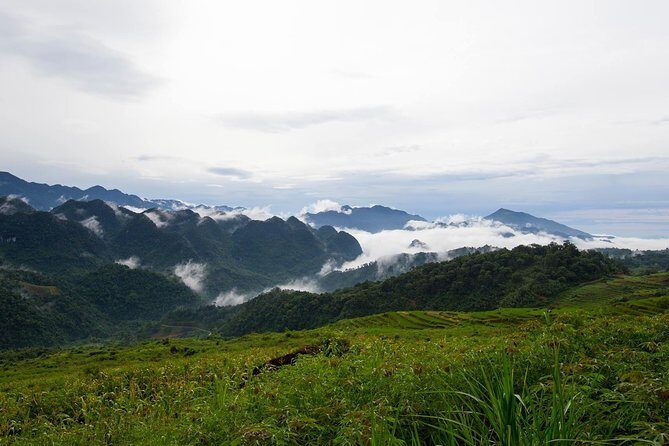
Day 1 is basically your cultural orientation plus your first big scenery payoff. You start with pickup in the Hanoi Old Quarter at 7:00 am, then head to Mai Chau. The town is often described as a base for Thai people, and the day’s stops reflect that—stilt houses, daily life, and local food.
After you arrive, you check in and have lunch in a traditional house on stilts. That’s not just a meal. It’s a fast way to understand daily design choices: stilt houses suit the local environment, and they also shape how families host guests and move through space. If you’re the type who likes architecture that’s tied to real life (not just Instagram), this stop is worth your attention.
Then come two culture-focused moments: a Muong market and a traditional Thai stilt-house visit. Markets can be tricky on tours—sometimes they get turned into a “look and leave” performance. Here, the intent is to get an up-close view of minority communities, and the market stop is the sort of place where you can actually notice everyday rhythms: what people sell, how they arrange items, and how they interact with each other. If you want better photos, go slower than you think. Watch first, then shoot.
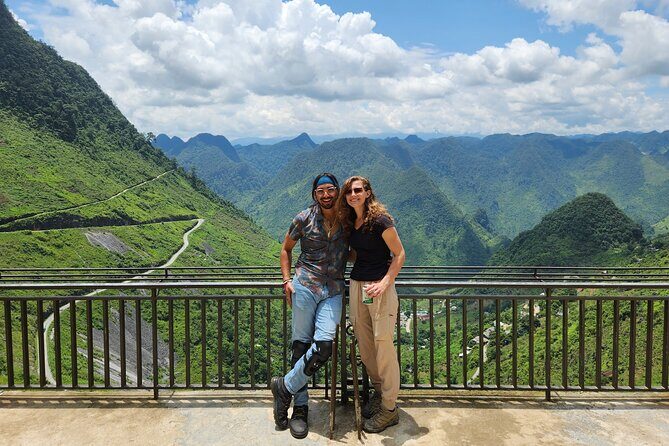
You also get scenery time at Thung Khe Pass. This is where you’ll start seeing the valley as a whole system: roads, hills, and farming areas spread across the area. Viewpoint stops like this work well early in the trip because they help you decode what you’ll hike toward later. Without that context, rice terraces and village paths can look like disconnected scenic moments.
Practical tip for Day 1: keep your expectations flexible after a travel day. You’ll have structured stops, but the real value is in the flow—arrive, eat local, learn what you’re looking at, then settle in for the night. Comfortable shoes matter too, since you’re moving between stops during the day.
Pu Luong Eco Garden Day 2: an infinity pool break that doesn’t feel forced
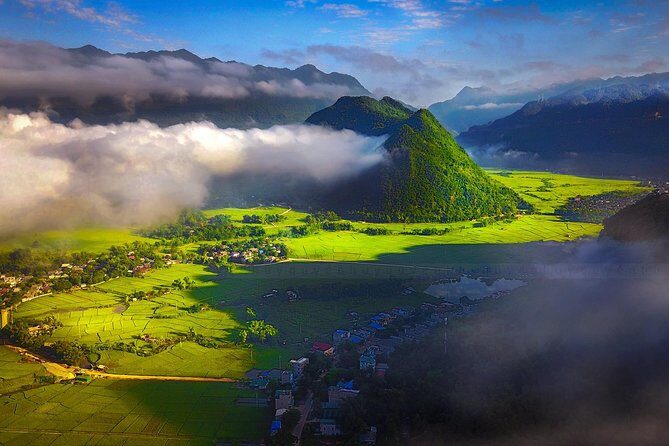
Day 2 starts with an early breakfast so you’re ready for the day’s nature time. You board the car to reach Pu Luong Nature Reserve, and you stop at Pu Luong Eco Garden to drop your bags before starting the rest of the day.
This is the day I’d call the sanity saver. You get the dramatic setting of Pu Luong, but you also get a moment to slow down at Pu Luong Eco Garden, including an infinity pool. That pool moment isn’t just a perk; it changes the feel of the day. After cultural walking and transfer time, having a calm break gives you energy for the Day 3 trek, which is the big walking day.
Eco Garden also tends to be the sort of place where you can look out at the surrounding area and realize you’re in a different kind of scenery than Mai Chau. Mai Chau is more about valley village life and initial viewpoints. Pu Luong shifts toward reserve terrain—farther paths, more mountain rhythm, and that “you can breathe here” feeling that comes from being in the hills instead of the city.
The itinerary doesn’t spell out every minute detail of Day 2 activities beyond reaching the reserve and spending time at Eco Garden, so keep the mindset simple: this is your bridge day. It connects your culture day to your hike day, and it gives you a place to reset.
If you’re the kind of traveler who hates feeling rushed, Day 2 is your friend. It’s structured, but it doesn’t sound like a full-day grind.
Kho Muong Village and Bat Cave Day 3: 6 hours of rice-terrace viewpoints
Day 3 is the trek day with real payoff. You start with breakfast at the retreat, then head out for a walk that takes you to Kho Muong Village and Bat Cave.
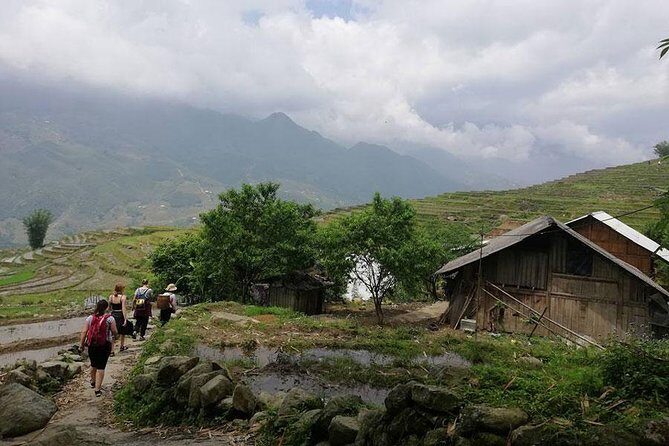
The trek begins through a small alley near traditional Thai stilt houses. That’s a smart way to start because it keeps the walk grounded in daily village life. You’re not walking in a vacuum. You’re moving through a living environment, and the early steps help you notice local details before the views start widening.
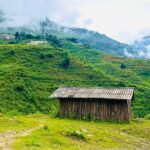
As the trek continues, you reach viewpoints of infinity rice terrace scenery. The phrase infinity rice terrace is doing a lot of work here, and it’s exactly why that viewpoint matters. Terraced rice landscapes are famous for a reason: the pattern repeats into the distance, and your brain keeps trying to follow the lines. That makes the viewpoint moments feel like you’re getting more out of the same physical walking time.
Then you’ll get to Bat Cave. The itinerary flags it as a destination, so treat it as more than a quick stop. Even if you don’t know what to expect inside, caves usually bring a cool change in temperature and a different kind of soundscape. It’s also a sign you’re moving beyond farming views and into the area’s natural features.
This is listed as about 6 hours. That’s long enough that you should treat it seriously. Wear shoes you’ve walked in before. Bring your water needs mindset with you, even if you get water included, and plan on slowing down when the trail climbs or when the views demand a stop.
If you’re debating between this tour and something else, this Day 3 trek is the heart of what makes the trip memorable.
What’s included for $234.67: value that shows up in the details
At $234.67 per person for 3 days / 2 nights, the price isn’t just the headline number. The value shows in how much the tour covers so you’re not piecing things together on your own.
Here’s what’s included:
- Air-conditioned vehicle for transfers
- English speaking guide
- Accommodations for the nights
- Meals: 2 breakfasts and 3 lunches
- One bottle of water per person per day
- All fees and taxes
- Mobile ticket
For readers, that coverage matters because Hanoi to Mai Chau to Pu Luong can be logistically messy if you’re doing it independently. You’d need transport, coordination, places to sleep, and daily planning. This tour handles those, and it’s especially helpful if you want a smooth experience without devoting half your trip to logistics.
Meals are also a big part of value. Lunch on Day 1 in a stilt house is a cultural experience. Breakfasts and lunches on the other days reduce decision fatigue. In a place where local food options can vary in availability, having meals lined up keeps the itinerary from turning into a scavenger hunt.
One note on costs: drinks and personal expenses aren’t included. That means you should budget for what you’ll want beyond the included bottle of water. If you like coffee, soft drinks, or extra snacks, plan for it.





Group size, guide language, and pace: what you should expect
This tour keeps the group to a maximum of 15 travelers. That’s a sweet spot for me. You get social energy if you want it, but you’re still small enough that guides can manage questions and timing without turning into an assembly line.
That said, language quality is the one variable you should treat seriously. The trip is marketed as English speaking, and that’s the main reason many people book. But one comment I saw tied to the experience mentioned a guide named Double who reportedly had limited English. I can’t predict how your guide will communicate. Still, you can protect yourself: ask the operator what English support looks like for your exact departure date.
Pace is another big factor. This isn’t a gentle stroll every day. You’ll have:
- Day 1: cultural stops plus walking between sites
- Day 2: mostly nature reserve time with Eco Garden downtime
- Day 3: a 6-hour trek
So if you’re comfortable walking several hours and you know what your footwear and water limits are, you’ll likely enjoy it. If you’re dealing with mobility concerns, the trek day is the deciding factor.
When to go and how to pack for Pu Luong treks
The tour depends on good weather. That’s not just a formality. In hilly terrain, rain can change trail conditions and reduce visibility for viewpoint areas like Thung Khe Pass and the rice terraces.
For packing, focus on the practical stuff for multi-day walking:
- Comfortable, broken-in walking shoes
- A light rain layer or compact poncho (weather can shift fast in northern Vietnam)
- Sun protection (hat and sunscreen) for viewpoint hours
- A small day bag for water and layers during the trek day
Also consider your camera setup. Treks to viewpoints are where you’ll want both wide shots and simple detail shots, like stilt houses, market textures, and farming patterns.
If you’re planning hair-and-makeup levels of care, this is not that kind of trip. It’s hands-on, outdoors, and you’ll be moving. Pack to be comfortable first.
Who this Mai Chau–Pu Luong tour fits best
This is a strong match if you want:
- A cultural and nature combo, with real village stops
- An itinerary with a few key moments that actually matter
- A manageable group size (max 15)
- Included transport, meals, and lodging so you can focus on seeing things
It’s also a good fit if you’re short on time. From Hanoi, you can reach Mai Chau and Pu Luong in a structured 3-day rhythm without needing to build the plan yourself.
If you’re picky about guide English clarity, I’d do a quick pre-departure check. You’ll likely still enjoy the places even with language gaps, but communication can change how much you learn on hikes and in markets.
Should you book? My straight take
I’d book this tour if you want an efficient, well-fed way to experience Mai Chau and Pu Luong, especially for the Day 3 trek to Kho Muong Village and Bat Cave plus the scenery breaks like Thung Khe Pass. The mix of stilt-house culture, market life, Eco Garden downtime, and a long-enough trek makes it feel like a complete mini-adventure rather than a string of rushed stops.
I would hesitate only if you require extremely clear English interpretation and you’re traveling specifically for lectures or deep explanations. Since language quality can vary, ask about your guide before you commit.
If you’re flexible, comfortable walking for hours, and excited by both culture and views, this is a good value way to do it from Hanoi.
FAQ
What’s the duration of the Mai Chau – Pu Luong tour?
It runs for about 3 days, covering 3 days of activities and 2 nights.
What time does the pickup happen in Hanoi?
The tour starts with pickup at 7:00 am in Hanoi’s Old Quarter.
How big is the group?
The maximum group size is 15 travelers.
What’s included in the price?
It includes an air-conditioned vehicle, all fees and taxes, an English speaking guide, accommodations, one bottle of water per person per day, and meals: 2 breakfasts and 3 lunches.
What isn’t included?
Insurance, drinks, and personal expenses are not included.
What’s the weather situation?
The experience requires good weather. If it’s canceled due to poor weather, you’ll be offered a different date or a full refund.
Is free cancellation available?
Yes. You can cancel up to 24 hours before the experience start time for a full refund.
Are service animals allowed?
Service animals are allowed on this activity.