REVIEW · HANOI
Coffee, History, and Architecture of the French Quarter
Book on GetYourGuide →Operated by ONETRIP WITH LOCAL TRAVEL CO., LTD · Bookable on GetYourGuide
French Quarter Hanoi comes with stories.
This walking experience is a smart mix of coffee, architecture, and the harder turns of Vietnamese history, with a guide who keeps it conversational instead of lecture mode. Two things I’d call out right away: the start in a French-style villa coffee stop (the egg coffee and other Vietnamese coffee drinks set the tone fast), and the way you connect landmarks like St. Joseph’s Cathedral to what life was like under French rule. One consideration: it’s still a walk in the open—so bring comfy shoes and plan for weather, because it runs rain or shine.
The route is short enough to fit into a busy day, but packed with recognizable sights. You’ll pass major French-era landmarks and then slow down where the details matter, like how French influence shows up in street layouts and building design, and how the Vietnam War era shaped the city’s modern identity. I also like that you’re not just staring at facades; the guide uses visual aids (famous photos) to help you picture what happened in those exact spaces.
In This Review
- Key things I’d plan around
- Why this Hanoi French Quarter walk starts with coffee
- What you should expect from the coffee stop
- Getting your bearings at St. Joseph’s Cathedral (and the streets around 6 Au Trieu)
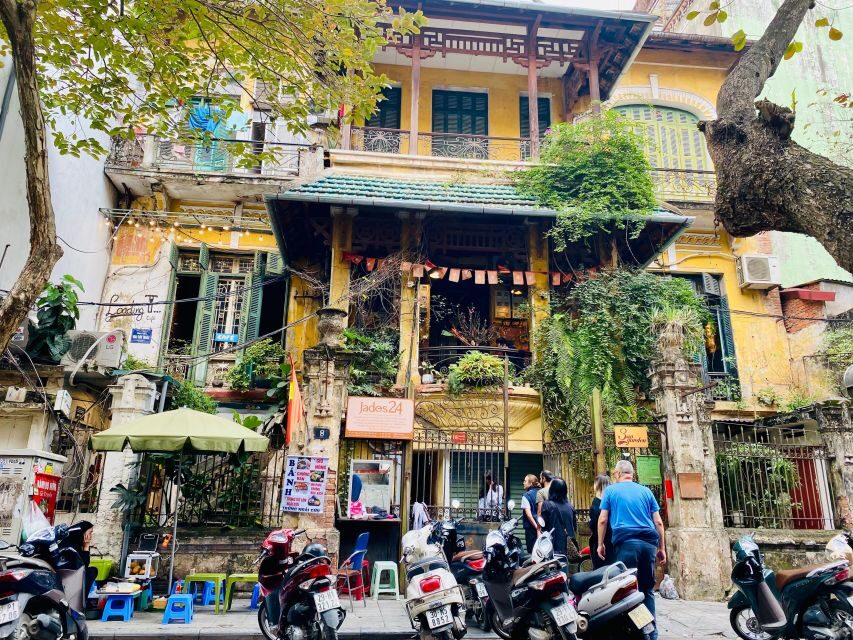
- The Old French villa coffee shop: where the story gets real
- French Quarter architecture you can actually spot on foot
- A small but important note on pace
- Hanoi Opera House to Hoan Kiem Lake: culture, power, and public space
- Sofitel Legend Metropole Hanoi and the long shadow of the French period
- Trang Tien Street and the famous ice cream stop
- Why this stop is more than a dessert
- Wrapping up near Hanoi University of Pharmacy (and what to do next)
- Price and value: is $31 worth it?
- Who should book this French Quarter coffee and architecture tour?
- Should you book this tour?
- FAQ
- Where does the tour start?
- How long is the walking experience?
- Is the tour in English?
- What food and drinks are included?
- What sights do we visit?
- Is it suitable if it rains?
- What should I wear or bring?
Key things I’d plan around
- Coffee first, history second: you start in a French villa coffee shop with Vietnamese coffee, then the story clicks into place.
- French Quarter landmarks on foot: you’ll see major stops including St. Joseph’s Cathedral, Hanoi Opera House, Hoan Kiem Lake, and the Sofitel Legend Metropole Hanoi area.
- An architecture-focused guide with room for questions: conversation-style pacing keeps it lively and personal.
- Trang Tien ice cream break: a classic local stop that gives your feet a reset mid-walk.
- Photos that explain what you’re looking at: visuals help connect buildings to real events.
- A final walk-to-finish point near Hanoi University of Pharmacy: the route threads from colonial-era Hanoi toward a university area tied to the French Indochina period.
Why this Hanoi French Quarter walk starts with coffee
If you’ve ever wondered why Hanoi treats coffee like a daily ritual, this tour answers that fast. It begins in a French villa-style setting with Vietnamese coffee/tea served at the start, so you’re not just learning history with a blank mind. You get the tastes first, then the guide connects those habits to how French rule influenced daily life, including what people drank and how social spaces worked.
I also like the pacing. After the first coffee, you’re not stuck listening in one place. You’re set up to walk with context, so St. Joseph’s Cathedral, the Opera House, and the lake stops stop feeling random. The best part is the tone: rather than a lecture, it’s guided as a chat—history buffs welcome, but so are curious first-timers.
You can also read our reviews of more historical tours in Hanoi

What you should expect from the coffee stop
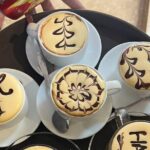
You’ll get a cup of authentic Vietnamese coffee/tea, and multiple coffee styles are part of the experience. In particular, people rave about the egg coffee, and you may also be offered egg or coconut-style coffee variations depending on what’s being served that day. Either way, this first stop acts like a warm-up for your brain before you start spotting French-era details outside.
Getting your bearings at St. Joseph’s Cathedral (and the streets around 6 Au Trieu)
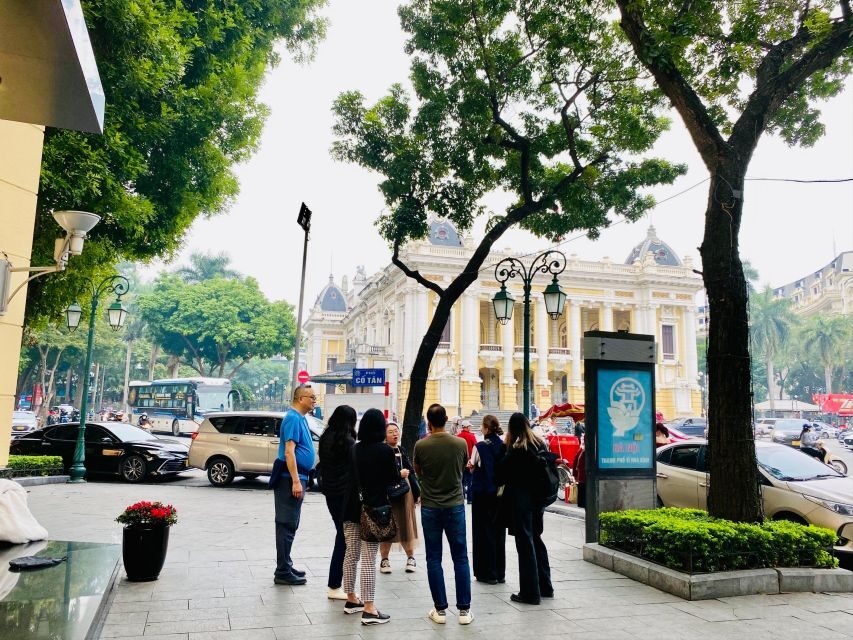
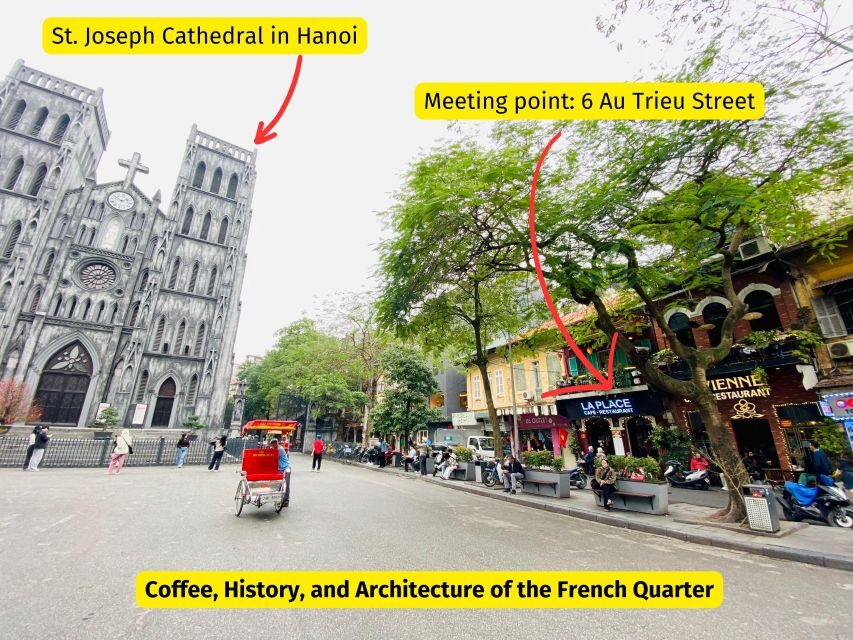
You meet at 6 Au Trieu, right by St. Joseph’s Cathedral. That’s a big deal because it anchors the walk in the most famous visible symbol of French Catholic architecture in Hanoi. From the first steps, you’re in the French Quarter’s core—streets with that colonial-era rhythm and landmarks that are impossible to ignore.
The cathedral itself is more than a photo op on this walk. The guide uses it as a starting point to explain how French influence showed up in buildings and how those physical changes lined up with bigger political shifts. You’ll also get a quick break and time to settle in before you head to the coffee and then into deeper landmark stops.
Practical tip: the cathedral area can be busy. If you’re sensitive to crowds, treat the first minutes as your buffer time, then settle into the calm of the walking route once the group moves.
The Old French villa coffee shop: where the story gets real
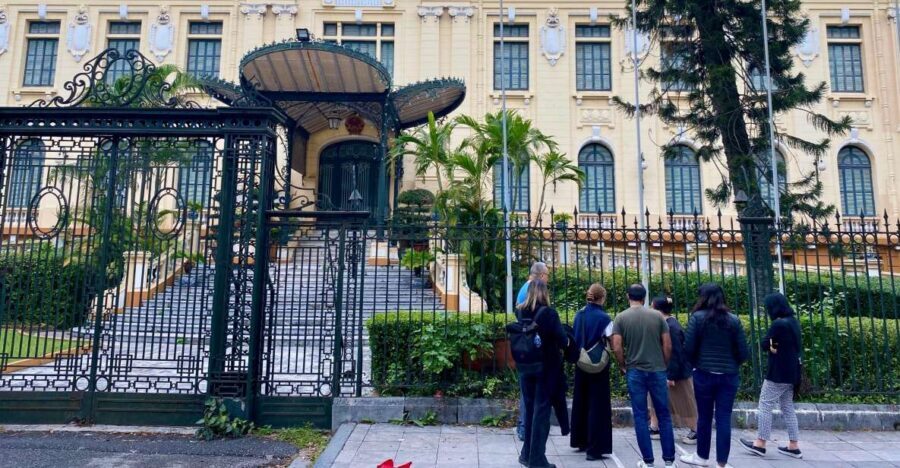
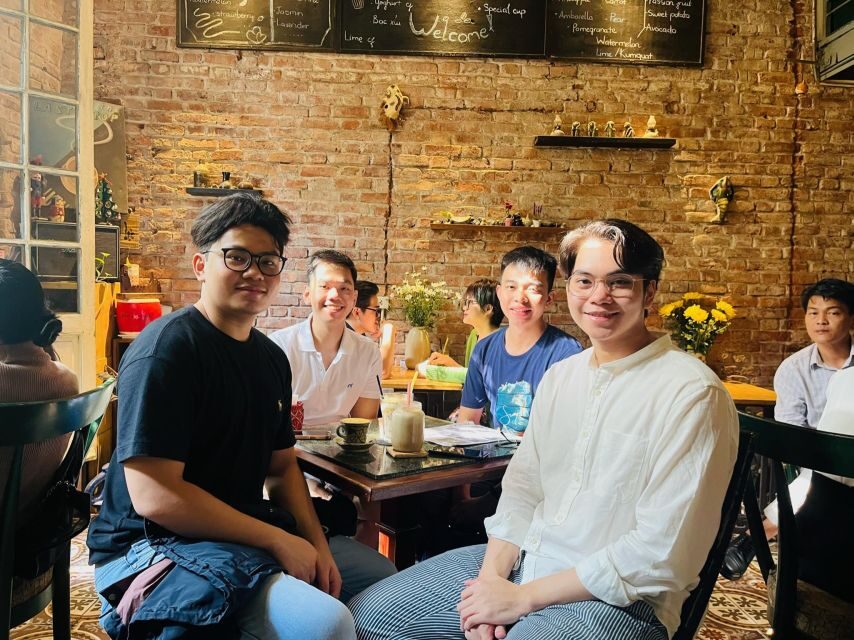
One of the most praised parts of this experience is the local coffee stop in the French villa setting. This is where you’ll get a grounded explanation of Vietnamese general history, including the period of French rule. The guide frames it like a conversation, not a one-way talk, so if something clicks for you—war impacts, colonial education, daily life under rule—you can ask follow-up questions on the spot.
You’ll learn about:
- how Vietnamese society shifted under French control, including both the positive and negative effects
- French influences in Hanoi as a visible pattern, not just an abstract idea
- the Vietnam War era, tied to the city’s later identity
What I like is that this isn’t presented as one-note history. The guide aims to give you the full swing: what changed in daily life, what the colonial period did to institutions, and how Vietnam’s modern story grew out of that pressure.
Also, you’re not walking blind. Visuals matter here. Famous photos used during the tour help you connect the landmark you’re looking at with what occurred historically in that area. It turns “I see a building” into “I understand why this spot matters.”
French Quarter architecture you can actually spot on foot
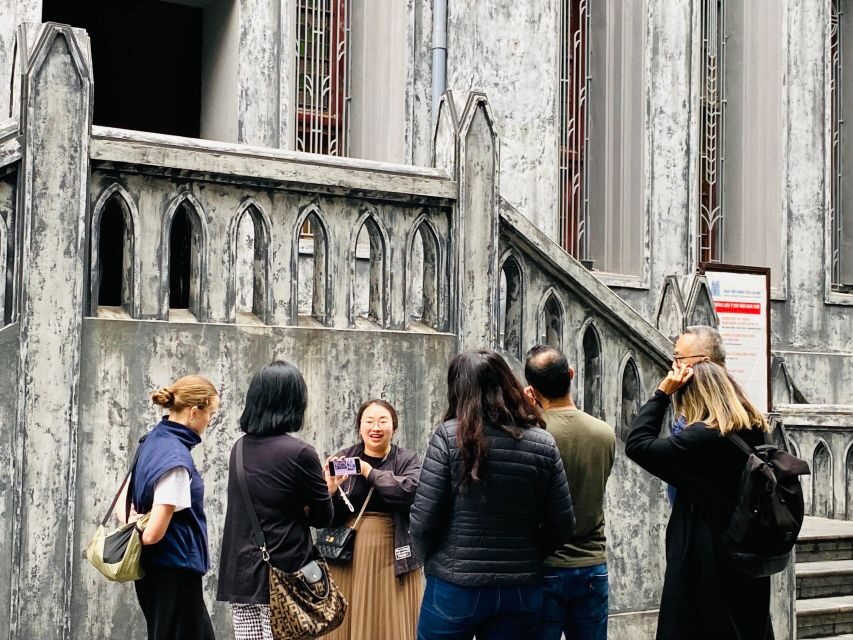
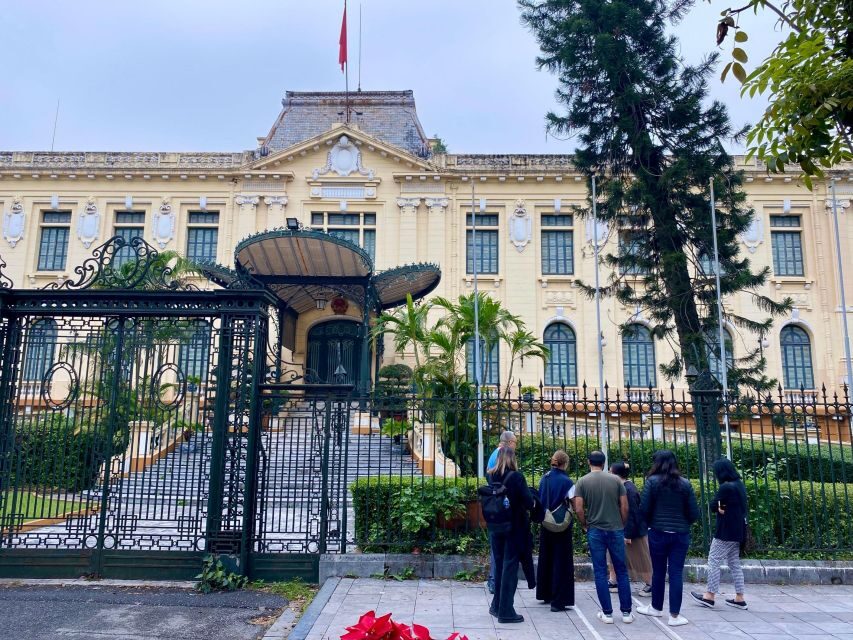
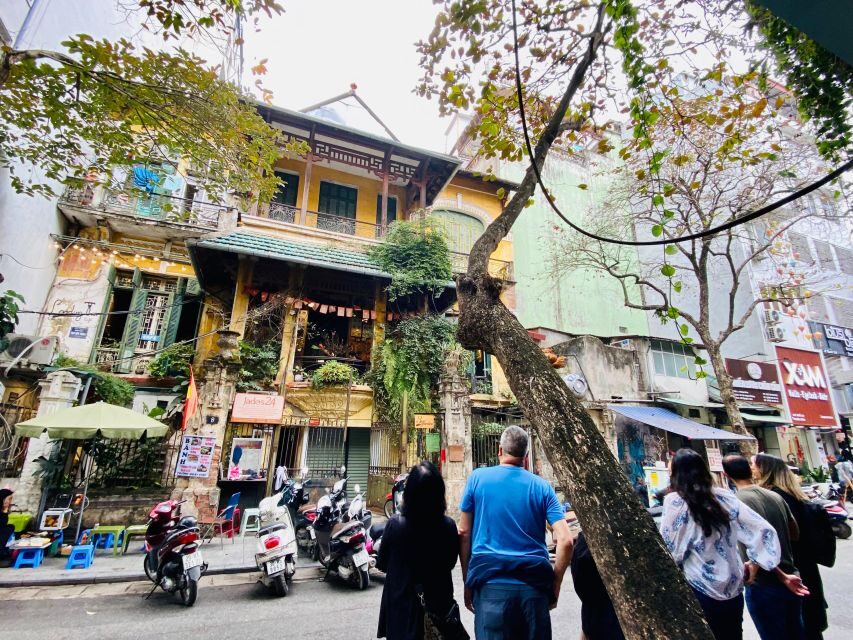
This tour earns its architecture reputation by helping you see what most people miss. Instead of only pointing out famous landmarks, you learn to read the street. You’ll walk through the French Quarter’s southern area and start noticing features linked to French colonial design: how structures sit along streets, how institutions display their identity, and how certain building styles became part of Hanoi’s physical language.
You’ll also get specific landmark coverage that connects architecture to eras:
- St. Joseph’s Cathedral as a colonial Catholic anchor
- the Hanoi Opera House as a major cultural-institution symbol
- Hoan Kiem Lake as the city’s central public stage that keeps shaping daily life and identity
- Sofitel Legend Metropole Hanoi as a landmark tied to the broader colonial-era presence
If you’re the type who enjoys looking up at details, this walk rewards you. If you’re not, it still works, because the guide explains the why behind the what.
You can also read our reviews of more tours and experiences in Hanoi




A small but important note on pace
The walking time between stops is short on purpose. You’re looking at key sights long enough to form a mental map, not so long that the day becomes one endless trek. For many people, that’s the sweet spot in Hanoi: enough movement to feel like you’re traveling through the city, but enough breaks to keep things comfortable.
Hanoi Opera House to Hoan Kiem Lake: culture, power, and public space
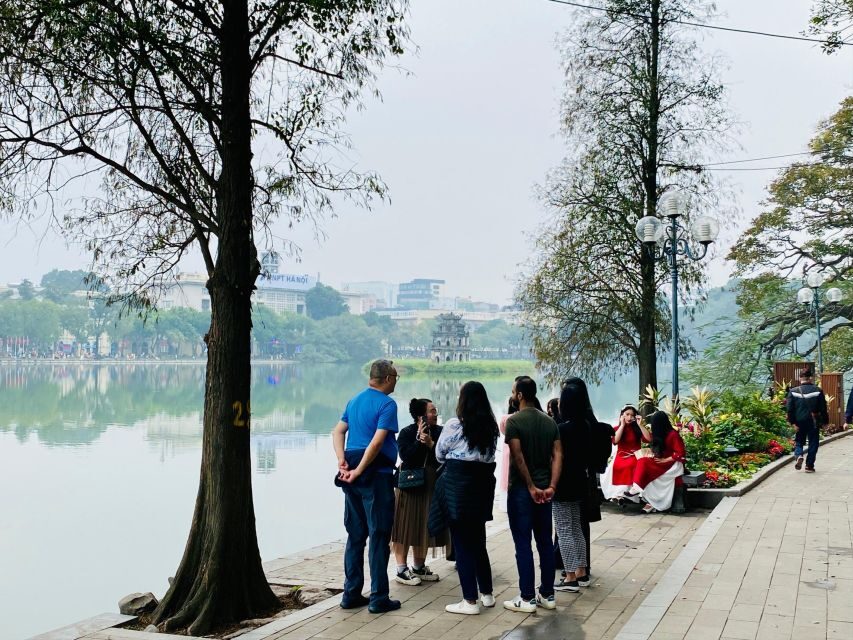
Next up are the culture-and-city anchors. The tour includes a guided stop at Hanoi Opera House, then moves toward Hoan Kiem Lake. This is a smart pairing because these two places represent different sides of Hanoi’s identity.
- The Opera House tells you about French-era cultural institutions—how public life and prestige spaces were designed.
- Hoan Kiem Lake shows you the city’s lasting center of everyday life and civic meaning.
The guide ties these spaces into the larger narrative of how Hanoi changed across periods. You’ll get context on French influence and the Vietnam War era, but it won’t feel like a textbook. It’s explained in a grounded way that you can carry as you continue walking.
If you like asking questions, this is where you’ll want to use them. People have done exactly that with guides like Mina and Dung, who are described as friendly, funny, and open to extra discussions. Whether your interest is architecture, war history, or just how Hanoi’s food culture evolved, it’s the kind of tour where you can steer the conversation a bit.
Sofitel Legend Metropole Hanoi and the long shadow of the French period
Sometime in the middle-to-later portion of the walk, you’ll visit the Sofitel Legend Metropole Hanoi area. This stop matters because hotels and grand buildings often act like time capsules. They show how power displayed itself and how the colonial period left lasting landmarks that Hanoi still uses and repurposes.
On this tour, the Metropole stop isn’t only about the building exterior. It’s another moment in the “French influence meets Vietnamese reality” story. The guide keeps explaining how society changed under French rule and how those shifts shaped institutions and public spaces.
I like this part because it helps you avoid a common tourist trap: treating colonial architecture like a museum artifact. Here, you’re shown it as something lived alongside Vietnam’s later history.
Trang Tien Street and the famous ice cream stop
Eventually you hit Trang Tien Street and the highlight sweet stop at Trang Tien ice cream parlor. This is one of those Hanoi experiences that feels oddly perfect after the more serious history. The walk gets you primed to understand the city, and then the ice cream gives you a break that still feels local.
The tour includes ice cream with seating available, plus restroom access for a clean reset before you continue.
Why this stop is more than a dessert
Trang Tien ice cream is famous for a reason: it’s a shared local routine, and it ties the tour back to real-life Hanoi. After hearing about architecture and colonial institutions, it helps to taste something that locals keep enjoying.
If you’re planning your schedule, treat this as a mid-tour recovery point. Your feet will thank you.
Wrapping up near Hanoi University of Pharmacy (and what to do next)
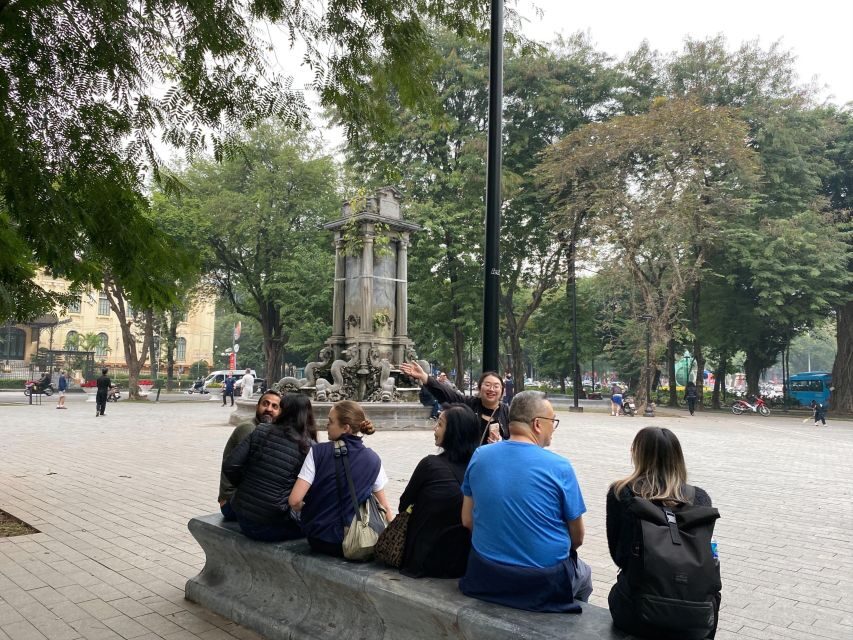
The experience finishes at Hanoi University of Pharmacy. This ending point adds a subtle layer to the narrative, because it connects to the tour’s focus on education and French Indochina influence—mentioned as the very first university in French Indochina.
If you want to keep the story going after the walk, this is a good moment to look back at what you learned. You’ll have a clearer mental map of the French Quarter: cathedral, opera house, lake, grand hotel presence, and the coffee-and-food culture that helps you understand daily life.
Practical suggestion: don’t rush right after the tour ends. Sit somewhere nearby for a cold drink or quick snack, and let the places you visited settle into your memory. These landmarks are easier to remember when you’ve had a little time to process them.
Price and value: is $31 worth it?
At $31 per person for about 2.5 hours, I think this offers solid value if you want more than basic sightseeing. You’re paying for:
- a live English guide
- multiple landmark stops tied to a coherent storyline
- included Vietnamese coffee/tea
- included Trang Tien ice cream
- visual history aids (photos) that make the facts stick
You’re also not trapped inside one museum or one building. You’re walking through the city’s French Quarter core, which makes the price easier to justify. If you’re the type who likes guided context—especially for French colonial influence and Vietnam War-era connections—this works well.
If you only want photos and a casual stroll, you could likely DIY the route. But you’ll miss the “why” that turns the French Quarter from scenery into meaning.
Who should book this French Quarter coffee and architecture tour?
Book it if you:
- want a short, well-structured way to learn French colonial history in Hanoi
- love walking tours that explain architecture and public landmarks
- care about coffee culture and want to taste your way into the story
- enjoy asking questions and having a guide respond in a friendly, conversational tone
You might skip it if you:
- want a lot of interior-only museum time (this is a walking tour format)
- can’t handle rain-or-shine walking and limited stops in the open
- dislike food included in a tour (coffee and ice cream are built into the experience)
Should you book this tour?
Yes, if your goal is to understand the French Quarter as a living story, not just a lineup of buildings. The big strengths are the coffee start, the architecture-to-history connection, and the easy conversational guiding style. Guides like Mina and Dung are highlighted for good explanations and a fun approach, and the included egg coffee and Trang Tien ice cream make it feel like Hanoi rather than theory.
If you’re in Hanoi for a short time, this is also a nice use of your morning or afternoon. You get a lot of the most recognizable sights in roughly 2.5 hours, with breaks built in.
FAQ
Where does the tour start?
The host meets you at 6 Au Trieu street, next to St. Joseph’s Cathedral of Hanoi.
How long is the walking experience?
It runs for about 2.5 hours.
Is the tour in English?
Yes, the tour guide speaks English.
What food and drinks are included?
Vietnamese coffee/tea is included at a local café in a French villa setting, and ice cream is included at Trang Tien.
What sights do we visit?
Key stops include St. Joseph’s Cathedral, Hanoi Opera House, Hoan Kiem Lake, Sofitel Legend Metropole Hanoi, and the Trang Tien area.
Is it suitable if it rains?
The experience operates rain or shine, so you should check the forecast and bring an umbrella or raincoat if needed.
What should I wear or bring?
Bring comfortable shoes and breathable clothing, plus sunscreen and a hat.