REVIEW · HANOI
6 – 8 Day Vietnam Itinerary | Magnificent | Best 2026 Northern
Book on Viator →Operated by Authentic Adventures · Bookable on Viator
Sapa to Ha Giang feels like a movie set. This trip strings together big-ticket mountain moments and quieter minority village time across Northern Vietnam, with a guide, air-conditioned rides, and entrance fees handled. I especially love the Sapa village walks and the way the route saves the best mountain views for when you’re ready for them, like Ma Pi Leng Pass.
One thing to think about: you’re signing up for serious road time. Long drives are part of the deal, and some segments depend on weather, so build in patience and pack for changing conditions.
In This Review
- Key highlights I’d circle before you book
- Why this North Vietnam route works (Sapa, Ha Giang, Cao Bang, Ban Gioc, Ba Be)
- Day 1 in Sapa: train arrival, shower time, and first village moments
- Day 2 around Sapa: market options and the Fansipan cable car choice
- Day 3 to Ha Giang: limousine bus, toilet-stop reality, and stilt-house village time
- Heaven’s Gate and Sung La Valley on Day 4
- Dong Van Sunday market and Ma Pi Leng Pass on Day 5
- Day 6 in Cao Bang: the long northbound day that pays off later
- Day 7 near the China border: Ban Gioc and Detian Falls plus Nguom Ngao Cave
- Day 8 Ba Be National Park: boat time on Ba Be Lake for a calmer finish
- Price and value: what $690 buys you when meals and entrances are handled
- Guide support that feels human: Son, Hang, Thiep, and Tony in the mix
- Practical tips for a smooth trip: what to do before you go
- Should you book this 8-day Northern Vietnam tour?
- FAQ
- How long is the Vietnam tour?
- Where does the tour take place?
- Is pickup offered?
- Do I get a tour guide?
- Is the group size limited?
- What transport is used during the trip?
- Are entrance fees included?
- What meals are included?
- What is not included in the price?
- What if the weather is bad?
Key highlights I’d circle before you book
- Small group size (max 10): easier pacing, less crowd noise, and more time for questions.
- Private room plus full meal coverage: breakfast, lunch, and dinner are built in, so your budget stays predictable.
- From Sapa to Ha Giang to Cao Bang without backtracking: you keep moving north in a tight route.
- Stilt-house village time in Ha Giang: you’re not just viewing from a bus window.
- Ban Gioc and Nguom Ngao Cave as a border-area combo: waterfall energy, then cool cave textures.
- Ba Be Lake by boat on the final morning: a calmer finish after the mountain days.
Why this North Vietnam route works (Sapa, Ha Giang, Cao Bang, Ban Gioc, Ba Be)
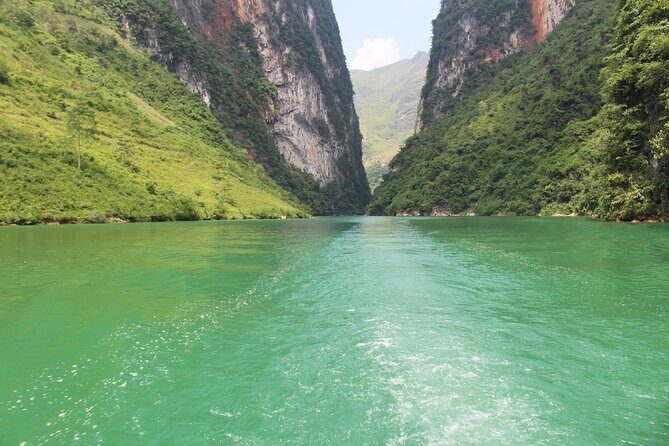
If you’re looking at Northern Vietnam, it’s easy to get stuck in a pick-one dilemma. Sapa is its own world. Ha Giang has that classic loop vibe. Cao Bang and Ban Gioc feel like a different trip. Ba Be Lake is the quiet cousin that often gets left out.
This itinerary knits all of it together into one logical northbound flow. You start in the Sapa area, then you push into Ha Giang’s dramatic roads and ethnic minority villages. From there you continue toward Cao Bang, then hit the Ban Gioc/Detian Falls zone near the China border, and end on Ba Be Lake in Ba Be National Park. The pacing may not be for people who want zero driving days, but it’s excellent for people who want big variety without having to plan connections on your own.
It also has a practical advantage for value-minded travelers: meals and key entrance fees are included, and you’re traveling with a guide for the whole run. That means fewer decisions for you, and fewer “where do we go next” moments when you’re tired.
You can also read our reviews of more tours and experiences in Hanoi.

Day 1 in Sapa: train arrival, shower time, and first village moments
Your first morning is built around an arrival into the Lao Cai train station area. Around 6:00, you reach the station, and then a minibus takes you to Sapa for the last stretch. That transfer matters because it smooths the biggest early-jump friction point in this region.
A nice touch: once you get to Sapa, you get a place to shower and store luggage. That’s not just comfort. It means you can start the day without carrying bags around like a tourist backpack mascot.
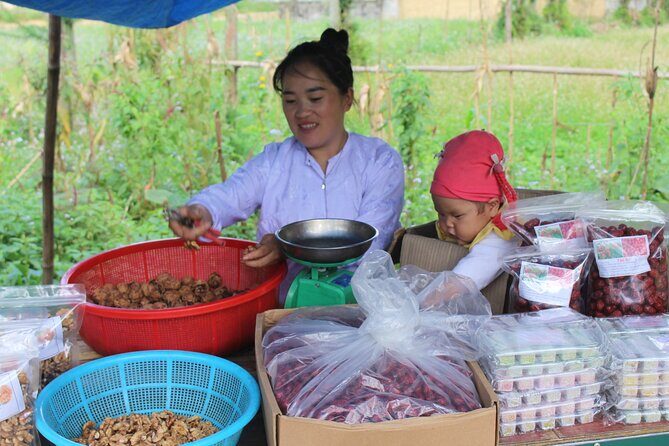
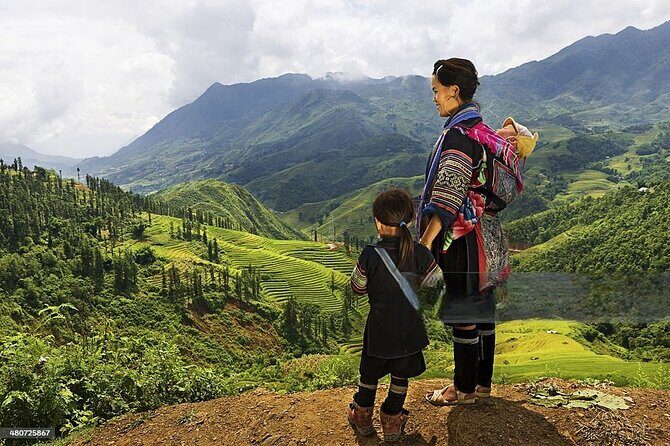
After that, you eat breakfast, then you head into village exploration time. You’ll spend time around Hmong minority villages, including a lunch stop where the meal is hosted by a local Hmong family. The practical value here is that lunch isn’t just an afterthought. It’s part of how you experience the area beyond the main town streets.
If you like simple, human-scale travel, this first day hits the sweet spot. The drawback is that Day 1 starts early, and your energy level will depend on how your train or arrival day goes.
Day 2 around Sapa: market options and the Fansipan cable car choice
Day 2 begins with a 9:00 tour start, so you’ll want to keep breakfast in mind before the guide picks you up. This is the day where Sapa’s highlights become more about views and less about getting your bearings.
One of the first named stops is Love Wa village, and after that you’re given time for the rest of the day’s Sapa highlights with a guide. The itinerary then leaves the afternoon more open, which is smart. Some people want a slow wander. Others want photos. You’ll have options like visiting the local Sapa market or taking the cable car up Fansipan, Vietnam’s highest mountain.
Here’s my practical advice: if you’re choosing the cable car, treat it as a weather-dependent plan. In misty conditions you may get less visibility, and on clear days it can be an easy way to experience altitude without hiking all day. Either way, you’ll be able to return to Sapa town to reset before you head out for Ha Giang.
Day 3 to Ha Giang: limousine bus, toilet-stop reality, and stilt-house village time
You move from Sapa to Ha Giang via a limousine bus. The pickup is in Sapa town, and the full drive takes about 6 hours, with one or two stops for toilet visits and food and drinks. That detail matters because it tells you the day is designed for road comfort, not nonstop stress.
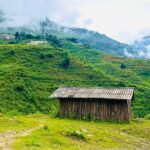
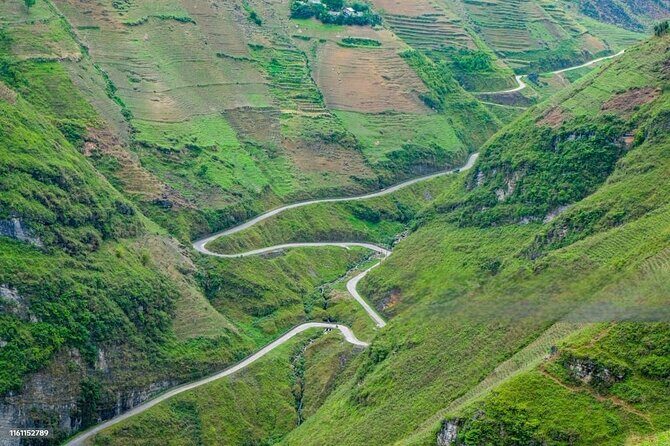
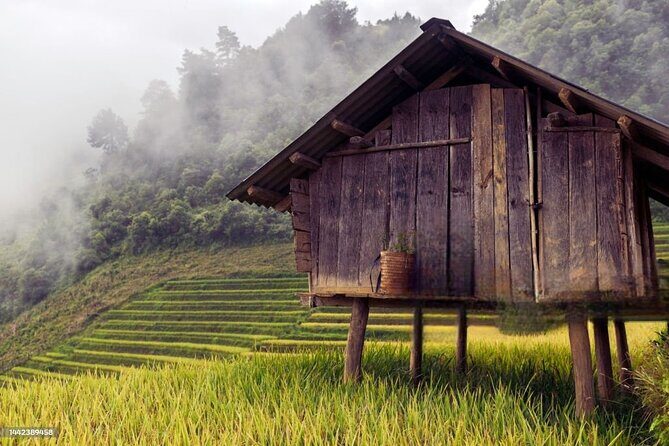
When you arrive in Ha Giang, you get a free exploration block at about 15:30. This is where the itinerary shifts from driving to local village life. You’ll visit an area with stilt houses where surrounding rice fields frame the view. You also have walking time, including the chance to go up a hill for better sightlines (the plan specifically includes a climb up the hill).
This is one of those days where your choices help shape the experience. If you like photographing village life, this slot gives you time to do it without feeling rushed. If you prefer quiet, the rice-field setting can be a relief after Sapa’s streets.
Heaven’s Gate and Sung La Valley on Day 4
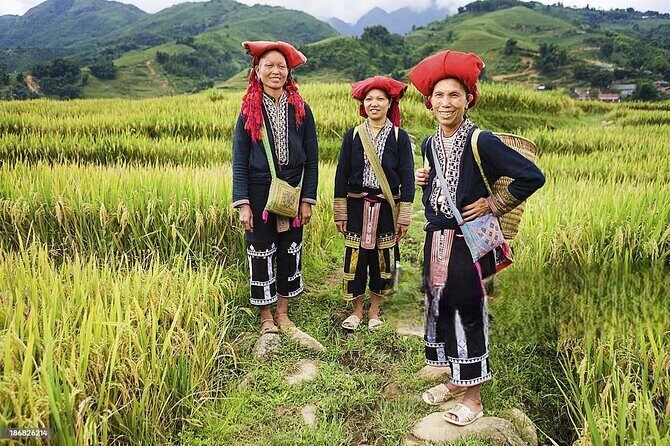
Day 4 is for mountain passes and valley scenery, with the itinerary centered on Ha Giang Province’s driving highlights. After breakfast at your homestay, you start toward one of the most talked-about points: Heaven’s Gate, at about 1500m.
From there, you drive through Sung La Valley. You’ll also stop in Lung Cam Village, described as having very old houses. The value of this kind of village stop is that you get a sense of what “old” looks like when you see building styles in person. It isn’t a museum. It’s lived architecture.
A possible consideration: this is another day where comfort depends on patience. Mountain roads can be bouncy. I’d pack layers and plan to sit back, relax, and let the views do the work.


Dong Van Sunday market and Ma Pi Leng Pass on Day 5
Day 5 starts in Dong Van in the morning. If your travel dates fall on a Sunday, you get an extra bonus: a huge minority market in the square. The market is known for its color and variety because different groups wear traditional clothing. Even if your timing isn’t Sunday, the market area is still worth seeing for local rhythm and daily life.
After that, you head toward Meo Vac in the afternoon and the major highlight: Ma Pi Leng Pass. The itinerary treats Ma Pi Leng as a top draw, and it’s easy to see why. This is one of those mountain roads where the viewpoint seems to open and close with each turn. If you’re someone who likes windows and viewpoints, this is a highlight day.
Do note the practical reality: when you’re chasing dramatic views, you’re also chasing weather and visibility. If the sky is clear, it rewards you. If it’s cloudy, you can still enjoy the road and villages, but the photo potential may be lower. Either way, it’s a day with real payoff.
Day 6 in Cao Bang: the long northbound day that pays off later

On Day 6 you take a longer drive through more remote areas toward Cao Bang. The itinerary specifically notes that you’ll pass villages of ethnic minorities and high mountains, which is the region’s “main course” here.
This day is more about motion than structured stops. That can be great if you like seeing places gradually, from village to village. But it can also be tiring if you hate riding in vehicles for hours without much stretching time.
My advice: treat the bus comfort as part of your plan. Bring something for the road (a light layer, a small snack if you’re sensitive to hunger timing), and use stops for what they’re for. The itinerary already builds in regular travel breaks earlier, and this day’s length makes those moments more important than usual.
Day 7 near the China border: Ban Gioc and Detian Falls plus Nguom Ngao Cave
Day 7 is all about Ban Gioc Waterfall, also known as Detian Falls, right near the China border. After breakfast, you drive north to this waterfall area. The route emphasizes the waterfall’s scale and the way it sits inside a wider setting of rice fields, forests, and mountains.
Then you add a very smart second act: Nguom Ngao Cave. The itinerary includes a stop not too far from the waterfall and specifically points out the cave path where you can see stalactites and stalagmites. That’s a nice change of texture from the open-air waterfall views. It also gives your photos a different kind of interest: not just water, but stone.
One practical note: cave temperatures can feel different than the outside air, so it helps to have a layer you can handle moving between spaces.
Day 8 Ba Be National Park: boat time on Ba Be Lake for a calmer finish
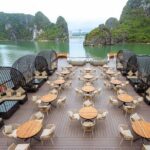
Your final day shifts to a slower pace by design. You spend the morning exploring Ba Be Lake by boat. Ba Be is described as Vietnam’s biggest natural lake, surrounded by local minority villages and jungle in Ba Be National Park.
This is a great ending if you want something less intense than pass roads and waterfall crowds. After days of mountain driving and village visiting, a boat morning can feel like a reset. It’s also a good way to remember Northern Vietnam as more than road trips: you get water, forest edges, and small village life in the same frame.
If you want souvenirs or just a few last photos, build that into the morning. The itinerary emphasizes the boat exploration as the core of Day 8.
Price and value: what $690 buys you when meals and entrances are handled
At $690 per person for about 8 days, the best way to judge value is to look at what’s included, not just the headline number. This tour covers:
- Accommodation in a private room
- A tour guide
- Air-conditioned vehicle transport
- All entrance fees for the included sightseeing
- Meals: breakfast (7), lunch (8), dinner (7)
That meal math is important. If you’ve traveled in places where food varies wildly in price, having breakfast/lunch/dinner arranged can keep your spending steady. And having entrance fees handled means you don’t have surprise line items for the main sights.
Another value driver: the group cap is maximum 10 travelers. That’s not a guarantee of personal attention, but it usually helps with timing and the overall feel of the day.
Is it always perfect value for everyone? No. If you’d rather travel fully on your own schedule and skip organized meals, you might prefer a DIY plan. But if you want the work taken off your shoulders, this pricing makes sense.
Guide support that feels human: Son, Hang, Thiep, and Tony in the mix
One pattern that shows up in feedback is how much guests appreciated real help from the team behind the scenes. Names that appear in shared stories include Mr Son and Ms Hang for support and communication. A guide named Thiep is also mentioned as very helpful. Other names that come up include Jenney, Hanna, Tony, and Minh and Jenny.
I can’t promise you’ll get the exact same individuals. But the takeaway is useful: the company seems set up for responsive, English-capable communication, plus on-the-ground guidance once you’re moving. That matters most on a multi-day route like this, where missed instructions can turn into wasted time.
Practical tips for a smooth trip: what to do before you go
This route is road-heavy and weather-sensitive, so the goal is to avoid preventable stress.
- Pack layers. Mountains can feel cool in the morning, and you’ll move between valleys, passes, and boat time.
- Wear walking shoes. The plan includes village exploring and a cave walk where you’ll follow a path.
- Keep an eye on timing. Early starts happen, like the 6:00 Lao Cai arrival day and 9:00 Sapa start day 2.
- Use vehicle breaks for what they’re for. The Sapa-to-Ha Giang day explicitly includes toilet/food stops, and longer drive days make those breaks more valuable.
- Plan for weather. The experience requires good weather, and if it’s canceled due to poor conditions, you’ll be offered a different date or a full refund. That’s your cue to travel with flexible expectations.
Also, check how you’re handling payments. The tour mentions a mobile ticket, which usually keeps things simple once you’re in Vietnam.
Should you book this 8-day Northern Vietnam tour?
Book it if you want a structured route through Sapa, Ha Giang, Cao Bang, Ban Gioc, and Ba Be Lake, and you like the idea of having meals and entrance fees handled. This is especially attractive if you value a small group experience and you don’t want to stitch together separate buses and guide services across remote regions.
Skip it or rethink it if you hate long drives, dislike set meal timing, or want total freedom to linger in one place and skip another. This itinerary is built for movement, with a lot of scenic roadside time and scheduled stops.
My quick decision rule: if you want Northern Vietnam as a complete circuit with a guide and less mental load, this $690 package is worth serious consideration.
FAQ
How long is the Vietnam tour?
It runs for about 8 days.
Where does the tour take place?
The tour is based in Northern Vietnam, with stops including Hanoi (as the location), plus Sapa, Ha Giang, Cao Bang, Ban Gioc/Detian Falls, and Ba Be National Park.
Is pickup offered?
Yes, pickup is offered.
Do I get a tour guide?
Yes. A tour guide is included.
Is the group size limited?
Yes. The maximum group size is 10 travelers.
What transport is used during the trip?
You’ll use an air-conditioned vehicle, with specific segments described as a minibus from Lao Cai to Sapa and a limousine bus from Sapa to Ha Giang.
Are entrance fees included?
Yes. All entrance fees for included sightseeing destinations are part of the package.
What meals are included?
Breakfast is included 7 times, lunch 8 times, and dinner 7 times.
What is not included in the price?
Tips, alcoholic drinks, soft drinks, and personal expense are not included.
What if the weather is bad?
The experience requires good weather. If it’s canceled due to poor weather, you’ll be offered a different date or a full refund.