REVIEW · HA GIANG
4 Days 3 Nights Ha Giang Loop Tour Small Group Local Tour Guide
Book on Viator →Operated by Friendly Ha Giang loop tour · Bookable on Viator
Four days, one unforgettable mountain loop.
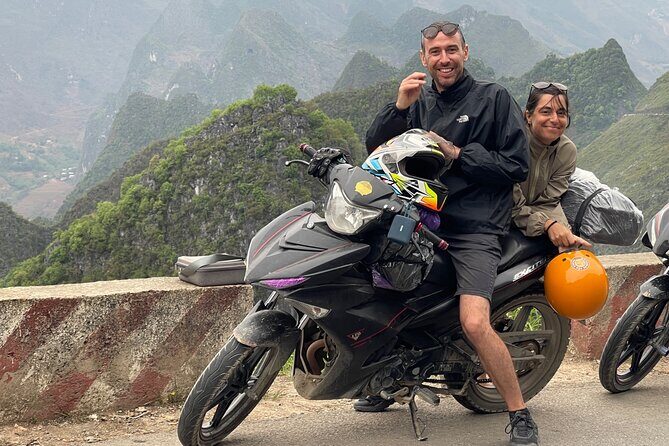
What makes this trip special is the way it mixes the big-name views with people-and-culture stops, without turning it into a rushed checklist. I like the small group size (max 8), so you spend more time looking around and less time waiting. I also like that you travel with an English-speaking local guide who can explain what you are seeing, from the Hmong mansions to the border viewpoints. The one catch: you will be on windy roads for long stretches, so motion sickness and comfort-minded travelers should plan ahead.
This loop runs the classic northern route: starting from Quan Ba Heaven Gate, pushing through Tham Ma slope and the Hmong King Mansion area, then landing in Dong Van. Next comes Lung Cu, Ma Pi Leng, the Nho Que (Cinnamon Grape) River, and Meo Vac, before you slow down for Du Gia and its waterfall stops. By day four you are in the Duong Thuong valley area and ending near Ha Giang around late afternoon, ready to head onward.
If you have seen big tours that feel like a bus ride with photos, this will feel different. You will likely meet guides such as Ty, Linh, Tien, Binh, or Mr Nghia depending on the date, and those names keep showing up for a reason: the trips tend to be friendly, organized, and focused on getting you to the right places at the right pace.
In This Review
- Key things to know before you go
- The Ha Giang Loop route that makes sense in 4 days
- Day 1: Quan Ba Heaven Gate to Dong Van, plus Hmong King Mansion
- Day 2: Lung Cu and Ma Pi Leng, plus the Nho Que river cruise
- Day 2 into 3: Meo Vac to Du Gia, with villages and waterfall time
- Day 4: Duong Thuong valley, Abong waterfall, and the ride back to Ha Giang
- Homestays, meals, and the included comfort extras
- Easy riders and road reality: how to stay comfortable
- Price value at $260: what you get for a 4-day loop
- Who should book this Ha Giang Loop and who should think twice
- Should you book Friendly Ha Giang Loop Tour?
- FAQ
- What is the duration of the Ha Giang Loop tour?
- How big is the group?
- What’s included in the price?
- Where does pickup happen and when?
- What are the main sights included?
- What is the cancellation window?
Key things to know before you go
- Small group limit (up to 8): less crowd pressure, more time to ask questions and take breaks.
- English-speaking local guide: history and culture make the stops mean more than just photos.
- Ma Pi Leng + Nho Que River: two of the most scenic moments in the Ha Giang loop, both on the itinerary.
- Easy riders included: you are not stuck figuring out transport logistics on your own.
- Homestays with private rooms (3 nights): you get local stays without giving up privacy.
- Meals and tickets are mostly handled: lunches, dinners, breakfasts, water, and attraction tickets are included; coffee and beer are not.
The Ha Giang Loop route that makes sense in 4 days
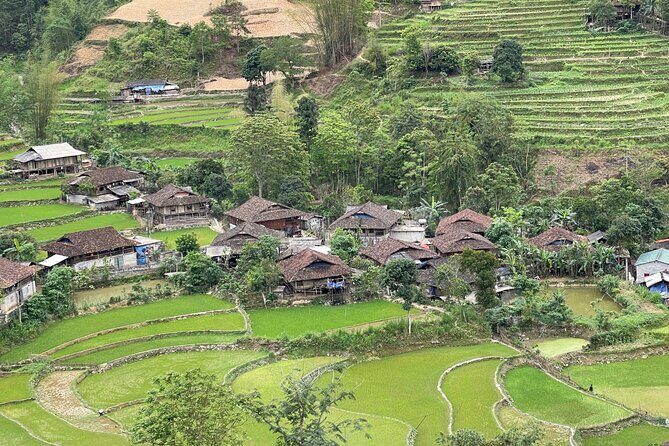
Ha Giang is the kind of place where the road does half the sightseeing job. This 4-day version is built to hit the headline areas people come for, while still leaving room for calmer moments like village time and waterfall breaks.
The route is also practical. You start with viewpoints and cultural stops so you get your bearings early. Then you hit the big scenic day with passes and river canyon views. After that, the trip shifts gears toward smaller villages and water-based stops before it wraps up back near Ha Giang City for easy onward travel.
And yes, you will be tired—just not bored. The driving is a major part of the experience here, and that is why having an experienced driver plus easy riders matters.
You can also read our reviews of more guided tours in Ha Giang
Day 1: Quan Ba Heaven Gate to Dong Van, plus Hmong King Mansion
Morning pickup is planned around 8:00 AM in the Ha Giang city area, with a guide meeting you right away. You depart around 8:30, travel through Quan Ba, and start with the Quan Ba Heaven Gate area (about 1700 m altitude). This is a good first stop because it sets the tone: wide mountain views, cool air, and enough time to enjoy a coffee break. If you are picky about coffee, remember coffee and tea are not listed as included, so keep your budget flexible.
Next you move through the twin-mountain area and Yen Minh town, where lunch is part of the plan. The food approach here is simple and hearty, with options like exported rice, fried noodles, and fried rice. You also get time to visit Tham Ma slope and the Hmong King Mansion area in the Sa Phin commune zone.
Then comes the highlight that feels very specific to this region: the Hmong King Mansion (Dinh Vua Meo). The description points out it was built in 1898, with a mix of architectural influences including Hmong style plus elements linked to China and France. That detail matters because it helps you understand why Ha Giang culture looks the way it does here: this is a mountain province shaped by crossroads and migration, not an isolated bubble.
By late afternoon you arrive in Dong Van and check into your homestay. Dinner is included (often hot pot with rice and noodle dishes), and you have a full night to recover before the longer scenic pushes.
Small drawback to consider on day one: the schedule is packed enough that you will want to travel light. A day with multiple stops means you will be moving on and off the vehicle, and carrying heavy bags gets old fast.
Day 2: Lung Cu and Ma Pi Leng, plus the Nho Que river cruise
After breakfast in Dong Van, your second day starts with Lung Cu and the national flagpole area. This is a border-area viewpoint, and the description makes it clear you can see toward China from here. These spots are popular for a reason: on clear days, the mountains feel enormous, and the border geography becomes real rather than abstract.
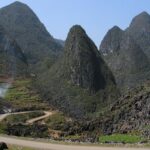
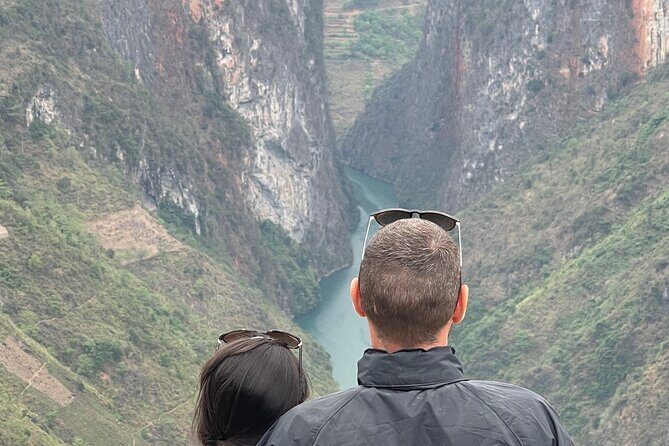
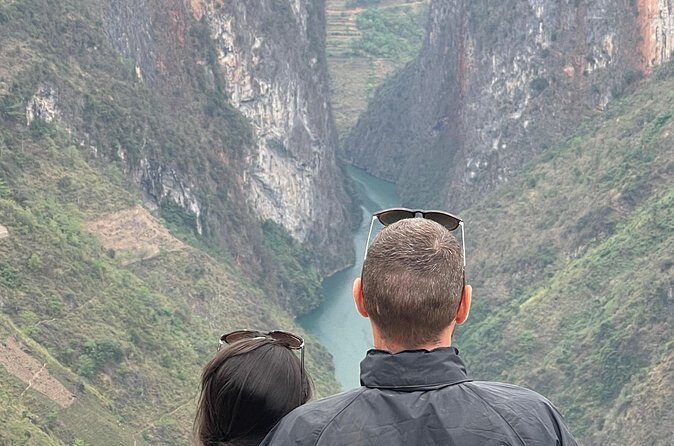
Then you head toward Ma Pi Leng Pass, one of the four major passes of northern Vietnam. This is the day’s big “wow” moment. The itinerary treats it as one of the most beautiful parts of the Ha Giang loop, and it usually is. The point is not just the view—it is what the pass represents. The road was built to connect remote areas, and standing above the canyon you finally grasp how much effort it took to make this region accessible.
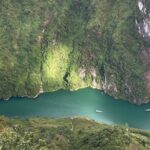
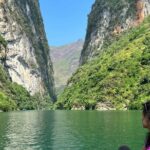
From Ma Pi Leng you continue to the Nho Que River, described as the Cinnamon Grape River area under the Tu San canyon. Here, you do a cruise. This is a smart break in the driving rhythm. When you are on the water, you can slow down your thinking, watch the canyon walls, and actually feel the scale rather than just passing it from a roadside viewpoint.
Late day you reach Meo Vac for the next homestay night, followed by dinner included.
What I like about day two: it balances hard scenery with a calmer cruise. Your legs may complain from all the walking between viewpoints, but the cruise gives you a breather.
Day 2 into 3: Meo Vac to Du Gia, with villages and waterfall time
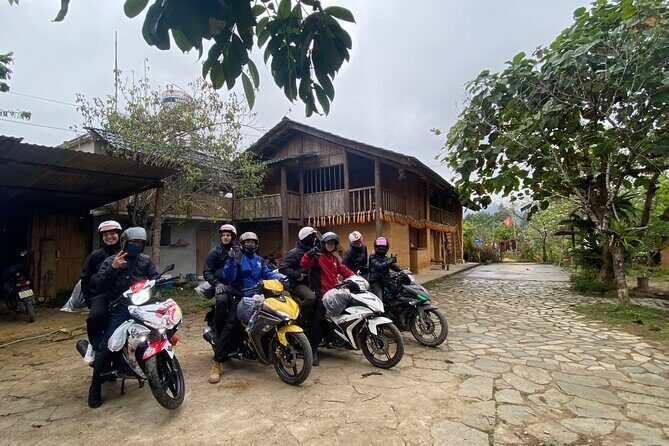
After a night in Meo Vac, day three starts with the trip toward Du Gia village. The itinerary suggests the drive offers chances for scenery like bright views, and it even hints at possible water play along the way. I would treat that as a conditional bonus, not a guarantee, depending on season and conditions—but it is exactly the kind of spontaneous “wait, stop!” moment Ha Giang is known for.
Once you reach Du Gia, you get lunch and then a slower rhythm in the afternoon. The schedule includes time to stop to admire scenery and then reach your homestay around 4:00 PM. That timing matters. You are not rushing straight from viewpoint to dinner to bed. You get a real moment to reset.
Then you visit Ba Tien waterfall at Du Gia. The itinerary notes you may have the chance to swim there. Again, treat that as a seasonal reality check—water can be colder or conditions can vary—but the idea is clear: this is when the loop shifts from road-and-view into water-and-relief.
Small drawback to consider: waterfall and swimming time can be weather-dependent. If it is rainy or muddy, expect conditions to be less predictable. Wear footwear you are okay getting wet, and bring something to dry off later.
Day 4: Duong Thuong valley, Abong waterfall, and the ride back to Ha Giang
Day four starts with you still based around Du Gia. You drive toward the Duong Thuong valley and the Thuan Hoa commune area for lunch at about 12:30 PM. This is a nice contrast to the earlier border-and-pass emphasis. It helps you see Ha Giang beyond its most famous photo spots.
After lunch, you continue past Abong waterfall, with time to bathe and swim if conditions allow. Then the trip winds down around 4:30 PM when it ends in Ha Giang City. From there, you can rest or wait for a bus onward to places like Hanoi, Sapa, or Ninh Binh.
What I like here: the tour ends while the day still has light and energy, rather than dumping you back at midnight. You will actually feel like you can plan your next move.
You can also read our reviews of more tours and experiences in Ha Giang




Homestays, meals, and the included comfort extras

This tour includes a lot of day-to-day friction you do not want to manage on a loop like Ha Giang. Here is what is explicitly included:
- Private room for 3 nights
- Breakfast (4), lunch (4), dinner (3)
- Bottle of water every day
- Tickets for attractions on the itinerary
- Easy riders
- English speaking guide
It is also helpful that your meals are described in a way that matches what you will actually eat in the region: rice-based dishes, noodles, and hot pot-style dinners. You should not expect gourmet everywhere, but you should expect filling and local.
Not included: coffee and tea, beer, and tips. So budget a little extra for drinks if you like to pause for coffee breaks—especially around viewpoint areas where the trip mentions coffee-style stops.
My practical advice: pack light and keep a small day pouch. You will go in and out of vehicles and homestays, and having your essentials ready makes everything smoother.
Easy riders and road reality: how to stay comfortable
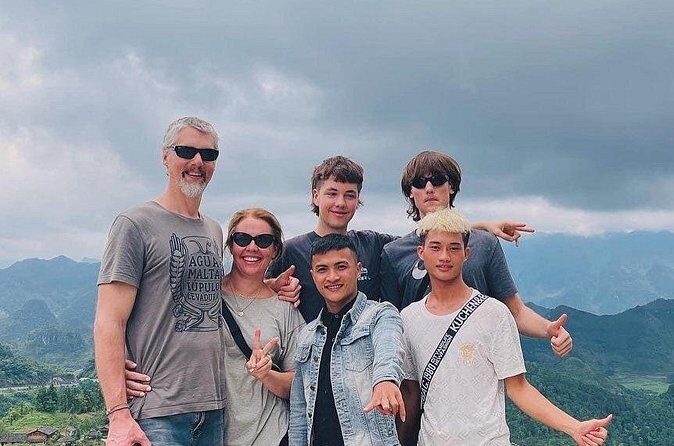
Ha Giang roads can be intense. This tour includes easy riders and uses an experienced driver approach, which is exactly what you want when the bends get frequent and the drop-offs feel real.
That said, comfort is still on you. Bring:
- something for motion sickness if you need it
- light layers (mountain weather can change fast)
- closed-toe shoes for waterfall areas
If you are the type who hates “limited bathroom options,” you should still plan on long stretches where stops are the rule, not the exception. This is part of what you are paying for: someone else handles the timing and driving so you can focus on enjoying the route.
Price value at $260: what you get for a 4-day loop
At $260 per person for 4 days (about 4 days / 3 nights), this is not a bargain trip, but it is also not priced like a luxury private yacht of the mountains. The value comes from the combination of costs that are otherwise painful to assemble yourself:
- an English-speaking guide
- attraction tickets
- 3 nights in private rooms
- most meals (breakfast/lunch/dinner schedule is built into the days)
- water daily
- easy riders and local driving support
When those pieces are bundled, you spend less time negotiating transport and more time moving along the loop. And because the group stays small (max 8), you tend to get more flexibility with pacing and questions.
If you are comparing prices, do not just compare the base cost. Compare what is included versus what you would pay separately—food, tickets, guide, and transport support add up quickly in mountain regions.
Who should book this Ha Giang Loop and who should think twice
This tour fits best if you:
- want a small-group Ha Giang Loop
- like a mix of scenic stops and cultural context
- prefer homestays with private rooms over dorm-style lodging
- want an English-speaking local guide who can explain the places, not just take you there
It might be a weaker fit if you:
- get motion sickness easily
- dislike long driving days and frequent road transitions
- need a very slow, low-activity trip (this one is active by design)
The good news: it is built around sensible breaks—coffee-style pauses early, a river cruise mid-trip, and waterfall time near the end.
Should you book Friendly Ha Giang Loop Tour?
I’d book it if you want the classic Ha Giang experience with less chaos. The small group size, English-speaking local guide, included meals, and the inclusion of both Ma Pi Leng and the Nho Que River cruise are the big reasons. You also get homestay nights in private rooms, which makes the hard days feel manageable.
Before you say yes, think honestly about your comfort with mountain roads. If you are okay with winding roads and a packed schedule, this is a solid way to see Ha Giang without spending your time micromanaging logistics.
If you want, tell me your travel month and whether you plan to ride a motorbike yourself or prefer a quieter setup. I can help you plan what to pack and how to time your day for the best comfort.
FAQ
What is the duration of the Ha Giang Loop tour?
It runs for 4 days (about 4 days) with 3 nights of accommodation included.
How big is the group?
This experience has a maximum of 8 travelers, so it stays small-group sized.
What’s included in the price?
The tour includes an English-speaking guide, private room (3 nights), water daily, attraction tickets, easy riders, breakfast (4), lunch (4), and dinner (3). Coffee and tea, beer, and tips are not included.
Where does pickup happen and when?
Pickup is offered from around the city area, and the plan starts with pickup around 8:00 AM in Ha Giang.
What are the main sights included?
You’ll visit highlights such as Quan Ba Heaven Gate, Tham Ma slope, the Hmong King Mansion area (Dinh Vua Meo), Lung Cu Flag Tower, Ma Pi Leng Pass, the Nho Que (Cinnamon Grape) River cruise, Du Gia, Ba Tien waterfall, Duong Thuong valley, and Abong waterfall.
What is the cancellation window?
You can cancel for a full refund up to 24 hours in advance of the experience start time. If you cancel within 24 hours of the start time, the amount paid is not refunded.