REVIEW · HANOI
3-Day Sapa Real Valley View Homestay & Fansipan–Roof of Indochina
Book on Viator →Operated by BCFamilyTour.com · Bookable on Viator
Sapa can feel dramatic in the best way. This 3-day trip strings together the drive into the Hoang Lien Son mountains, daily hiking through Black Hmong and Tay villages, and a night staying with a local family before you tackle Fansipan. It’s built for people who want more than a quick photo stop—think real village life, terraced scenery, and a high-altitude finale.
I particularly like the combo of trekking plus an overnight homestay, because you’re not just passing through the valley. I also like that your hikes connect multiple villages—Lao Chai, Ta Van, Giang Ta Chai, Ban Ho, Sin Chai, and Cat Cat—so you see how the area changes as you move.
One thing to plan for: comfort is basic, especially for the trek and transport. You’ll want proper trekking shoes, and if you’re picky about bus perks (like toilet paper or Wi-Fi), go in with the right expectations.
If you get the guide ZerZer, that’s a strong signal—you’ve got solid English and a homestay that feels properly hosted. And if you end up with Lala, that’s also a good sign for making the homestay experience smoother.
In This Review
- Key things I’d pay attention to before booking
- Why This 3-Day Sapa Trek and Fansipan Combo Makes Sense
- The Hanoi to Sapa Drive: Long-ish, But Scenic and Structured
- Day 1: Starting Easy in Sapa, Then Walking Into Village Life
- Homestay Night: The Part That Can Feel Either Magical or Basic
- Day 2 Morning in Sapa, Then Up to Fansipan’s Peak Views
- Day 3 in Sapa Town: Slow Morning, Then Head Back to Hanoi
- Price Breakdown: What $179.90 Actually Buys You
- What I’d Bring (So You Don’t Hate Day 1)
- Who This Tour Fits Best
- Quick Notes on Etiquette and Expectations
- Should You Book This Sapa Homestay and Fansipan Tour?
- FAQ
- What’s the price for this 3-day Sapa trek?
- Where do you start and end in Hanoi?
- Is round-trip transport included from Hanoi?
- How many nights of lodging are included?
- Are meals included?
- Is Fansipan included, and how do you get up?
- How big are the groups?
- What do I need to bring for the trek?
- Is there a festival surcharge or holiday change in price?
- Can I cancel for a refund?
Key things I’d pay attention to before booking
- Small-group pace (up to 15 travelers): enough structure to feel cared for, without feeling like cattle.
- Two kinds of sleep: one night shared homestay in a village, plus one night in a Sapa hotel.
- Fansipan includes altitude and stairs: you reach around 2,800 meters and climb 600 steps.
- Full meals, plus bottled water: breakfast, lunch, and dinner are planned across the days.
- Daily village variety: you’ll hike between several villages, not just one.
- Transport from Hanoi is included: pick-up starts at Hanoi Opera House, and you return there.
Why This 3-Day Sapa Trek and Fansipan Combo Makes Sense
This trip is one of those Vietnam itineraries that feels efficient without feeling rushed—mostly because each day has a clear job.
Day 1 is about the valley approach and then hitting the first village hiking route. Day 2 adds a second “wow” factor: getting out to Fansipan at high altitude. Day 3 keeps it lighter: breakfast, some free time in Sapa town, then back to Hanoi.
At $179.90 per person, the value comes from what’s bundled together: round-trip transport from Hanoi, an air-conditioned vehicle, a local guide, bottled water, meals (breakfast, lunch, dinner as indicated), two nights of lodging (homestay + hotel), and Fansipan admission. In plain terms, you’re paying for a coordinated experience that would be harder to assemble on your own without spending extra time logistics.
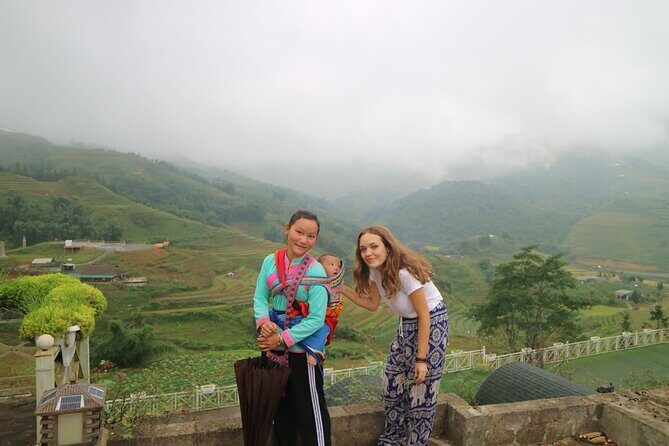
The best part is the cultural side. The route is designed around ethnic communities—Black Hmong and Tay—so the walking feels purposeful, not random.
You can also read our reviews of more tours and experiences in Hanoi


The Hanoi to Sapa Drive: Long-ish, But Scenic and Structured
You leave from Hanoi’s Opera House area in the morning. The transfer uses the new Noi Bai – Lao Cai highway (245 km). That matters because it typically means fewer stop-and-go headaches and better scenery along the way.
In real life, the ride is around 5–6 hours with a short break. That’s long enough that you’ll feel it in your body, but it’s not a full day of bus time either.
What to know before you board: one review flagged that the sleeper bus may not have extras like Wi-Fi or even toilet paper. That’s not something you can control, so treat the bus like a bus. Bring a small roll of tissue if you’re the prepared type, and keep your expectations realistic.
Day 1: Starting Easy in Sapa, Then Walking Into Village Life
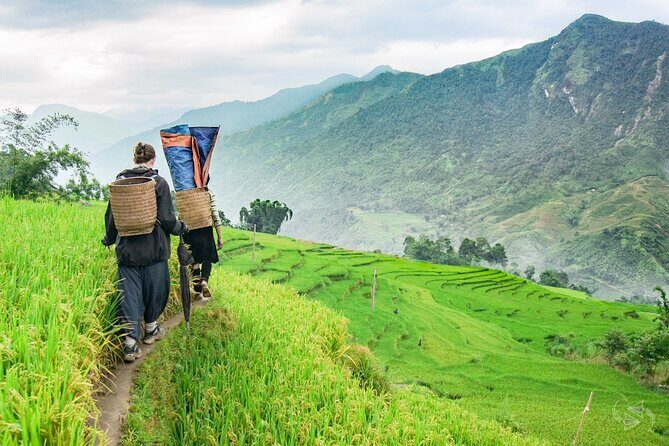
After arrival in Sapa, you’ll have lunch at a local restaurant. Then you head into the trek area to meet the valley’s ethnic communities.
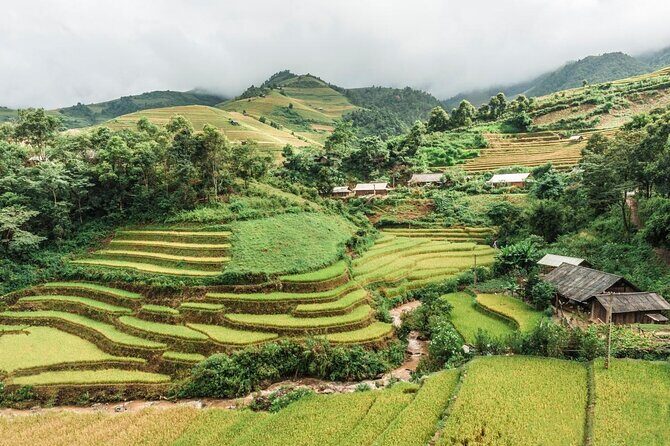
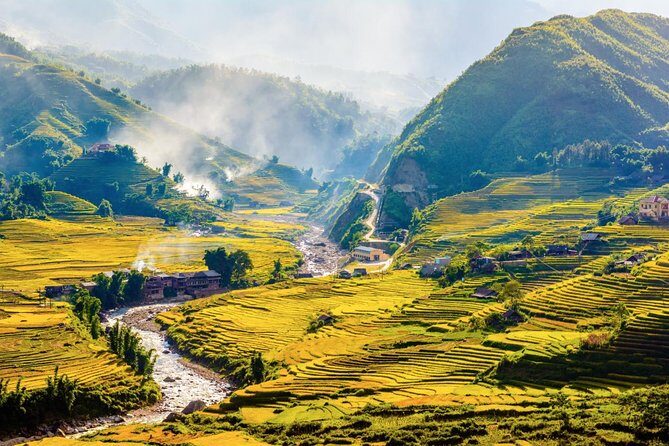
The walking is framed around Black Hmong and Tay villages, with stops or routes that can include Lao Chai, Ta Van, Giang Ta Chai, and others depending on the day’s route conditions. You’re there for terraced fields, mountain views, and the everyday rhythms of village life—not a theme park version.
This is also the day that tends to set the tone for the whole trip. If your legs are ready, you’ll enjoy the hiking more. If you show up underprepared, you’ll feel it later in the week.
One review specifically praised the hike length (they mentioned about 15 km). So yes, it can be a real trekking day, not a gentle stroll.
Practical tip: wear shoes you trust on uneven ground. If your shoes are fine for city sidewalks, don’t count on them for mountain paths.
Homestay Night: The Part That Can Feel Either Magical or Basic

The big draw here is the village homestay. You stay one night in the village in shared accommodation at a local house, then you sleep in a Sapa hotel the next night.
Homestay quality can vary by household, which is the honest part. A highly rated review described a clean room, a great view of the Sapa valley from the home, and cooking that made the whole stay feel warm and real. That same review also credited the guide ZerZer for hosting well and speaking good English.
Another review called the homestay experience horrible, but then said the guide (Lala) and the view from the H’mong hotel made up for it. That tells me two things:
- the guide matters a lot for how smooth your stay feels
- the homestay itself can be more basic than you’d hope
So how do you handle that as a traveler? Have the right mental model. This is not a boutique hotel. You’re booking into local life. If you’re flexible, you’ll likely love it. If you need “hotel-level” comfort, you might find the village night frustrating.
Either way, expect the family side of it. Breakfast is prepared by the family the next morning in the village homestay.
Day 2 Morning in Sapa, Then Up to Fansipan’s Peak Views

Day 2 starts with breakfast prepared by the family. After that, you’ll head back toward Sapa town. The route details include a transfer from Hau Thao back to Sapa town that’s about 17 km—around 30 minutes by motorbike or taxi (arrangements are part of the day).
Then comes the centerpiece: Fansipan. You’ll go up to about 2,800 meters, and the route includes climbing 600 steps to reach the peak area. You’ll also visit pagoda/spiritual destinations there.
The value of this day is simple: most Sapa visitors either stop at town viewpoints or treat Fansipan as a day-trip. Here, it’s integrated into the trekking rhythm, so it feels like the natural end of the mountain story.
The one caution is physical effort. Between the walking from Day 1 and the stairs on Day 2, plan to pace yourself. If you’re nursing sore knees, you’ll want to take the steps slowly.



Day 3 in Sapa Town: Slow Morning, Then Head Back to Hanoi
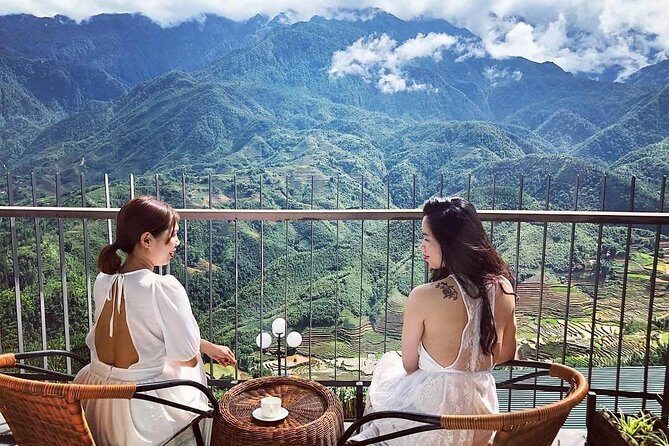
On Day 3, you eat breakfast at the hotel, then you get free time to explore Sapa town on your own. This is your buffer day. Use it to reset your energy and do any shopping you want—because on trek days, you’re usually busy.
After free time, you check out, clear any bills, and grab lunch on your own. Then you board the bus back to Hanoi. The return trip is again around 6 hours.
You end back at the original meeting point.
This last day matters more than it sounds. By giving you a block of independence time, you can adapt if weather or energy levels didn’t line up perfectly.
Price Breakdown: What $179.90 Actually Buys You
Here’s what you’re covering in the price:
- Round-trip transport from Hanoi (including pick-up at Hanoi Opera House and return)
- Air-conditioned vehicle and bottled water
- Local guide support
- Meals across the trip (breakfast, lunch, dinner as indicated)
- One night in a village homestay (shared accommodation)
- One night in a hotel in Sapa town
- Fansipan admission
The big value is the bundle. If you tried to piece it together yourself, you’d likely pay extra in time coordinating guides, homestay stays, and the Fansipan portion—or you’d end up with a less coherent experience.
One more practical point: the tour keeps group size capped at 15 travelers. Smaller groups usually mean you’re not constantly waiting for people who chose sneakers instead of hiking shoes.
What I’d Bring (So You Don’t Hate Day 1)

This is a trekking itinerary. The guide and transport are organized, but your body does the work.
Bring:
- Sturdy trekking shoes with grip (you’ll be grateful on slippery or uneven paths)
- Layers for cool mountain air (Sapa weather can shift)
- A small daypack for water and personal items
- A light rain option if you’re traveling in wetter seasons
- Your patience for basic accommodations during the homestay night
Also, if you’re the kind of person who dislikes surprises, pack small travel essentials for the bus ride. One negative point in a review was the lack of bus amenities like toilet paper. You can’t count on upgrades, so plan around it.
Who This Tour Fits Best
This is a good match if you:
- want a mix of village hiking + a real homestay night
- like cultural travel where the walking connects you to specific communities (Black Hmong and Tay)
- want the Fansipan climb as part of a guided itinerary, not as a solo mission
- prefer a small group (max 15)
It might be a weaker fit if you:
- need hotel-level comfort for every night
- hate stairs or have knee issues (Fansipan’s 600 steps are real)
- expect luxury bus comfort
If you do book, pick your posture: this trip rewards flexible travelers who see “basic” as part of the bargain.
Quick Notes on Etiquette and Expectations
Village stays are not just accommodation. They’re a relationship for the evening.
Be respectful in shared spaces. Follow your guide’s cues on timing and movement. Ask questions, especially about the family routine and food. That’s where the trip becomes memorable.
And if you get a guide like ZerZer or Lala, lean into it. English support helps you connect fast, and a good guide makes homestay rules and pacing easier.
Should You Book This Sapa Homestay and Fansipan Tour?
If you want Sapa with substance—villages you walk through, not just places you drive past—this is a solid choice. The strongest selling points are the homestay + the guided ethnic village trek, plus the built-in Fansipan day with its 2,800-meter views and 600-step finish.
I’d book it if:
- you’re ready for real hiking and stairs
- you’re okay with homestay-style comfort
- you value guided structure (transport, meals, lodging, entry included)
I’d pause if:
- you want maximum comfort at every step
- you’re worried about bus amenities
- you have mobility limitations for stair climbing
FAQ
What’s the price for this 3-day Sapa trek?
It costs $179.90 per person.
Where do you start and end in Hanoi?
The tour starts at Hanoi Opera House, 1 Tràng Tiền, Phan Chu Trinh, Hoàn Kiếm, Hà Nội, Vietnam, and it ends back at the same meeting point.
Is round-trip transport included from Hanoi?
Yes. Round-trip hotel transport from Hanoi is included.
How many nights of lodging are included?
You get 1 night in a village homestay (shared accommodation at a local house) and 1 night in a hotel in Sapa town.
Are meals included?
Yes. Meals are included as indicated: breakfast, lunch, and dinner.
Is Fansipan included, and how do you get up?
Fansipan is included. You reach around 2,800 meters and trek up to 600 steps to reach the peak area.
How big are the groups?
This activity has a maximum of 15 travelers.
What do I need to bring for the trek?
The trek involves daily walking, so you’ll want proper trekking shoes and be physically ready for hiking.
Is there a festival surcharge or holiday change in price?
Yes. There are surcharges for Independent Day (29/8–2/9), Christmas (20–25/12), and New Year (27/12–02/01). It notes an extra 30% as normal price during those periods.
Can I cancel for a refund?
You can cancel up to 3 days in advance for a full refund. If you cancel less than 3 full days before the start time, it won’t be refunded.