REVIEW · HANOI
2 days AMAZING trekking Sapa from Hanoi with various options
Book on Viator →Operated by Trekking Like A Boss · Bookable on Viator
Sapa hikes like this feel oddly perfect. What makes this trek interesting is the mix of scenic rice terraces and real village walking over two full days, run for a small group (max 15). I like the small-group attention that keeps the pace human, and I also like that you get an overnight in town plus three meals a day. One possible drawback: the logistics can feel a bit tight if you are relying on night-train pick-ups, so you’ll want to double-check timing.
A big plus is the human side of it. The experience is built around an English-speaking guide, and on past trips guides such as Nam (plus village support like Ai) have been praised for being patient and professional when the day changes shape with rain or crowds.
You’ve got two ways in: join in Sapa on your own schedule, or add door-to-door transfers from Hanoi Old Quarter by overnight train. If you take the train option, the meeting time is set for 8:00 pm in Hanoi, and then the tour handles the connection into Sapa and back.
In This Review
- Key highlights you’ll actually feel on the trail
- Why this two-day Sapa trek makes sense
- Choosing your Hanoi plan: night train transfers or joining in Sapa
- Day 1 route: Muong Hoa Valley, Shin Chai terraces, Ta Van, and Fansipan viewpoints
- Muong Hoa Valley (first views)
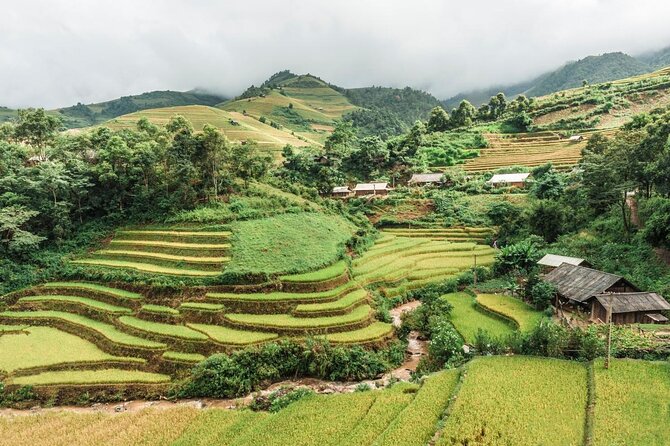
- Shin Chai terraced rice fields (the photo stop that actually matters)
- Ta Van Village (village walking pace)
- Fansipan hiking trips photo stop (even if you don’t summit)
- Clear-day bonuses: waterfalls, Tram Ton pass, and cable car views
- Day 1 end: hotel in Sapa Town
- Day 2 route: Cat Cat village and final big Fansipan views
- Cat Cat Village (about an hour)
- Final scenic payoff: great Fansipan views
- Hotel, meals, and comfort level during the trek
- Guide power: what “small-group” really means on this route
- What to pack (and how to handle fast-changing Sapa weather)
- Price and value: is $89 reasonable for this two-day plan?
- Who this tour fits best
- Should you book this trek or not?
- FAQ
- FAQ
- How much does the 2-day Sapa trekking tour cost?
- Is a hotel included, and what’s the comfort level?
- How many meals are included during the 2 days?
- Are train tickets included from Hanoi to Lao Cai and back?
- Do I need to buy Fansipan tickets separately?
- What if the weather is bad?
Key highlights you’ll actually feel on the trail
- Max 15 people means you’re not fighting for space with a huge group.
- Muong Hoa Valley + village route mixes valley views with village paths like Shin Chai, Ta Van, and Cat Cat.
- 3-star or 4-star hotel in Sapa for one night, with three meals a day included.
- Clear-day viewpoints are built in, with chances to see Fansipan, Tram Ton pass, and waterfalls when weather cooperates.
- Option to start from Hanoi by overnight train with coordination and transfers, so you’re not stuck planning the whole chain.
Why this two-day Sapa trek makes sense
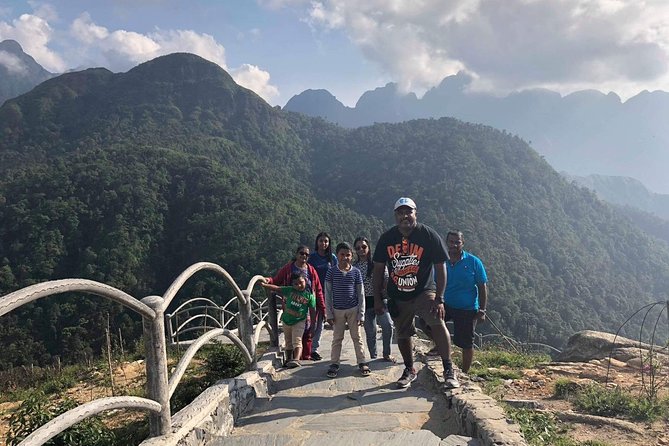
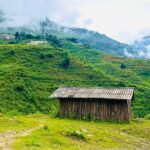
Sapa is famous for big, dramatic views, but most people arrive with only a day or two. This is set up for that exact reality. In two days, you get walking through rice-growing areas, plus multiple villages, without trying to cram in Fansipan itself as the whole event.
What you’re really buying here is good structure. You’ll have a guide, set stops, vehicle support where it makes sense, and meals so you don’t lose half a day hunting food. That’s the kind of comfort that matters once you’re walking in cool mountain air.
And yes, the rice terraces are the headline. But what makes it worthwhile is how the route strings them together with village life along the way, so it’s more than just photos from one overlook.
You can also read our reviews of more tours and experiences in Hanoi.


Choosing your Hanoi plan: night train transfers or joining in Sapa
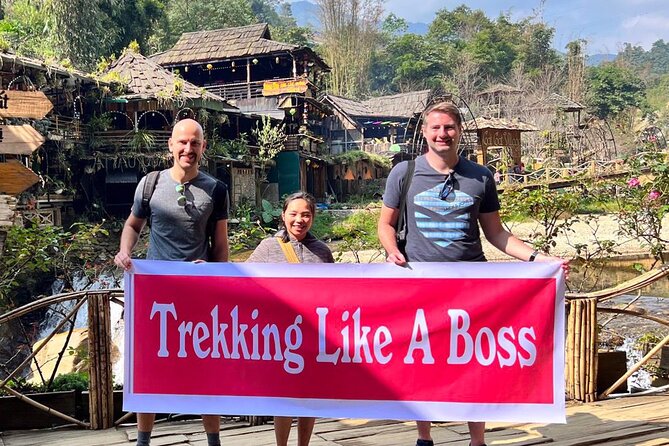
This tour can start in two different ways, and it changes how the day feels.
If you pick the option with overnight train, you’ll meet at 8:00 pm in Hanoi. Your plan includes coordination from the train station into Sapa (and back), with pick-up/drop-off at the station to the hotel in Sapa and return by bus (not a private car) for the train-linked option.
If you prefer to join in Sapa, you can do that too. In that case, you’re saving the train logistics, but you’ll need your own transport back and forth to Sapa as the tour does not include return train tickets for the hotels-without-train option.
Practical tip: if you’re sensitive to schedule stress, the train option can still be great, but you should confirm timing ahead of your departure day and be ready for a late change if the rail schedule shifts.
Day 1 route: Muong Hoa Valley, Shin Chai terraces, Ta Van, and Fansipan viewpoints
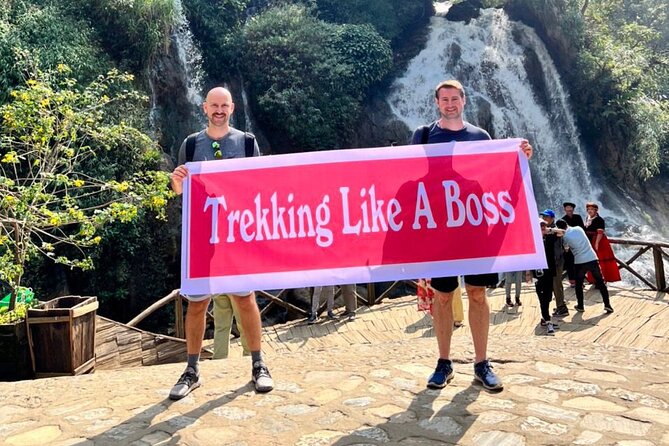
Day 1 is about getting you into the scenic rhythm of Sapa early. The walking and village stops are spaced so you’re not constantly in transition mode, but you still keep moving.
Muong Hoa Valley (first views)
You start with Muong Hoa Valley, a classic starting point for scenery. Expect time for photos and valley looks, about 30 minutes, and if the weather is clear, this is often when the mountain lines look sharp.
The drawback: if cloud rolls in, valley views can turn into foggy silhouettes. On this tour, that’s just part of the deal—clear days help a lot.
Shin Chai terraced rice fields (the photo stop that actually matters)
Next up is Shin Chai Village and its terraced rice fields. You’ll get a focused 30-minute visit with time to look at the terraces from angles that show how people carve the slopes for farming.
Terraces look best when the light is decent, so if you’re hoping for that crisp texture, this is one of the stops where you’ll want to be mentally ready to step off for photos fast.


Ta Van Village (village walking pace)
Then comes Ta Van Village with another roughly 30-minute visit. This is where the day shifts from big views to everyday village paths—less dramatic than a valley panorama, but often more interesting because you can see daily life around the route.
Fansipan hiking trips photo stop (even if you don’t summit)
There’s also a stop for Fansipan hiking trips, mainly a place to take photos and get your bearings toward the mountain. You’re not doing the full summit journey here, but it helps you understand what the rest of your trip is aiming at.
This is also one of the reasons the timing can feel like a montage: you’re gathering mountain moments throughout the day rather than staying stuck at one single spot.
Clear-day bonuses: waterfalls, Tram Ton pass, and cable car views
The route includes extra scenery that depends on visibility. On a clear day, you might get chances to see a waterfall, Tram Ton pass, and even the cable car station view from Muong Hoa Valley. You’ll also see other mountain viewpoints and waterfall chances when the weather lines up.
On the same day, you pass Ta Phin Village without a stop. That’s not a problem if your focus is hiking and terraces, but it does mean you won’t have extra village time there.
Day 1 end: hotel in Sapa Town
By the end of Day 1, you’re staying overnight in Sapa Town in a 3-star or 4-star hotel. This matters because you’re not trying to power through another full day without a real reset. You’ll be fed, warmed up, and able to start Day 2 with less fatigue.
Day 2 route: Cat Cat village and final big Fansipan views
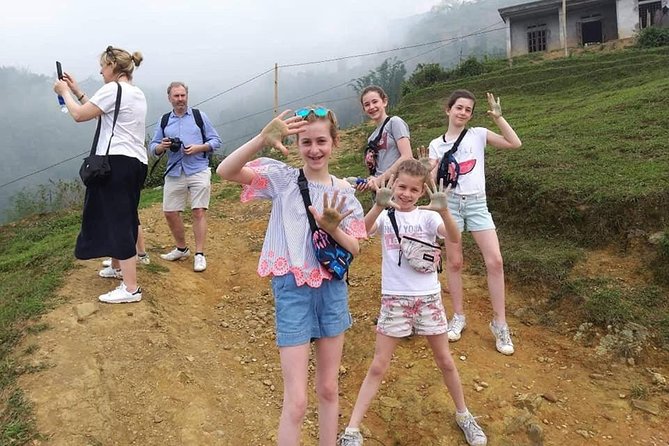
Day 2 keeps the pace friendly but shifts the scenery again—more village feel, one longer stop, and then the big finish.
Cat Cat Village (about an hour)
You’ll visit Cat Cat Village with around 1 hour on site. This is your best chunk of time for walking around a village area rather than only stopping briefly at viewpoints.
If you’re the type who likes to look slowly—small lanes, activity near homes, and the general rhythm of life—this is the stop where you can slow down.
Final scenic payoff: great Fansipan views
Day 2 also includes time for great views of Fansipan when conditions are right. Like Day 1’s bonuses, clear weather is the key. If it’s misty, you still get mountain presence, but you’ll lose some of the sharp lines that make photos pop.
The good news: even when visibility isn’t perfect, the walking route still has value because you’re seeing the hills and village textures up close.
Hotel, meals, and comfort level during the trek
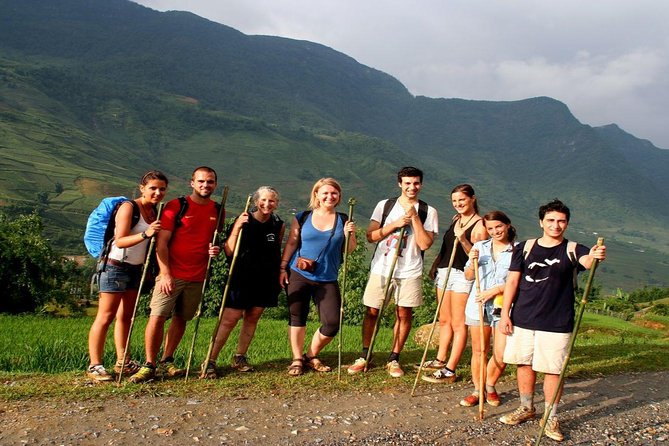
One of the smartest parts of this tour is the meal plan. You get two breakfasts, two lunches, and two dinners, and vegetarian food is available on request. That cuts one of the most common travel pains in Sapa: figuring out food mid-trek while trying not to hold up the group.
Your hotel is in Sapa Town and rated 3-star or 4-star depending on the booking. That’s a big upgrade compared to some rougher trekking setups, and it’s exactly what makes a two-day format enjoyable instead of punishing.
Transport is also handled with air-conditioned vehicles during the transfer parts. During active trekking, you’re obviously walking, but you’re not stuck roasting in a bus for every change of scenery.
Guide power: what “small-group” really means on this route
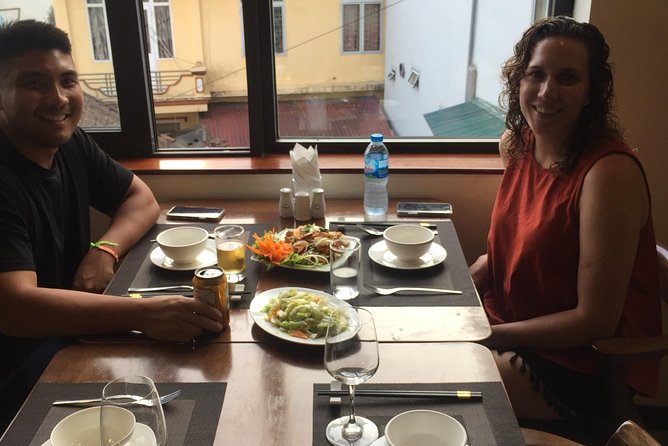
A group of up to 15 is a meaningful number here. It’s big enough to feel like a tour group, but small enough that your guide can adjust pace, help with basic navigation, and still keep you on track between stops.
English-speaking guidance is included, and on past trips guides such as Nam (and village support like Ai) have been praised for being patient and professional. That matters when roads are muddy, views disappear, and plans have to shift to match the weather.
One more reality check: some day’s flow can include stretches of waiting or free time. If you prefer highly structured minute-by-minute guiding, you might find the pace a touch loose. If you like flexibility for photos and slow looks, that open time can actually be a plus.
What to pack (and how to handle fast-changing Sapa weather)
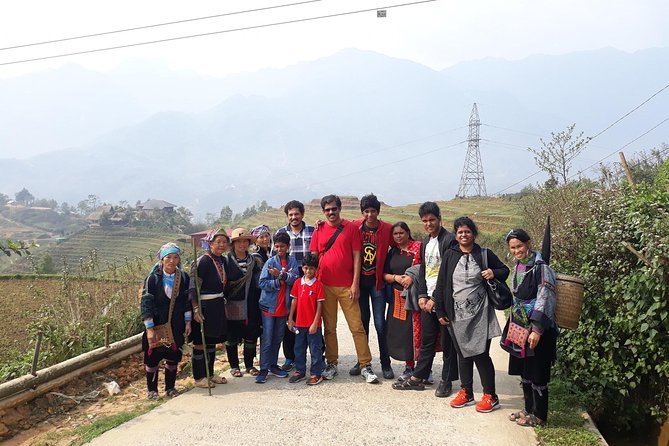
This experience has a weather dependency. If the sky is clear, you’ll get the best access to Fansipan views, plus chances for waterfalls and pass viewpoints. If it’s rainy or foggy, you’ll still trek, but certain sightlines won’t look as dramatic.
So pack for mountain “changeable” days, not one forecast. Bring layers you can adjust quickly and shoes you trust on uneven ground. You’ll also want a light rain layer because cool drizzle in Sapa can make stops feel longer than they should.
Also, keep your expectations realistic about photography. The tour builds in several photo moments, but some of the most photogenic views (like pass and waterfall angles) are specifically described as clear-day dependent.
Price and value: is $89 reasonable for this two-day plan?
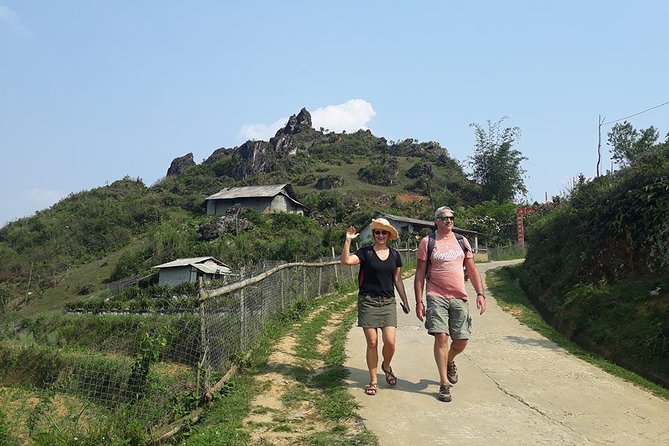
At $89 per person, you’re paying for a full two-day structure: hotel night in Sapa Town, guide support, included meals, and multiple village and valley stops with admission tickets for the listed visits.
What makes the price feel fair is what’s bundled. Many cheaper “trek” tours quietly charge extra for hotel, meals, or guidance, then sell you transfers separately. Here, the hotel and meal plan are part of the core package, and the group size stays limited.
What’s not included is also clear. Fansipan tickets are not included; you’ll be shown where to buy them. Also, if you’re using the hotels-without-train option, return train tickets are not included.
If your priority is maximum comfort with a guided route and you don’t want to design the logistics yourself, this tends to be good value for the time you have.
Who this tour fits best
You’ll likely like this tour if you want:
- A two-day Sapa experience without planning every leg yourself
- A route that mixes rice terraces + multiple villages rather than only one viewpoint
- A guided experience in a group that stays under 15 people
- Hotel comfort and full meals so the trek feels like a trip, not a survival contest
You might think twice if:
- You get anxious about timing and need perfectly smooth communication before pick-up
- You dislike having chunks of unstructured time for photos or breaks
- You’re betting everything on clear weather views of Fansipan and passes (visibility is not guaranteed)
Should you book this trek or not?
Book it if you want a well-fed, guided Sapa hit that covers the famous valleys and village routes in a compact time window. The included hotel and meals make the two-day format feel doable, and the small-group cap helps the guide manage your day.
Hold off if you’re extremely weather-dependent on specific photo angles and you hate any possibility of schedule stress around train pick-ups. In that case, consider joining in Sapa instead (so you control more of your timing), or be ready to accept that mist and rain can change which viewpoints look best.
Either way, do yourself a favor: plan your expectation around the idea that Sapa’s best scenery is partly about timing and sky.
FAQ
FAQ
How much does the 2-day Sapa trekking tour cost?
The price is $89.00 per person.
Is a hotel included, and what’s the comfort level?
Yes. You get one night at a hotel in Sapa Town, rated 3-star or 4-star, and it’s included with the tour.
How many meals are included during the 2 days?
The tour includes meals as listed: 2 breakfasts, 2 lunches, and 2 dinners. Vegetarian food is available on request.
Are train tickets included from Hanoi to Lao Cai and back?
Return train tickets are listed as not included for the option labeled hotels with no train. The tour does provide coordination and transfers around the train in the train-linked options.
Do I need to buy Fansipan tickets separately?
Yes. Fansipan tickets are not included. You’ll be shown where to buy them.
What if the weather is bad?
This experience requires good weather. If it’s canceled due to poor weather, you’ll be offered a different date or a full refund.