REVIEW · HANOI
Southeast Asia 23-day: Vietnam, Cambodia & Thailand
Book on Viator →Operated by Authentic Adventures · Bookable on Viator
This trip is built for getting things done. You see Vietnam, Cambodia, and Thailand in one organized run, with private guides and door-to-door transfers that cut down the chaos between stops. The route mixes must-see icons like Hanoi and Halong Bay with places most people only hit on separate trips.
I especially like two things. First, you get solid communication and on-the-ground help. The coordinator is praised for fast, friendly problem-solving, including help from Tran Son (and also Tran and Hang in published feedback), plus the trip supports contact by WhatsApp or phone. Second, the pace is structured but not frantic. One highlight from feedback: when weather hit Halong Bay with a typhoon, the team adapted so a cruise could still happen at the last moment.
One possible drawback: this is a lot of ground in 23 days. You’ll have early starts, long travel days, and plenty of temple and museum time, so it’s best if you’re okay with a fairly full itinerary rather than slow “one city at a time” wandering.
In This Review
- Key things I’d focus on before booking
- A 23-day route that’s practical, not just impressive
- Price and what you actually get for $3,129
- Day 1–3 in Hanoi and Halong/Lan Ha: where timing does the heavy lifting
- Temple of Literature, Hoan Kiem Lake, and Hue’s royal stops
- Hoi An leisure time and the jump to Ho Chi Minh City
- Ho Chi Minh City and the Mekong: war sites and water life
- Phnom Penh: the Royal Palace plus a choice at the painful sites
- Angkor: big temples, plus Koh Ker and Beng Mealea
- Bangkok to Chiang Mai: temples plus markets plus a tiger temple detour
- Doi Inthanon, Lampang, Chiang Rai White Temple, and the Golden Triangle
- Comfort, transfers, and group size: how the trip stays from turning into a mess
- Who should book this route (and who might want a different style)
- Should you book Authentic Adventures for Vietnam, Cambodia, and Thailand?
- FAQ
- What is the duration and overall route?
- How much does it cost?
- Does the tour include pickups and transfers?
- How large is the group?
- What’s included in the price?
- What is not included?
- What time does the tour start each day?
- Can I choose what to visit in Phnom Penh?
- What happens if weather affects the trip?
Key things I’d focus on before booking

- Private guiding in each destination so you spend time seeing, not searching
- Small group size (up to 10) which usually means less waiting and more attention
- Halong Bay to Lan Ha Bay by cruise with sunrise and onboard activities
- A strong Angkor mix: the big temples plus Koh Ker and Beng Mealea
- Northern Thailand finale with Doi Inthanon, Chiang Rai White Temple, and the Golden Triangle
A 23-day route that’s practical, not just impressive
If you’re trying to do Vietnam, Cambodia, and Thailand without turning every day into a logistics project, this is the right idea. The tour is built around pickups, air-conditioned transport, and guides that meet you at each step. You also get domestic flights included, which is what makes a 23-day multi-country plan even possible.
The tour is also unusually “hands-on” for a package. The itinerary doesn’t just list sights. It includes things like transfers to marinas for cruises, airport transfers for flights, and built-in meal times. That matters in Southeast Asia, where a few missed connections can snowball into missed temples and extra cash spent on last-minute cars.
And there’s a human side. Feedback praises friendly coordination and quick replies when plans need adjusting. That’s not a small thing: weather, traffic, and ferry schedules can shift. Having someone watching the day helps.
You can also read our reviews of more tours and experiences in Hanoi.
Price and what you actually get for $3,129
At $3,129 per person for about 23 days, you’re paying for convenience plus the big-ticket logistics. This price includes private-room accommodation, domestic flights, an air-conditioned vehicle, a tour guide, entrance fees for included sightseeing, and meals (breakfast daily, plus lunches and dinners on scheduled days). Tips and alcohol aren’t included, but the rest of the “day-to-day cost chaos” is handled.
The best way to see value here is to count the elements that are hardest to organize yourself:
- Domestic flights across the route (Hanoi to Ho Chi Minh City; Cambodia to Bangkok; Bangkok to Chiang Mai)
- Entrance fees for all the included sites
- Transport + guide coverage from city to city, and even within days (temple circuits, museum blocks, and market stops)
- Halong Bay cruise logistics (pickups, tender transfer, sunrise timing, onboard activities)
If you prefer to build your own trip, you can often do it cheaper. But if you want the trip to feel like it’s moving with you—rather than you chasing it—this package style tends to work well.
Day 1–3 in Hanoi and Halong/Lan Ha: where timing does the heavy lifting

You start in Hanoi. Day 1 is gentle: arrival, transfer to your hotel, and free time to orient yourself around the city. That’s smart. Hanoi needs a little “getting your bearings” time before you jump into tours.
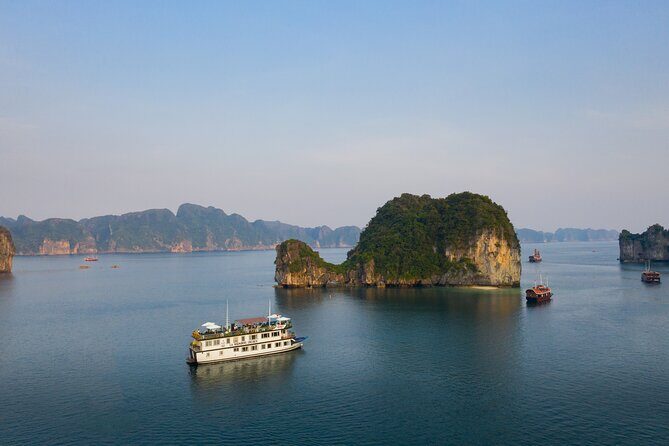
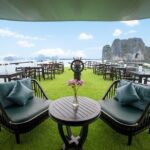
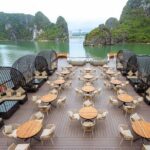
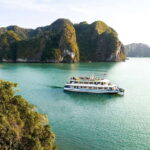
Day 2 takes you to Halong Bay / Lan Ha Bay by cruise. The morning includes pickup from the hotel or your address, a short break, then arrival at Tuan Chau marina before tender transfer to the cruise (the schedule mentions La Pandora). Lunch timing is handled on board, and you sail through the limestone karst scenery around Lan Ha Bay.
The cruise day is also designed for variety:
- Afternoon sailing through Lan Ha Bay and time around Ong Cam area
- Evening anchoring for overnight stay
- A cooking demonstration (spring rolls) and a complimentary sunset party on the sundeck
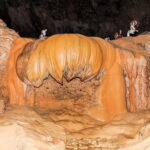
Day 3 starts early with sunrise and a Tai Chi session on the sundeck, plus breakfast onboard. You also have a cave visit listed (Dark & Bright Cave is part of the plan). Then you’re back to Hanoi in time for more free exploration.
A realistic consideration: sunrise tours and early pickups are the norm here. If you love crisp mornings, you’ll enjoy this. If you’re a “sleep is sacred” person, plan to be flexible for the next few days too, because the itinerary continues to run on tour timing.
Temple of Literature, Hoan Kiem Lake, and Hue’s royal stops
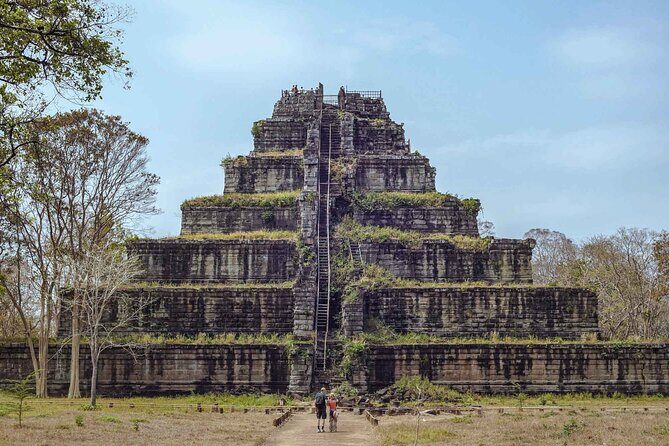
After the bay, you shift into Vietnam’s cultural and historical highlights.
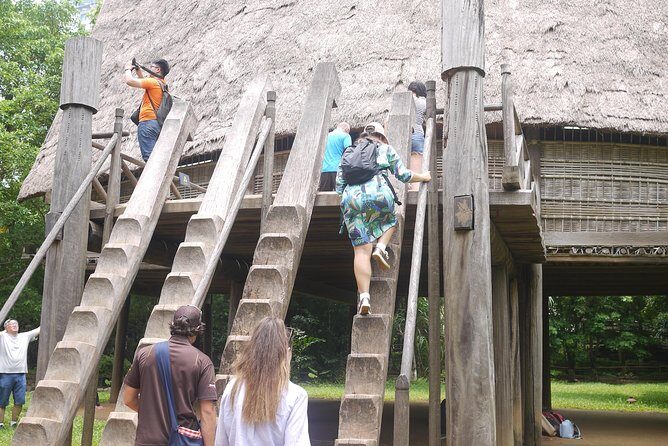
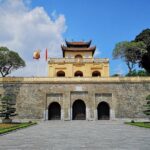
On Day 4, you visit the Temple of Literature and National University (UNESCO). This site works well with a guide because the “why it matters” is easier to understand when someone ties it together. After that, you stroll around Hoan Kiem Lake and visit Ngoc Son Temple, then continue to the Vietnam Museum of Ethnology, which is a great contrast to all the temple sightseeing.
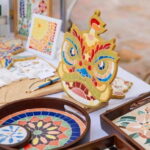
Day 5 is Hue day. You visit Thiên Mụ Pagoda, then the Hue Royal Palace area and museums tied to the imperial past. You also stop at Dong Ba Market for lunch nearby. The second half of the day focuses on tombs—Emperor Minh Mang and Khai Dinh—plus a craft stop where you see locals making incense sticks and conical hats before transferring to Hoi An.
That craft village detail matters more than it sounds. In places like Vietnam, those small workshops help you understand everyday life beyond the big monuments.
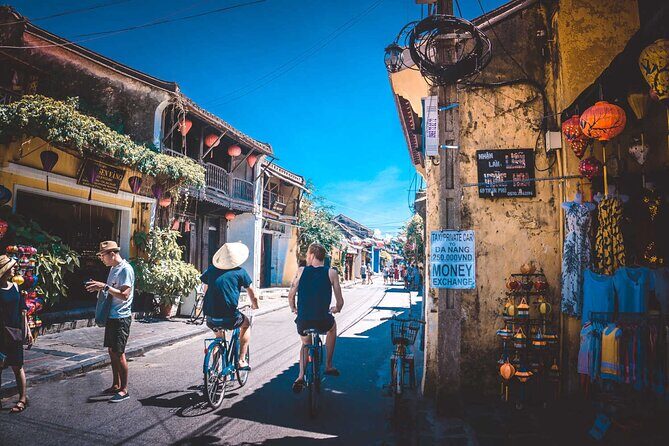
Day 6 brings My Son Sanctuary (UNESCO) in the morning and then a walking tour in Hoi An: the Old Town vibe is best enjoyed on foot. Expect stops that include a local market and old houses/assembly halls (the plan specifically references Tan Ky and Fu Jian Assembly Hall). You also get a dinner-style rhythm because the itinerary keeps meal times built in.
Hoi An leisure time and the jump to Ho Chi Minh City
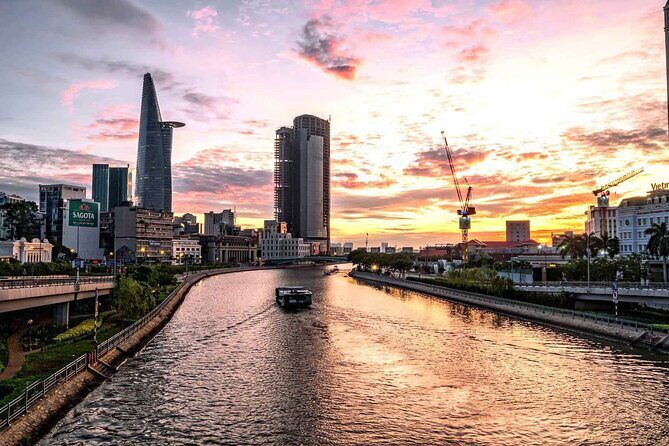
On Day 7, you get a true breather: breakfast, then free time in Hoi An for shopping and relaxing around the Old Town. This free block is important. It keeps the trip from feeling like a constant sprint.
On Day 8, you fly from Hanoi to Ho Chi Minh City (the schedule has an airport transfer and arrival at Tan Son Nhat). Once you arrive, you check in and spend the rest of the day at leisure.
This flight step can be a blessing. It saves you a huge amount of bus time, which matters because you still have war-era history and river-country sightseeing coming up.


Ho Chi Minh City and the Mekong: war sites and water life
Day 9 is Cu Chi Tunnels plus major city history: the plan includes the Re-Unification Palace and Notre Dame Cathedral area sightseeing. This is heavy content, but it fits the route because you then transition into the Mekong’s slower rhythms.
Day 10 shifts to the Mekong Delta via Ben Tre. You do a boat trip along the Mekong River, and the plan includes visiting a family-run business. This is the kind of stop where you learn how people make a living here, beyond just riding a boat and leaving.
On Day 11, you’re up around 6:30am for the Cai Rang Floating Market, a wholesale fruit-and-vegetable market at its busiest early. You also cruise through smaller channels, and then you visit Châu Đốc later.
Day 12 is cross-border day: speed boat from Châu Đốc to Phnom Penh, arriving at Sisowath tourist quay. The rest of the afternoon and evening are free for exploring.
Real talk: this part of the trip includes boats, early mornings, and border crossing logistics. The payoff is that you see the Mekong in a way that feels lived-in, not like a rushed stop.
Phnom Penh: the Royal Palace plus a choice at the painful sites
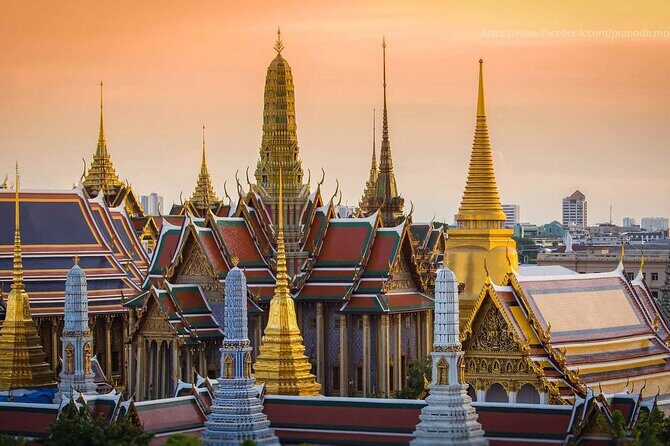
Phnom Penh days are split clearly.
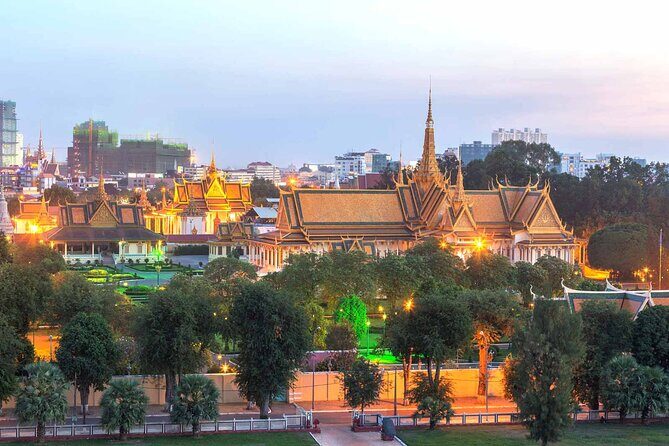
On Day 13, you visit the Royal Palace and Silver Pagoda. These are stunning in an architectural way, but the real value is context—your guide can explain what these spaces were built to represent.
Then comes your option: you can choose to explore either the Khmer Rouge Killing Field and/or Tuol Sleng Genocide Museum. The tour lists both as possibilities and frames them as sobering reminders. That choice matters because people process this kind of history differently. If you prefer to do both, you can. If you only want one, the schedule gives you flexibility.
This is one of the areas where a private guide really helps, because the sites are emotionally heavy and you’ll want someone to keep the story accurate and understandable.
Angkor: big temples, plus Koh Ker and Beng Mealea
Angkor is the main event, and the itinerary doesn’t just do the most famous photos.
On Day 14, you start with Angkor Thom and then visit Ta Prohm, known for the temple structures with trees growing around them. In the afternoon you go to Angkor Wat, the best-known temple in the complex.
Day 15 expands the usual script. You go beyond the crowd magnets with a trip to Koh Ker—a remote, jungle-forested temple complex and a former capital of the Khmer Empire. Koh Ker tends to feel different from the main Angkor area because it’s less about postcard crowds and more about ruins and forest.
You also stop at Prasat Neang Khmaw and Prasat Pram on the way back, then lunch near Beng Mealea before visiting it. Beng Mealea is overgrown, with walk-through ruins that feel wilder and less restored. It’s also one of those places where you’ll get more out of it if you have a guide explaining the structure rather than only admiring the scenery.
Day 16 adds a quieter side: National Museum of Cambodia and Tonlé Sap Lake. The museum helps you understand what you’re looking at in Angkor. Tonlé Sap gives you a sense of how water shapes daily life in this region.
Bangkok to Chiang Mai: temples plus markets plus a tiger temple detour
After Cambodia, the tour flies to Bangkok on Day 16.
Day 17 includes Damnoen Saduak Floating Market and a visit to a handicraft home industry. Then you head to the Kwai River area and visit the Tiger Temple in Kanchanaburi. That’s a distinctive stop, and it’s good you’re going with a schedule rather than trying to piece this together alone.
Day 18 moves to ancient city ruins in Ayutthaya. You visit Bang Pa-In Summer Palace, then focus on Wat Maha That and Wat Phra Si Sanphet. This combo gives you both palace elegance and temple scale.
Day 19 is back to Bangkok for classic highlights: Wat Traimit (Golden Buddha Temple), Wat Pho, and Wat Benjabophit, followed by lunch and then a flight to Chiang Mai.
Doi Inthanon, Lampang, Chiang Rai White Temple, and the Golden Triangle
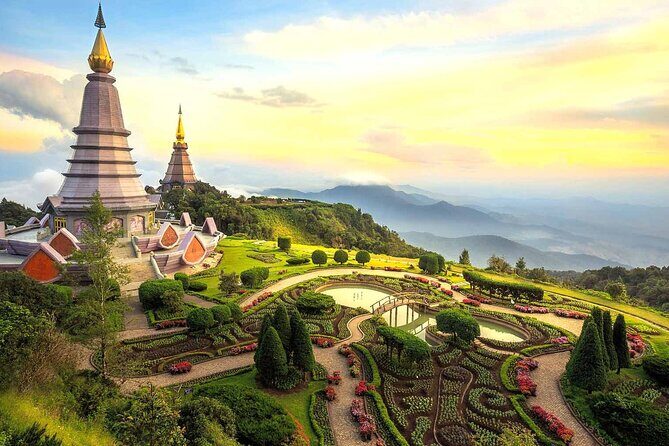
Day 20 is Chiang Mai plus Doi Inthanon National Park. You visit Chedis of the King and Queen, then a Karen hill tribe village, and end with Wachirathan Falls. The value here is variety: temples, viewpoints, and natural stops in one planned day.
Day 21 shifts to Lampang. You visit Wat Prathat Lampang Luang and stop by Kad Kong Ta Street Market. The plan also includes Wat Phra That Lampang Luang and Wat Phra That Hariphunchai in Lamphun. This day works well if you enjoy Lanna-style temple architecture and want something beyond Chiang Mai’s core sights.
On Day 22, you go to Mae Khachan hot springs, then Wat Rong Khun (White Temple), Chiang Saen, and the Golden Triangle area where three countries meet: Thailand, Myanmar, and Laos. You also visit Wat Phrathat Pukhao, described as a viewpoint of the Mekong junction of Thailand, Laos, and Myanmar and located near the House of Opium.
This is a strong way to close the loop: you finish in northern Thailand with big views and cultural sights, not just more temples.
Day 23 ends with breakfast, then free time in Chiang Mai before transfer to the airport for departure.
Comfort, transfers, and group size: how the trip stays from turning into a mess
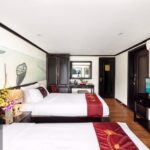
The tour is run with air-conditioned vehicles and includes transfers for key movements (marinas, airports, between sightseeing blocks). It also lists private rooms, and the group size caps at 10 travelers. In practice, that combination usually means:
- less waiting for people who are lost
- fewer “who’s missing” moments
- more time with your guide instead of sitting around
You also get a simple communications setup: WhatsApp or phone contact with organizers. One of the best perks here is that if something shifts—weather, timing, or a transport snag—you have a real person to help troubleshoot.
And it’s not just smooth planning. Past feedback highlights that the team adapted when a typhoon hit Halong Bay, still getting a cruise portion done at the last moment. That’s exactly what you want to hear when you’re booking weather-sensitive days.
Who should book this route (and who might want a different style)
This tour fits best if you:
- want private guides and transfers to handle most logistics
- like structured itineraries but still want a few free blocks (Hoi An has one, and there are leisure periods in multiple cities)
- can handle early starts for Halong and the floating market
- want one trip that covers Hanoi, Halong/Lan Ha, Hue, Hoi An, Ho Chi Minh City, the Mekong, Phnom Penh, Angkor, Bangkok, Chiang Mai, and Chiang Rai
You might look for a slower, single-country trip if you:
- hate packed days and constant motion
- want lots of unscheduled wandering
- prefer fewer temple visits and more long beach-style recovery time
Should you book Authentic Adventures for Vietnam, Cambodia, and Thailand?
I’d book it if your priority is a well-run circuit with minimal logistics stress. The route hits the big names—Halong Bay, Angkor Wat—plus meaningful extras like Koh Ker and Beng Mealea, and the northern Thailand finale with Doi Inthanon and the Golden Triangle. With private guiding, included entrance fees, and domestic flights taken care of, you buy a lot of mental energy back.
Before you decide, be honest about your tolerance for busy days. If you’re the kind of person who enjoys sunrise starts, long car rides with stops, and temples packed into a schedule, this fits your travel style.
If you’d rather take your time in fewer places, you’ll probably enjoy a slower alternative more. But for a 23-day cross-country sweep done with real coordination, this one is built to deliver.
FAQ
What is the duration and overall route?
The tour runs for about 23 days and includes stops across Vietnam (starting in Hanoi), Cambodia (including Phnom Penh and Siem Reap/Angkor), and Thailand (ending in Chiang Mai).
How much does it cost?
The listed price is $3,129.00 per person.
Does the tour include pickups and transfers?
Yes. Pickup is offered, and the itinerary includes transfers for activities like getting to the Halong Bay marina and airport transfers for domestic flights.
How large is the group?
The tour has a maximum of 10 travelers.
What’s included in the price?
Included items are private-room accommodation, domestic flights, air-conditioned vehicle, a tour guide, entrance fees for included sightseeing, and meals (breakfast, plus lunch and dinner on scheduled days).
What is not included?
Tips, alcoholic drinks, soft drinks, and personal expenses are not included.
What time does the tour start each day?
The meeting start time is listed as 7:00 am.
Can I choose what to visit in Phnom Penh?
The Phnom Penh day lists options to explore either the Khmer Rouge Killing Field and/or Tuol Sleng Genocide Museum.
What happens if weather affects the trip?
The tour requires good weather. If it’s canceled due to poor weather, you’ll be offered a different date or a full refund.