REVIEW · HANOI
Sapa 2 Days 1 Night From Hanoi – Overnight in Ta Van Village
Book on Viator →Operated by Vietnam Travel Top · Bookable on Viator
Two days can feel like a whole different country. This Sapa hike-and-stay trip trades planning for structure, with an English-speaking guide and an overnight in Ta Van that lets you see rural village life up close. You’ll get guided treks through rice terraces and small hamlets, plus meals handled for you. One thing to be ready for: the transport is long (and the overnight stay is basic, not a luxury hotel).
I especially like how the tour handles the hard parts—bus timing, meals, and direction—so you can focus on the walking and the views. The group stays small (up to 15), so it’s easier to hear your guide and keep together. Still, the route can shift with conditions, and Sapa weather can turn fast, so pack for cold and mud.
If you’re picturing a smooth, paved “tour bus then photos” day, this isn’t that. This is an active, guided trek with real village stops, where the payoff is in the details: terraces you can walk beside, streams you can follow, and conversations with locals through the day.
In This Review
- Key Things That Make This Tour Worth Your Time
- Sapa in Two Days: What You’re Really Signing Up For
- Hanoi Pickup to Sapa Arrival: The Bus Day That Sets the Tone
- Day 1 Trek from Sapa to Lao Chai: Y Linh Ho, Terraces, and Muong Hoa
- Ta Van Village Overnight: A Bungalow Stay That Feels Like Part of the Place
- Day 2 Morning Trek to Giang Ta Chai: Rice Paddies, Bamboo Forest, Panorama Views
- Sapa Town Time and the Return to Hanoi: Don’t Waste Your Hour
- Price and Value: What $59 Gets You (and What It Doesn’t)
- Weather, Altitude, and Packing: What Keeps the Trip Comfortable
- The Guides Matter: English Support and Local Storytelling
- Who This Ta Van 2D1N Hike Works Best For
- Should You Book This Sapa 2 Days 1 Night From Hanoi to Ta Van?
- FAQ
- How long is the trip and is it one night?
- Is pickup included from Hanoi?
- What meals are included?
- What type of lodging do you get in Ta Van?
- How big is the group?
- Do I need trekking experience?
- What should I bring for Sapa weather and trekking?
- Is WiFi available?
- What happens if weather is bad or I need to cancel?
Key Things That Make This Tour Worth Your Time
- English-speaking guidance in Sapa so you don’t have to worry about getting lost
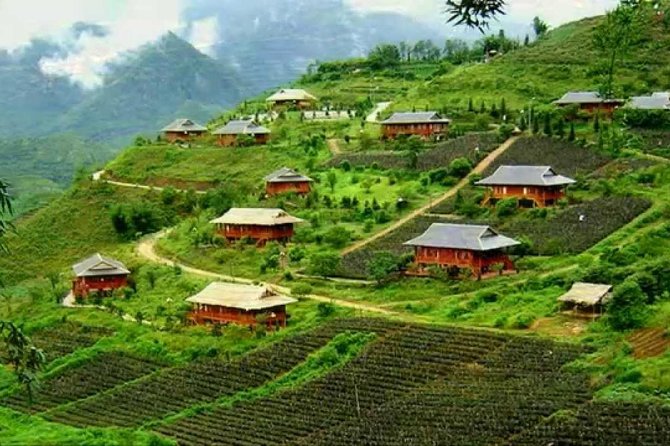
- Ta Van overnight in a bungalow/stilt house setup for one night in the hills
- Rice-terrace and stream trekking on Day 1, plus bamboo forest views on Day 2
- Meals included (breakfast, dinner, and lunches) plus water on the bus
- Small group size (max 15) for better pace control and easier communication
- Luggage support: you can leave luggage on the bus, with village transfers mentioned during trekking time
Sapa in Two Days: What You’re Really Signing Up For

This is a 2 days 1 night Sapa experience built around walking. You leave Hanoi in the early morning, reach Sapa Town by early afternoon, hike in the Sapa area, sleep in Ta Van, hike again the next morning, then head back to Hanoi.
The value is in how much gets bundled: bus travel (including water), an English-speaking guide, meals, and a night in a village bungalow/stilt house. You’re not piecing together bus tickets, restaurant stops, and guide logistics one by one.
The “watch for” part is the style of travel. The trip is active and outdoorsy, and Sapa can be cold, foggy, or muddy depending on the season. If you want a low-effort option, you’ll probably want a gentler day tour instead.
You can also read our reviews of more tours and experiences in Hanoi.



Hanoi Pickup to Sapa Arrival: The Bus Day That Sets the Tone
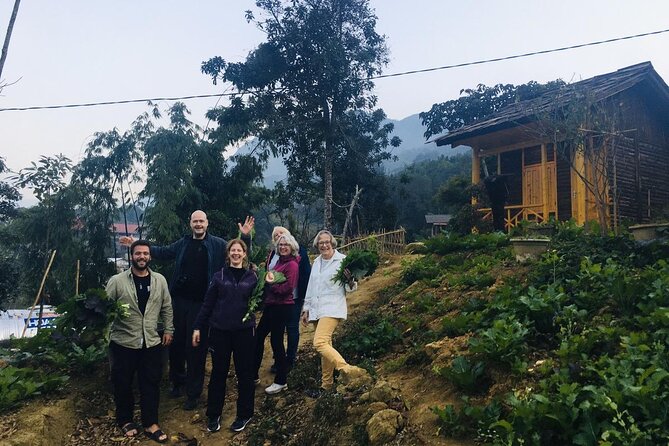
The day starts with pickup options in Hanoi. One scheduled option has pickup from the Hanoi Old Quarter area around 6:00–6:20, then transfer to the big bus and depart toward Sapa Town. Comfort breaks are built in along the highway route.
As the bus rolls toward Lao Cai and on to Sapa, you’ll get into the rhythm of “travel day first, hiking later.” This matters because Sapa walks start after you arrive, and your body will feel it if you skip sleep the night before.
Once you reach Sapa Town around 13:00, the guide meets you at the bus station and brings you to lunch at a local restaurant. This is a good buffer: you don’t start trekking right off the bus. You’ll also see the area’s mix of traditional dress—H’Mong, Dzao, and Tay ethnic people—right when you arrive, which helps the whole trip feel real from the start.
Day 1 Trek from Sapa to Lao Chai: Y Linh Ho, Terraces, and Muong Hoa
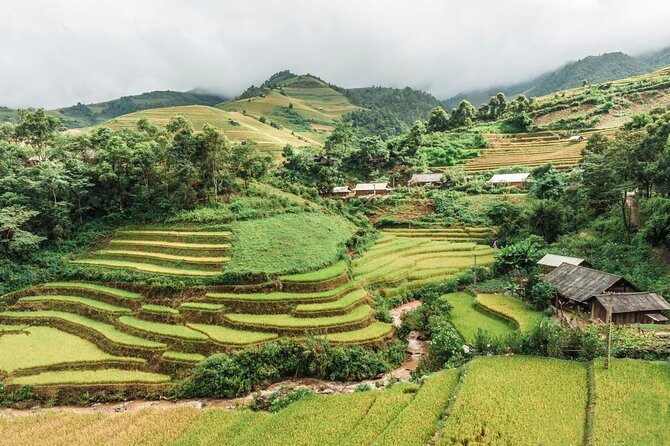
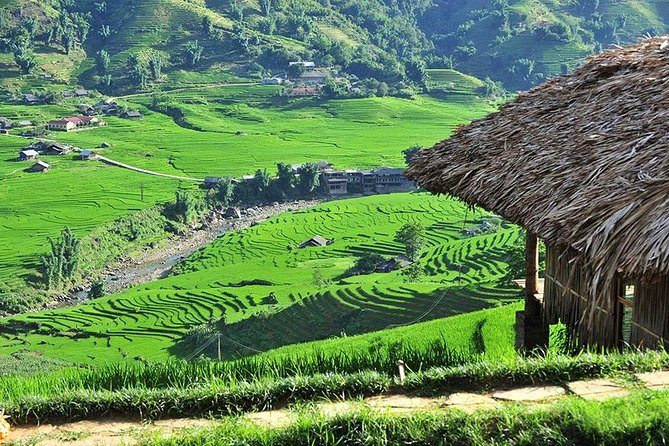
Day 1 is your big walking day. Around 14:30, you start trekking through Y Linh Ho, then continue through rice terraces and along the Muong Hoa Stream. The walk is aimed at reaching a Black Hmong village of Lao Chai, with views toward Hoang Lien Son Mountain.
This is the heart of what people come for. Instead of looking at Sapa from a viewpoint, you’re moving through the valley paths where the terraces actually unfold. Stream walking also changes the feel of the route: it’s not just open fields; it’s varied terrain with different textures and footing.
Expect the pace to depend on conditions. The tour notes that schedules and itineraries can change due to weather and operating conditions. Reviews also reflect that muddy trails can slow things down, and guides often adjust routes for the group.
One practical tip: wear real trekking shoes. This is the kind of route where flip-flops and fashion sneakers get annoying fast. If you’ve ever stepped on wet rice-straw ground, you already know what I mean.
Ta Van Village Overnight: A Bungalow Stay That Feels Like Part of the Place

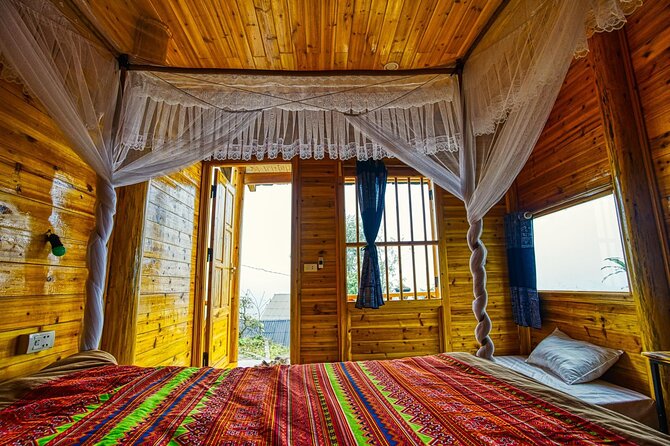
After Day 1 trekking, you sleep in Ta Van—in a bungalow/stilt house (dorm) style setup. The room policy is typically standard 2–3 people per room, which is more than you’d get in a private hotel, but still organized.
Dinner is included, and breakfast is prepared by the family the next morning. That matters because it shifts the experience from “tourist food at a restaurant” to a more village-style routine—eat, rest, and get going with the day.
What’s also worth knowing: you should expect rural standards, not a polished resort. Some past experiences mention lodging not matching the word luxury, so I’d think of this stay as rustic and functional. If you’re okay trading comfort for authenticity, you’ll likely love it.
Also, bring warm layers. Sapa weather can be unpredictable, and trekking plus evening coolness can make the simplest indoor comforts feel very welcome.
Day 2 Morning Trek to Giang Ta Chai: Rice Paddies, Bamboo Forest, Panorama Views
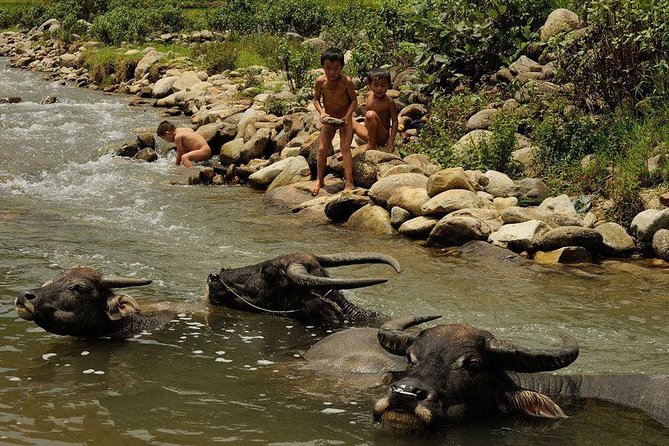
Day 2 starts earlier, with breakfast prepared by the family around 8:00. Then you’re back on the trail toward Giang Ta Chai Village.
A scheduled timing point shows 8:45 as you keep walking to rice paddies for a photo session, then trekking through a bamboo forest and reaching a panorama view area in the Giang Ta Chai region.
This day tends to feel more scenic and playful than the first big push. Two reasons: you’re already acclimated to the village rhythm, and you have a clear “photo and view” sequence built in. You’re also walking with the guide’s pacing, so you’re not stuck figuring out which path is best or where the turns happen.
One smart move: ask your guide about route options if conditions are wet. The tour is weather-dependent, and guides can adjust difficulty. If you prefer less steep footing, you’ll usually have more flexibility than you expect once you’re with locals who know the terrain.



Sapa Town Time and the Return to Hanoi: Don’t Waste Your Hour

After the Day 2 trek, you head back. A schedule point has pickup from the village area leading to the bus station around 13:30, then free time in Sapa Town from about 14:00–15:00.
That hour can be enough for a simple win: grab a drink, wander the town center, or do quick shopping if you’re looking for something specific. Then you meet the group again around 15:00–15:30, and you continue your return travel connection.
The key is to keep this time purposeful. If you spend it on long café breaks and shopping errands, you’ll feel rushed when it’s time to re-group for the return bus.
If you want my practical advice: use the hour to reset your body—warm up, change socks if you got wet, and refill snacks. It makes the trip back feel easier.
Price and Value: What $59 Gets You (and What It Doesn’t)
At $59 per person, the price looks low for a two-day package, but it’s only a good deal if you value what’s included. Here’s the value breakdown based on what the tour lists as included:
- Hanoi–Sapa and return by bus, with water (2 bottles per person for both ways)
- Hotel pickup in the Hanoi Old Quarter area option (or a meeting point option depending on the transfer details you receive)
- English-speaking local guide during Sapa hiking and guidance
- Meals included: breakfast, dinner, and lunches (listed as two lunches total)
- Overnight bungalow/stilt house in Ta Van
- Insurance during the time using the bus
- Air-conditioned vehicle and WiFi on board
What’s not included: beverages, travel insurance, VAT, and personal expenses. You’ll also want to plan for any extra drinks beyond the included water.
So is it worth it? For the kind of traveler who wants a guide, meals, and a village night without building it all yourself, yes. If you’re already comfortable hiring a guide on your own and you’re picky about accommodation quality, you might compare against higher-end private trekking options.
Weather, Altitude, and Packing: What Keeps the Trip Comfortable
Sapa weather is unpredictable. The tour notes it’s often cold in many months (especially September through March), and fog can be an issue in December, January, February, and March. That means your plans can shift, and trails may be slippery.
Pack like you’re going to be outside. The tour specifically suggests warm clothes, a scarf, hat or cap, and plenty of warm layers. It also flags fog and altitude-related conditions, so plan for reduced visibility.
For the trekking footwear, stick with trekking shoes. You’ll also want sun protection (sunglasses and sunscreen) and insect repellent. Even if it feels cold, insects can still be around once you’re near water and vegetation.
One more practical note: bring cash in Vietnamese Dong. Banking systems in Sapa sometimes don’t function well, and while US dollars and euros are accepted, cash still makes your day smoother if something doesn’t take payment.
If you’re the type who gets cold easily, this is also where electric blanket rumors start to matter. Some similar stays mention electric blankets, and it’s a good reason to treat sleeping comfort as an important part of your planning.
The Guides Matter: English Support and Local Storytelling
A huge part of why this kind of trek feels worth it is your guide. The tour lists an English-speaking local guide in Sapa, and the names appearing from past experiences are a strong hint of the tour’s emphasis on guidance.
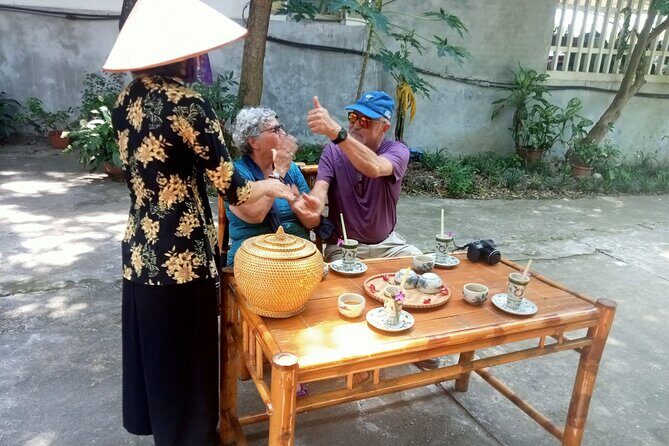
You might be led by guides such as Su, Dao, May, Mu, Chang, or Khu, depending on the group and schedule. The best guides don’t just point the direction—they explain what you’re seeing: village life, customs, and how different communities fit into the mountain valleys.
I’d take “English-speaking guide” seriously. On these trails, explanations are what turn a walk into an understanding. When the route gets muddy or the weather forces tweaks, good guidance also helps you keep confidence and keep moving without frustration.
Who This Ta Van 2D1N Hike Works Best For
This is a good fit if you want:
- a guided hike with rice terraces, villages, and stream walking
- a village overnight in Ta Van with included meals
- a small group experience (max 15)
- a plan that handles transport and food so you don’t juggle logistics
It’s less ideal if you’re very sensitive to cold, hate uneven footing, or expect hotel-level comfort. Reviews also hint that the bus ride can be long, and some people found the ride and/or lodging not exactly what they wanted.
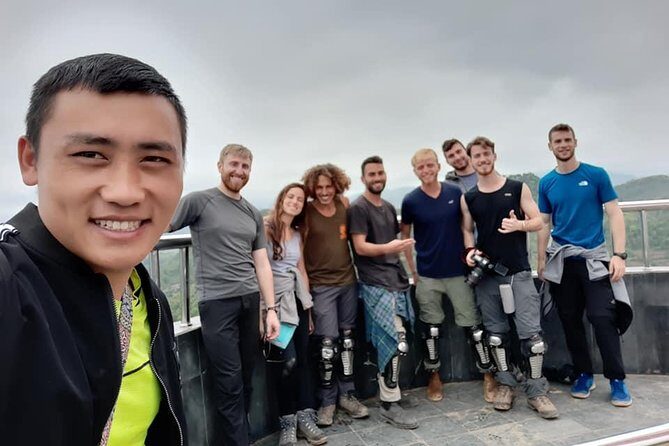
If you’re traveling solo, the group format can be a plus. A small group makes it easier to meet others and stick together through the day’s changes.
Should You Book This Sapa 2 Days 1 Night From Hanoi to Ta Van?
I’d book it if your goal is a real Sapa walking experience with minimal planning. The mix of an English-speaking guide, included meals, and an overnight in Ta Van makes it feel like a complete package rather than a “just transportation” deal.
Skip this only if you need a fully comfortable lodging standard, or if long travel time is a deal-breaker. Also think twice if your tolerance for cold and mud is low—Sapa does weather tricks.
If you do book: pack warm, wear proper shoes, and go in expecting a village night that’s authentic rather than fancy. Do that, and you’ll likely come away with the kind of Sapa memories that don’t come from a single scenic viewpoint.
FAQ
How long is the trip and is it one night?
It’s a 2-day experience with 1 night in Ta Van Village.
Is pickup included from Hanoi?
Yes. The tour offers pickup in the Hanoi Old Quarter area option (scheduled around 6:00–6:20), and it also notes that you may receive pickup details and meeting instructions before the trip.
What meals are included?
You’ll have breakfast and dinner, plus two lunches during the trip. Water on the bus is also included.
What type of lodging do you get in Ta Van?
You sleep in a bungalow/stilt house (dorm) setup in Ta Van, with a standard room policy of 2–3 people per room.
How big is the group?
The tour lists a maximum of 15 travelers.
Do I need trekking experience?
The tour says most travelers can participate, and it’s guided with an English-speaking local guide, but you should be prepared for outdoor walking and weather changes.
What should I bring for Sapa weather and trekking?
Bring warm clothes, a scarf, hat/cap, trekking shoes, sunglasses/sunscreen, insect repellent, and medicine. The tour also notes conditions can be cold and foggy in certain months.
Is WiFi available?
Yes. WiFi is provided on board the bus.
What happens if weather is bad or I need to cancel?
The experience requires good weather. If it’s canceled due to poor weather, you’ll be offered a different date or a full refund. You can cancel for a full refund if you cancel at least 24 hours in advance.