A peaceful temple stop. Then food class energy.
This Rose Kitchen Hanoi experience pairs a visit to Trấn Quốc Pagoda with a hands-on cooking session in a local villa setting. I like how the morning-to-afternoon flow keeps switching gears: quiet history first, then you’re back at the stove learning real techniques.
Two things I particularly like: the cultural storytelling (you may meet hosts like Maxie, who are clearly trained to explain what you’re seeing), and the way the cooking part is set up so you can actually succeed—good equipment, proper space, and a meal you eat family-style. One consideration: it depends on good weather, so if forecasts look bad, be ready with a backup plan.
In This Review
- Key highlights (what makes this worth your time)
- Trấn Quốc Pagoda: a calm start with real context
- The van-to-villa transition: how the timing stays stress-free
- Inside the cooking class: premium tools and a chef-trained guide
- What you’ll cook and taste: more than a meal, it’s a mini food lesson
- CSR in plain language: how your booking creates ongoing help
- Value and practical details: is $49 worth it?
- Who this fits best (and who might want a different plan)
- Should you book Rose Kitchen Hanoi’s Trấn Quốc Pagoda and CSR Cooking Class?
- FAQ
- FAQ
- How long is the Rose Kitchen Hanoi Trấn Quốc Pagoda and cooking class?
- What is the price per person?
- Do you get hotel pickup and drop-off?
- Where does the experience start?
- What’s included with the cooking class meal?
- Are cooking utensils and equipment provided?
- Is there a guide during the experience?
- What CSR initiatives does the tour support?
- Does the tour require good weather?
- How many people are in a group?
Key highlights (what makes this worth your time)
- Trấn Quốc Pagoda first, with context on its history, architecture, and the spiritual life around it
- Hands-on cooking in a local villa, with air-conditioned comfort and premium tools
- A guide and on-site host who help make the whole experience easy and not awkward
- Homemade fruit wine tasting plus fresh seasonal fruit after the meal
- CSR baked into your booking, supporting cancer patients, remote-region education, and ethnic minority women’s employment
- Pickup and drop-off in Hanoi’s Old & French Quarter, plus luggage storage on request
Trấn Quốc Pagoda: a calm start with real context
You start at Trấn Quốc Pagoda, also called Chùa Trấn Quốc, at Thanh Niên, Yên Phụ, Tây Hồ, Hà Nội. The payoff here is not just seeing a famous temple. It’s learning how it fits into Hanoi’s spiritual rhythm today, while also getting a practical look at its architecture and history.
This is the kind of stop that works well early in the day. The pace stays relaxed, and the guide’s job is to help you notice things you might miss on your own—how the space is laid out, what different areas suggest, and how locals engage with the pagoda as a living place. If you like travel moments where you can actually ask questions, this part is built for that.
One subtle benefit: starting with the pagoda helps you reset your brain before the cooking class. After temples, you’re not just hungry—you’re in a more “slow travel” mindset, which makes the food part feel more grounded and less like a one-off activity.
You can also read our reviews of more tours and experiences in Hanoi.


The van-to-villa transition: how the timing stays stress-free
The tour runs about 4 hours 30 minutes. You get hotel pickup and drop-off within Hanoi’s Old & French Quarter, and that matters more than it sounds. Hanoi traffic and street navigation can steal time fast, so being met and returned to the right area keeps the day from turning into logistics.
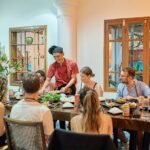
The cooking/dining space is air-conditioned, which is a big deal in Hanoi when the weather warms up. You’re not squeezing around outside, waiting for a table, or trying to figure out where your station is. Instead, the setup is meant for guests to cook comfortably and eat well—so the class feels more like a workshop than a rushed show.
Another small convenience: there’s free luggage storage available upon request, and the tour also lists luggage storage up to 3 days included. If you’re bouncing hotels or doing a longer trip, that’s handy for keeping your day light.
Inside the cooking class: premium tools and a chef-trained guide
After the temple visit, you head to a hidden local villa for the hands-on part. The key idea here is that you’re not just watching someone else cook. You’re preparing dishes yourself with equipment and utensils provided, in a space designed for cooking.
The quality target is clear: 5-star facilities and equipment. That phrase can sound like marketing, but in a cooking class it often shows up as small things: the tools being in good shape, the workspace being functional, and the staff having everything you need close by. When those pieces are right, you spend less energy figuring out the setup and more on learning technique.
What makes the instruction feel credible is the training background of the chefs—trained by a former Head Chef and Training Director of Sofitel Metropole. Practically, that usually means the teaching style is structured: you get clearer steps, better pacing, and guidance that helps you avoid common mistakes.
You’ll also have a guide and on-site host for your comfort. That support matters if you’re still gaining confidence with Vietnamese flavors and ingredient names. Even if you’ve cooked Vietnamese food before, you’ll likely appreciate having someone guide you through the logic of how the dishes come together.
What you’ll cook and taste: more than a meal, it’s a mini food lesson
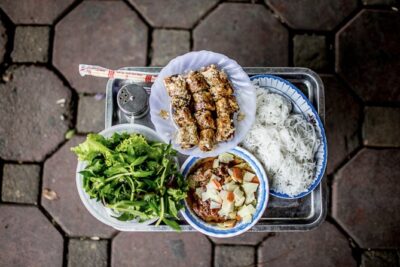
The class focuses on authentic Vietnamese dishes, with guidance that helps you build flavors step by step. The itinerary doesn’t list every single dish by name, but you can expect a full session that ends with you eating what you made—so the “learning” and the “tasting” are connected.
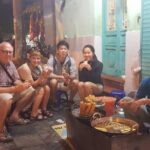
During the meal, you’ll eat in a traditional style: family-style dining, plus local customs like toasting. That part is easy to skip on many food tours, but here it’s part of the design. It turns the meal into a shared moment instead of a plate-and-leave experience.
You’ll also get complimentary tasting of signature homemade fruit wine. That’s one of those details that feels fun and slightly special, but it also gives you a deeper sense of Vietnamese dining habits—how people often pair drinks with food and conversation, not just meal service.
After dinner (or lunch, depending on your session), fresh seasonal fruit is served. That’s a classic closing move in Vietnam: light, simple, and a clean finish after richer flavors.
Note on drinks: one participant highlighted coconut coffee alongside the fruit wine. Coconut coffee isn’t listed as guaranteed in the tour details you provided, but if you see it offered during your session, it’s worth trying.
CSR in plain language: how your booking creates ongoing help
This tour doesn’t treat CSR like a separate fundraising pitch. A portion of your booking supports three ongoing initiatives:
- Monthly charity meals for cancer patients
- Educational programs for disadvantaged children in remote regions
- Sustainable employment for ethnic minority women working as butlers
Why that matters for you as a traveler is simple: your time becomes part of a bigger story than just food and photos. You’re supporting work that shows up repeatedly—monthly meals and education programs are not one-time gestures.
And because the employment piece connects to butlers, it also ties into the human side of the villa setting. Even when you’re just there for cooking, you’re still part of a system that helps people build steady income and dignity.
If you care about ethical tourism but don’t want to make the whole day heavy, this is a smart middle path. You get culture, hands-on learning, and a tangible way to contribute.


Value and practical details: is $49 worth it?
At $49 per person, this sits in the “reasonable for a guided, structured experience” range—especially because it includes more than one component. You’re paying for:
- The Trấn Quốc Pagoda visit with an English-speaking local guide and cultural storyteller
- A full hands-on cooking class in a proper facility
- A full lunch or dinner (session-dependent)
- Fruit wine tasting and fresh fruit
- Pickup and drop-off within the Old & French Quarter
- Equipment, utensils, and support during the meal
A lot of Hanoi food tours either cover the cooking only, or cover the sightseeing only. This combines both, and the cooking part has the ingredients/tools handled for you. That makes it good value if you want structure without the stress of planning.
Timing-wise, it’s also efficient. You get a full afternoon block—about 4.5 hours—without losing your whole day. Plus, there’s a listed group discount and a limit of up to 100 travelers, which helps keep the experience from feeling too chaotic.
One more value perk: you get 20% off other hands-on cultural experiences. If you’re staying longer in Hanoi, that nudges you toward stacking worthwhile activities instead of doing one-off things that don’t connect.
Who this fits best (and who might want a different plan)
I think this experience is a strong match if you want:
- A temple visit with explanation, not just a photo stop
- A cooking class where you actually cook and then eat what you made
- A day that mixes calm culture with a satisfying food focus
- A way to support CSR without making the experience gloomy
You might want to choose something else if you dislike group travel or you’re looking for a purely independent food crawl with no structure. This is designed for guided storytelling and a set timeline.
Also, because the experience requires good weather, it’s best to book it when you have flexibility. Hanoi can change fast, and the tour notes weather sensitivity—so check forecasts when you can.
Should you book Rose Kitchen Hanoi’s Trấn Quốc Pagoda and CSR Cooking Class?
Yes—if you want a single ticket that gives you two high-value cultural moments (pagoda + cooking) plus a practical, included meal. The real strengths are the storyteller-led temple visit, the hands-on setup with quality tools, and the fact that your money supports work that keeps happening.
My advice: book it if you’re the type who enjoys understanding context, learning techniques, and leaving with both food skills and stories you can repeat. If your dates are tight and weather is questionable, consider keeping a backup day in mind.
FAQ
FAQ
How long is the Rose Kitchen Hanoi Trấn Quốc Pagoda and cooking class?
It runs about 4 hours 30 minutes.
What is the price per person?
The price is $49.00 per person.
Do you get hotel pickup and drop-off?
Yes. Pickup and drop-off are offered within Hanoi’s Old & French Quarter.
Where does the experience start?
It starts at Trấn Quốc Pagoda, Thanh Niên, Yên Phụ, Tây Hồ, Hà Nội, Vietnam.
What’s included with the cooking class meal?
You’ll get a full Vietnamese lunch or dinner (depending on your session), fruit wine tasting, and fresh seasonal fruits after the meal.
Are cooking utensils and equipment provided?
Yes. All cooking equipment and utensils are provided for your use.
Is there a guide during the experience?
Yes. You’ll have an experienced English-speaking local guide and also a friendly tour escort and on-site host.
What CSR initiatives does the tour support?
A portion of your booking supports monthly charity meals for cancer patients, educational programs for disadvantaged children in remote regions, and sustainable employment for ethnic minority women working as butlers.
Does the tour require good weather?
Yes. The experience requires good weather. If it’s canceled due to poor weather, you’ll be offered a different date or a full refund.
How many people are in a group?
The activity has a maximum of 100 travelers.