REVIEW · HANOI
Hanoi: Taste Fresh Lotus Tea Ceremony & Untold Stories
Book on GetYourGuide →Operated by Mộc Thôn · Bookable on GetYourGuide
This Hanoi experience is interesting because it treats lotus tea like a craft, not a souvenir. You start with mindful tea calm-down, then move into the story of West Lake lotus tea, including how it gets its scent through a patience-heavy multi-day process.
I love the hands-on brewing coaching: you get clear guidance on water temperature, steeping time, and tea ratios, so you can actually taste the difference you’re learning. I also like the setting: the Hidden Heritage Villa feels preserved and quiet, so the whole ceremony has a natural pace.
One possible drawback: if you want lots of sightseeing or action, this is a slower, quieter 150-minute workshop, and you’ll spend most of it sipping and listening rather than roaming.
In This Review
- Key things I’d watch for
- A preserved villa sets the pace for lotus tea
- West Lake lotus tea: scent layers and the multi-day patience trick
- Fresh stamens, aroma judgment, and what authentic lotus tea should feel like
- Hands-on brewing: temperature, steep time, and tea ratios that matter
- Floating cakes pairing: why it works with lotus tea
- The Da Lat coffee farmer child education connection
- Instructors who actually teach, not just perform
- Price and value: what $28 buys in real terms
- Who this ceremony is best for in Hanoi
- Should you book this Hanoi Fresh Lotus Tea Ceremony?
- FAQ
- How long is the Fresh Lotus Tea Ceremony experience?
- Where is the experience located?
- What languages are offered during the ceremony?
- What’s included besides the tea tasting?
- Are there any food pairings?
- Is a certificate available?
- Is the tour wheelchair accessible?
- How do pickup and drop-off work?
- What’s the cancellation and payment approach?
Key things I’d watch for
- Hidden Heritage Villa calm: a preserved setting that keeps the ceremony from feeling rushed
- Fresh lotus stamens up close: you see and smell real lotus parts, not just packaging
- West Lake tea authenticity tips: learn how to spot genuine lotus tea versus flavored substitutes
- Hands-on brewing steps: temperature, steep time, and tea ratios explained for real results
- Pairing with floating cakes: lotus tea and Vietnamese flavors you can recognize and remember
- Da Lat coffee-farmer child education link: your experience ties into a good cause
A preserved villa sets the pace for lotus tea
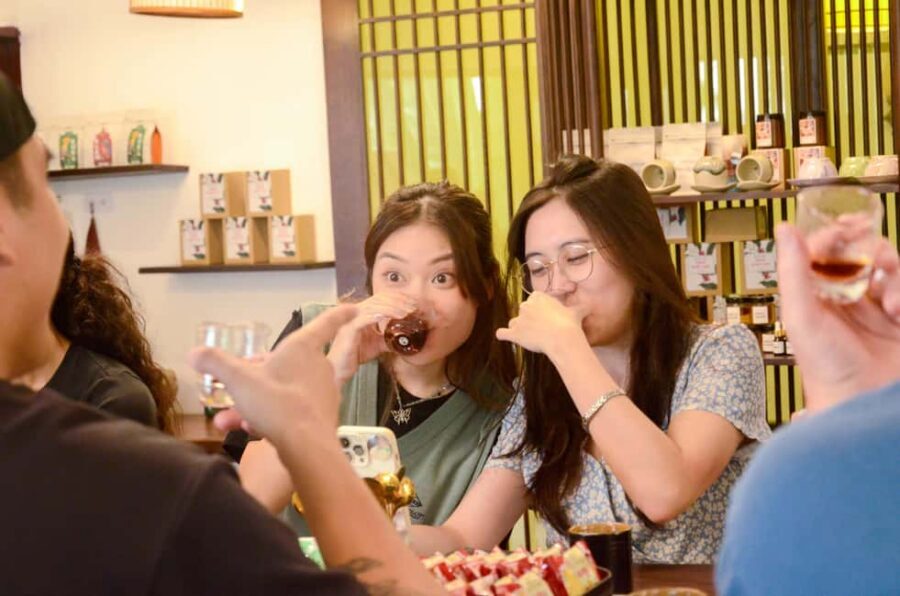
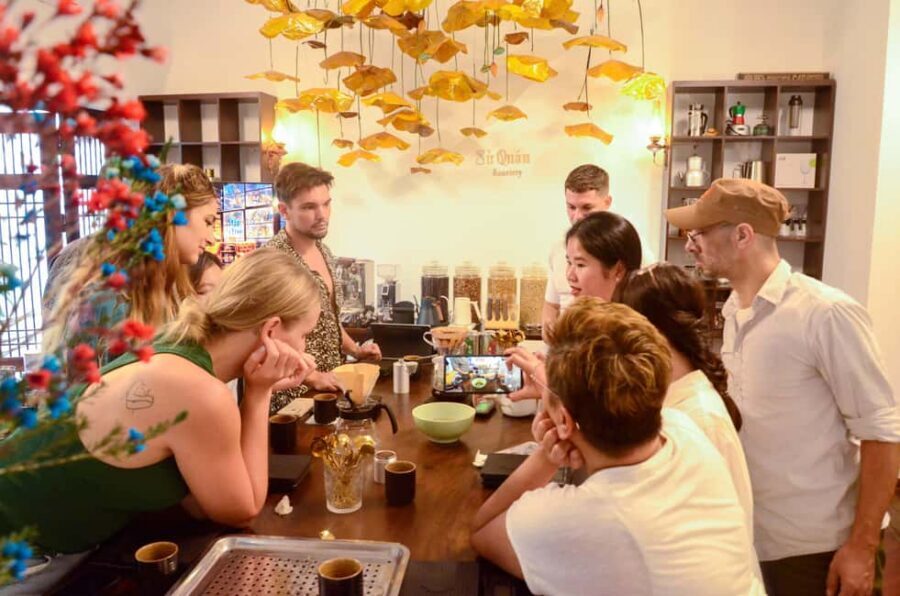
The experience begins in a quiet, preserved villa setting. That matters more than it sounds. Tea ceremonies work best when your brain stops multitasking, and this kind of calm place helps you slow down without forcing it.
Before you start tasting, your host gives a gentle introduction to tea mindfulness. The goal isn’t yoga. It’s a small reset: breathing, noticing aroma, and letting your senses wake up before you judge flavor. If you’re the type who tends to rush meals or skip tastings at markets, this part helps you catch what lotus tea is actually doing.
After that, the host shifts into story mode. The West Lake lotus tea tale is part history, part craft explanation, and part authenticity lesson. It’s not just why people love the tea. It’s how the scenting process stays tied to tradition, generation after generation.
You can also read our reviews of more tours and experiences in Hanoi.



West Lake lotus tea: scent layers and the multi-day patience trick
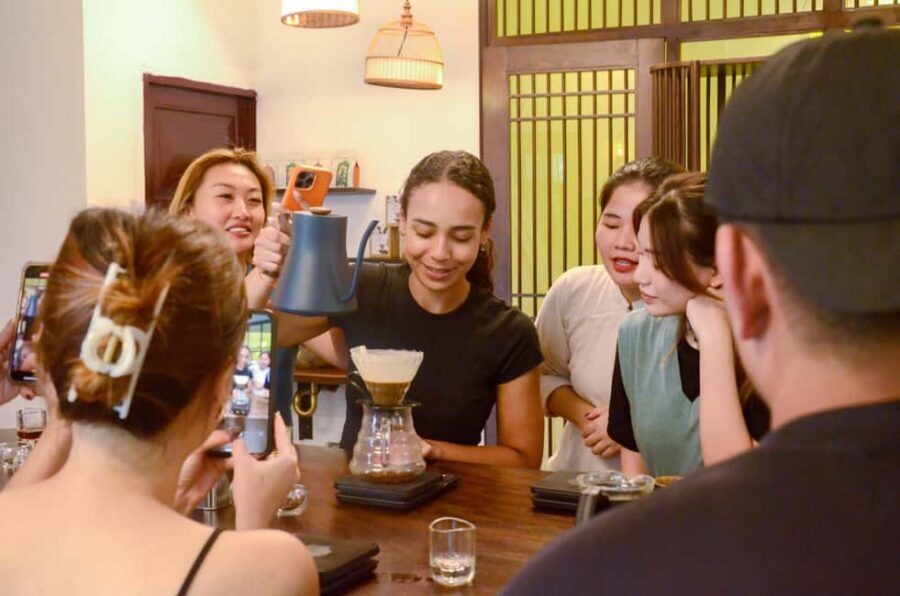
West Lake lotus tea has a reputation in Vietnam, and the session explains why it’s often called the king of Vietnamese teas. The big idea is that it’s not only about lotus flavor. It’s about capturing lotus character through scenting over time.
You’ll hear why the scenting technique has stayed consistent over the years. The process relies on patience because it takes multiple days. Instead of dumping aroma on tea in a quick chemical-style shortcut, the traditional method uses time to let scent develop properly.
Then you get to see and smell fresh lotus stamens. This is one of the most practical parts of the ceremony. When you can match what you smell in front of you with what you later sip, you stop guessing. You also start learning how lotus tea should smell compared with watered-down or perfumed versions.
A key teaching point is how to distinguish authentic lotus tea from flavored alternatives. You’re not just told it’s important. You learn what to look for by experience: aroma character, how it behaves, and what should show up through brewing rather than just tasting something that tastes like flowers.
Fresh stamens, aroma judgment, and what authentic lotus tea should feel like
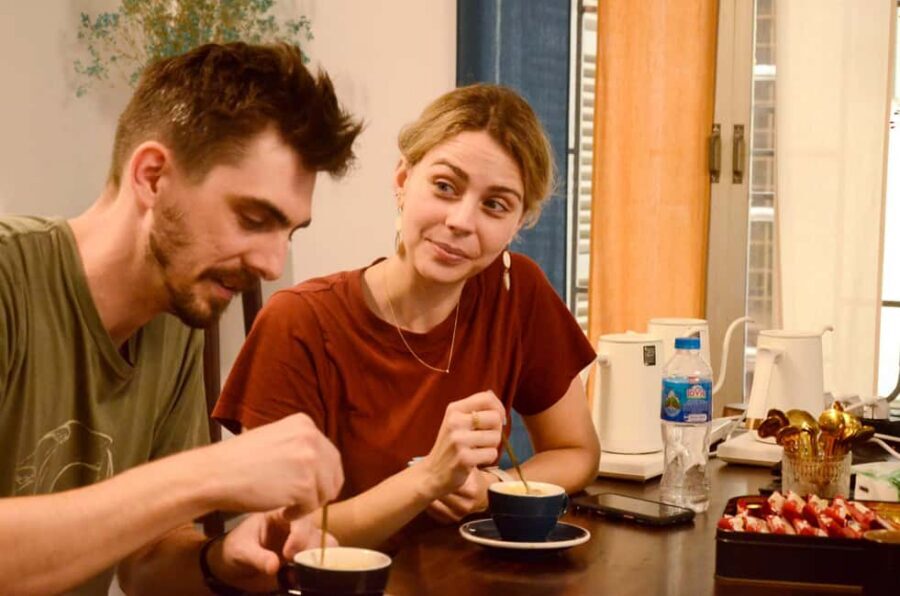
Lotus tea is subtle, and the session keeps it grounded in sensory specifics. You’ll practice noticing how aroma develops in layers. That’s a huge difference from tea tasting where people say it tastes floral and move on.
Here’s what you’re coached to look for as you sip slowly:
- gentle bitterness
- a long, sweet aftertaste
- aroma changes as the tea cools slightly or steeps properly
This is the kind of guidance that makes tea tasting feel less mysterious. Instead of hoping for a magical flavor, you compare what you’re experiencing with what the tea is designed to do.
Another practical advantage: once you understand authentic lotus tea behavior, it gets easier to judge quality later on your own. You’ll have a memory of how real lotus scent can show up as a layered experience, not just a single perfume note.
Hands-on brewing: temperature, steep time, and tea ratios that matter
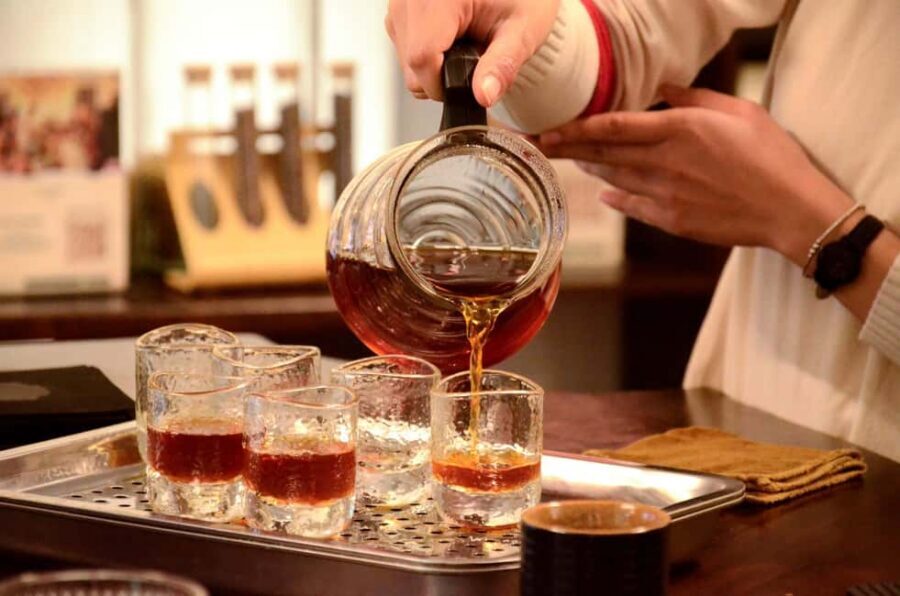
This is the part I’d call the practical engine of the class. You don’t just watch. You learn how to brew the lotus tea correctly so the aroma and flavor land where they should.
Your instructor guides you through:
- water temperature
- steeping time
- tea ratios
Those three details shape everything. If water runs too hot or you steep too long, delicate aroma can turn harsher or lose its smooth sweetness. If you under-steep or use the wrong ratio, you can end up with tea that smells good but tastes thin.
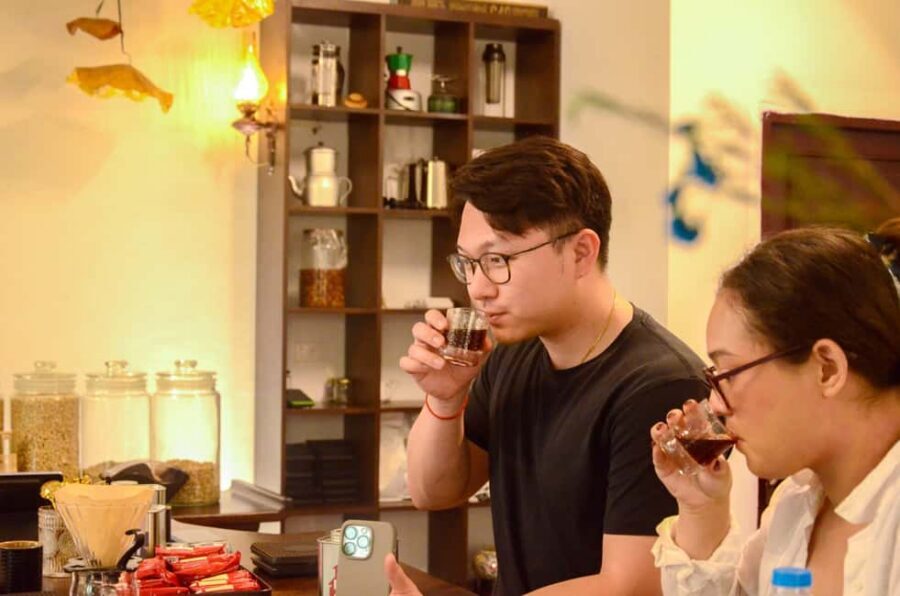
During the ceremony, you sip slowly and get coached on what to recognize. The session is designed around training your attention. You start with the short introduction and then carry that mindset into the cup.
The end result is confidence. Once you can reproduce the basic method, you’re not relying on luck when you brew at home. You can use the included recipe book to make the same brews you learn, anywhere you go.
Floating cakes pairing: why it works with lotus tea
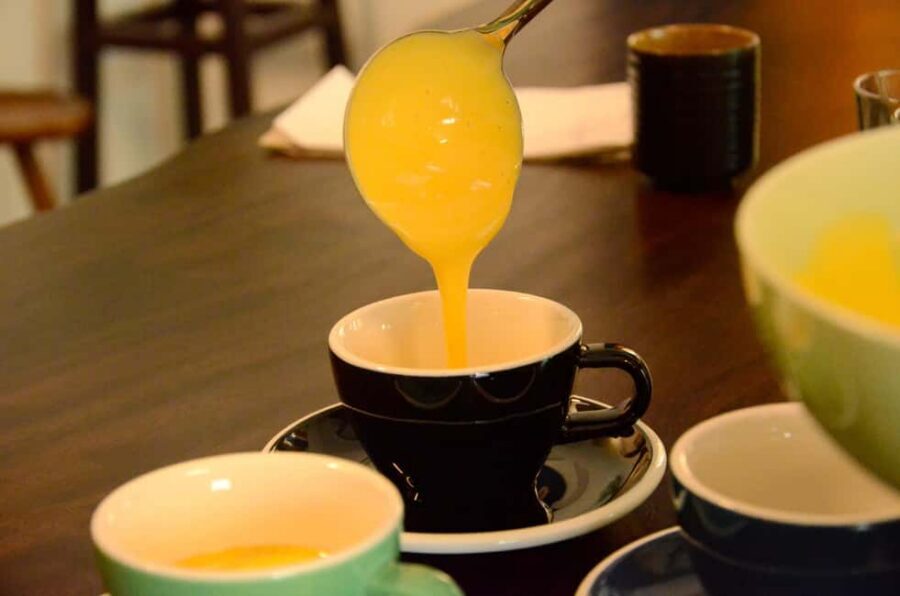
To finish, you enjoy lotus tea paired with traditional Vietnamese floating cakes. This pairing isn’t random. Lotus tea’s gentle bitterness and long sweet aftertaste pair well with desserts that can handle sweetness without turning the whole experience into sugar overload.
The floating cake component also helps you understand lotus tea as part of real daily food culture, not just a specialty drink for tourists. If you’re trying to eat your way through Hanoi, pairing like this is the fast track to learning what locals actually enjoy together.
You’ll also compare the lotus tea with another Vietnamese scented tea. That comparison matters because lotus tea can be mistaken for any floral tea if you don’t calibrate your senses. By contrasting it with a different scented style, the class helps you feel what makes lotus unique in profile and finish.


The Da Lat coffee farmer child education connection
One of the more meaningful pieces of this experience is its contribution to education for coffee farmers’ children in Da Lat. The ceremony stays focused on lotus tea, but that charity link adds a real-world purpose.
This matters because it changes how you think about buying a ticket. You’re not only paying for flavor practice. You’re also supporting education tied to Vietnam’s coffee farming community.
In at least one case, the instructor added coffee and Vietnamese culture context alongside the tea. So if you like your food and drink experiences to connect to wider life in Vietnam, you’ll probably enjoy that angle too.
Instructors who actually teach, not just perform
The vibe here is not stiff. The instructors are described as welcoming and helpful, and different names come up in feedback: Piey, Maxie, and Sue.
That matters for you because a tea ceremony can go two ways. Either you get a scripted talk with no guidance, or you get an instructor who can explain and correct you as you brew. The way this experience is structured, you’re guided step-by-step with brewing ratios and timing, which is exactly where a teaching-focused instructor makes the difference.
If you prefer learning with someone who switches between English and Vietnamese, the class supports both languages, which helps you catch details even if you’re not fluent.
Price and value: what $28 buys in real terms
At $28 per person for about 150 minutes, this is priced like a workshop, not like a quick tasting. The value isn’t only the tea. It’s the combination of:
- a workshop covering Hanoi lotus tea history, cultivation, and roasting techniques
- seasoned tea connoisseur guidance
- a recipe book so you can brew later
- a pairing with floating cakes
- a documented photo link you receive after the workshop
That photo link might seem minor, but in practice it helps you remember the steps and the tea setup. The recipe book is the bigger value piece. It turns the ceremony into a skill you can reuse.
If you’re weighing this against other food or drink activities in Hanoi, think of it as a slower, more instructional experience. You’re paying for understanding, not just sampling.
Also note: pickup and drop-off times can shift a bit because traffic affects timing. Plan for a flexible window rather than a strict minute-by-minute schedule.
Who this ceremony is best for in Hanoi
This is a good fit if you want a calm, culture-forward activity. It suits you if:
- you like workshops where you can learn a process, not just watch
- you want tea that’s tied to Hanoi living traditions
- you enjoy thoughtful food pairings
- you care about doing something meaningful, not just consuming experiences
It’s less ideal if you’re looking for a fast-paced tour with lots of landmark stops. This is designed to slow you down with aroma, brewing, and stories.
Wheelchair access is listed as available, which is a real practical benefit for mobility planning.
Should you book this Hanoi Fresh Lotus Tea Ceremony?
If you want to leave Hanoi with both a memory and a method, I think this is worth booking. The standout advantages are the authentic West Lake lotus tea story, the chance to smell fresh lotus stamens, and the hands-on brewing guidance that includes water temperature, steep time, and tea ratios.
Book it if tea is your kind of learning, or if you want one experience that feels quiet and intentional while still giving you something you can reproduce later with the recipe book. Skip it only if your ideal day is all motion and sites. For a thoughtful half-day of tea craft, this one lands in the sweet spot.
FAQ
How long is the Fresh Lotus Tea Ceremony experience?
The duration is 150 minutes.
Where is the experience located?
It’s in Hanoi, in northern Vietnam.
What languages are offered during the ceremony?
The instruction is available in English and Vietnamese.
What’s included besides the tea tasting?
You get a workshop covering Hanoi lotus tea history, cultivation, and roasting techniques, guidance from seasoned tea connoisseurs, a recipe book, and photos via a Google link after the workshop.
Are there any food pairings?
Yes. Lotus tea is paired with traditional Vietnamese floating cakes.
Is a certificate available?
A professional certificate is available if requested.
Is the tour wheelchair accessible?
Yes, wheelchair accessibility is listed.
How do pickup and drop-off work?
Pickup and drop-off times may vary slightly from the scheduled time due to actual traffic conditions.
What’s the cancellation and payment approach?
Free cancellation is available up to 24 hours in advance for a full refund, and you can reserve now and pay later.