REVIEW · HANOI
Hanoi – Sapa 3 Day 2 Night Trekking With Hotel & Homestay
Book on Viator →Operated by Sapa May Travel · Bookable on Viator
Sapa trekking without the chaos. This 3-day, 2-night Hanoi to Sapa trip is built for people who want guided village time plus real overnight stays without the constant planning. You’ll hit the well-known Sapa stops like Cat Cat, Lao Chai, and Ta Van, with ethnic community culture woven in along the way. My favorite part is that the trek is scheduled, not improvised, which makes it feel doable even when the weather turns. One thing to watch: the homestay side can feel more like a lodge than a true family home.
The value shows up in the package structure: a local English guide, round-trip VIP bus transfers, and seven meals all roll into one price. I also like that the group stays small (up to 15), so you’re not stuck listening to a guide talk to a crowd. Still, if you’re chasing max adrenaline, or expecting a truly hard-core challenge, manage your expectations and focus on scenery and culture.
Before you go, do one simple thing: check the forecast. When it’s not clear and sunny, the hills and terraces look flatter and your photo chances drop fast. Bring the right shoes, keep a small day bag ready, and you’ll have a smooth experience from start to finish.
In This Review
- Key things I think you’ll care about
- A practical way to do Sapa: the VIP sleeper bus rhythm
- Cat Cat Village with a H’mong introduction (and time to wander Sapa town)
- Your first night in Sapa: hotel comfort, easy luggage rules
- Day 2 from Y Linh Ho to Lao Chai and Ta Van: rice terraces plus real walking
- Ta Van homestay reality check (and why it still works)
- Day 3 trekking to Giang Ta Chai and Su Pan, then a relaxed Sapa afternoon
- The $125 value: what you’re paying for, and when it might feel pricey
- Weather and pace: how to protect your photos and your energy
- Who this Hanoi–Sapa trek fits best (and who should choose another style)
- Should you book this Hanoi to Sapa 3-day trek with Sapa May Travel?
- FAQ
- How many days and nights is the Hanoi to Sapa trekking tour?
- Where does pickup start in Hanoi, and where do you return to?
- Does the tour include hotel and homestay lodging?
- What meals are included, and are drinks included?
- Is round-trip transportation between Hanoi and Sapa included?
- Is there a local guide, and do you get English support?
- How difficult is the trek?
- Which villages are visited during the trek?
- What activities besides hiking are included?
- Can I cancel and get a full refund?
Key things I think you’ll care about
- Small-group feel (max 15): easier pacing and more personal guide attention.
- Round-trip VIP sleeper bus: early Hanoi pickup, late return, and fewer logistics headaches.
- Village mix beyond the main road: Cat Cat, Lao Chai, Ta Van, plus Giang Ta Chai and Su Pan.
- One hotel night + one Ta Van private room night: you sleep in two different settings with meals included.
- Cooking class included: not just trekking, you also get hands-on food culture.
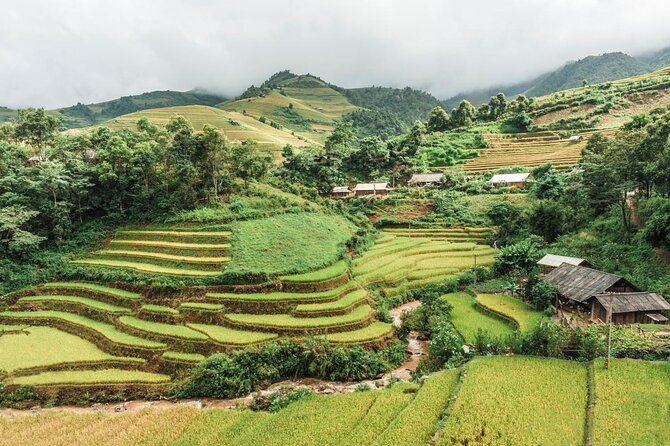
- Weather matters for photos: cloudy days still work, but expect less wow visually.
A practical way to do Sapa: the VIP sleeper bus rhythm
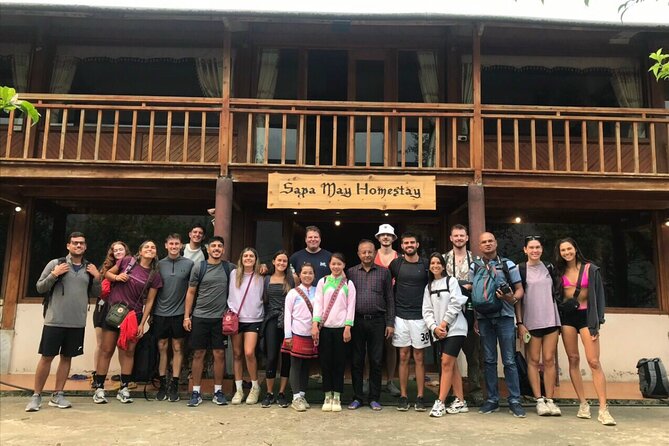
This tour’s biggest “quiet win” is the way it handles Hanoi–Sapa transport. In the early morning, you get a shuttle pickup from hotels in the Hanoi Old Quarter to the meeting point at Ha Noi Văn phòng Xe G8 Open Tour, Ly Thai To (Hoàn Kiếm). Then you load onto a sleeping bus for the ride up to Sapa.
The schedule is built around one goal: you lose less of your day to logistics. You leave around 06h00–06h30, arrive in the early afternoon (around 13h00–13h30), and then get straight into the first village visit. On the return, the bus pulls you out of Sapa late in the day and drops you back in Hanoi Old Quarter area around 22h00–22h30.
Two practical tips to make this easier:
- Pack a small day bag for day hikes so you’re not constantly reaching for items.
- Keep essentials reachable on the bus (phone, charger, meds, a layer). Night bus rides can get chilly.
If you hate bus wrangling, this setup feels like a gift.
You can also read our reviews of more tours and experiences in Hanoi.


Cat Cat Village with a H’mong introduction (and time to wander Sapa town)
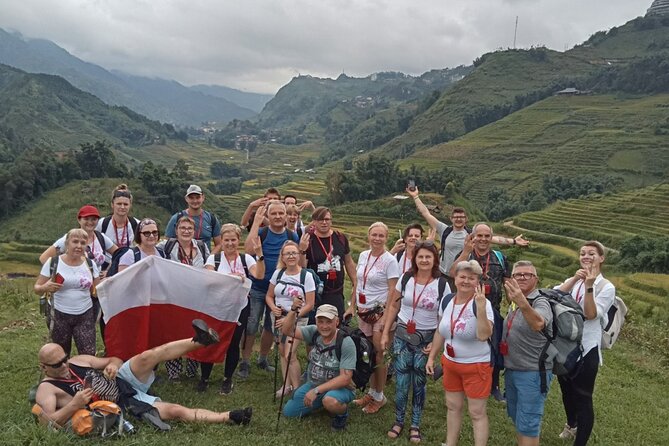
On the first full sightseeing block, you go to Cat Cat Village, a community associated with the H’mong ethnicity. You meet your local guide and head out from your Sapa hotel area to learn customs and everyday habits. This is one of those stops where the trek isn’t the point first—the cultural explanation is.
Cat Cat is also a nice pace-break after the Hanoi-to-Sapa travel day. You’re not sprinting into a long hike immediately. Afterward, the evening is more flexible: dinner is included, and then you’re free to explore Sapa town at your own speed. That free time typically means you can stroll by the stone church and check out the night market where locals sell traditional items.
One note on expectations: village visits like Cat Cat can feel structured, with viewpoints and paths that are easy to follow. If you’re hoping for a totally off-grid experience with zero tourist presence, you might need to adjust your mindset and focus on learning rather than isolation.
Your first night in Sapa: hotel comfort, easy luggage rules
Your first overnight is in a 3-star hotel in Sapa town centre. This matters more than it sounds. When you’re doing a multi-day trek in northern Vietnam, a decent bed and a normal shower can keep the whole trip from feeling like survival.
The tour also handles luggage in a simple way. On the second day, you’re told to leave big luggage at the hotel lounge, and carry only a small bag for hiking. That prevents the classic trekking problem: dragging a bulky backpack through villages and narrow paths.
Once your check-in is done, you can also use the evening in town to get your bearings fast—no pressure, no forced activity. If the next day’s trek starts early, that calm first night can be the difference between enjoying your hike and feeling like you’re always behind.
Day 2 from Y Linh Ho to Lao Chai and Ta Van: rice terraces plus real walking
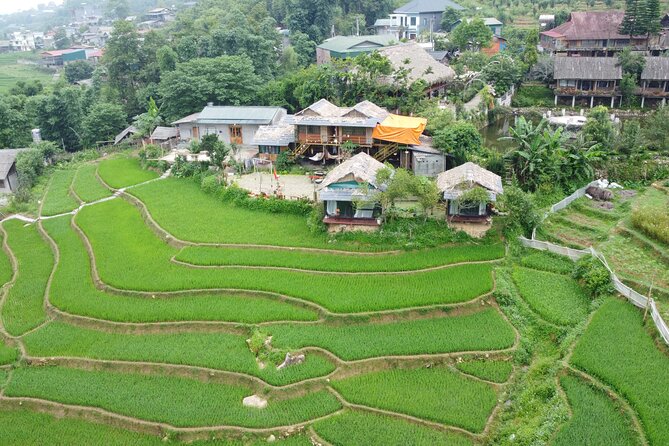
Day 2 is where the trip shifts from sightseeing to trekking. After a breakfast buffet (and a checkout process that keeps big luggage stored away), you set off with your guide.
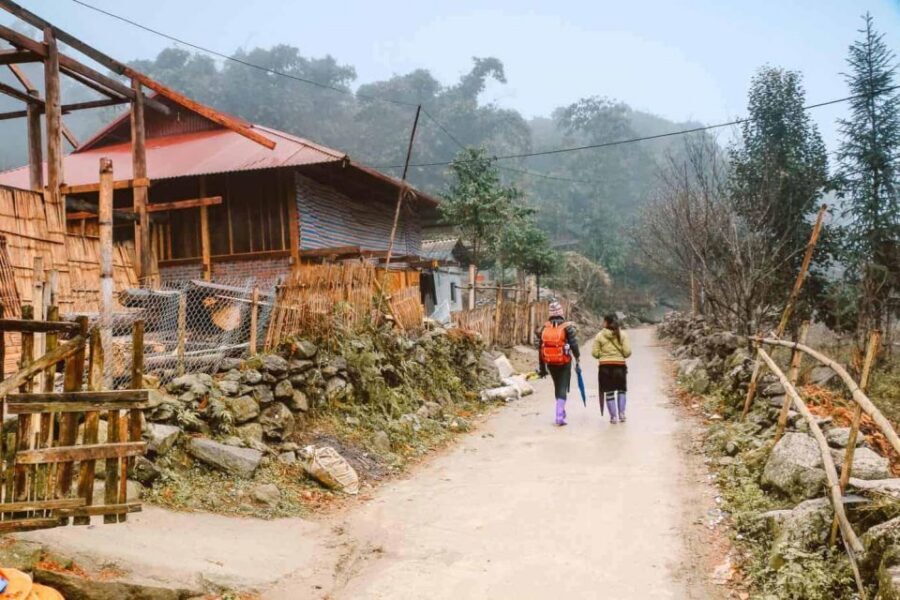
The morning begins around Y Linh Ho. From there, you move through the classic Sapa region: terraced rice fields, mountain views, and small village segments connected by footpaths. By late morning, you reach Lao Chai, described as a village surrounded by terraced rice fields between the Hoàng Liên Sơn mountain range and Hàm Rồng mountain. Then you continue along the Mường Hoa stream toward Ta Van.
At about 12h30, lunch is served at the homestay, and you check in and rest. This lunch stop is a big part of why this tour is enjoyable for a broad range of fitness levels—you get a planned meal and a planned arrival, not a scramble.
What you can expect from this day:
- More time on your feet than a city tour, but not a race
- Scenery that changes as you drop into village areas
- A rhythm of hike, village, lunch, then recovery
One practical mindset shift: this is a guided cultural trekking route, so the goal is steady progress and good timing—not constant stops for photos. Bring a camera, but also plan to put your phone away and just watch how daily life flows through the villages.
Ta Van homestay reality check (and why it still works)
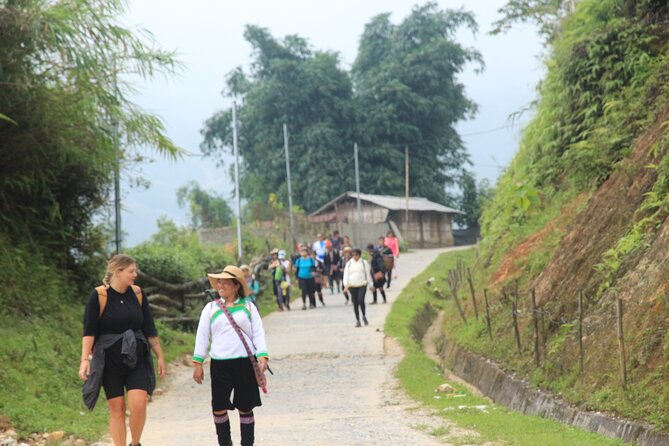
Your second night is in Ta Van village, with private room lodging. The key word here is “private room,” because that’s what makes this a comfortable overnight for many people.
But here’s the fair warning: the homestay term doesn’t always mean the same thing across Vietnam. Some travelers find it feels more like a lodge with homestay branding than a strict, family-run house experience. You may get shared spaces and set meal times rather than a full-on immersive household routine.
Food is another detail worth knowing. Meals are included, but homestay food quality can be uneven compared with the hotel meals. If you’re picky or easily disappointed by unfamiliar flavors, I’d suggest you go in flexible. The best approach is to treat meals as part of the experience, not as a reason for the trip.
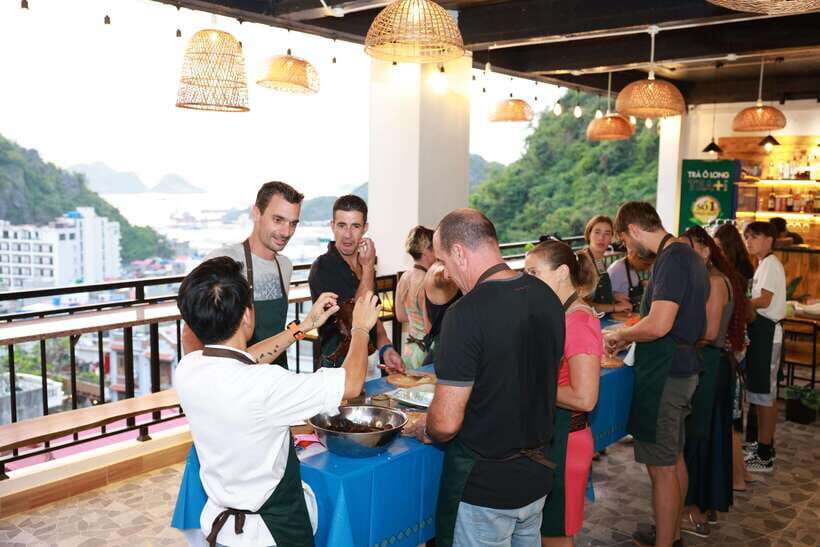
The tour also includes cooking classes. That’s a strong plus in this segment. Even if the accommodation feels lodge-like, a cooking lesson can still add depth by showing how ingredients and techniques connect to local life.
If you want the most “home” feeling, your best tool is your own curiosity. Ask your hosts (through your guide if needed) what you’re eating and how it’s prepared. That turns a basic meal into something memorable.



Day 3 trekking to Giang Ta Chai and Su Pan, then a relaxed Sapa afternoon
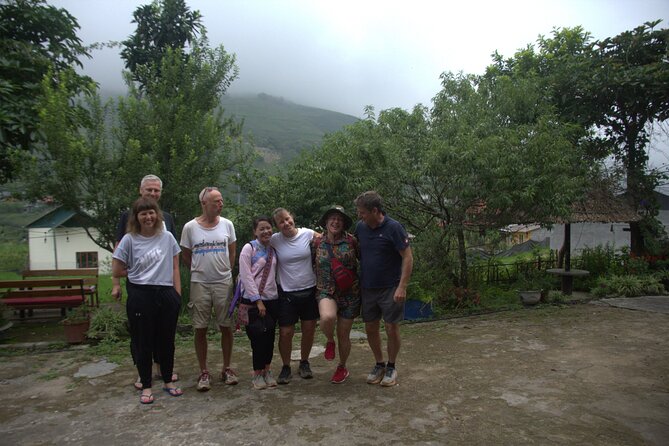
Day 3 starts with breakfast at the homestay, then you check out. The main action is the morning trek, which covers about 8 km toward Giang Ta Chai Village and Su Pan Village.
This stretch is longer on the calendar and described as around 6 hours, so it’s the day to take your time. You’ll also pass through communities associated with different ethnic groups—Giang Ta Chai is described as belonging to the Red Dao, while Su Pan is associated with Black Hmong and Red Dao people on rocky slopes.
At around 12h30, you reach Su Pan and have lunch at a local restaurant. Then the tour transitions back to convenience: a bus picks you up around 13h30 and brings you to Sapa town. You get a bit of downtime, including the chance to get a quick 30-minute foot massage, plus time for souvenirs before the late bus back to Hanoi.
This day has two styles of reward:
- Walking reward: views, terraces, and village-to-village motion
- Recovery reward: lunch, a short rest window, and that optional foot massage
If your feet feel tired, that massage isn’t just a perk. It’s a smart way to make the long return bus ride more comfortable.
The $125 value: what you’re paying for, and when it might feel pricey
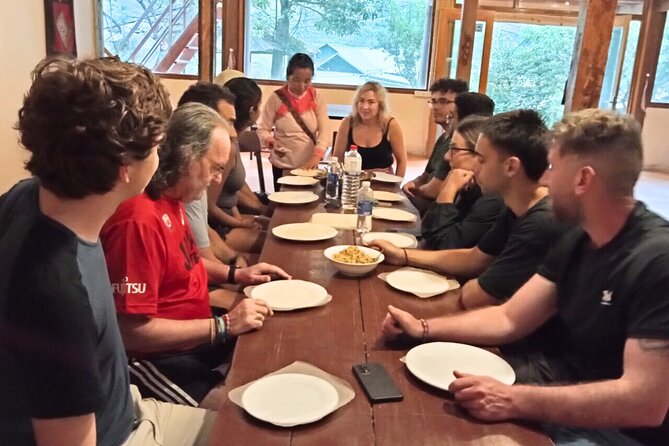
At $125 per person, this isn’t a bargain “just transportation” deal. You’re paying for a bundled service: VIP round-trip bus, local English guiding, hotel + private-room homestay, all entrance tickets, cooking classes, and seven meals (2 breakfasts, 3 lunches, 2 dinners). The math gets better because trekking tours often charge separately for guide time, transport, and meals.
Still, it’s not hard to see why some people compare it to booking locally. If you can organize transport, guide, and homestay independently at a lower cost, this package can feel high. That comparison tends to come down to one thing: whether you want your time spent traveling or your time spent planning.
My practical rule:
- If you value having everything lined up and guided, this price can feel fair fast.
- If you love DIY planning and you’re comfortable negotiating logistics, you might find cheaper options on the ground.
Either way, small-group guiding is a big piece. Up to 15 people means fewer bottlenecks and more flexibility when your pace or the weather changes.
Weather and pace: how to protect your photos and your energy
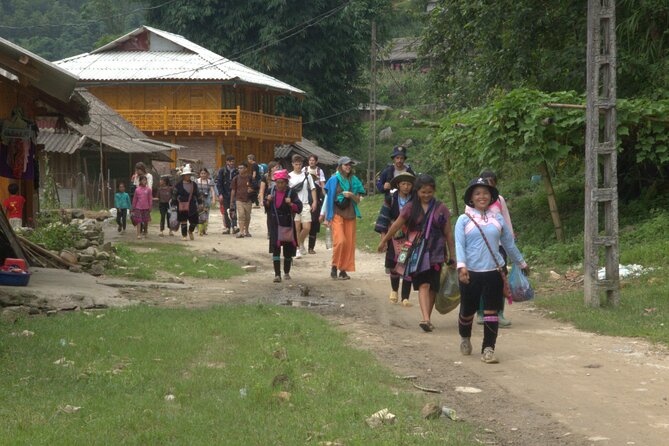
Sapa is famous for views. But it’s also famous for changing conditions. One of the clearest pieces of advice for this kind of trek is simple: check the weather. If it’s cloudy or rainy, the “wow” factor drops, especially for photo backgrounds.
Here’s how to protect your trip even when the weather isn’t perfect:
- Dress in layers so you can handle cool mornings and warmer afternoons.
- Wear shoes with good grip. Paths can get slippery.
- Bring a rain layer even if the forecast looks mostly fine.
- Expect mist. Plan to enjoy the walk even when the scenery is softer.
Pace matters too. This tour is described as relaxing for many people, not ultra-extreme. It’s trekking, but it’s not designed to beat you up for sport. You’ll still want a strong fitness level, because you’re on your feet across multiple days and there’s a longer segment on Day 3.
If you want a hard-core challenge, you may need to compare this to more demanding trekking options. If you want a solid introduction with good guidance, this works well.
Who this Hanoi–Sapa trek fits best (and who should choose another style)
This tour fits best if you want:
- A guided introduction to northern Vietnam village trekking
- A mix of known highlights (Cat Cat, Lao Chai, Ta Van) and additional stops like Giang Ta Chai and Su Pan
- Overnight stays that keep comfort in the picture: hotel night plus a private-room homestay
- A package that includes most of the heavy lifting: transport, meals, entrance tickets
It may be less satisfying if you:
- Expect a fully traditional, family-run homestay experience every step of the way
- Want a nonstop adventure with a very intense pace
- Are extremely sensitive about food quality in the homestay setting
If you’re traveling solo, couples, or friends, the small group size is a plus. You’ll meet people, but you won’t feel swallowed by a tour bus crowd.
Should you book this Hanoi to Sapa 3-day trek with Sapa May Travel?
Book it if you want a structured, guided route from Hanoi to Sapa with real overnight stays, meals included, and enough time in classic villages to understand what you’re seeing. The VIP bus round-trip removes one of the biggest sources of travel stress in northern Vietnam.
Skip or reconsider if you need a very high level of difficulty, or if you strongly prefer a strict, family home homestay style. Also, if weather in your travel window looks rough, be mentally ready for softer scenery and fewer photo-winning moments.
If you’re flexible, enjoy walking at a steady pace, and like cultural explanations as much as views, this tour is a strong match.
FAQ
How many days and nights is the Hanoi to Sapa trekking tour?
It’s a 3-day trip with 2 nights total: 1 night at a 3-star hotel in Sapa town and 1 night in a private room at Ta Van village.
Where does pickup start in Hanoi, and where do you return to?
Pickup is at Ha Noi Văn phòng Xe G8 Open Tour in the Old Quarter area (Ly Thai To, Hoàn Kiếm). The return drop-off is also back at the same Xe G8 Open Tour area.
Does the tour include hotel and homestay lodging?
Yes. You get 1 night at a 3-star hotel in Sapa town centre and 1 night in a private room at Ta Van village.
What meals are included, and are drinks included?
You get 2 breakfasts, 3 lunches, and 2 dinners (7 meals total). Drinks are not included.
Is round-trip transportation between Hanoi and Sapa included?
Yes. You travel round-trip by VIP cabin bus, including the sleeping bus from Hanoi to Sapa and the return bus to Hanoi.
Is there a local guide, and do you get English support?
Yes. A local English tour guide leads you in Sapa. The tour is also described as small group, up to 15 travelers.
How difficult is the trek?
You should have a strong physical fitness level. The hiking is usually manageable but still involves significant walking; in feedback about the route, it’s described as roughly 6 miles one day and 4 miles another, with some slippery sections at times.
Which villages are visited during the trek?
The tour includes Cat Cat Village, Y Linh Ho, Lao Chai, Ta Van, Giang Ta Chai, and Su Pan.
What activities besides hiking are included?
The package includes cooking classes and all entrance tickets.
Can I cancel and get a full refund?
Yes. You can cancel for a full refund if you cancel at least 24 hours before the experience’s start time.