REVIEW · HANOI
Hanoi: Rattan & Shoe Village or Incense Village, Hat Village
Book on GetYourGuide →Operated by GREEN VIETNAM TRAVEL · Bookable on GetYourGuide
Hanoi has a way of making crafts feel personal. In about 6 hours, you’ll see Vietnamese handicrafts made up close, not just displayed. The best part is you get the guided walk through working villages, where families and small workshops still run the show.
I love the hands-on angle, especially the chance to paint a conical hat in Chuong and bring it home as a personalized souvenir. I also really like watching incense move from small, family-scale making to a more industrial setup, so you see how tradition survives while production scales.
One thing to consider: the tour includes real workshop time. That means you’ll smell incense in Quang Phu Cau and you’ll spend time seated or standing while artisans explain processes, so it’s not the best pick if you want zero hands-on involvement.
In This Review
- Key highlights you’ll actually care about
- How a 6-hour craft tour beats Hanoi day-trip fatigue
- Chuong conical hat village: paint yours, learn the 300-year routine
- Quang Phu Cau incense village: family work, factory scale-up, real scents
- Phu Tuc Village and Guot weaving: plant color to baskets and frames
- Phu Yen sandal and leather footwear: when machines change the workflow
- Price and logistics for $14 plus what to budget for
- Who this tour suits best—and who should skip it
- When should you book this craft-village experience?
- FAQ
- How long is the tour?
- Are there different tour options?
- What villages are included in the half-day group tour?
- Can I paint a souvenir?
- Can I make incense during the tour?
- Is lunch included?
- Where do I get picked up and dropped off?
- What languages can the guide speak?
- Is there an extra charge during Lunar New Year?
Key highlights you’ll actually care about

- Paint your own Chuong conical hat and take it home, part of a craft known for 300+ years
- Quang Phu Cau incense village shows incense-making at local-family scale, plus a nearby factory step-up
- Phu Tuc Village + Guot weaving: watch the Guot plant cycle from dried material to woven products
- Bamboo and rattan weaving in action through observation and a family-focused meeting
- Private option swaps in leather sandals with a workshop using modern machines alongside traditional know-how
- Old Quarter pickup and drop-off keeps your day efficient for a 6-hour outing
How a 6-hour craft tour beats Hanoi day-trip fatigue

A craft village tour sounds calm on paper. In practice, it’s a strong way to use a short Hanoi window because you get multiple village styles in one guided loop. You’re not hunting down locations or guessing which workshop is still active.
This one is built around smooth timing: morning runs from about 7:45 to 13:30, and the afternoon slot runs roughly 11:45 to 17:30. That matters because craft workshops don’t always run the same way at every hour. A planned itinerary helps you catch the process when it’s happening, not after it’s wrapped.
The tour also gives you a simple transport plan. Pickup and drop-off are from Hanoi’s Old Quarter area (Hoàn Kiếm). Bottled water is included, which sounds minor until you’re walking and watching and forgetting to refill.
You can also read our reviews of more tours and experiences in Hanoi.



Chuong conical hat village: paint yours, learn the 300-year routine
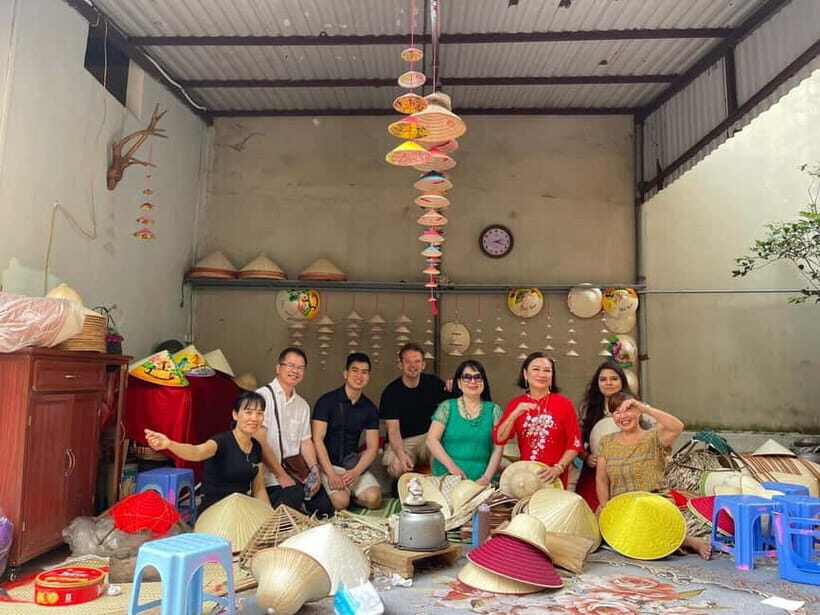
Chuong is famous for Vietnam’s iconic conical hat, and the craft is said to be known for more than 300 years. On this kind of stop, the goal is not just photos. It’s understanding the making steps and then doing your own small piece of the process.
What you’ll typically do here:
- watch the way conical hats are made
- paint your own hat during the craft time
- take your painted hat home as a souvenir
That takeaway is the best reason to do this stop with a tour. You’re not trying to buy a random hat. You’re making one, and the explanation helps you appreciate why the hat looks the way it does.
A practical tip: painting takes concentration, not speed. If you’re the type who wants instant gratification, slow down anyway. A careful paint job looks better and feels more meaningful when you bring it back.
If you choose the half-day group option, you may also have an optional stop near Train Street, depending on the schedule. Keep expectations realistic. This is usually a quick photo-and-see moment, not a long hangout.
Quang Phu Cau incense village: family work, factory scale-up, real scents
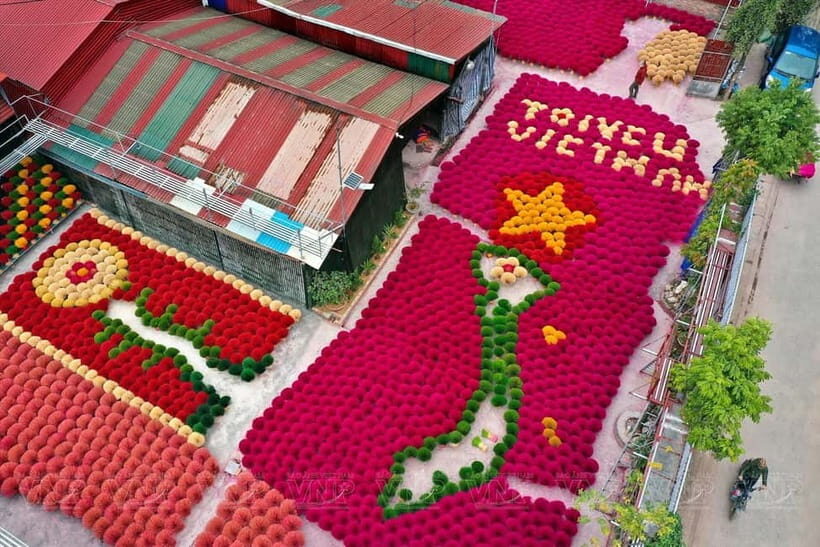
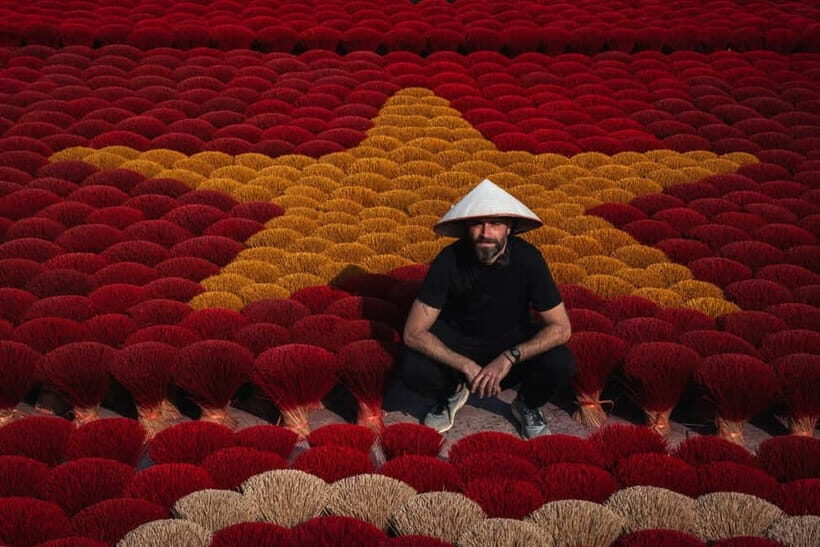
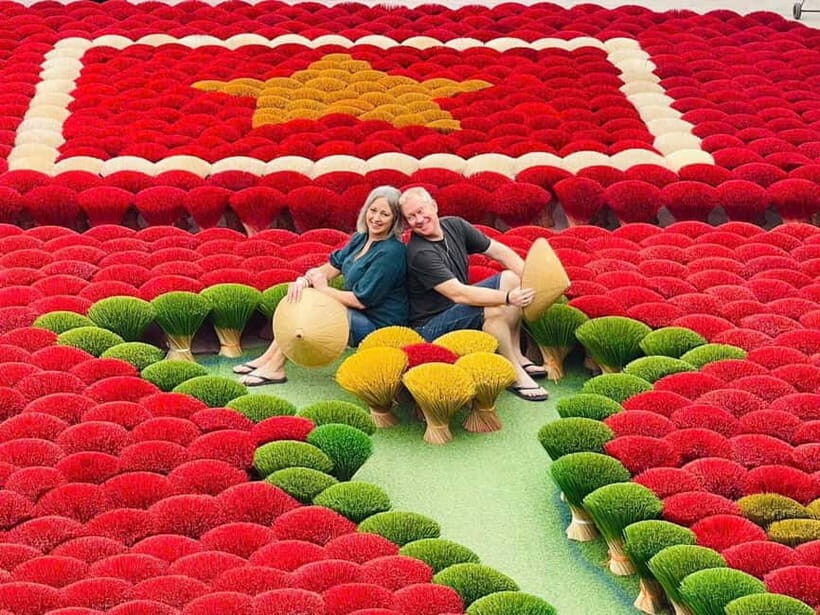
Incense villages can be hard to understand from the outside. The smoke is obvious, but the steps are the story. Quang Phu Cau is where you get that story in the most direct way: you’ll walk through the village center, see how locals make incense on a family scale, and then get a look at a nearby production facility.
In practical terms, you can expect:
- a guided visit around the incense-making village
- observation of how incense is made from the start
- a tour of a nearby factory where you see production at the next level
The value here is contrast. You learn how craft work is organized when it’s handled by households. Then you see how production changes when you add a factory setup. That shift helps you understand why prices and textures can differ between incense sold as craft goods versus incense made for bulk consumption.
There’s also a small hands-on element. The tour includes some free incense sticks after you make incense sticks yourself. Even if your first attempt isn’t museum-perfect, it’s a nice way to leave with something you understand, not just something you bought.
One note for your comfort: incense-making involves strong smells. If you’re sensitive to fragrance or smoke, you may want to position yourself strategically during demonstration time.
Phu Tuc Village and Guot weaving: plant color to baskets and frames
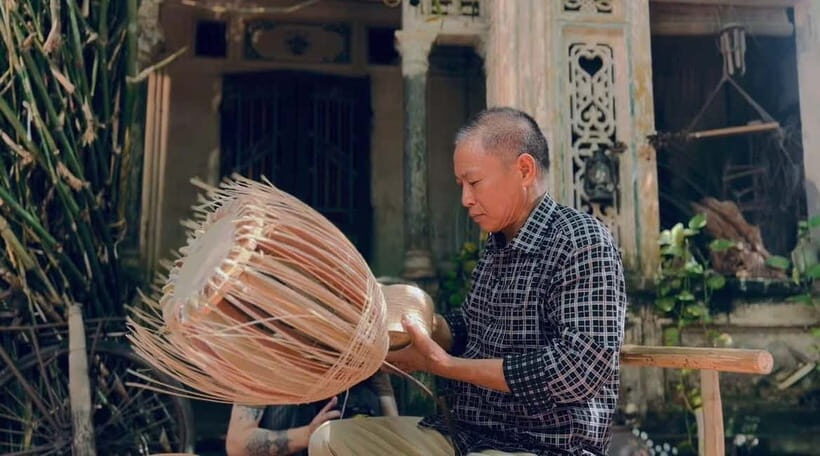
Phu Tuc is where you get the “how does this start?” part of the craft story. The focus is on Guot weaving, plus bamboo and rattan products made from material that’s processed before it ever touches a loom.
You’ll hear about Guot as a plant known for:
- a natural dark red or brown color
- pliability
- durability
Then you’ll see the prep work that turns plant into usable material. The tour describes sun-drying, plus classifying by size and color. That step is important because the final look depends on what gets chosen and how it’s prepared.
What you’ll observe is weaving into products like:
- baskets
- robes
- tables and chairs
- photo frames
- flower vases
- animal figurines
This is where the tour earns its keep. Craft villages can sometimes turn into a sales loop. Here, the process shows why the items cost what they cost. You can connect the finished object to the plant work, drying, sorting, and weaving labor.
On your way through Phu Tuc, lunch is listed in the itinerary for this craft route. Having food built into the plan is a real advantage, especially when workshops run without “tourist lunch” timing.
And yes, there’s time for photo stops. But the best photos usually happen when you’re watching hands work, not just posing with items.
Phu Yen sandal and leather footwear: when machines change the workflow

If you pick the private option, you’ll shift from weaving to footwear. This is where the tour adds another layer: you see craft industry history alongside modern production changes.
One workshop focuses on sandal production by Nguyen Thi Nhan’s family. The description is specific about the scale and the shift in methods:
- about 25 official employees
- producing roughly 1,700 to 1,800 pairs of sandals per day
- many manual phases replaced by modern machines
This isn’t meant to make the craft feel less “traditional.” It makes it more realistic. Many craft villages survive by adjusting workflow. When you see machines blended into production, you understand why some workshops can keep steady output while still relying on skilled workers.
The tour also gives you the commune-wide picture. It explains that three out of four villages in the commune develop the craft, and that around 300 households are making leather and footwear. Another 35 households supply material for the whole commune. The economic note is clear: the craft provides jobs for more than 2,000 employees.
There’s also a historical angle. The leather and footwear village is described as existing since the French colonial period. Another craft origin story shares that a workshop owner in Hai Phong, Nguyen Luong Mac, made boat-like shoes and then shifted into shoes—passing skills to the next generation. You’re seeing how one family’s know-how can keep spreading.
If you care about how craft industries work economically—not just aesthetically—this stop is a strong match.



Price and logistics for $14 plus what to budget for
The price listed is $14 per person, and for a guided, multi-stop craft route with workshop visits, it’s the kind of deal that works best when you hate wasting time. The tour includes:
- entrance fees
- bottled water
- a professional local guide
- hotel pickup and drop-off in the Old Quarter area
- hands-on elements like conical hat painting and making incense sticks
- a few take-home items tied directly to the craft (hat and incense items)
What you don’t pay for (so you should budget it mentally):
- personal expenses
- optional tipping
- a Lunar New Year surcharge if your dates overlap (250,000 VND per person from 16/02/2026 to 19/02/2026)
Is $14 a bargain? It’s good value if you want the structure. Going solo can work, but craft villages are easier to understand when a guide explains what you’re seeing and helps you get into active workshops rather than just storefronts.
Group size is described as private or small groups available. Small-group tours tend to feel less rushed, and you get more chances to ask questions.
Language coverage is wide: English, Vietnamese, Chinese, French, German, Italian, Spanish. That matters because craft explanations work best when you can follow the “why” behind each step.
Who this tour suits best—and who should skip it
This is a great choice if you want:
- real workshop access in a short Hanoi window
- hands-on souvenirs (hat painting and incense stick making)
- to understand craft as work, not only as products
It’s also a good fit if you like stories about how production supports livelihoods. The tour notes that average monthly income for employees in workshops is around 7–10 million dong (about 300–450 USD). Even if your main goal is sightseeing, that context helps you see that you’re not just buying a cute item. You’re supporting a job system.
Skip it if you:
- want only modern attractions and city views
- hate strong incense smells
- prefer DIY travel where you choose every minute yourself
When should you book this craft-village experience?

Book it when you value guidance more than spontaneity. This kind of tour saves time, reduces guesswork, and gets you into the practical parts of craft life—what people actually do, how they process materials, and how their work ties to the local economy.
If you’re unsure, choose based on what you want to bring home:
- Want a personalized souvenir you made? The conical hat and incense hands-on stops make that easy.
- Prefer watching modern production methods mixed with craft know-how? Go for the private leather sandal and rattan/weaving route.
Either way, you’ll leave with a better read on Vietnamese craft culture than you’d get from a quick shopping stop. And you’ll have something tangible that came from the process—not just a shelf.
FAQ
How long is the tour?
The experience runs for about 6 hours.
Are there different tour options?
Yes. There is a half-day group tour option (with conical hat and incense village, plus an optional Train Street stop) and a private tour option for leather shoe/sandal and rattan village visits. There’s also a guide-only option for the incense village.
What villages are included in the half-day group tour?
It includes Chuong conical hat-making and Quang Phu Cau incense village. The itinerary also includes Phu Tuc for weaving, and Train Street is optional.
Can I paint a souvenir?
Yes. You get 1 free conical hat for painting in the hat village, and you take it home.
Can I make incense during the tour?
Yes. You can make incense sticks yourself, and the tour includes some free incense sticks afterward.
Is lunch included?
Lunch is listed during the Phu Tuc portion of the itinerary.
Where do I get picked up and dropped off?
Pickup and drop-off are included for hotels in Hanoi’s Old Quarter area (Hoàn Kiếm). The itinerary also lists Hanoi/Hoàn Kiếm as drop-off locations.
What languages can the guide speak?
The guide is available in English, Vietnamese, Chinese, French, German, Italian, Spanish.
Is there an extra charge during Lunar New Year?
Yes. There is a Lunar New Year surcharge of 250,000 VND per person for 16/02/2026 to 19/02/2026.