REVIEW · HANOI
Hanoi: Make 6 Iconic Coffees in a Heritage Home with Locals
Book on GetYourGuide →Operated by VietnamXperience · Bookable on GetYourGuide
Six cups in one calm Hanoi home.
This coffee workshop happens inside a 100-year-old French colonial house in the Old Quarter, where you can slow down, look around, and learn how Hanoi locals actually think about coffee. I like that it’s built around hand-making classics like egg coffee and salty coffee, with time-tested family guidance and an open-bar feel so the whole thing stays relaxed.
I also like how the session teaches more than recipes. You craft six different styles by hand, and you get guided help to adjust each cup to your taste while keeping the traditional balance. Plus, you’re not just drinking blind—you’re tasting along the way, including trying specialty beans as part of the learning.
One possible drawback: it’s indoors and hands-on, so it’s not ideal if you’re hunting for a mostly street-walking, sightseeing-focused morning or evening. And since one of the six coffees is egg coffee, you’ll want to be comfortable with that flavor profile.
In This Review
- Key highlights (quick take)
- A 100-Year-Old Old Quarter House, Quiet Enough to Hear Yourself Think
- The Local Hosts: Vietnamese English, Plus Real Family Coffee Culture
- Open-Bar Energy Without the Loud Hanoi Chaos
- How the Workshop Runs: From Arrival to Six Cups in 1–2 Hours
- Crafting 6 Iconic Vietnamese Coffees by Hand
- Egg coffee (the one everyone talks about)
- Coconut and salty coffee (where balance really matters)
- Specialty beans tasting (so you’re not brewing blind)
- Taste Like Hanoi: Using All Five Senses (Not Just Your Mouth)
- The “Personalize While Staying Traditional” Trick
- Price and Value: What You Really Get for $22
- Where This Workshop Fits Best (And Who Might Skip It)
- Practical Tips Before You Go
- Should You Book This Coffee Workshop in Hanoi?
- FAQ
- How long does the Hanoi coffee workshop take?
- What will I make during the workshop?
- Do I need any prior coffee brewing experience?
- Is the workshop indoors?
- What language will the instructor speak?
- Is the group size small?
Key highlights (quick take)
- Old Quarter heritage home: a peaceful, cozy French colonial space with collected art and everyday objects
- Small group (max 10): close guidance at a relaxed pace
- Six coffees by hand: egg, coconut, salty coffee, and other Vietnamese styles
- Tasting like a local: specialty beans + step-by-step adjustments to get balance right
- Take-home value: full, detailed recipes for all six drinks (not just notes)
- Hospitality touches: open bar, teas, AC, clean restrooms, sterilized utensils, and even childcare options
A 100-Year-Old Old Quarter House, Quiet Enough to Hear Yourself Think
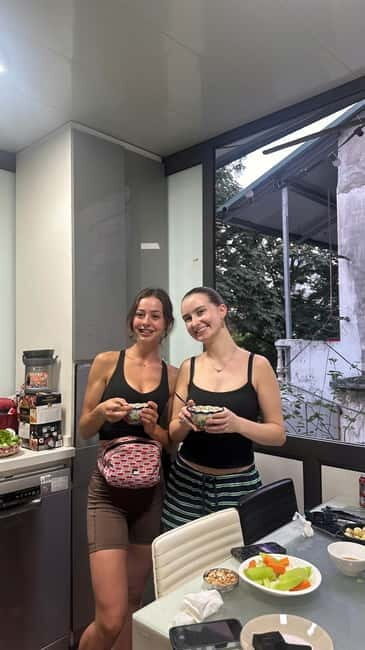
The meeting spot isn’t a busy café corner. It’s a century-old home tucked away in Hanoi’s Old Quarter—older walls, calm rooms, and a lived-in feel that makes the experience feel personal fast.
What I really like about this kind of setting is how it changes your coffee mindset. Instead of ordering and moving on, you’re surrounded by objects and Vietnamese art collected and preserved by the host family over generations. You can pause, wander a bit, check out details, and then settle in when it’s time to cook coffee the local way. Even the balcony time feels like a breather, not a forced photo stop.
It’s also practical. You get air conditioning, and the workshop is indoor, so you’re not fighting Hanoi’s weather. For a short activity that lasts about 1–2 hours, that matters.
You can also read our reviews of more historical tours in Hanoi


The Local Hosts: Vietnamese English, Plus Real Family Coffee Culture
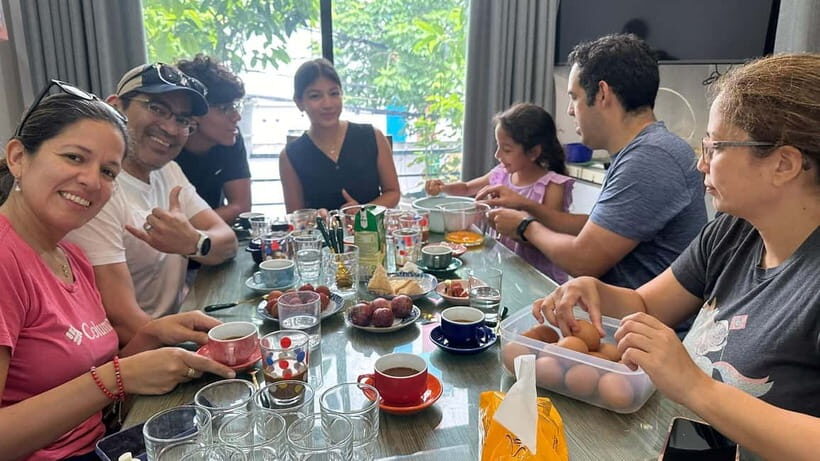
You’ll be taught by a local instructor who speaks Vietnamese and English. The experience is designed around locals who grew up with Hanoi’s coffee culture, and the teaching style reflects that: clear steps, family recipes, and an eye for what makes each style taste right.
In multiple past sessions, hosts named Jade and Jennifer/Jenny were praised for being welcoming and very good at explaining not just the how, but the why. That’s what you want with a workshop like this. Coffee gets easier when someone connects technique to flavor.
Also worth noting: the group is capped at 10 participants, which means you’re less likely to get lost in the crowd. If you like asking questions (and you should), this setup makes that feel normal.
Open-Bar Energy Without the Loud Hanoi Chaos
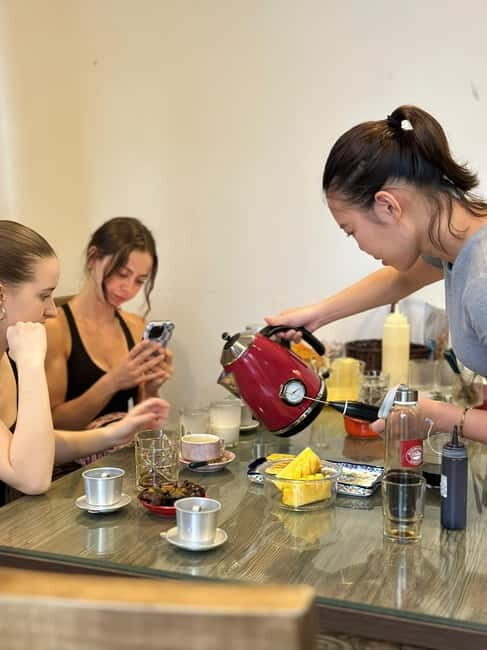
The workshop includes an open bar setup, with coffees and teas available. That doesn’t mean a party vibe—it means you can watch the process, taste while you learn, and relax while you work.
This matters because Vietnamese coffee isn’t complicated because it’s fancy. It’s complicated because it’s tuned. The balance of roast, grind, brewing style, sweetness, and texture is the whole point. The open-bar format helps you slow down and actually notice those details instead of rushing through steps.
Add in the fact that utensils are handled with care (dishwasher and sterilized tools are provided), and it feels comfortable even if you’re the type who doesn’t like cooking in shared settings.
How the Workshop Runs: From Arrival to Six Cups in 1–2 Hours
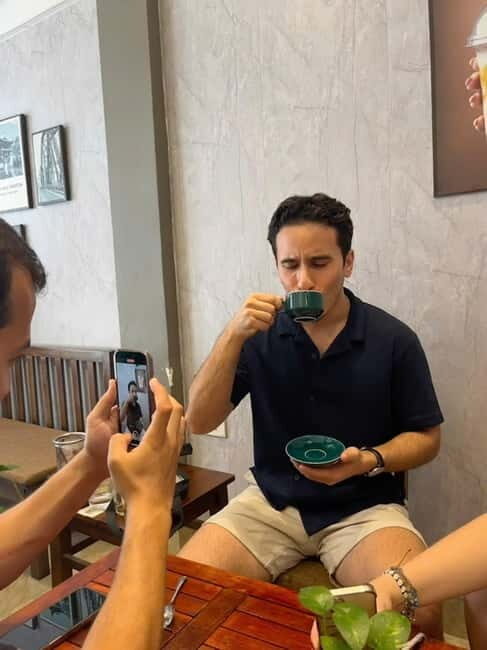
The time window is short, but the structure is designed to make it feel complete. You arrive, get oriented, and then you move into hands-on coffee making.
A typical flow looks like this:
- You start with orientation in the calm heritage rooms, with space to settle in.
- You learn the basics and taste along the way, including trying specialty coffee beans.
- Over the hands-on portion (guided, not rushed), you craft six Vietnamese coffee styles.
- Each cup gets adjusted based on your taste preferences while staying true to the traditional balance.
- You finish with take-home materials so the learning doesn’t disappear when you get home.
The pacing is described as relaxed, with clear explanations at each step. And because the group stays small, you’re not stuck waiting your turn for long stretches.
Crafting 6 Iconic Vietnamese Coffees by Hand
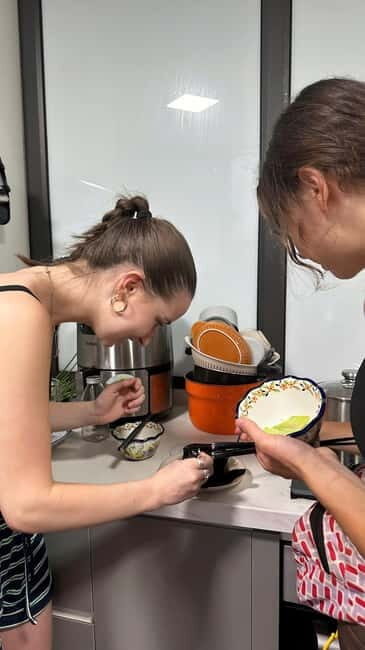
This is the heart of the experience: you make six iconic Vietnamese coffees by hand. The specific lineup includes:
- Egg coffee
- Coconut coffee
- Salty coffee
- Plus additional Vietnamese coffee styles as part of the set
Each one has a different flavor logic. That’s why doing them all in one session is so useful. You stop thinking of Vietnamese coffee as one drink and start seeing it as a toolkit of textures and balances.





Egg coffee (the one everyone talks about)
Egg coffee is famous for a reason. It’s all about texture and sweetness balance, and when you make it yourself, you stop guessing. You’ll learn how the method shapes the final cup.
One warning, gentle but honest: if you don’t like egg-flavored sweetness, you may find this style less fun. If you’re curious though, this is often the most memorable cup because it’s so different from typical café coffee.
Coconut and salty coffee (where balance really matters)
Coconut coffee leans into aroma and a softer, rounder sweetness. Salty coffee flips the usual order by mixing salty notes into the overall profile. The interesting part is not just the taste—it’s how locals balance it so it still feels like coffee, not like a strange experiment.
And because you personalize each cup, you can dial the balance toward your preference while staying within the traditional structure.
Specialty beans tasting (so you’re not brewing blind)
You also get introduced to Vietnamese speciality coffee beans the host family has collected. You taste them as part of the learning process, which helps you understand why Vietnamese coffee tastes the way it does. That bean knowledge makes your own recreations at home much more believable.
Taste Like Hanoi: Using All Five Senses (Not Just Your Mouth)
This workshop is designed to get you beyond the simple question of whether you like it.
You train your palate using all five senses:
- Sight and color (how the drink looks tells you something)
- Aroma (you learn to recognize the coffee base versus additions)
- Texture (especially important for egg coffee)
- Taste balance (sweetness/saltiness/coffee strength)
- Smell as it hits after the first sip
The big value here is that you learn how to taste like a local instead of relying on guesswork. When a guide helps you adjust your cup to match traditional balance—while still tailoring to you—that’s how you avoid the most common home-brewing mistake: making a drink that’s either too sweet, too strong, or just “off.”
The “Personalize While Staying Traditional” Trick
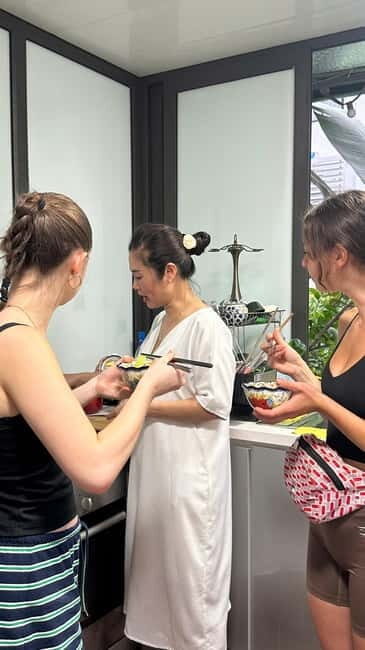
A lot of workshops either teach you the tradition or let you freestyle. This one tries to do both.
You’re guided so each cup is adjusted to your taste, but the adjustments still respect the classic balance that defines each drink. That’s a big deal if you want results at home. You’re not just learning a recipe—you’re learning the target.
For example, if your preference runs lighter or stronger, the guide helps you tune it. If you want sweetness toned down, you learn how to do that without destroying the style.
It’s also why the whole experience feels worth paying for. You don’t walk away with six drinks you can’t repeat. You walk away with six drinks plus a method for fixing your next cup.
Price and Value: What You Really Get for $22
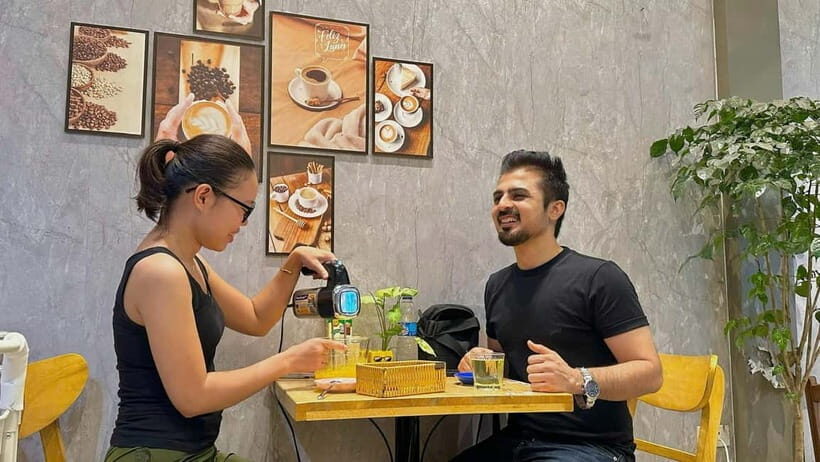
At $22 per person for a 1–2 hour workshop, the value is strong—especially if you care about craft and not just photos.
Here’s what’s included:
- Coffees and teas during the session
- Full, detailed recipes for all six coffees and more
- A passionate local instructor (and yes, they’ll handle the photographing for you)
- Small group format (so you get time and attention)
- Air conditioning, clean restrooms, sterilized utensils
- Pet-friendly garden space and childcare service available
If you break it down, you’re paying for ingredient access, guidance, and teaching materials—plus six distinct coffees worth of practice. This isn’t one drink with a short story. It’s a hands-on skill builder with take-home documentation.
The best part is what you take home: not just a list of steps, but recipes you can actually follow.
Where This Workshop Fits Best (And Who Might Skip It)
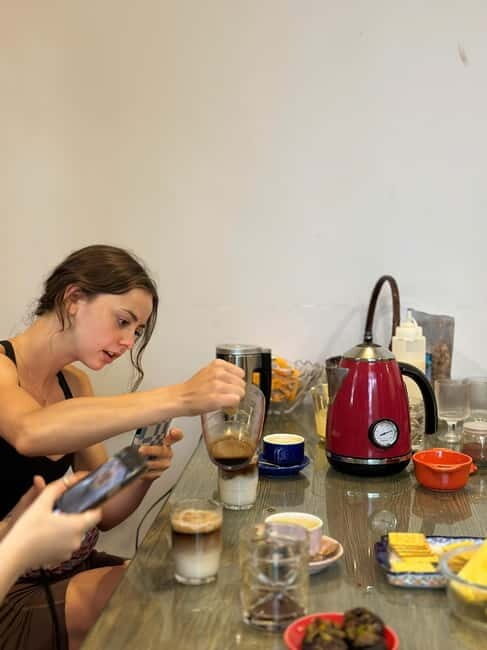
This experience is best for you if:
- You want a calm, indoor activity in Hanoi that still feels authentic
- You like hands-on cooking or tasting workshops
- You’re the kind of person who likes recreating travel food at home
- You want to learn the logic behind Vietnamese coffee styles, not just copy a recipe
It may be less ideal if:
- You’re mostly looking for big outdoor sightseeing time
- You don’t like egg-based flavors at all (because egg coffee is part of the set)
- You prefer purely watch-and-drink experiences (this is hands-on)
For families, it can also be a good option thanks to childcare service available, and the space includes a pet-friendly garden area if that matters to you.
Practical Tips Before You Go
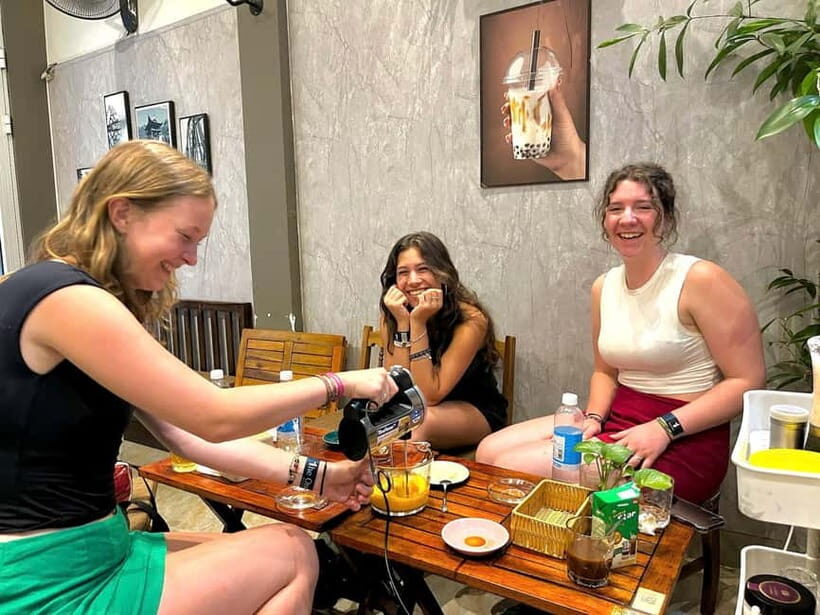
A few things to keep in mind so you enjoy it more:
- Come with curiosity about taste. This workshop rewards noticing differences.
- If you have dietary preferences, think about whether you’ll enjoy egg coffee and other style flavors.
- Dress comfortably. You’ll be standing and working through steps for a chunk of the session.
- If you’re a coffee person, you’ll leave feeling like you’ve upgraded your coffee vocabulary.
Also, because it’s small group and guided, it’s a smart choice for people who want something “local” without spending hours getting around.
Should You Book This Coffee Workshop in Hanoi?
Yes, if you want real technique and real taste training in a friendly Hanoi home setting. For the money, you get six hand-made Vietnamese coffee styles, clear guidance from local instructors, and full recipes that let you recreate the drinks rather than just remember them.
I’d skip it only if you hate hands-on cooking, you dislike egg-flavored coffee, or you’re chasing an outdoor, street-scenic walking plan. Otherwise, this is one of those Hanoi activities that feels small in time but big in value.
FAQ
How long does the Hanoi coffee workshop take?
It lasts about 1 to 2 hours, depending on the time slot available when you book.
What will I make during the workshop?
You’ll make 6 iconic Vietnamese coffees by hand, including egg coffee, coconut coffee, salty coffee, and other Vietnamese coffee styles.
Do I need any prior coffee brewing experience?
No. You don’t need any prior coffee brewing experience, and all ingredients and equipment are provided.
Is the workshop indoors?
Yes, the activity is conducted indoors.
What language will the instructor speak?
The instructor speaks Vietnamese and English.
Is the group size small?
Yes. It’s a small group limited to 10 participants.