
REVIEW · HANOI
Hanoi: All-in-One Walking Tour Through a Train Street
Book on GetYourGuide →Operated by Vietnamtravelers · Bookable on GetYourGuide
Train Street in Hanoi is a real scene.
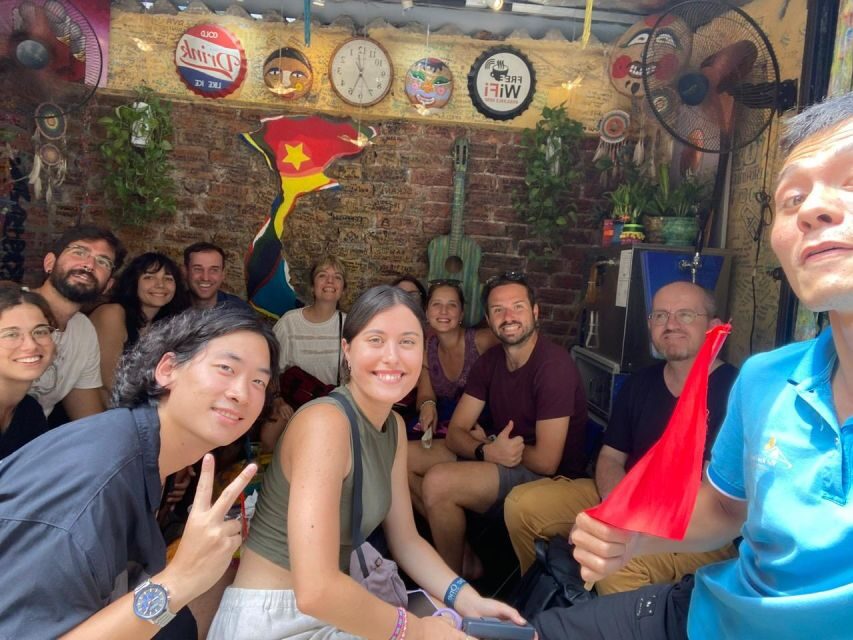
This all-in-one walk is built to help you read the city as it changed from Thang Long days to the French-era look and then into modern chaos. I like two things a lot: the way you’re taught to see the city through Old Quarter + French Quarter contrasts, and the included time built around egg, salt, or coconut coffee plus food recommendations. One drawback to note: it’s still a walking tour, and some indoor spots restrict photos.
A good guide makes it click fast. Guides named in past tours like Tee, Khoi, Min, Mark, and Minh show up with the same focus: stories that make the sights make sense, plus practical tips like how to cross busy streets without turning it into a stress test. It’s a private group, so pacing can flex when rain or timing gets weird.
In This Review
- Key highlights worth your time
- Why this 3.5-hour Hanoi walk is such a smart start
- From Thang Long origins to Ly Thai To: setting the story
- What to watch for
- Ngoc Son Temple: a classic stop with photo time and context
- The practical note
- Communal house stop: Đình Kim Ngân and how locals gather
- What you’ll feel during this part
- Phố Thanh Hà: a quick photo-and-street segment
- Long Biên Bridge: the French-era contrast that makes photos make sense
- Timing tip
- Đồng Xuân Market: how to shop and look like you belong
- The star: Hanoi Train Street, watched the organized way
- Safety and comfort, kept simple
- Egg, Salt, or Coconut Coffee: your mid-walk reward
- How to use this stop
- How the private-group pacing actually helps
- What’s included, what you’ll pay for, and how to budget
- Comfort rules that make the difference
- Do you get “only famous sights”?
- Should you book this Hanoi Train Street walking tour?
- FAQ
- How long is the Hanoi Train Street walking tour?
- What does this tour cost?
- Is hotel pickup and drop-off included?
- Does the price include admission tickets?
- Are food and drinks included?
- Is the tour guide available in English?
- Is this tour a private group?
- Are there any restrictions on photography?
- What should I bring and wear?
- Is the tour suitable for everyone?
Key highlights worth your time
- Thang Long to today: a timeline you can walk through, not just read on a sign
- Train Street viewing: timed and organized so you’re not guessing when and where to stand
- Coffee stop built into the route: egg, salt, or coconut coffee, with guidance on what to try
- Markets + local streets: places like Đồng Xuân Market feel lived-in, not staged
- French-era contrast via Long Biên Bridge: one photo stop that shows a whole historical shift
- Local “do’s and don’ts”: street-smart advice, including crossing tips
Why this 3.5-hour Hanoi walk is such a smart start
For Hanoi, the hardest part for first-timers is usually simple: where to go, what’s connected, and how to handle the traffic. This tour hits that exact problem. In about 210 minutes, you get a stitched-together route that moves from major landmarks to the kind of everyday streets that help you understand the city’s rhythm.
The price, $34 per person, feels fair because you’re not paying only for sightseeing. You also get hotel pickup and drop-off (huge in Hanoi), plus an entrance ticket included in the tour. Food and drinks aren’t included, but the route is planned with a coffee stop and plenty of chances to ask what to order and where.
You can also read our reviews of more walking tours in Hanoi



From Thang Long origins to Ly Thai To: setting the story
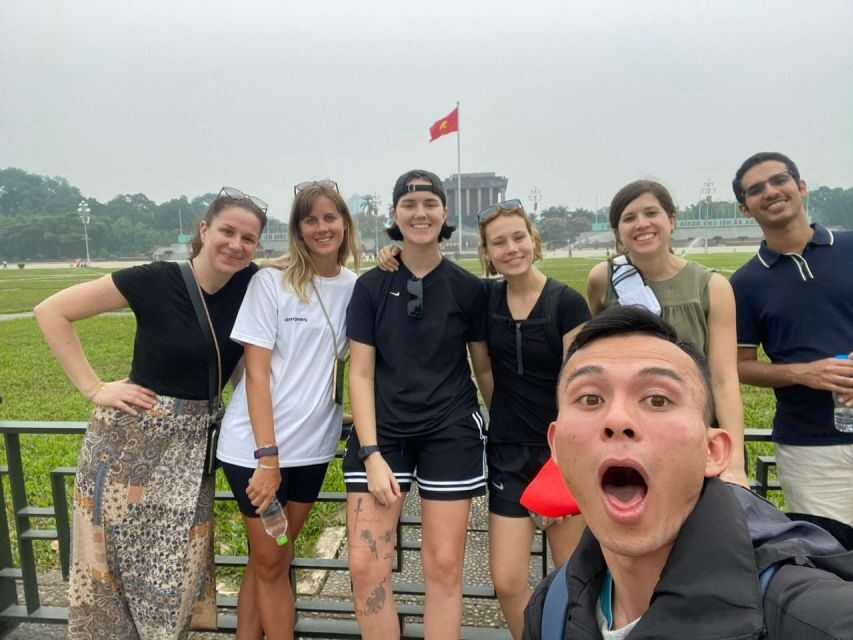
You start with a pick-up option that depends on where you’re staying, then head straight to the Ly Thai To Monument Statue. This stop works as the tour’s “why this city matters” chapter. Instead of treating Hanoi like a pile of attractions, you’re given a framework: this place has been evolving for centuries, starting from Thang Long, and the city you see now is the result of layers stacking over time.
This is one reason people like this tour so much on a first day. The guide doesn’t just point. They explain what you’re seeing and how it connects to Vietnamese life, so later, when you wander on your own, you make better choices. You’ll also walk through streets that feel like a real neighborhood, not a theme park.
What to watch for
The time here is short (about 15 minutes). That’s intentional. You’re using this start to get your bearings, not to linger at one spot.
Ngoc Son Temple: a classic stop with photo time and context
Next up is Ngoc Son Temple, where you get a guided visit and a photo stop (about 30 minutes). This is one of those “you should see it” places that works best when someone gives you context, because temple architecture and city layout can look complicated if you don’t know what to notice.
The tour’s style is built around that. You’re not left to wander alone, trying to read everything through your own guesses. You get a story, then you get time to look around and take photos where permitted.
The practical note
Plan your camera habits. The tour notes that photography inside is not allowed, so you’ll want to be ready with your framing for outdoor/photo areas and save the rest for your eyes.






Communal house stop: Đình Kim Ngân and how locals gather
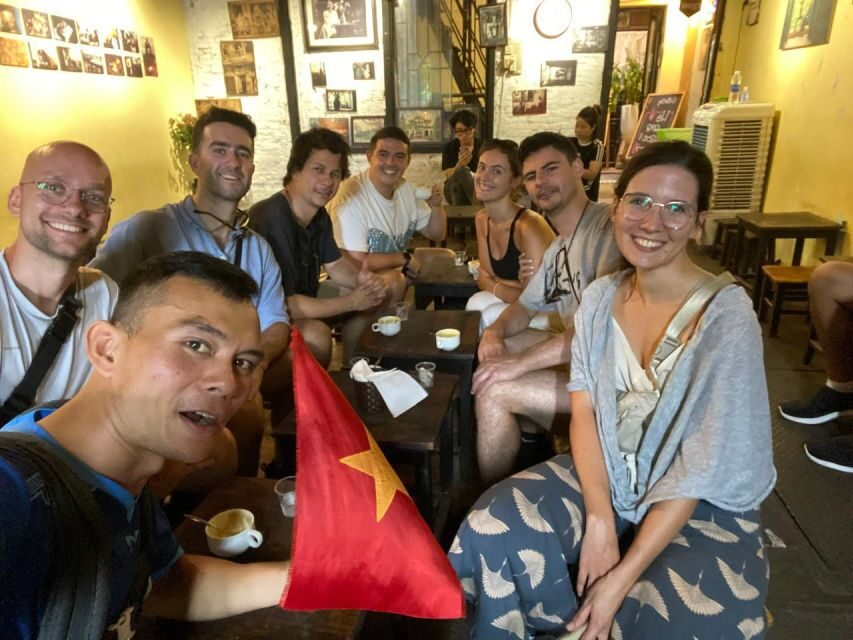
Then you move into a more local-feeling cultural moment at Đình Kim Ngân (about 30 minutes). This is a communal house, which matters because it’s tied to how Vietnamese communities organize social life around shared spaces and traditions.
What I like about including this kind of stop is that it shifts the tour away from only famous landmarks. You get a glimpse of how culture isn’t just museums and monuments. It’s also community spaces, routines, and the reasons certain buildings keep showing up in daily life.
What you’ll feel during this part
It tends to slow things down in a good way. If you’ve been rushing in Hanoi already, this stop gives you a mental reset: you’re stepping into the city’s social fabric, not only its tourist highlights.
Phố Thanh Hà: a quick photo-and-street segment
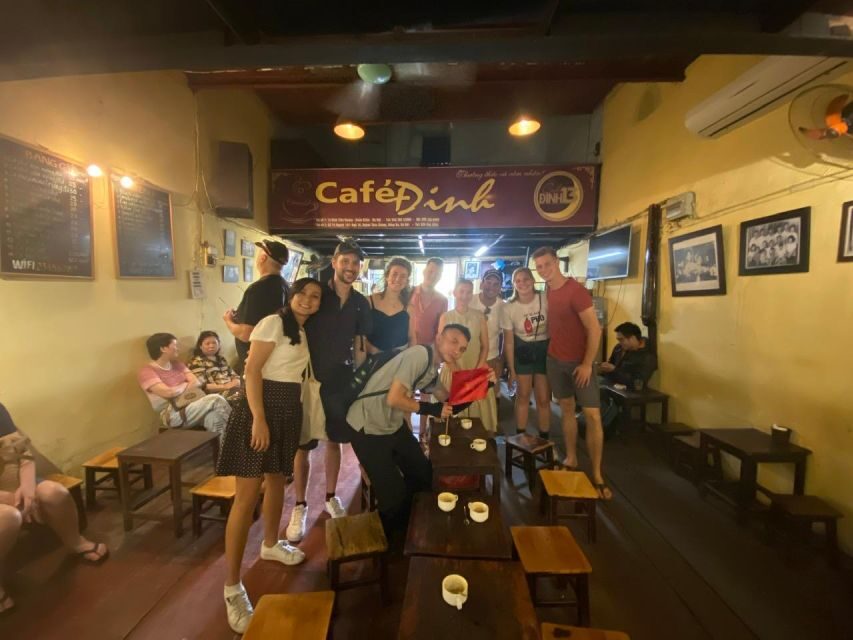
You also get a stop at Phố Thanh Hà. It’s listed as a photo stop with guided touring and time to walk (about 15 minutes). Even though it’s short, it plays an important role: it shows you Hanoi as a living network of lanes and street identities, where the tour’s history talk actually matches the street scene.
This is the kind of segment that’s easy to overlook if you book only “big sights.” Here, the street-level detail helps you understand how the city functions.
Long Biên Bridge: the French-era contrast that makes photos make sense
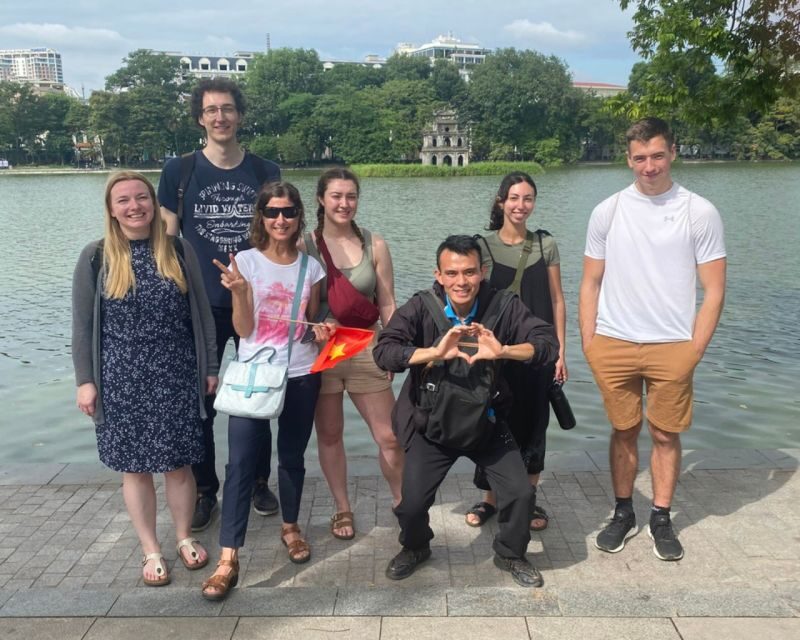
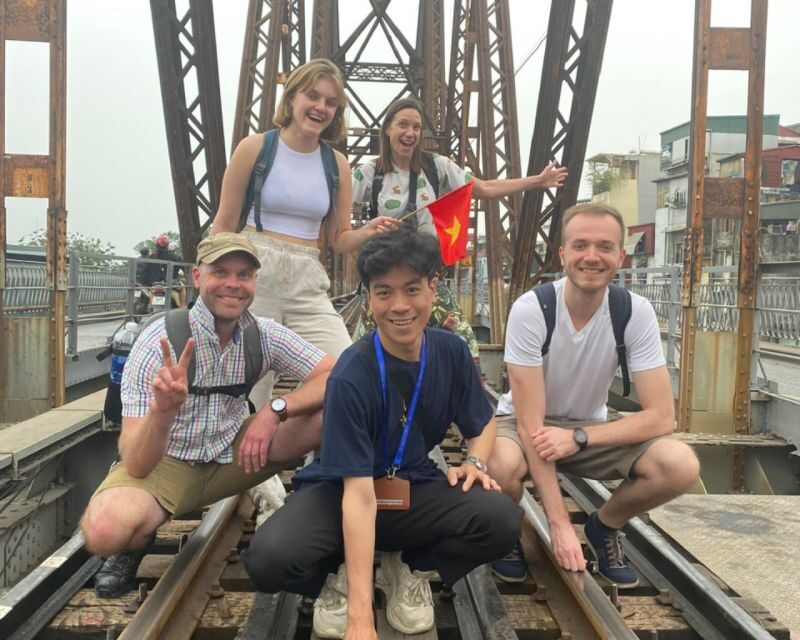
The route includes Long Biên Bridge for another photo-and-sightseeing stop (about 30 minutes). The tour frames it as a major contrast point, calling out the French-era feel seen in Hanoi’s older structures and connecting it to the “past to present” theme.
This is one of your best photo opportunities, but it’s also a useful moment for your brain. Bridges change how cities look and move. Long Biên isn’t just a place to stand. It’s a signal of how Hanoi’s built environment shifted over time.
Timing tip
You’ll be moving through busy areas. Comfortable shoes matter here more than almost anywhere else.
Đồng Xuân Market: how to shop and look like you belong
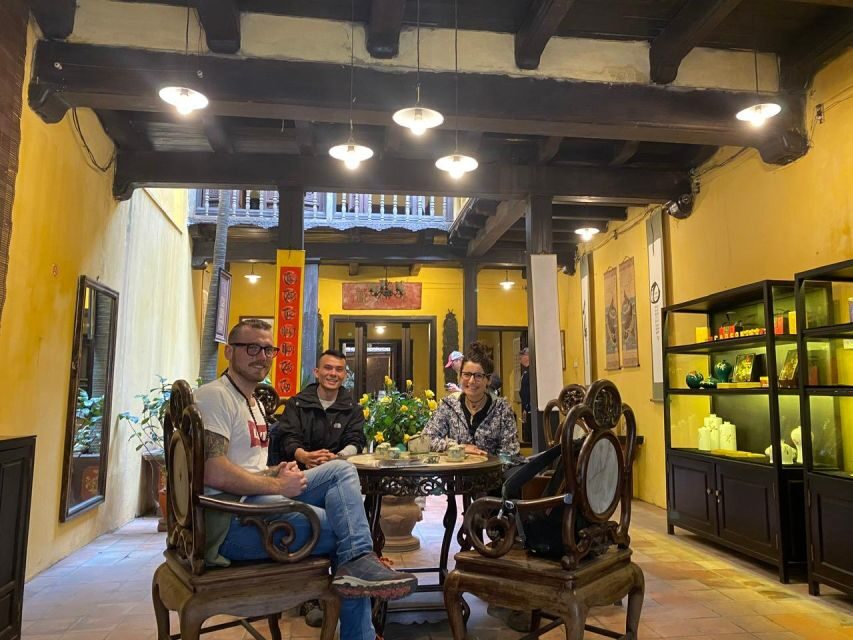
Next comes Đồng Xuân Market (about 30 minutes). This stop is one of the best ways to learn how locals experience the city in everyday mode. The guide’s job isn’t only to walk you through. It’s to point out what’s worth your attention and offer do’s and don’ts so you don’t feel lost or accidentally stick your camera where it shouldn’t go.
Markets also make Hanoi feel real fast. You see different scales of life in the same space: speed, bargaining energy, family shopping, and quick decisions. It’s a great antidote to only visiting staged places.
The star: Hanoi Train Street, watched the organized way
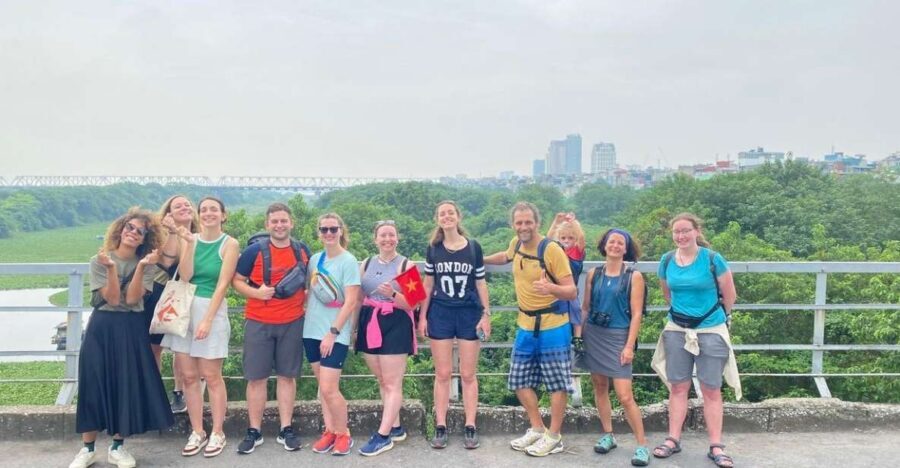
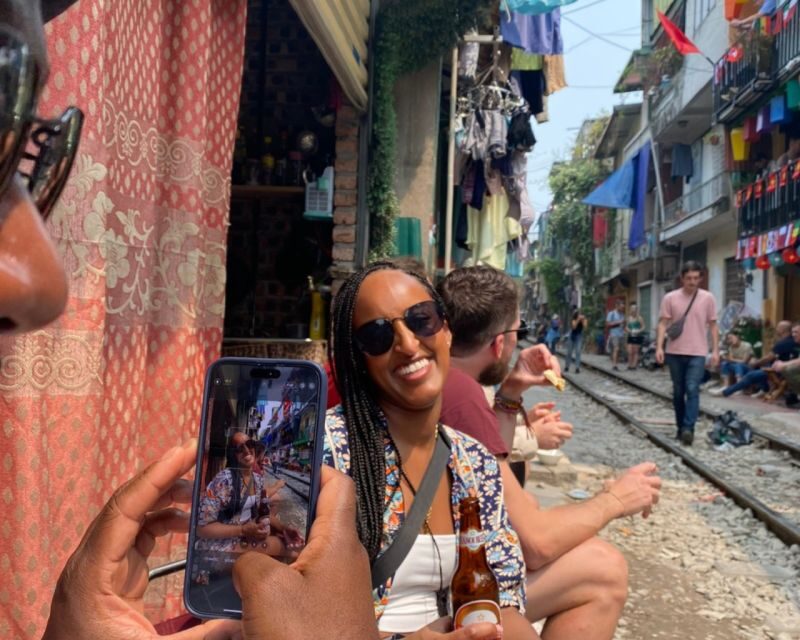
Finally you reach the highlight that brings people to this tour: Hanoi Train Street. This is another photo stop and guided visit.
Train Street can be tricky because it’s not just sightseeing. It’s a timed, noisy, highly watched slice of daily life. The value of having a guide is that you’re not standing around wondering where to go or when to move. One past example in the tour experience notes that the day was handled with flexibility, using cabs when needed to arrive in time to see the train go by while also getting coffee at the right moment.
Safety and comfort, kept simple
This tour also includes practical street-smart advice. In one case, a guide taught a participant how to cross Hanoi streets, which made future days easier. That kind of coaching isn’t glamorous, but it’s the difference between feeling frantic and feeling in control.
Egg, Salt, or Coconut Coffee: your mid-walk reward
The route includes a coffee stop featuring egg coffee or salt coffee or coconut coffee. Food and drinks aren’t included in the tour price, but this is one of the best parts to use your guide.
Why? Because “what to order” in Hanoi can be confusing if you’re tired and hungry. The guide can help you pick one option and understand what makes it a local thing. It’s also a built-in break that helps you enjoy the second half of the walk instead of rushing toward Train Street like it’s an appointment you dread.
How to use this stop
Treat coffee as two things: a taste and a conversation. Ask what else is good nearby, and you’ll leave with a mini list for your next meal. The tour specifically aims to recommend where and what to eat and drink, so don’t be shy about asking.
How the private-group pacing actually helps
This tour runs as a private group, and that matters more than it sounds. In a city like Hanoi, being flexible is practical. One participant noted that, when rain hit, the guide still kept things enjoyable. Another noted the pace worked well even for people in their seventies.
A private format also helps if your interests are specific. If you care more about the history behind a landmark, you can lean in. If you care more about the street scene, you’ll get more time for that.
And because it’s built as an all-in-one walk, you’re not wasting half a day figuring out how to string stops together.
What’s included, what you’ll pay for, and how to budget
Here’s the straight deal:
Included:
- Hotel pickup and drop-off
- Entrance ticket
Not included:
- Tip for the tour guide
- Food and drinks
So you should budget extra for coffee (egg/salt/coconut), any snacks you choose, and whatever else you decide to eat. The good news is the tour is designed to help you make those choices quickly and confidently. The money you spend on drinks tends to feel worth it because the stop is planned around timing and route flow.
At $34, the tour isn’t trying to be a fancy meal or a long museum day. It’s a way to get orientation plus standout sights without you building the plan yourself.
Comfort rules that make the difference
This tour comes with a few clear “know before you go” points:
- Bring comfortable shoes. You’ll be walking.
- Photography inside is not allowed, so plan for outdoor photos and follow the guide’s lead indoors.
- It’s not suitable for pregnant women, people with mobility impairments, or anyone under 3 ft 9 in (120 cm).
If you’re unsure about your pace, treat this as a workout plus culture session. Hanoi streets can be busy and uneven, and the tour’s success depends on being able to keep moving.
Do you get “only famous sights”?
No. That’s a key reason this walk earns strong ratings. You do hit big names like Ngoc Son Temple and the Long Biên Bridge photo stop, but the route also includes things that help you understand how Hanoi works: communal housing culture, local market life, and street-level segments like Phố Thanh Hà.
And the tour doesn’t treat coffee like a random detour. It’s a planned stop with local flavors—egg, salt, or coconut—so you leave with a memory that’s actually edible.
Should you book this Hanoi Train Street walking tour?
Book it if:
- It’s your first time in Hanoi and you want a fast, guided way to connect Old Quarter and French-era streets to modern scenes like Train Street.
- You like practical guidance: what to try, where to go next, and how to handle the street flow.
- You want a private group experience with pickup and drop-off so you don’t lose time figuring out logistics.
Skip it (or swap to something lighter) if:
- You don’t handle walking well or you’re sensitive to crowded, active street environments.
- You need lots of indoor photo time, since photography inside is not allowed.
- Your group includes anyone who doesn’t meet the stated height requirement or accessibility limits.
If you want one solid afternoon that helps you understand Hanoi instead of just collecting photos, this is a strong pick.
FAQ
How long is the Hanoi Train Street walking tour?
It runs for about 210 minutes.
What does this tour cost?
The price is listed as $34 per person.
Is hotel pickup and drop-off included?
Yes, pickup and drop-off at your hotel are included.
Does the price include admission tickets?
Yes, an entrance ticket is included.
Are food and drinks included?
No. Food and drinks are not included, though the tour includes a coffee stop with egg, salt, or coconut coffee options.
Is the tour guide available in English?
Yes, the tour has a live English-speaking guide.
Is this tour a private group?
Yes, it’s set up as a private group.
Are there any restrictions on photography?
Photography inside is not allowed.
What should I bring and wear?
Bring comfortable shoes for the walking parts.
Is the tour suitable for everyone?
It is not suitable for pregnant women, people with mobility impairments, or anyone under 3 ft 9 in (120 cm).



More Walking Tours in Hanoi



More Tours in Hanoi
- Ninh Binh Full-Day Tour from Hanoi to Hoa Lu, Tam Coc & Mua Cave Via Boat & Bike
★ 5.0 · 4,384 reviews