REVIEW · HANOI
Ha Giang Loop Tour 3 days 2 nights (small group with easy rider)
Book on Viator →Operated by Vietnam Mountain Tours · Bookable on Viator
Ha Giang is what road trips were made for. This 3-day, 2-night Ha Giang Loop tour takes you out of Hanoi and into steep passes, ethnic culture stops, and a pace that fits real people, not just motorbike superheroes. It runs as a small group (max 10) with an experienced local guide and a driver trained for mountain roads, so you spend more energy looking around and less worrying about logistics.
I really like that you’re not stuck in one “pretty view” moment all day. You get a mix of culture stops (Hmong sites and a linen weaving village) plus big-name scenery like Ma Pi Leng Pass and the Nho Que River area. I also like the value basics: pickup is offered, you get a mobile ticket, and multiple sights have free entry or included admission.
One thing to consider: this is a loop built around long driving days and mountain-road bends. If you’re sensitive to motion or prefer slower travel, you’ll want to think about whether the ride-time is your kind of experience.
In This Review
- Key takeaways before you go
- Why this 3-day Ha Giang Loop hits the sweet spot
- Hanoi pickup, mobile tickets, and the rhythm of an easy rider day
- Day 1: Quan Ba Heaven Gate, Dinh Vua Meo, and Dong Van at the local-market pace
- Day 2: Ma Pi Leng Pass and Nho Que River—the Ha Giang moment people remember
- Day 3: Lung Tam linen weaving and A Boong Waterfall’s off-the-map calm
- What I think you’ll enjoy most (and why it’s not random)
- Who should book this Ha Giang Loop tour—and who should rethink it
- Price and value: is $179 a smart deal for Ha Giang?
- Practical planning tips you should know (based on the actual stops)
- Should you book this 3-day Ha Giang Loop tour?
- FAQ
- How many people are in the Ha Giang Loop 3 days 2 nights tour?
- Is pickup included for the Ha Giang Loop tour?
- Which stops include admission tickets?
- Is the tour suitable for most travelers?
- What is the main route focus across the three days?
- What is the cancellation policy?
Key takeaways before you go

- Small-group max 10 keeps it easier to ask questions and adjust pacing.
- Easy rider setup plus a mountain-road trained driver helps you focus on the scenery.
- Quan Ba Heaven Gate sits around 1,500 meters, so expect altitude chill and big skies.
- Ma Pi Leng Pass and Nho Que River are the photo-and-views core of the loop.
- Du Gia adds quiet, off-the-radar contrast to the more famous stops.
- Lung Tam Linen Weaving Village gives you culture that you can actually see made by local hands.
Why this 3-day Ha Giang Loop hits the sweet spot

The Ha Giang Loop is famous for a reason, but the common problem is that most trips either feel too short to enjoy the region or too long to keep everyone happy. This 3-day, 2-night version is built to move through the highlights without turning every day into a marathon. You start from Ha Giang city, then ride the loop sections that most people remember: Heaven Gate, Dong Van area, Ma Pi Leng Pass, Nho Que River, and the quieter village end.
The small group size matters more than it sounds. When you’re with only up to 10 people, the guide can actually manage the flow of stops and timing. You also tend to get more personal answers than on the giant-bus versions. And since this is paired with a driver trained for mountain roads, you’re not spending your trip mentally bracing for what comes next.
You can also read our reviews of more tours and experiences in Hanoi


Hanoi pickup, mobile tickets, and the rhythm of an easy rider day

This tour is offered by Vietnam Mountain Tours and includes pickup (so you’re not hunting down a meeting point at the start). You’ll also have a mobile ticket, which is one less thing to worry about after a full day of travel in Vietnam.
The itinerary is designed around an easy rider style experience with the support of a trained driver. In practice, that means you can relax your decision-making while you’re on curving roads. You still need to be mentally ready for the motion and the long ride segments, but you’re not driving yourself. For many people, that’s the whole point: the loop is stunning, and you want your attention on views, not steering through hairpin turns.
Also note the group is “most travelers can participate.” That’s encouraging if you’re not looking for an extreme physical challenge. It doesn’t mean it’s effortless, though. Mountain roads are mountain roads.
Day 1: Quan Ba Heaven Gate, Dinh Vua Meo, and Dong Van at the local-market pace

Day 1 starts with Quan Ba Heaven Gate, a scenic spot reached by winding mountain roads. It’s perched at about 1,500 meters, which is why the air can feel different up there. This is the kind of start that sets the tone: you’re not arriving at Ha Giang and then waiting to feel the magic. You feel it early, because the approach roads are part of the show.
Next is Dinh Vua Meo (Hmong King Palace) in the Sa Phin Valley. This isn’t just a pretty stop; it’s historical. It served as the seat of power for two Hmong rulers, and the palace is over 100 years old. You get included admission here, which is a nice bonus because it keeps costs aligned while giving you a real culture anchor on a day that’s also about driving and scenery.
Then you head to Dong Van for a long stop (about 12 hours). Dong Van is especially interesting because it has a local ethnic market held every Sunday. If your date lines up with Sunday, you’ll have the best chance to see that market energy. If not, you can still use Dong Van as your “slow down” day—eat, walk, and reset before the big pass and river day.
Possible drawback for Day 1: it’s a long day, and it can feel like you’re constantly switching gears: road views to cultural stops to a big town evening. If you like downtime between activities, plan to take a breather as soon as you check in and don’t fill every hour.
Day 2: Ma Pi Leng Pass and Nho Que River—the Ha Giang moment people remember
Day 2 is where the loop earns its reputation. You start with Ma Pi Leng Pass, described as the most stunning pass in Vietnam. It sits along the road between Dong Van and Meo Vac, so it naturally fits the loop route: you reach it as part of the bigger journey, not as some random detour. This is one of those stops where the views do the talking, and the pass itself feels like the main event.
After the pass, you go to Nho Que River, included admission time (so that cost is covered where it matters). The river area is known for misty conditions and epic photo opportunities, especially if the light and weather cooperate. Even if you’re not chasing perfect shots, this is a good pause in the day: you trade “road wow” for “view from a viewpoint” time.
Then you head to Du Gia, a quieter village you’ll mostly see if you’re doing the longer loops. That’s the charm. It gives you contrast after the famous, high-attention spots. This is where you get a slower feel—less pressure, more stillness—and a chance to experience the region away from the busiest name-brand moments.
Day 2 consideration: because this day includes both major scenery and a quieter village, it can still feel long even if you love it. If you get motion discomfort easily, keep your head and breathing steady during the most winding sections and take the quiet village as your recovery time.
Day 3: Lung Tam linen weaving and A Boong Waterfall’s off-the-map calm
Day 3 starts at Lung Tam Village, also known as the Lung Tam Linen Weaving Village. This stop is built around the Hmong community and the art of linen weaving. Instead of only photographing a place, you’re seeing a craft tied to daily life. It’s the kind of cultural stop that can actually change how you understand the region: the Ha Giang Loop isn’t only about roads; it’s also about people making things, passing skills down, and keeping traditions practical.
After that, you head to A Boong Waterfall, described as off the beaten path and more serene than the big “everybody stops here” spots. The directions are specific: traveling from Meo Vac, go toward Mau Due and continue toward Du Gia. Before you reach Du Gia, you turn off for A Boong Waterfall near the Lung Tam area route. The key idea is that you’re not just going to a main roadside cascade—you’re taking a small detour for quiet.
Why this Day 3 order works: it finishes with gentler energy after two big scenery days. Weaving first gives you something steady to focus on. Then the waterfall gives you an ending that feels like exhale time—cooler, quieter, and less about “one more look at the pass.”





What I think you’ll enjoy most (and why it’s not random)
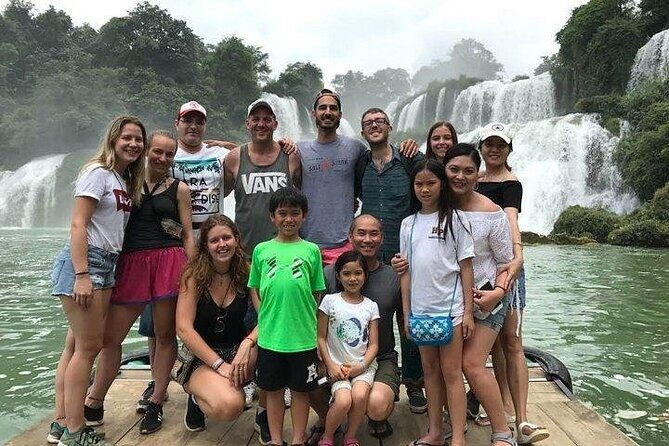
The most praised part of this style of tour is how it makes the loop approachable. In the review info you provided, one solo traveler decided to join a tour for peace of mind, and that’s exactly the emotional value here. You’re not alone out in the mountains trying to figure out timing and routes. You have a guide and a driver who are used to mountain roads, and that turns Ha Giang from a complicated plan into a guided experience.
Here are the three value drivers that matter on the ground:
1) You see the loop’s signature viewpoints without wasting time.
The route strings together the most memorable stop types: Heaven Gate, pass driving, river views, then quieter village time.
2) You get culture stops that aren’t just names on a sign.
The Hmong Palace (over 100 years old, seat of power for two rulers) and the Lung Tam linen weaving are more than photo stops. They help explain what you’re seeing around you.
3) The small group format keeps it human.
Max 10 people helps you feel like you’re traveling with a group, not getting herded. It’s easier to ask questions and adjust if the timing needs a bit of flexibility.
Who should book this Ha Giang Loop tour—and who should rethink it
This tour is a strong fit if you want:
- A classic Ha Giang Loop highlights package in 3 days, not 5 or 7.
- A small group (max 10) instead of a crowded bus vibe.
- An easy rider experience where you can enjoy the scenery without concentrating on driving.
It’s not the best match if you:
- Hate long ride segments and prefer a slower, shorter-day itinerary.
- Need lots of free time with no set structure. This route is built around multiple named stops each day.
If you’re traveling solo, this format is also a good confidence boost. You still meet people, but you’re guided and not stuck figuring out everything on your own.
Price and value: is $179 a smart deal for Ha Giang?
At $179 per person, this tour sits in a reasonable zone for Vietnam multi-day transportation plus guiding. You’re paying for three big things that are hard to replicate alone: a route designed for the Ha Giang Loop, a mountain-road trained driver, and an experienced local guide who can connect the dots between scenery and culture.
The included admission also nudges value upward. Dinh Vua Meo and Nho Que River include admission in the plan you shared. Other stops like Quan Ba Heaven Gate, Dong Van, Ma Pi Leng Pass, Du Gia, Lung Tam Village, and A Boong Waterfall are listed as free entry, which helps keep the day’s costs predictable.
So the question isn’t just the number. It’s what you avoid: time spent planning, route risk, and the stress of coordinating everything while you’re in a remote region. For most visitors, that stress is the real hidden cost.
Practical planning tips you should know (based on the actual stops)
Because Quan Ba Heaven Gate is around 1,500 meters, you can expect cooler air than you’ll feel in lower areas. On a multi-day loop, that matters for comfort, especially during morning or late-day breaks. Also remember you’re moving through passes and viewpoints, so conditions can change quickly, even if you’re not stuck indoors.
For the cultural stops, treat them like more than check-the-box stops. At Dinh Vua Meo, the big payoff is understanding that it’s tied to Hmong leadership history (the palace’s role for two rulers is a key detail). At Lung Tam linen weaving, focus on watching the craft process rather than only taking photos. If you do that, the tour feels richer without needing extra add-ons.
And for Dong Van, time your expectations. The ethnic market runs every Sunday, so your experience there depends on your day. That doesn’t make it a downside; it just helps you set the right mental picture.
Should you book this 3-day Ha Giang Loop tour?
If you want the Ha Giang Loop highlights in a tight 3-day package, with a small group and the support of an experienced guide plus a mountain-road trained driver, I’d say this is worth seriously considering. The mix of signature scenery (Quan Ba Heaven Gate, Ma Pi Leng Pass, Nho Que River) with culture stops (Hmong King Palace and Lung Tam weaving) is a smart way to spend limited vacation time.
Book it if you like structure and you’re okay with long ride days. Skip it if you want ultra-flexible pacing or you dislike motion on curving mountain roads.
FAQ
How many people are in the Ha Giang Loop 3 days 2 nights tour?
The tour is arranged for a maximum of 10 travelers, keeping it small-group sized.
Is pickup included for the Ha Giang Loop tour?
Yes, pickup is offered, and the tour also uses a mobile ticket.
Which stops include admission tickets?
Admission ticket is included for Dinh Vua Meo and Nho Que River. The other listed stops are marked as free entry in the tour information.
Is the tour suitable for most travelers?
The tour information states that most travelers can participate.
What is the main route focus across the three days?
You’ll cover Quan Ba Heaven Gate and Dinh Vua Meo on Day 1, then Ma Pi Leng Pass and Nho Que River on Day 2, followed by Lung Tam Village and A Boong Waterfall on Day 3.
What is the cancellation policy?
You can cancel for free up to 24 hours in advance of the experience start time for a full refund.




More 3-Day Experiences in Hanoi


More Tours in Hanoi
- Ninh Binh Full-Day Tour from Hanoi to Hoa Lu, Tam Coc & Mua Cave Via Boat & Bike
★ 5.0 · 4,384 reviews