REVIEW · HANOI
Full Day Tour to Perfume Pagoda with Traditional Boat Ride
Book on Viator →Operated by Sunlight Travel & Cruise · Bookable on Viator
Perfume Pagoda is one of those trips where the scenery does most of the talking. You leave Hanoi at 8:00, roll through the countryside with a driver, then switch to a traditional sampan on the lily-strewn Yen Stream. Along the way, an English-speaking guide adds context to the temples and rituals, so you’re not just walking and praying on autopilot.
I like that the logistics are handled for you: hotel pickup, round-trip transport, and a guided plan for the main sites. I also really appreciate that the route builds in time for the key moments at the complex, including Thien Tru Pagoda and the Huong Tich cave area—plus scheduled photo stops, so you’re not constantly rushing.
The main downside to plan for is the physical reality: lots of steps, slippery surfaces after rain, and a boat ride that can feel long and a bit tight depending on conditions. If you have mobility limits, you’ll want to think twice or confirm what optional rides you can skip.
In This Review
- Quick take: the details that matter
- Perfume Pagoda Day Trip From Hanoi: What You’re Really Signing Up For
- What I love about the experience
- Morning Pickup at 8:00: The Countryside Ride Before the Temples
- The Traditional Sampan on Yen Stream: Calm Water With Real Logistics
- Den Trinh Registration Hall and Thien Tru Heavenly Kitchen: Where the Ceremony Starts
- Lunch in the Pagoda Area: Fuel for Stairs and Cave Time
- Huong Tich Cave and the Cable Car: Worth It, but Budget for It
- The rocks people pray to
- Photo Stops and Step Counting: How to Pace Yourself
- Price and Value: What You Pay, What You Add, and Where the Costs Land
- Weather Reality: Rain Can Turn the Day Up or Down
- Who This Tour Suits Best (and Who Should Rethink It)
- The Tip Question: How to Handle It Without Stress
- Should You Book This Perfume Pagoda Boat + Cave Tour?
- FAQ
- What time does the tour start?
- How long is the tour?
- Is the tour guided, and in what language?
- What’s included in the price?
- What costs are not included?
- How much are the boat and cable car fees?
- Is the cable car required for Huong Tich?
- What transport is used during the day?
- How big is the group?
- What happens if weather is poor?
Quick take: the details that matter
- Minh-style village storytelling: You’ll get a guide who can explain what you’re seeing at the pagodas and why people pray there.
- Traditional boat time on Yen Stream: Expect an out-and-back feel that can run long, especially if weather slows things down.
- Thien Tru + Den Trinh stops: You visit the Registration Hall (Den Trinh) and the Heavenly Kitchen (Thien Tru) as part of the core route.
- Huong Tich cave access by cable car (optional cost): The tour includes the ride route, but you still pay the cable car and other add-ons on your own.
- A day that mixes temples, caves, and staircases: Great for walkers; less fun if you dislike stairs or rain.
- Smallish group (max 25): You usually feel part of a group without it turning into a stadium event.
Perfume Pagoda Day Trip From Hanoi: What You’re Really Signing Up For
This isn’t a quick sightseeing hop. It’s a full-day reset that takes you from Hanoi’s pace into a Buddhist temple complex carved into limestone cliffs. You’re going to see pagodas, statues, caves, and the water route that locals have used for generations.
The big appeal is the rhythm. You start with countryside roads, then shift into the calm of the river, then climb into the cave zone. That flow matters because it keeps the day from feeling like one long line of ticket checkpoints. With a guide, you also get the “why” behind what people do—especially at Thien Tru Pagoda, where visitors pray for good luck and health.
You can also read our reviews of more tours and experiences in Hanoi.


What I love about the experience
First, the guided context. When you understand what you’re looking at—like the role of specific halls and why people seek blessings—the sites stop being random stone and become meaningful places.
Second, the countryside-to-temple contrast. The drive outside Hanoi sets expectations that this won’t be just another city walk. You’re trading streets for river views and cliffside temples, and that change is the point.
Morning Pickup at 8:00: The Countryside Ride Before the Temples
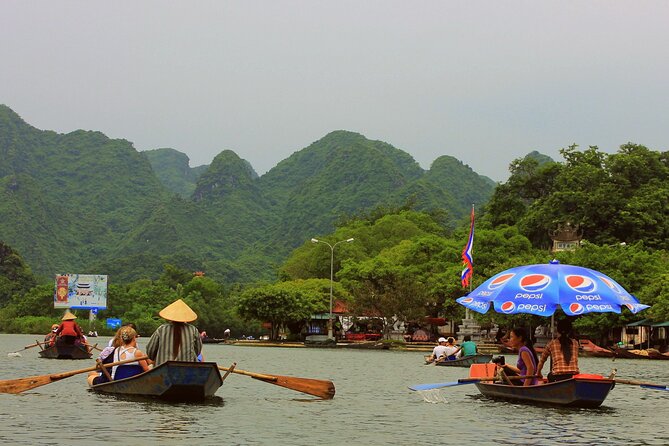
Your day starts with hotel pickup around 8:00 am in Hanoi. The ride to Perfume Pagoda is about 60 km southwest, and the route is more than a commute. It’s time to settle in, get your bearings, and watch the city peel away as you head toward rural areas.
This part is also where the value shows. You’re not dealing with maps, buses, or figuring out where boats depart. You get transportation round trip and a schedule that lines up with the rest of the day.
A practical note: the tour is timed so that the sampan ride begins around 10:00. That means you’ll want to be awake and comfortable early, especially if you’re traveling with a small child or you dislike early starts.
The Traditional Sampan on Yen Stream: Calm Water With Real Logistics
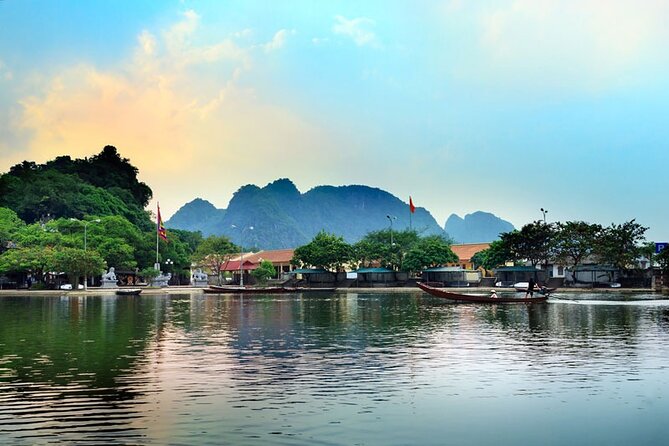
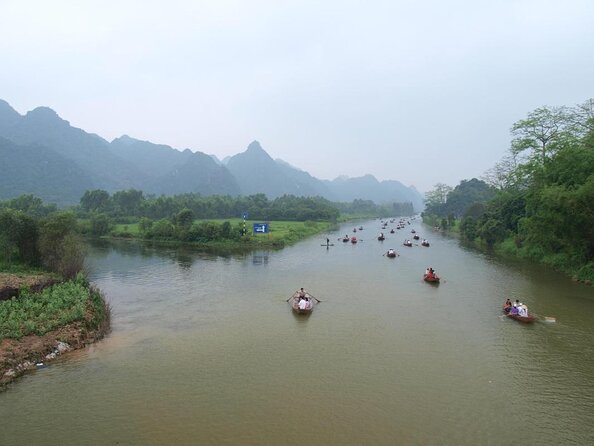
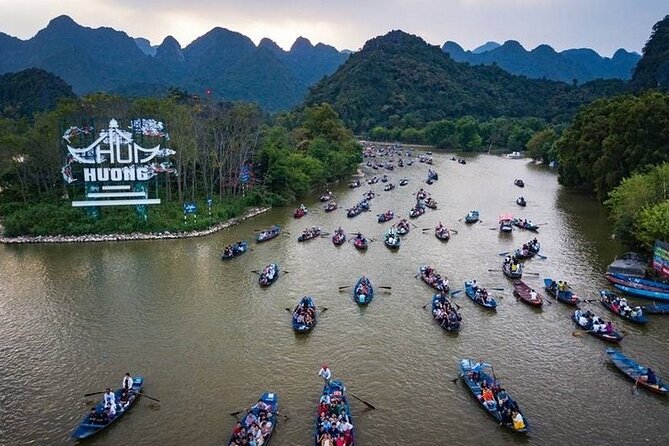
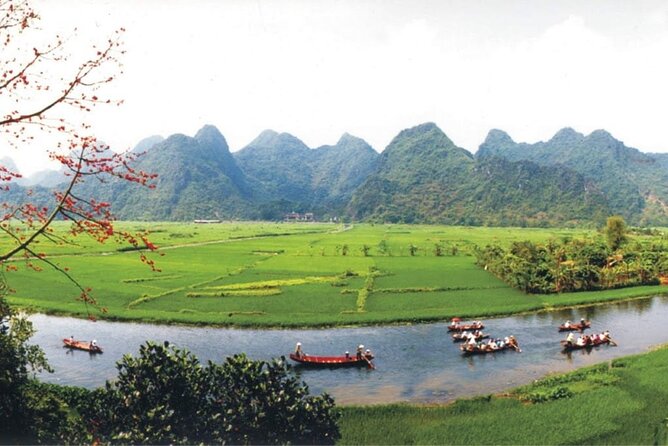
Around 10:00, you start the sampan ride to the main pagoda zone. The boat route runs along the Yen Stream, often described as lily-strewn, and it’s one of the most peaceful parts of the day.
Here’s the honest part: the boat segment is also where comfort can vary. One review notes the ride can feel long—about 30 km of river time—and rain can make things less pleasant. If the weather is bad, you might be dealing with limited shelter and rain gear sold on-site.
What you should do with this information:
- Bring a rain plan in your bag. Even if you don’t expect rain, Vietnamese weather can change.
- Assume the boat will be tight. This tour has a maximum group size of 25, but boats still don’t feel like your living room.
- Use the ride for the experience, not for getting a break. It’s relaxing, yes, but it’s also part of the flow of the trip.
Still, the views from the water and the transition into the temple complex are exactly why people take this day tour.
Den Trinh Registration Hall and Thien Tru Heavenly Kitchen: Where the Ceremony Starts
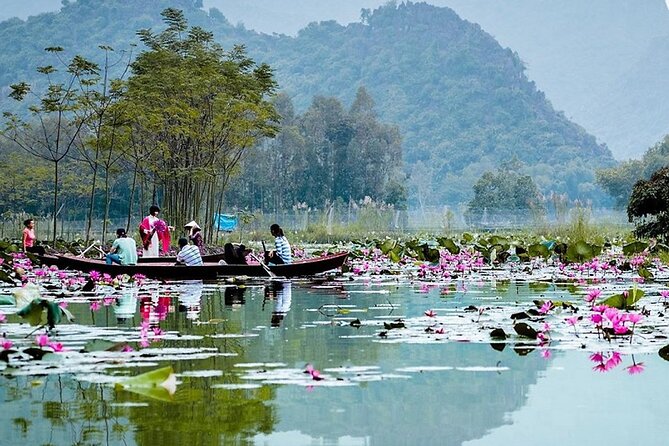
After the boat ride, you enter the main area of the Perfume Pagoda complex, known for having 18 pagodas surrounding the main sacred space. Your route targets two key stops:
- Den Trinh (Registration Hall)
- Thien Tru (Heavenly Kitchen)
This is where you get beyond photo ops. At Thien Tru, people pray for good luck and health, and the atmosphere is rooted in religious practice, not just tourism. If you’re the type who likes to understand what you’re seeing, this portion gives you a reason to slow down. A guide like Minh (from the village) can bring this to life through storytelling and cultural context, which makes the prayers feel less like a performance and more like daily faith.
One thing to keep in mind: if you’re visiting outside a festival period, some areas can feel quieter, and not everything may be open in the same way. If you care deeply about peak access and ceremonial energy, you’ll want to check dates closely before you go.

Lunch in the Pagoda Area: Fuel for Stairs and Cave Time
Lunch happens after you visit the core sites, in a local restaurant (included as part of the tour). In a day built around steps and vertical paths, this meal isn’t just a break—it’s survival fuel.
Because meals are included, you’re not scrambling for food options once you’re deep into the complex. That matters for two reasons:
- You can keep the schedule and avoid long delays.
- You don’t waste energy trying to figure out what’s open where.
If you have a sensitive stomach, keep it simple and eat what looks familiar. You’re better off saving your energy for the later sections, especially the cave approach.
Huong Tich Cave and the Cable Car: Worth It, but Budget for It
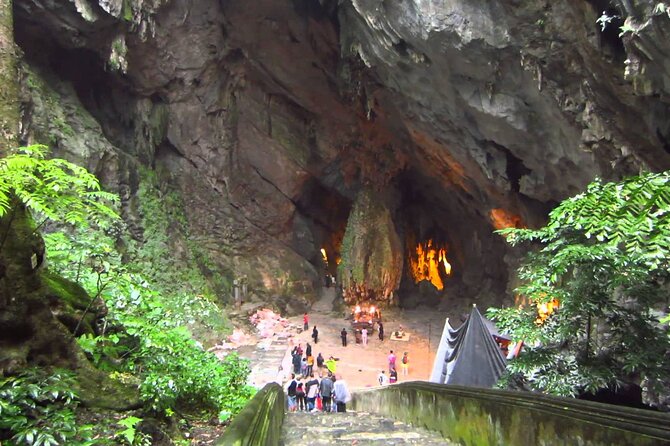
After lunch, you take a round trip cable car to the Huong Tich cave area, where there is a pagoda inside. The ride helps you manage the day because the complex involves lots of walking and climbing.
The catch: the cable car cost is not included. You pay separately:
- One-way: 180,000 VND
- Round-trip: 260,000 VND
Is it worth budgeting? In my opinion, yes, because the Huong Tich cave section is a major highlight and the day is already physically demanding. If you skip it, you’ll likely trade the cable car for more walking and stairs, which can be tough if weather turns slippery.
The rocks people pray to
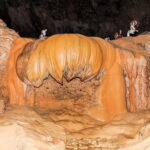
Inside the cave zone, people focus on unusual shaped rocks—often described as Silver, Gold, Boys, or Girls—and they may also pray near a rice pile shaped symbolically. This part is meaningful because it shows how belief is expressed through everyday-looking objects transformed into sacred symbols.
If you want photos here, plan your pace. You may be moving in crowds and up/down uneven ground. Keep your camera secured so you don’t end up doing the clumsy shuffle with everyone else.
Photo Stops and Step Counting: How to Pace Yourself
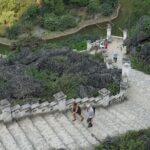
The tour includes scheduled photo stops, which is helpful because it reduces the temptation to stop wherever you want and lose time. Still, this day trip has a lot of movement, including stair-heavy paths to the cave/pagoda areas.
A review even called out slippery conditions when it rains, including a case where someone slipped and hurt their knee. That’s not to scare you—it’s to help you prepare.
Practical pacing tips:
- Wear shoes with decent grip. If you’re tempted by flip-flops, don’t.
- Take the stairs slowly. The goal is steady steps, not speed.
- Don’t treat this as a casual stroll. Think of it as a workout with temples as the reward.
If you travel with kids, you’ll want extra patience. The tour can feel like a lot of movement for small legs.
Price and Value: What You Pay, What You Add, and Where the Costs Land
The tour price is $39.18 per person, lasts about 9 to 10 hours, and includes:
- English-speaking guide
- Lunch (as mentioned)
- Round-trip transportation from Hanoi
- Mobile ticket
- Hotel pickup and return
What’s not included:
- Boating: 230,000 VND per person
- Cable car: 180,000 VND one-way, 260,000 VND round-trip
- Electric car: 40,000 VND per person (optional add-on)
So is it good value? In most cases, yes, because the expensive part of your day—transport, guide, and the structured route—are handled. The add-ons are mainly about getting up to the cave zone and using the boat, and you’re told those costs ahead of time.
Where you’ll feel the total price most is if you choose the cable car and you also end up using an electric car to manage steps. That’s normal. Just budget for it so the day doesn’t surprise you at the payment counter.
Weather Reality: Rain Can Turn the Day Up or Down
This experience depends on good weather, and the provider says you’ll be offered another date or a full refund if weather cancels it. That’s important because the complex has water elements and uneven paths.
When it’s rainy:
- The boat experience can feel longer and less comfortable.
- Steps can be slippery.
- You may need rain gear. Ponchos are sometimes sold on-site, but the better move is to carry your own if you can.
If you’re booking, I’d aim for a day when the forecast looks stable. When in doubt, choose comfort over pride. You’ll enjoy the temples more when your footing is steady.
Who This Tour Suits Best (and Who Should Rethink It)
This tour fits best if you want:
- A guided Perfume Pagoda route without planning hassles
- The traditional river segment on Yen Stream
- A day that mixes temples, cave views, and cultural explanations
- A guide like Minh, who can turn site visits into stories about the village and the festival period
You might reconsider if:
- You dislike stairs and uneven surfaces
- You need a low-effort walking day
- Your travel style is more about wandering at your own pace than following a scheduled route
Also, if you’re traveling with a very young child, build in flexibility. One review highlighted how a family with a small child can make the day stressful—then the guide helped smooth things over. A good guide can make a difference, but you still need stamina and patience.
The Tip Question: How to Handle It Without Stress
One caution that comes up with this kind of tour: sometimes people feel pressure to tip. You can avoid most awkward moments by deciding your tip amount in your head before you arrive and sticking to it. If the guide offers extra help, a small tip feels fair. If not, you don’t need to overthink it.
The best strategy is simple: be polite, pay what’s required, and tip only for service above baseline.
Should You Book This Perfume Pagoda Boat + Cave Tour?
Book it if you want a structured, guided day trip that gets you out of Hanoi and into a temple complex that’s way more interesting than a checklist. I especially think it’s a strong choice if you value cultural context, appreciate the transition from countryside roads to sampan to cave.
Pass or choose an alternate plan if you’re sensitive to uneven ground, hate stairs, or are going during weather that’s likely to turn paths slick. This is a walking-and-climbing day, not a sit-and-see one.
If you do book, plan smart: shoes with grip, water ready, and budget for the boat and cable car costs. Do that, and you’ll spend the day focused on what matters—temples, caves, and the quiet rhythm of the river route.
FAQ
What time does the tour start?
The tour starts at 8:00 am with hotel pickup in Hanoi.
How long is the tour?
It runs about 9 to 10 hours.
Is the tour guided, and in what language?
Yes. You get an English-speaking guide.
What’s included in the price?
The price includes round-trip transportation from Hanoi, an English-speaking guide, and meals as mentioned (lunch).
What costs are not included?
Boating entrance fees and cable car costs are not included. The electric car (if used) is also not included.
How much are the boat and cable car fees?
Boating is 230,000 VND per person. Cable car costs are 180,000 VND one-way or 260,000 VND round trip.
Is the cable car required for Huong Tich?
The tour includes a round trip cable car to the Huong Tich cave area, but the cable car fee is paid separately.
What transport is used during the day?
You’ll use round-trip transport from Hanoi and take a traditional sampan ride as part of the route.
How big is the group?
The tour has a maximum of 25 travelers.
What happens if weather is poor?
This experience requires good weather. If it’s canceled due to poor weather, you’ll be offered a different date or a full refund.