REVIEW · HANOI
From Hanoi: Sapa Tour w Fansipan Peak 3 days 2 nights
Book on GetYourGuide →Operated by DragonflyCruise.com · Bookable on GetYourGuide
If you like mountains and real village life, this Sapa tour hits the sweet spot. You’ll leave Hanoi early, arrive in Sapa mid-day, then spend the next two days walking through Cat Cat, Lao Chai, Ta Van, and Giang Ta Chai with a local English-speaking guide. I like that the tour is built around meaningful hiking and family-run village stops, not just photo stops. I also like the small-group feel (up to 17 people) plus a proper Sapa hotel stay with a pool to reset your legs.
One thing to weigh: Fansipan cable car tickets cost extra, and day 3 is run without a guide, so you’ll need to be a bit more self-directed that morning.
In This Review
- What makes this itinerary work well
- Key highlights at a glance
- Hanoi to Sapa: the value is in the transfer
- Cat Cat village and the Black H’mong: your first taste of Sapa trails
- The 17km medium trek: Lao Chai, Ta Van, and Giang Ta Chai
- Sapa town time: meals, hotel comfort, and where you can breathe
- Fansipan Peak day: optional cable car and how to not feel rushed
- Price and logistics: what $161 buys you (and what it doesn’t)
- The guide matters: Chang’s kind, practical approach
- What to bring (so you stay comfortable, not stubborn)
- Who this Sapa tour suits best
- Should you book? My honest take
- FAQ
- How long is the Sapa Tour w Fansipan Peak?
- What’s included in the price?
- Is the Fansipan cable car included?
- How much trekking is on the itinerary?
- Will there be a guide on the third day?
- Where does the pickup happen in Hanoi?
What makes this itinerary work well

This is a classic “you walk, you learn, you eat, you recover” rhythm. Day 2 is the big one (a 17km round trip medium trek), so you’ll want decent shoes and warm layers. If you’re the type who hates getting caught in the cold, plan to pack for fast-changing mountain weather.
Key highlights at a glance
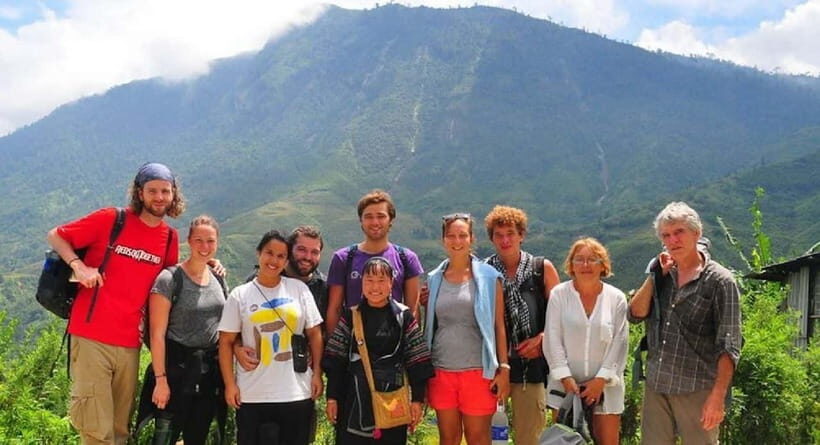
- Pickup from Hanoi Old Quarter helps you avoid the morning scramble and travel hassle
- Black H’mong at Cat Cat plus an easy trek start that sets the tone for Sapa
- A 17km medium trek that connects multiple hill-tribe villages and daily life
- Green tea with a local family during the Ta Van stop (learn how the household lives day to day)
- Fansipan Peak option via cable car on day 3, with panoramic time at the summit
You can also read our reviews of more tours and experiences in Hanoi


Hanoi to Sapa: the value is in the transfer

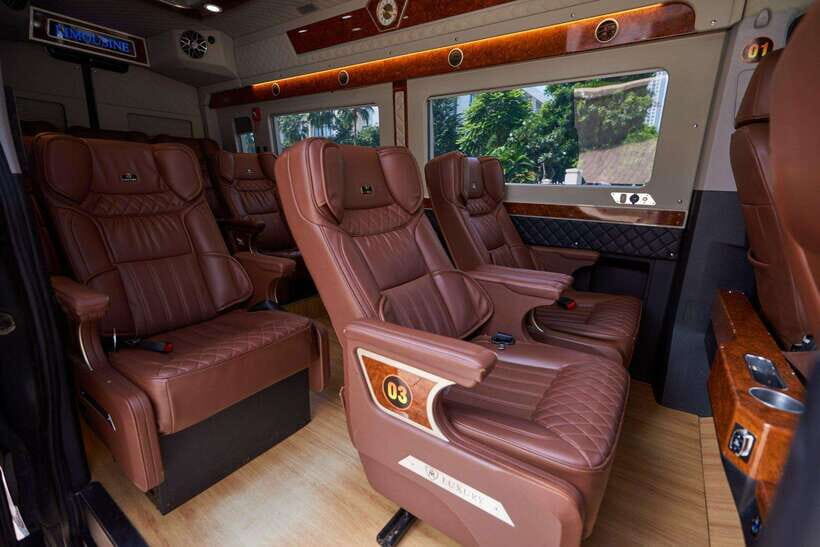
Starting from Hanoi, the biggest time-saver here is the included round-trip luxury bus. You don’t have to figure out stations, schedules, or how to get everyone into the same direction. The plan is simple: you’re picked up from your Hanoi Old Quarter accommodation area (or you can meet at 31 Lo Su, Hoan Kiem if you’re not staying inside Hanoi), then you head toward Sapa.
Along the way, you get a few real “Northern Vietnam” moments instead of just sitting on a bus. There are breaks for comfort at Lao Cai, and you’ll see mountains and rice terraces between Lao Cai and Sapa city. It’s not a sightseeing-only ride; it’s a moving introduction to why Sapa exists in the first place.
When you arrive in Sapa around 1:00 PM, you’re not thrown into a full trek immediately. That arrival time matters because check-in is only available starting at 1:00 PM, so you avoid that awkward half-day wait.
Cat Cat village and the Black H’mong: your first taste of Sapa trails
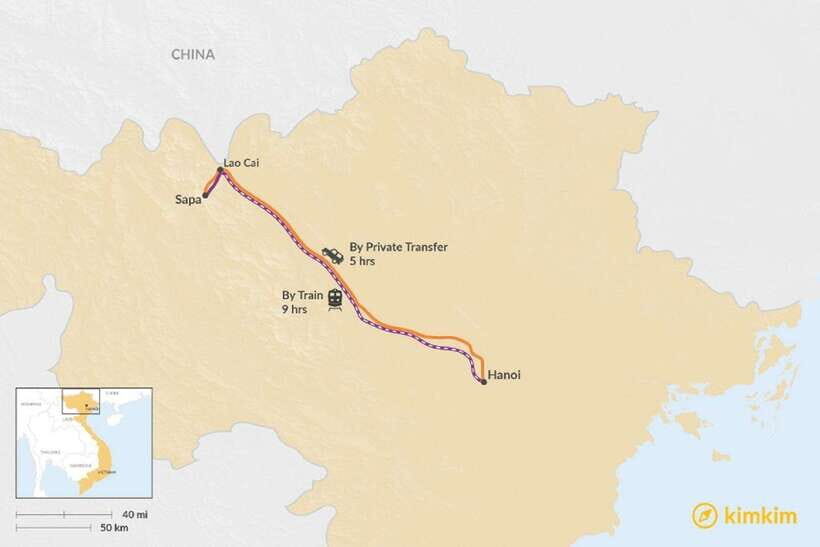
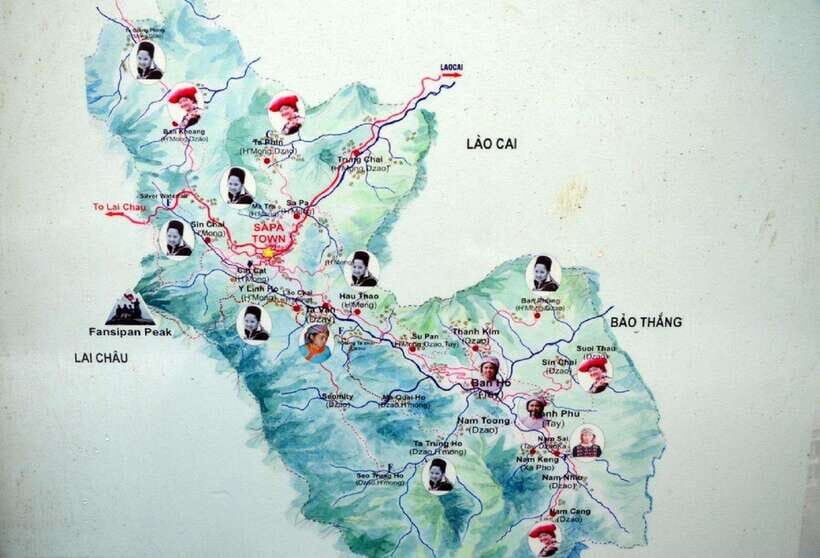
Day 1 is built like a warm-up. After lunch in Sapa town, you trek to Cat Cat village, home to the Black H’mong. This first village stop is the easiest way to learn the geography of the region: terraces, slopes, paths, and the way homes sit into the land.
You’ll also get your first look at the costumes and cultural variety around town. The tour includes time in Sapa Town to view traditional clothing from the H’mong, Dzao, and Tay communities. It’s a good moment to slow down and notice what you’ll be seeing again on the trail.
Day 1 evening is free in Sapa Town. That freedom is useful. After travel and a trek, you can wander at your own pace—grab a warm drink, walk off dinner, and get your bearings. And because this tour includes twin-shared accommodation plus a swimming pool, it’s an easy place to recover if you’d rather not go out right away.
Practical note: Cat Cat is a village trek, not a museum walkthrough. You’re there to observe everyday life, and it helps to treat it like a neighborhood visit. Go slowly, keep your questions respectful, and remember the locals aren’t performing on a schedule.
The 17km medium trek: Lao Chai, Ta Van, and Giang Ta Chai

If you want the core experience of Sapa—real village connections—Day 2 is where it happens. After breakfast, you’ll set out on a 17km round trip trek. That distance is substantial, but “medium” usually means you won’t be doing constant steep scrambling. Still, 17km is 17km. Plan on feeling it in your calves.
This day connects multiple communities:
- Lao Chai: a start point for understanding hill-tribe daily life and traditional work
- Ta Van: home of the Dzay people, with rice-paddy scenery and distinctive houses
- Giang Ta Chai: home of the Red Dao, with bamboo forest, terraced rice paddies, and waterfalls along the route
During the Lao Chai portion, you’ll also learn how locals make traditional clothes and handicrafts. In practical terms, this is one of the best ways to understand what you see later in Sapa markets and village homes. Clothing here isn’t just decoration—it’s tied to identity and skill.
The Ta Van stop is especially personal. You’ll eat lunch in a local house and then walk to Ta Van for a visit with a family. The tour includes time to have green tea and learn about their life. This is the kind of moment that turns a trek into a story you’ll remember, because it’s not only about scenery—it’s about how people actually live with the terrain around them.
And because the tour includes time to return to Sapa Town in the evening, you get a chance to shower, rest, and decide what you want to do next. The “walk all day, then recover with comfort” rhythm is what makes the whole itinerary feel doable.
Tip that will save you: wear shoes you already trust. The tour lists hiking shoes and sports shoes, which is a hint that you’ll want proper footing more than fashionable footwear.
Sapa town time: meals, hotel comfort, and where you can breathe

You’re not living on the trail 24/7. Lunches and breakfasts are included (3 lunches, 2 breakfasts), which matters because Sapa days can be cold and walking makes hunger hit fast. This also helps budget control since you’re not constantly deciding what to eat.
The tour includes entrance tickets to the mentioned sites, so you won’t be hunting for last-minute cash to get into every stop. And your twin-shared hotel in Sapa gives you an actual base rather than a “sleep somewhere random and keep moving” situation.
One included detail I genuinely appreciate: use of the swimming pool. After a long trek day, it’s a simple way to loosen up without needing another plan. You might not be in water for hours, but even short time can feel good.
Evenings are mostly yours. Day 1 evening is free time, and Day 2 evening brings another free period back in town. That structure is smart: it balances guided learning with space for you to explore Sapa at your speed.






Fansipan Peak day: optional cable car and how to not feel rushed
On the third day, you have two choices in how you handle the morning.
Option one is simple: enjoy a free morning and walk around Sapa Town at your own pace. This matters because the day includes a check-out by midday and you’ll want time to pack up and handle logistics without panic.
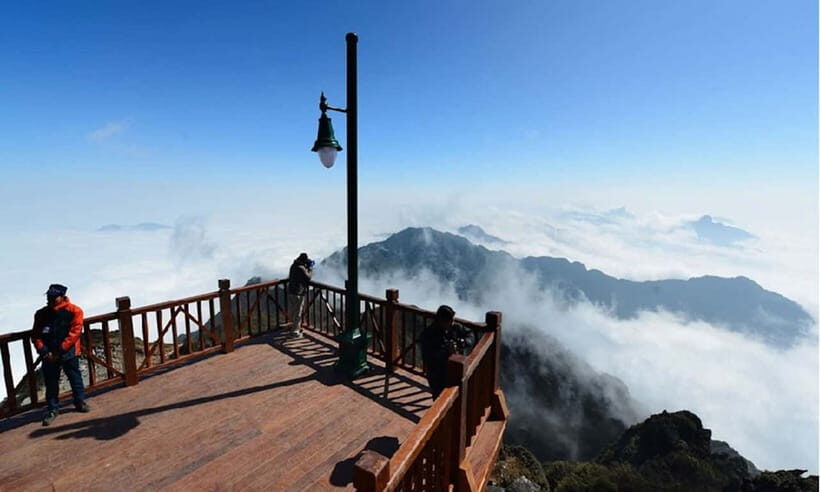
Option two is the big finish: Fansipan Peak via the cable car (extra cost for tickets). The tour notes that you can book Fansipan Cable Car tickets for an additional fee, then you’ll be driven to the cable car station and ride up. At the summit, you’ll get free time to admire the panoramic views before returning for lunch and exploring Sapa Town.
Two important practical points:
- There will be no guide with you on the third day, so you’re relying on the tour’s transfers and instructions, not real-time explanation.
- You’re being picked up by bus back to Hanoi at 2:30 PM, so you can’t linger too long.
If you choose the cable car, give yourself a calm mindset. You’re doing a scenic up-and-over experience, and then the clock returns you to the itinerary. Pack light enough that you can manage the day without feeling like you’re dragging your whole home.
Also, remember the tour emphasizes warm clothing and a scarf. Fansipan conditions can feel colder and windier than town, so dress like you mean it.
Price and logistics: what $161 buys you (and what it doesn’t)
This tour is priced at $161 per person and includes a lot that normally costs extra on your own: Hanoi-to-Sapa transfers, a local English-speaking guide in Sapa, 3 lunches and 2 breakfasts, twin-shared hotel lodging, and pool access. It also includes entrance tickets to the sites you visit.
The big “not included” item is clear: Fansipan cable car tickets cost extra. For me, this is a fair structure. You’re not paying peak-admission fees if you’d rather spend the morning in town. And if you do want Fansipan, you can decide based on your energy level and weather.
Small group size (limited to 17 participants) is also part of the value. Bigger groups can make village visits feel rushed. With a smaller group, the pace tends to stay human.
One more logistics note: pickup is included, but you’ll need to be ready. The plan says wait in the hotel lobby about 10 minutes before your scheduled pickup time. That small habit keeps everything smooth.
The guide matters: Chang’s kind, practical approach
A highlight from the experience is the human side of it—especially the guide. I’m glad this tour includes a local English-speaking guide in Sapa, and one guide name you may encounter is Chang. In a way that’s more useful than fancy storytelling, Chang helps with things that travelers often forget: check-in flow, lunch arrangements, and how life in Sapa works past and present.
That kind of guidance makes the day easier in small, real ways. When you know what to ask, what to pay attention to, and how village visits work, you enjoy them more. It also helps you feel less like you’re just being carried from place to place.
What to bring (so you stay comfortable, not stubborn)
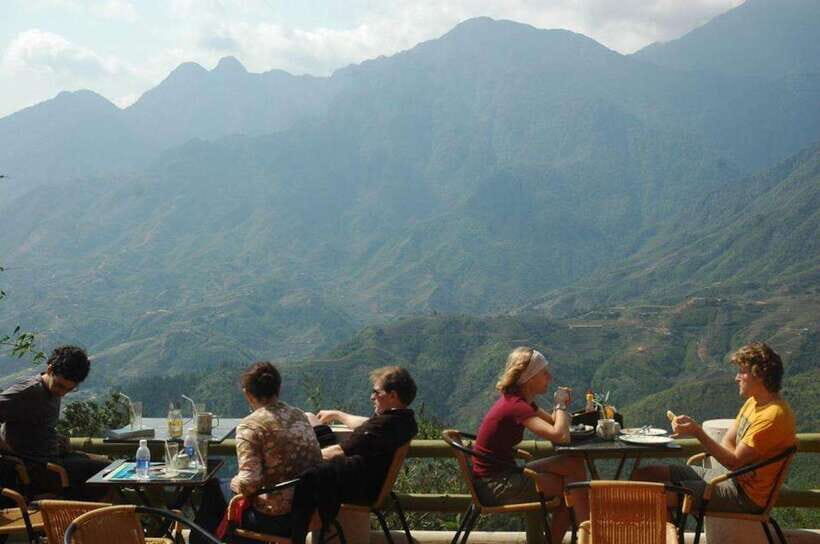
This tour gives you a clear packing list, and you should treat it like a checklist for mountain reality:
- Warm clothing and a scarf for cold air
- A hat to cut wind and sun
- Hiking shoes (and possibly sports shoes for town)
- Sunscreen because altitude and sun can surprise you
- Insect repellent for village-area time outdoors
- Cash for personal purchases
- A plan to layer, because conditions can shift fast on trails
Also, if you get cold easily, bring more than you think you need. Sapa’s weather can be friendly until it isn’t, and you’ll spend long enough outside that comfort becomes part of the trip quality.
Who this Sapa tour suits best
This is a great fit if you like walking, want hill-tribe village encounters, and don’t want to manage the whole route yourself. It’s also a strong option if you’re based in Hanoi and you want a guided structure that actually reaches multiple communities over 3 days.
It may not suit you if:
- You’re under 7 years old
- You’re pregnant
- You have mobility impairments
- You strongly dislike trekking distances (Day 2 is 17km round trip)
And if you’re considering Fansipan, be honest about your energy. You can choose a free morning in town instead, which is a smart “keep the day enjoyable” alternative.
Should you book? My honest take
I’d book this tour if you want a balanced Sapa experience: travel comfort from Hanoi, a guided first village day, a bigger trekking day through multiple communities, and a flexible day 3 morning. The value is strongest when you care about the village parts—Cat Cat, Lao Chai, Ta Van, and Giang Ta Chai—and you’re ready for real walking.
I would not book if you want a fully guided experience on day 3 or you’re expecting Fansipan to be included. The optional cable car is a nice add-on, but the tour clearly treats it as separate. If you plan for that and pack for mountain weather, this itinerary is a solid way to see Sapa without turning your trip into logistics.
If you can, match the trek to your comfort level. Bring the right shoes, layer up, and keep your expectations grounded in walking and village visits—not just summit photos.
FAQ
How long is the Sapa Tour w Fansipan Peak?
It runs for 3 days and 2 nights.
What’s included in the price?
The tour includes round-trip luxury bus transfers between Hanoi and Sapa, a local English-speaking guide in Sapa (day 1 and day 2), 3 lunches and 2 breakfasts, twin-shared accommodation, pool use, and entrance tickets to the mentioned sites. Fansipan cable car tickets are not included.
Is the Fansipan cable car included?
No. You can book Fansipan Cable Car tickets for an extra cost.
How much trekking is on the itinerary?
Day 2 includes a 17km round trip trek, described as a medium trek.
Will there be a guide on the third day?
No. The tour notes that there will be no guide with you on the third day.
Where does the pickup happen in Hanoi?
Pickup is included from accommodations in the Hanoi Old Quarter, with instructions to wait in the hotel lobby about 10 minutes before your pickup time. If you’re staying outside Hanoi, you can come to the office at 31 Lo Su, Hoan Kiem, Hanoi for departure.

More 3-Day Experiences in Hanoi


More Tours in Hanoi
- Ninh Binh Full-Day Tour from Hanoi to Hoa Lu, Tam Coc & Mua Cave Via Boat & Bike
★ 5.0 · 4,384 reviews